Production Goods & Services

20hits

Narrow by category

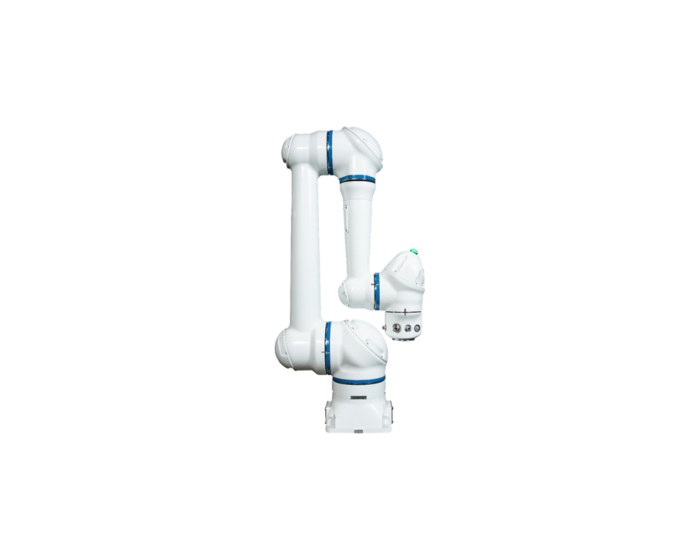
MOTOMAN-GP7 6-Axis Robot|±0.01 mm Repeatability, Compact Design for High-Speed Precision Automation

The MOTOMAN-GP7 is a compact 6-axis industrial robot designed for high-speed, high-precision tasks in tight spaces. With ±0.01 mm repeatability and IP67 protection, it is ideal for Thai manufacturers seeking accurate, space-saving automation. The MOTOMAN-GP7 from Yaskawa is a 6-axis articulated robot engineered for compact automation cells that demand both speed and precision. It handles payloads up to 7 kg, reaches 927 mm, and delivers class-leading repeatability of ±0.01 mm per ISO 9283. These capabilities make it ideal for component assembly, high-speed part picking, and polishing operations. Its IP67-rated sealed body and wrist allow it to operate reliably in dusty or coolant-filled environments. The GP7 supports flexible mounting orientations floor, wall, ceiling, or tilt and is compatible with YRC1000/YRC1000micro controllers. Programming is easy via a teach pendant or the Smart Pendant for intuitive setup. ■ Key Features - ±0.01 mm repeatability for high-precision manufacturing - Slim, compact body saves valuable floor space - IP67-rated protection on both body and wrist - Bottom-exit cable routing reduces interference in narrow spaces - Supports direct installation of solenoid valves (1–3 circuits) - Battery-free position data storage enhances uptime - Quick wiring and easy maintenance for faster deployment ■ Technical Specifications - Payload: 7 kg - Reach: 927 mm - Repeatability: ±0.01 mm - Axes: 6 (vertical articulated) - Weight: Approx. 34 kg - Protection: IP67 (all axes) - Power: 1.0 kVA - Mounting: Floor, ceiling, wall, or tilted - Motion range: - S: ±170°, L: +145°/-65°, U: +190°/-70° - R: ±190°, B: ±135°, T: ±360° - Max speed (T-axis): 1000°/s ■ Ideal Applications - Precision assembly and alignment of small components - High-speed picking from conveyors - Random bin picking with 3D vision systems - Force-controlled insertion and polishing with MotoFit sensor - Cleanroom handling for electronics, food, or medical industries The MOTOMAN-GP7 combines precision, compactness, and ruggedness making it a strategic choice for Thai factories optimizing for high-precision automation in limited spaces. ■ Download the detailed spec sheet or contact us for further information. #IndustrialRobot #6AxisRobot #Yaskawa #MOTOMANGP7 #PrecisionAutomation #CompactAutomation #CleanroomRobot #HighSpeedRobot #FactoryAutomation #SmartManufacturing

MOTOMAN-GP180 6-Axis Robot|180 kg Payload, ±0.05 mm Precision, Ideal for Heavy-Duty Automation

The MOTOMAN-GP180 is a high-performance 6-axis robot by YASKAWA, designed for fast, accurate handling of heavy parts. With a 180 kg payload and 2702 mm reach, it excels in automotive, casting, and logistics applications where power, speed, and space efficiency are essential. The MOTOMAN-GP180 is engineered to streamline the handling of large and heavy components. Its slim design minimizes interference with tools and nearby equipment, enabling tight robot spacing and compact cell layouts. With ±0.05 mm repeatability and wrist torque tolerance up to 1000 N·m, the GP180 is built for precise, stable movement of large workpieces. This robot integrates seamlessly with YRC1000 controllers for advanced motion control. Its flexible installation options including wall or ceiling mounting and IP67-rated wrist make it suitable for demanding environments. ■ Key Features - 180 kg payload capacity for heavy-duty applications - Long reach of 2702 mm for wide workspaces - ±0.05 mm repeatability ensures accurate operations - High wrist torque (up to 1000 N·m) enhances stability - IP54-rated body and IP67-rated wrist for dusty or wet environments - Floor, wall, and ceiling mounting flexibility - Compatible with YRC1000 controller for precise control ■ Technical Specifications - Payload: 180 kg - Reach: 2702 mm - Repeatability: ±0.05 mm - Axes: 6 (articulated) - Robot weight: approx. 1020 kg - Power: 5.0 kVA - Motion range: - S: ±180° - L: +76°/-60° - U: +90°/-86° - B: ±130° - R/T: ±360° - Speed (T-axis): 265°/s - Wrist torque capacity: - R/B-axis: 1000 N·m - T-axis: 618 N·m - Inertia capacity: 90 kg·m² (R/B-axis) - Protection: IP54 (body), IP67 (wrist) - Mounting: Floor (optional IP65 drip-proof version) ■ Applications - Automotive part handling and assembly - Press and casting line automation - Heavy material palletizing and depalletizing - Automated warehousing and logistics - Inter-process transport with AGV compatibility The MOTOMAN-GP180 offers robust performance for Thailand’s industrial automation needs, where speed, payload, and precision converge to deliver high-value automation in limited space. ■ Download detailed specs or contact us for a consultation. #MOTOMANGP180 #6AxisRobot #HeavyPayloadRobot #FactoryAutomation #AutomotiveAutomation #Yaskawa #PalletizingRobot #IndustrialRobot #RoboticHandling #SmartFactory

MOTOMAN-HC10DTP Collaborative 6-Axis Robot|Hand-Guided Teaching, 10 kg Payload, IP67 Option

The MOTOMAN-HC10DTP from YASKAWA is a 6-axis collaborative robot designed for direct human interaction on the factory floor. With built-in Power and Force Limiting (PFL) and intuitive Direct Teach functionality, it ensures safety and ease of use making it ideal for Thai manufacturers adopting safe, compact automation. As the core model of YASKAWA’s HC series, the MOTOMAN-HC10DTP allows safe collaboration without safety fencing. Its PFL technology immediately halts movement upon contact, while its Direct Teach capability allows users to guide the robot by hand no programming knowledge needed. It supports quick deployment with YRC1000/YRC1000micro controllers and can be operated via the Smart Pendant for intuitive interaction. With an optional IP66/IP67-rated version, the HC10DTP is also suitable for cleanroom or wet applications such as food, pharmaceutical, or electronics manufacturing. ■ Key Features ISO-compliant safety (ISO 10218-1 / ISO 13849-1 PLd) for human-robot collaboration Immediate stop upon contact with PFL technology Direct Teach for simple hand-guided programming Intuitive Smart Pendant operation No safety fence required ideal for limited space Optional IP67 model for harsh or hygienic environments Multiple mounting options for flexible layout integration ■ Technical Specifications Payload: 10 kg Reach: 1379 mm Repeatability: ±0.05 mm Axes: 6 (articulated) Max speed: 1000 mm/s (collab mode), 2000 mm/s (standard) Wrist moment: up to 27.4 N·m Inertia: up to 0.78 kg·m² Protection: IP20 (standard), IP66/IP67 (optional) Robot weight: 48 kg (standard), 58 kg (IP67 model) Mounting: Floor, ceiling, wall, inclined Controllers: YRC1000micro / YRC1000 ■ Ideal Applications Manual assistance in assembly lines Machine tending and material transport Automated inspection with vision systems Repetitive pick-and-place or packaging tasks Safe automation in food, electronics, or pharmaceutical factories The MOTOMAN-HC10DTP bridges safety and simplicity, empowering next-generation Smart Factories in Thailand to automate collaboratively, without compromising space or safety. ■ Download the detailed specs or contact us for more information. #CollaborativeRobot #Cobots #MOTOMANHC10DTP #YaskawaRobot #FactoryAutomation #6AxisRobot #HumanRobotCollaboration #SmartFactory #CleanroomRobot #DirectTeach

MOTOMAN-AR1440 6-Axis Arc Welding Robot|±0.02 mm Precision for Compact, High-Density Welding Cells

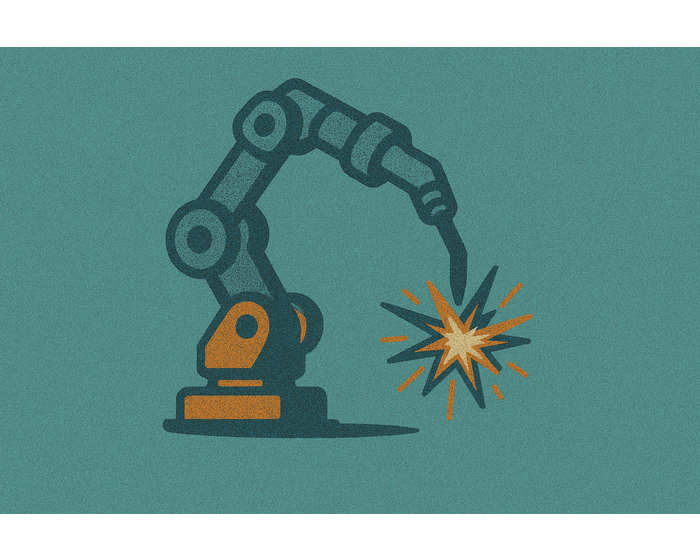
The MOTOMAN-AR1440 by YASKAWA is a compact 6-axis robot engineered for precision arc welding in confined production spaces. With a reach of 1440 mm, 12 kg payload, and ±0.02 mm repeatability, it delivers fast, stable welds for automotive and industrial applications. The MOTOMAN-AR1440 features a slim, symmetrical body and a hollow arm design with internal cabling, ideal for welding in tight, high-density layouts. Its 12 kg payload accommodates a wide range of torches and sensors, while its IP67-rated wrist ensures durability in harsh conditions. When paired with the YRC1000 controller, this robot offers advanced arc welding functions, including optimized acceleration control, real-time arc status monitoring, and multi-robot synchronization—making it a powerful solution for automated welding cells. ■ Key Features - ±0.02 mm repeatability for precision arc welding - Compact, slim design minimizes interference in tight spaces - Hollow arm structure with internal cabling reduces cable wear - Fast speed and acceleration lower cycle times - Supports advanced welding control via YRC1000 - Maintenance-friendly with battery-less zero position storage - IP67 wrist protection for harsh welding environments ■ Technical Specifications - Payload: 12 kg - Reach: 1440 mm - Repeatability: ±0.02 mm - Axes: 6 (articulated) - Robot weight: 150 kg - Power capacity: 1.5 kVA - Motion range: - S: ±170° - L: +155°/-90° - U: +140°/-85° - R: ±150° - B: +90°/-135° - T: ±210° - Max speed (T-axis): 700°/s - Wrist moment: R/B: 22 N·m, T: 9.8 N·m - Inertia: R/B: 0.65 kg·m², T: 0.17 kg·m² - Protection: IP54 (body), IP67 (wrist) - Mounting: Floor, ceiling, wall, or inclined ■ Ideal Applications - Automotive body and suspension welding - Welding agricultural and construction machinery frames - Dense welding cells with multiple robots - Spatter-reducing welding using MOTOPAC - Coordinated multi-robot welding cells for high productivity With its unmatched blend of speed, precision, and compact design, the MOTOMAN-AR1440 is the go-to arc welding robot for factories in Thailand aiming to enhance weld quality and efficiency. ■ Download the detailed specs or contact us for more information. #ArcWeldingRobot #MOTOMANAR1440 #6AxisRobot #Yaskawa #WeldingAutomation #RoboticWelding #CompactWeldingRobot #HighPrecisionWelding #SmartFactory #AutomotiveWelding

GA500 Industrial AC Microdrive|Compact Design, 2000 Hz Output, 10-Year Maintenance-Free Operation

The GA500 from YASKAWA is a compact, high-performance industrial AC inverter drive that supports a variety of motor types and delivers up to 30 kW output. With simple setup, predictive maintenance, and smart factory integration, it’s ideal for automation in space-constrained environments. The GA500 AC microdrive is engineered to control induction, permanent magnet (PM), and synchronous reluctance motors all from a single unit. It features EZ Vector Control, enabling seamless high-speed and high-torque applications with output frequencies up to 2000 Hz. The compact design reduces control panel size and wiring complexity. Setup is fast and intuitive via USB or DriveWizard Mobile smartphone app, allowing initial configuration in just five minutes. With built-in STO (Safe Torque Off) certified to SIL3/PLe and a 10-year maintenance-free design, the GA500 provides both safety and reliability for long-term industrial use. ■ Key Features - One inverter supports multiple motor types (IM, PM, Synchronous Reluctance) - Up to 2000 Hz output for demanding high-speed equipment - Easy setup via smartphone (DriveWizard Mobile) or USB even without power - Built-in STO (Safe Torque Off), certified SIL3/PLe for safety-critical systems - Maintenance-free operation for up to 10 years with predictive alerts - EMC filter options for enhanced noise reduction - Flexible mounting: IP20, UL Type 1, DIN rail, external cooling support - Compact design saves valuable control panel space ■ Technical Specifications - Output Power Range (ND):  ・200V Single-phase: 0.1–3.7 kW  ・200V Three-phase: 0.1–22 kW  ・400V Three-phase: 0.2–30 kW - Output Frequency: 590 Hz (up to 2000 Hz optional) - Overload Protection: 150% (HD), 110% (ND) for 1 minute - Communication: MECHATROLINK, Modbus, EtherCAT, PROFINET, Bluetooth (optional) - Operating Temp: -10°C to +50°C - Protection: IP20 (standard) - EMC Filter: Built-in (optional models) ■ Ideal Applications - Conveyor systems and material transport control - Energy-efficient HVAC systems with fans and pumps - High-speed machines: polishing, spindle motors, CNC systems - Food, pharma, and electronics automation requiring precision and hygiene - Smart Factory and IoT-enabled production line integration Combining compactness, advanced safety, and long-term reliability, the GA500 is the smart choice for industrial automation in Thailand’s evolving manufacturing sector. ■ Download detailed specifications or contact us for more information. #GA500 #InverterDrive #CompactInverter #ACDrive #YaskawaInverter #SmartFactory #MotorControl #EnergySaving #IndustrialAutomation #FactoryAutomation

GA700 Multi-Functional AC Drive|Up to 630 kW, Tuning-Free, IoT-Ready for All Industrial Applications

The GA700 from YASKAWA is a high-performance, next-generation AC drive supporting up to 630 kW. It enables intuitive, tuning-free motor control, smartphone configuration, and advanced safety all in one compact, industrial-grade unit ready for Smart Factory integration. The GA700 is built to control induction motors, permanent magnet (PM) motors, and synchronous reluctance motors without manual tuning, thanks to EZ Vector Control. It supports power ratings up to 630 kW (400V class), making it ideal for conveyors, presses, fans, elevators, and other high-demand applications. With the DriveWizard® Mobile app, users can configure, monitor, and troubleshoot wirelessly. Built-in USB and Bluetooth® capabilities further simplify parameter management. Logic programming through DriveWorksEZ® allows for flexible, PLC-free automation, while the STO (Safe Torque Off) function ensures compliance with SIL3/PLe safety standards. ■ Key Features - Supports up to 630 kW for heavy-duty industrial systems - Tuning-free EZ Vector Control for IM, PM, and synchronous reluctance motors - Setup and monitoring via smartphone (DriveWizard® Mobile) - USB and Bluetooth® for parameter backup and diagnostics - Built-in logic control via DriveWorksEZ® eliminates need for PLC - STO (SIL3/PLe) safety function built-in (TÜV certified) - 24V control power allows data monitoring during power outages - Coated PCBs and IP20/IP55 protection options for harsh environments ■ Technical Specifications - Voltage classes:  ・200V: 0.4–110 kW  ・400V: 0.4–630 kW - Output frequency: Up to 590 Hz - Control methods: V/f, Open/Closed Loop Vector, EZ Vector - Communication: Modbus TCP/IP, EtherNet/IP, PROFINET, MECHATROLINK, and more - Safety: STO certified to SIL3/PLe (TÜV) ■ Ideal Applications - Conveyor and material transport systems - HVAC energy optimization with fans and pumps - Precision torque control in cranes, lifts, and hoisting machines - Processing machines like extruders, presses, grinders - IoT-ready automation for Smart Factory infrastructure With its scalable performance, logic-free automation, and digital connectivity, the GA700 is the smart AC drive solution for modern industrial demands across Thai factories and beyond. ■ Download detailed specs or contact us for more information. #GA700 #InverterDrive #ACDrive #YaskawaInverter #HighPowerInverter #SmartFactory #MotorControl #EnergyEfficientDrive #IndustrialAutomation #FactoryAutomation

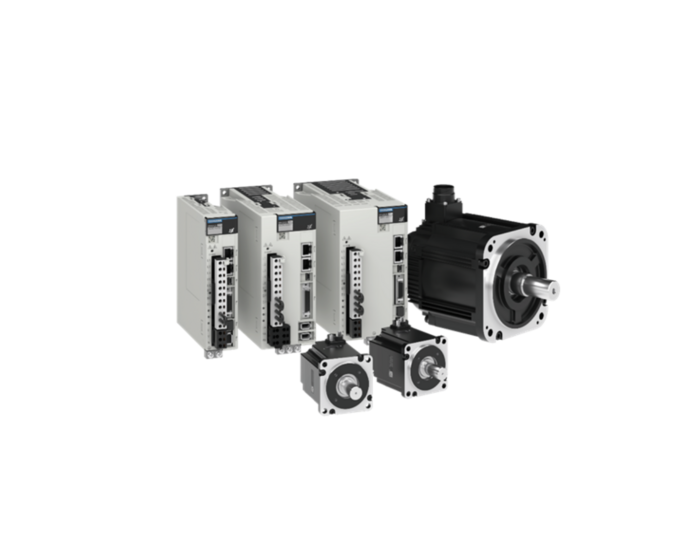
Σ-X Series AC Servo|High-Speed, 26-Bit Precision Servo for Smart Factories & Predictive Maintenance

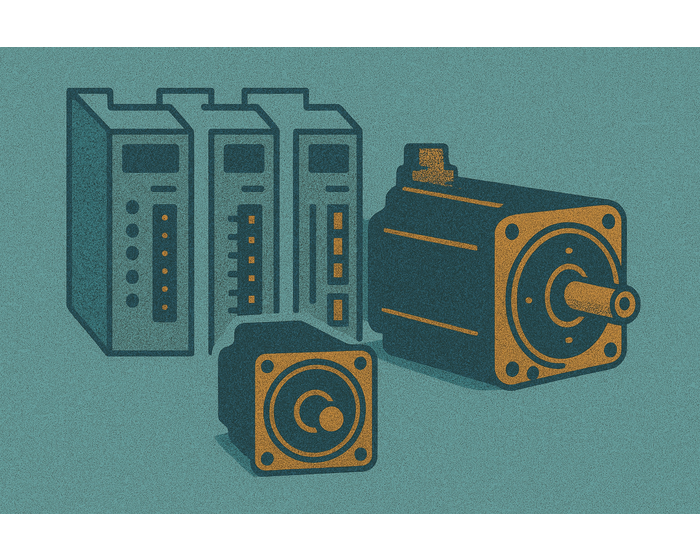
YASKAWA’s Σ-X Series is a next-generation AC servo system offering cutting-edge motion control and real-time data integration. With 3.5 kHz frequency response, 26-bit encoder resolution, and compatibility with AI analysis tools, it's the ideal servo solution for Smart Factories aiming to boost speed, accuracy, and predictive maintenance. Building on the legacy of the Σ-7 series, the Σ-X Series enhances servo performance with faster acceleration response (3× improvement), increased motor speed (up to 7,000 rpm), and quadrupled resolution via a 26-bit encoder. It supports major industrial protocols like EtherCAT and MECHATROLINK-III/4, allowing seamless integration into modern automation systems. With real-time data feedback, the Σ-X Series enables condition monitoring and predictive maintenance, reducing downtime and improving long-term equipment reliability perfect for Thai factories focusing on Smart Factory transformation and precision control. ■ Key Features - Up to 7,000 rpm motor speed for high-speed equipment - Frequency response upgraded to 3.5 kHz for enhanced throughput - 26-bit high-resolution encoder (4× improvement over previous model) - Real-time data output enables AI-driven diagnostics and maintenance - Network-ready: supports MECHATROLINK-III/4, EtherCAT, and more - Backward compatible with Σ-7, simplifying upgrades ■ Model Specifications - SGMXA: 50W–1.0 kW, low inertia, high speed - SGMXJ: 50W–750W, medium inertia, high speed - SGMXG: 850W–7.5 kW, medium inertia, high torque ■ Ideal Applications - Semiconductor and electronics manufacturing systems - Multi-axis robots, laser cutters, and 3D printers - High-precision printing, packaging, coating, and inspection machines - Predictive maintenance in continuous operation environments - Clean, traceable operations in food and pharmaceutical industries The Σ-X Series is not just a servo it's a smart motion control platform powering the next evolution of manufacturing in Thailand and globally. ■ Download the detailed specs or contact us for more information. #SigmaXSeries #YaskawaServo #SmartFactory #ACServoMotor #MotionControl #HighSpeedServo #PredictiveMaintenance #IndustrialAutomation #FactoryAutomation #26BitEncoder

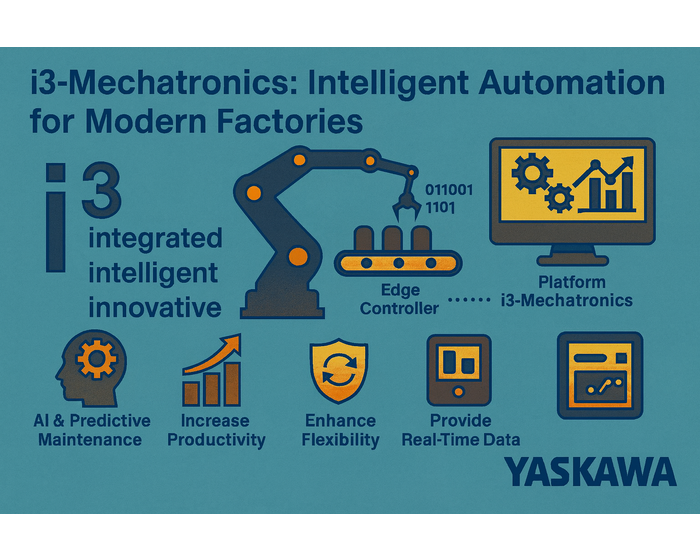
i³-Mechatronics Intelligent Automation System | Real-Time Data for Smarter Factories

i³-Mechatronics from YASKAWA integrates AI, IoT, and Big Data with advanced mechatronic devices to enable real-time, intelligent factory automation ideal for Smart Factory transformation. 1. What Is i³-Mechatronics? Developed by YASKAWA, i³-Mechatronics stands for -integrated-, -intelligent-, and -innovative-. It merges traditional mechatronics with cutting-edge digital technologies like IoT, AI, and Big Data to revolutionize factory operations. The system is designed to elevate efficiency in production, maintenance, and predictive analytics. 2. From Static to Smart Automation Unlike traditional automation that runs on rigid programming, i³-Mechatronics enables: - Real-time process adjustments - Predictive maintenance alerts - Higher accuracy with fewer human errors - Flexibility to adapt to product or process changes This real-time responsiveness makes it ideal for agile production environments. 3. Core Components of the System The i³-Mechatronics ecosystem includes: - Smart Devices: YASKAWA's servo motors, inverters, and robots with integrated sensors - Edge Controllers: On-site data processing for fast, local decision-making - i³ Platform: Centralized integration with SCADA, MES, and ERP systems - AI Analytics: Predicts failures and optimizes maintenance schedules These tools help manufacturers move toward predictive, not reactive, operations. 4. Benefits for Smart Manufacturers Factories using i³-Mechatronics benefit from: - Up to 30% reduced downtime - Enhanced OEE (Overall Equipment Effectiveness) - Proactive maintenance planning - Less reliance on skilled technicians - Real-time data for continuous improvement This makes it ideal for Thai factories facing labor shortages or high customization needs. 5. Why YASKAWA? With over 100 years of mechatronics experience, YASKAWA delivers a future-proof automation platform. The i³-Mechatronics suite is fully compatible with YASKAWA's robots, servos, and drives backed by expert service and support. #SmartFactory #AutomationThailand #PredictiveMaintenance #IndustrialRobots #Mechatronics #ThaiManufacturing #YASKAWA #IoTFactory #Factory4.0 #EdgeComputing

Robotic Welding System MOTOMAN|Precision Welding with Real-Time Tracking for Industrial Use

YASKAWA’s MOTOMAN robotic welding systems deliver high-speed, stable, and precision controlled welding ideal for automotive, machinery, and steel structure manufacturing, reducing scrap and labor dependency. 1. Why Welding Needs to Evolve Welding is critical in manufacturing sectors like automotive, motorcycle, steel structures, and machinery. Its quality directly affects product strength, safety, and longevity. However, relying solely on manual welding limits output due to: - Inconsistent weld quality - Fatigue from repetitive work - Training bottlenecks for skilled labor - Difficulty in real-time quality control Modern factories need automated solutions to meet rising quality and speed demands. 2. What Is a Robotic Welding System? A robotic welding system automates welding tasks using programmable robots, welding equipment, and integrated sensors. It ensures: - High consistency with repeatable control of temperature, speed, and angle - Real-time seam detection and auto-adjustments - Compatibility with multiple welding types like MIG, TIG, and Spot This results in less human error and greater operational stability. 3. Key Features of YASKAWA’s MOTOMAN Welding Robots YASKAWA’s welding robots are designed for industrial precision and flexibility. Their standout features include: - MOTOMAN series welding robots with multi-axis flexibility - Seam tracking sensors for auto-adjustment in real-time - Millimeter-level precision control for both positioning and weld force - Easy integration with PLCs, MES systems, and i³-Mechatronics - Support for multiple welding methods to suit varied applications - Built-in safety systems, such as collision detection and emergency stops These features reduce waste, downtime, and labor dependency. 4. Why Choose YASKAWA Welding Solutions? With over 100 years in mechatronics and electrical systems, YASKAWA offers not only high-performance hardware but also: - Offline simulation software for welding path testing - Custom control systems for factory-specific needs - Local Thai engineering support for setup and after sales services YASKAWA’s solutions support continuous operation, consistent quality, and faster project delivery ideal for factories facing labor shortages or aiming to boost productivity. #RoboticWelding #WeldingAutomation #MOTOMAN #IndustrialRobots #SmartFactory #ThaiManufacturing #PrecisionWelding #YASKAWA #SpotWelding #FactoryAutomation

Automated Welding Systems in Industry 4.0|Boosting Quality and Efficiency in Thai Manufacturing

Automated welding systems enhance speed, safety, and consistency—reducing defects and labor reliance. Ideal for industries like automotive and electronics in Thailand embracing Industry 4.0. 1. Manual Welding Limitations in Modern Manufacturing While manual welding remains essential for specialized tasks, it struggles with: - Inconsistent quality based on operator skill - Slower production compared to robotics - Health risks from heat, radiation, and fumes - Rising labor and training costs These challenges push factories to adopt automation for consistent, scalable output. 2. What Is an Automated Welding System? Automated welding replaces manual labor with robotic or machine-operated systems that precisely control parameters like speed, current, angle, and feed rate. Two main types exist: - Semi-Automatic Welding: Operator assists in some stages (e.g., part placement) - Fully Automatic Welding: Complete welding process handled by the machine Both options improve accuracy and repeatability, supporting lean manufacturing goals. 3. Key Benefits of Welding Automation Automating welding operations provides: - Consistent, defect-free welds - Faster production cycles - Lower safety risks in hazardous environments - Long-term cost savings and productivity boosts - Precision control for intricate parts or high-tolerance workpieces This allows factories to meet both volume and quality demands. 4. What to Consider Before Automation Before upgrading to robotic welding, assess: - Workpiece complexity and variety - Production scale: High output justifies the investment - Skill levels: Staff must understand automation interfaces - Factory infrastructure: Space, power, and jigs must support robotic lines A proper feasibility study ensures a smooth transition. 5. Welding Automation Trends in Thailand Thailand is adopting welding automation rapidly, driven by Industry 4.0. Key sectors include: - Automotive & motorcycle: Mass production with precise welds - Electronics: Small, complex components requiring precision - Steel structures & metallurgy: Heavy-duty welding in high volumes Investments are growing in welding robots, CNC systems, and IIoT platforms, helping Thai factories compete globally. #WeldingAutomation #Industry40 #RoboticWelding #ThaiManufacturing #SmartFactory #CNCWelding #FactoryUpgrade #IIoT #ManufacturingThailand #PrecisionWelding

Collaborative Robots (Cobots) for Industry 4.0 | Safe Automation That Works Alongside Humans

Cobots help Thai factories enhance safety, flexibility, and efficiency by enabling humans and robots to work side by side ideal for SMEs and Smart Factory adoption in the Industry 4.0 era. 1. What Are Collaborative Robots (Cobots)? Collaborative Robots or Cobots are designed for direct interaction with humans without safety fences. Unlike traditional robots, Cobots stop immediately when contact is detected, thanks to built-in force sensors and motion controls. Key benefits include: - Safe, direct human collaboration - No need for safety cages - Easy teaching via manual arm guidance - Fast relocation for flexible line setups These make Cobots ideal for dynamic and space-constrained production environments. 2. Key Benefits of Cobots in Manufacturing - Boost Productivity: Cobots can run 24/7 without fatigue, reducing cycle time and increasing throughput. - Minimize Worker Fatigue & Risk: Assign Cobots repetitive or hazardous tasks like high-heat or chemical handling. - Improve Workplace Safety: Built-in sensors reduce the risk of injury from unexpected contact. - Reduce Infrastructure Costs: No protective fencing needed, saving floor space and setup costs. Perfect for factories adapting to high-mix, low-volume production. 3. Common Applications of Cobots Cobots fit seamlessly into diverse sectors, from small shops to large-scale operations: - Assembly: Part insertion, screw tightening in auto and electronics sectors - Pick-and-Place: Fast packaging or sorting lines - Quality Inspection (QC): Shape, size, or position checks using vision sensors - Machine Tending: Load/unload workpieces in CNC or drilling systems - Food & Pharma: Cleanroom operations requiring non-contaminating automation These applications reduce errors while maintaining hygiene and consistency. 4. What to Consider Before Installing Cobots Key factors for successful deployment: - Task Type: Ideal for precision over heavy-duty force - Payload Capacity: Must align with part weight - Reach Radius: Sufficient for workstation layout - Integration Compatibility: Should work with conveyors, CNCs, or QC systems - User-Friendly Programming: Simplified teaching tools enable staff to operate without coding skills Pilot tests ensure smooth integration with minimal disruption. 5. Cobot Adoption Trends in Thailand’s Industry 4.0 Thailand is seeing rapid Cobot growth, especially in: - SMEs/startups automating within budget - Manufacturers facing skilled labor shortages - Exporters needing ISO-compliant production lines Cobots are increasingly paired with IoT, AI, and MES systems—pushing Thai factories toward Smart Factory status. #CollaborativeRobots #CobotsThailand #SmartFactory #FactoryAutomation #ThaiManufacturing #Industry40 #FlexibleManufacturing #AutomationForSMEs #RobotSafety #FactoryUpgrade

Actuators in Autonomous Robots|The Driving Force Behind Precision and Productivity

Actuators in Autonomous Robots | The Driving Force Behind Precision and Productivity Actuators are essential for robot movement and control. From electric to smart actuators, choosing the right type directly impacts robotic precision, speed, and system efficiency—crucial for Industry 4.0 automation. 1. What Is an Actuator in Robotics? Actuators are the “muscles” of autonomous robots, converting signals (electrical, pneumatic, or hydraulic) into motion. They power joints, grippers, and drive systems—impacting speed, accuracy, and flexibility. Common types include: - Electric Actuators: Ideal for precision speed and position control - Pneumatic Actuators: Lightweight and quick, suitable for high-speed operations - Hydraulic Actuators: High force for heavy-duty tasks - Smart Actuators: Built-in sensors and IoT connectivity for real-time feedback and diagnostics Choosing the right actuator ensures smooth robot function and operational reliability. 2. How to Choose the Right Actuator Performance, safety, and efficiency hinge on actuator selection. Key criteria: - Drive Torque/Force: Match task load and movement needs - Precision Control: High-resolution feedback for accuracy - Environment: Must handle heat, dust, moisture, or flammable zones - Durability: Continuous use without failure - Connectivity: Integration with PLCs, SCADA, or IoT systems Smart actuators make it easier to implement real-time monitoring and predictive maintenance. 3. Practical Applications of Actuators in Robots Different robot types require tailored actuator characteristics: - Assembly Robots: Electric actuators enable micron-level tightening and placement - Transport Robots: Rugged actuators support lifting and precise movement - Inspection Robots: Servo motors ensure stable, ultra-fine adjustments - Medical Robots: Specialized, quiet actuators are ideal for clean, compact environments In all cases, motion repeatability, responsiveness, and smoothness define success. 4. Actuator Trends in Robotics Innovation Modern actuator development focuses on: - Lightweight high-output materials for mobile robots - Precision encoders for nanometer-level control - Self-diagnostic features in smart actuators - Collaborative safety features for Cobots and flexible automation In battery-powered mobile and AI-integrated autonomous robots, energy-efficient and smart actuators are increasingly vital. #Actuators #SmartAutomation #AutonomousRobots #RobotPrecision #FactoryAutomation #ThaiManufacturing #MotionControl #ServoMotor #Industry40 #SmartFactory

What Is a Servo Motor?|Basics of Position, Speed, and Torque Control in Automation

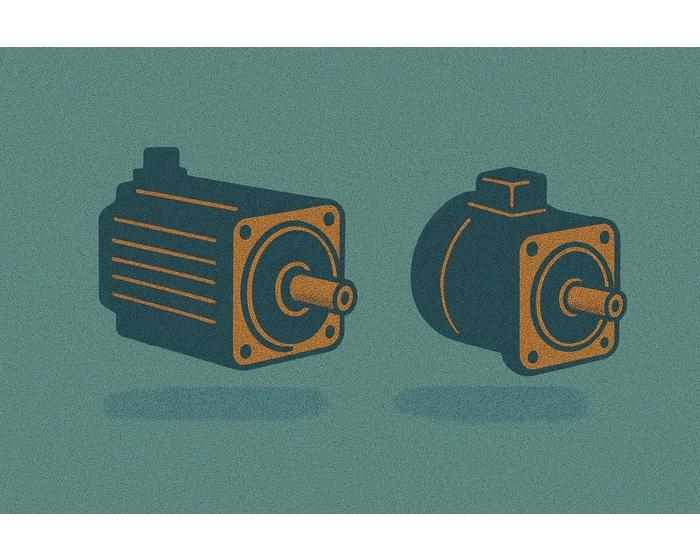
Servo motors provide high-precision control of position, speed, and torque ideal for automation systems like robots, CNC machines, and packaging lines. Understanding their structure and control logic is key to factory efficiency. 1. What Is a Servo Motor? A servo motor is a high-precision motor that adjusts its movement in real time based on command signals. It integrates sensors like encoders to detect position and speed, enabling closed-loop control for stable and accurate motion. Common applications include: - Industrial Robots - CNC Machines - Automated Conveyors - Packaging Lines - Inspection Equipment Unlike general-purpose motors, servo motors deliver smooth, exact movements even under variable loads. 2. Key Components of a Servo Motor System - Motor Body: Usually a brushless AC motor for high efficiency and low maintenance - Encoder (Feedback Sensor): Monitors position and speed; comes in absolute or incremental types - Servo Amplifier (Driver): Powers the motor and executes real-time feedback adjustments based on control signals These components combine for ultra-precise, responsive automation. 3. How Servo Motors Control Movement Servo motors use closed-loop feedback control. Main control types include: - Position Control: Moves the motor to exact coordinates (e.g., robotic arm placement) - Speed Control: Maintains consistent speed despite load changes (e.g., conveyors) - Torque Control: Manages output torque for processes like screw tightening Many systems allow switching between modes based on production requirements. 4. Pros and Cons of Using Servo Motors Benefits: - Micron-Level Precision: Ideal for fine-tuned automation tasks - Consistent Speed: Maintains speed even under varying load - High Responsiveness: Quickly reacts to control signals Considerations: - System Complexity: Requires encoder and driver configuration - Cost vs. Need: May be overkill for basic tasks needing only simple motor movement Best used in applications requiring dynamic control and accuracy. #ServoMotor #FactoryAutomation #MotionControl #SmartFactory #ThaiManufacturing #ServoDrive #CNCControl #RoboticMotion #PrecisionMachinery #Industry40

Inverter Basics for Motor Control|Power Conversion Principles and Industrial Applications

Inverters convert DC to AC and control motor speed via frequency modulation. Essential in factories, appliances, and EVs, they reduce power use, extend equipment life, and enable precise speed control. 1. What Is an Inverter and How Does It Work? An inverter is a power electronic device that converts DC to AC, allowing motor speed control by adjusting output frequency and voltage. Basic Structure: - Rectifier Unit: Converts AC to DC - Smoothing Circuit: Stabilizes DC voltage with capacitors - Inverter Section: Uses switching devices (IGBT, MOSFET) to create AC - Control Unit: CPU/DSP calculates and issues control signals Inverters enable AC motor control beyond the limits of standard 50/60 Hz grid power. 2. How Inverters Control Motors: PWM and Frequency Modulation Most inverters use PWM (Pulse Width Modulation) to synthesize AC signals from DC. By switching power on/off at high speed and adjusting duty cycles, they control motor speed and torque. Control Methods: - V/f Control: Adjusts voltage/frequency ratio - Vector Control: Enhances torque control and speed response - Sensorless Control: Uses motor characteristics to estimate speed without external sensors These methods improve motor performance while reducing energy waste. 3. Where Are Inverters Used? Industrial Applications: - Motors: Pumps, fans, conveyors, compressors - Elevators: Smooth and efficient motor operation Consumer Electronics: - Air conditioners, refrigerators, washing machines: Energy-saving speed control Electric Vehicles (EVs/HEVs): - Converts battery DC to 3-phase AC for motor drive Benefits: - Up to 30–40% energy savings in motor applications - Reduced mechanical shock (soft start/stop) - Prolonged equipment lifespan - Improved process control and production flexibility 4. Challenges and Key Design Considerations Harmonics & EMC Noise: Switching creates electrical noise mitigate with shielded cables and filters Heat Management: Inverter circuits generate heat design with fans and heat sinks Surge Protection: Startup and lightning can cause inrush protect with breakers or surge absorbers Load Matching: Inverter must match the motor size, voltage, and operation mode to avoid overloading Proper analysis of operating environment and load conditions ensures stable, efficient use. #InverterControl #MotorDrives #IndustrialAutomation #PowerConversion #ThaiManufacturing #SmartFactory #VFD #EnergySaving #FactoryEfficiency #PWMControl

Arc Welding Robot|Enhance Welding Safety and Stability in Production

Arc welding robots eliminate safety risks such as burns and fume exposure, while delivering consistent, high-quality welds. They are a smart investment for factories facing labor shortages and demanding productivity targets. 1. Welding Safety Risks and Industry Challenges Manual arc welding exposes workers to: - High temperatures and electrical currents - Eye damage from UV light - Toxic welding fumes - Accidents from awkward postures or working at heights With Thailand’s aging workforce and skilled labor shortages, factories face increasing workplace accidents and inconsistent quality. 2. Safety Advantages of Arc Welding Robots Arc welding robots significantly enhance workplace safety: - No direct exposure to arcs, heat, or fumes - Fewer injuries from electric shock or burns - Stable movement control eliminates misoperation risks - Enhanced safety with light curtains, sensors, and barriers These robots allow staff to focus on programming and monitoring, not physical welding, resulting in a safer, more controlled environment. 3. Consistent Quality and Higher Productivity Manual welds can vary by worker skill, leading to: - Inconsistent bead shape - Defects or rework - Slower production Arc welding robots overcome these issues: - Uniform welds with repeatable path control - Precise adjustments to speed, penetration, and bead profile - Mass production capability without quality drops Result: lower defect rates, higher OEE (Overall Equipment Effectiveness), and reduced total costs. 4. Better Work Environment and Labor Efficiency Automated welding lines improve overall factory conditions: - Workers manage parameters, not manual welding - Reduced exposure to high-heat zones and fatigue - Robots work night shifts or long hours, easing labor demands This approach supports human-robot collaboration, aligning with Industry 4.0 initiatives in Thai factories. #ArcWeldingRobot #WeldingSafety #RobotAutomation #SmartFactory #ThaiManufacturing #FactoryUpgrade #LaborShortageSolution #ConsistentWelds #AutomationThailand #RobotWelding

AC vs DC Servo Motors|Key Differences in Control, Structure, and Industrial Applications

Understanding the difference between AC and DC servo motors is essential for selecting the right drive system. AC types offer high precision and durability for industrial use, while DC motors suit compact, low-cost automation. 1. Basic Role of Servo Motors in Automation Servo motors enable precise control of motion position, speed, and torque via encoder feedback. Widely used in: - Industrial Robots - CNC Machines - Packaging Equipment - Automated Inspection Systems Two main types exist: - DC Servo Motors - AC Servo Motors Each serves different operational needs. 2. DC Servo Motors: Simple, Responsive, and Low-Cost Structure: Brushed motor with commutator Control: Simple PWM-based speed/torque control Applications: - Educational robotics - Small automation prototypes - Short-term or low-load tasks Advantages: - Fast responsiveness - Easy setup and tuning Limitations: - Brushes wear out over time (requires maintenance) - Unsuitable for high-speed or heavy-load operation DC motors are ideal for compact, low-budget systems not requiring continuous use. 3. AC Servo Motors: High-Precision, Durable, and Industrial-Grade Structure: Brushless motor (BLDC or AC synchronous) Control: Advanced methods like vector control and FOC (Field-Oriented Control) Applications: - Industrial automation lines - Robotic arms - CNC and packaging machines - Continuous high-load operations Advantages: - High accuracy and speed - Long service life with no brush maintenance - Stable performance in variable load conditions Challenges: - Higher system cost - Complex integration AC servo motors dominate factory environments due to reliability and scalability. 4. How to Choose Between AC and DC Servo Motors DC Servo Motor ✔ Best for: Low-budget, short-duration use ✔ Simple to implement ⚠ Requires regular maintenance AC Servo Motor ✔ Best for: High-precision, long-running industrial tasks ✔ Maintenance-free, ideal for continuous automation ⚠ Higher initial setup cost Recommendation: For long-term ROI, high-performance needs, or Industry 4.0 systems, AC servo motors are the superior choice. #ACServoMotor #DCServoMotor #MotionControl #ThaiManufacturing #FactoryAutomation #ServoMotorThailand #SmartFactory #MotorSelection #IndustrialRobots #AutomationTechnology

Automation Solutions for Small Factories|Improve Productivity with Case Studies from Thailand

How to Improve Productivity Through Automation|A Guide with Case Studies from Small Factories For small and medium-sized manufacturers facing labor shortages and quality challenges, automation is a critical business decision. This article explores the feasibility and effectiveness of automation through real-world examples and provides guidance on how to implement it in a way that suits your operations. 1. Challenges Faced by Small and Medium Manufacturers The manufacturing environment has changed significantly in recent years. Small-scale factories in particular face challenges such as: - Declining numbers of young workers - Difficulty passing on skills due to retirements - Increased setup times from high-mix, low-volume production - Inconsistent quality due to reliance on individual workers As a result, many are beginning to automate parts or all of their production lines. However, small factories must make careful investment decisions unlike their larger counterparts. 2. Benefits and Feasibility of Automation Even small factories can see real benefits from gradual automation, including: - Labor savings and cost optimization - Reduced defect rates through standardized work - Improved visibility through production data - Ability to focus workers on more skilled tasks For example, automating repetitive tasks in transport, assembly, or inspection can boost productivity without requiring a large investment. 3. Real-Life Case Studies from Small Factories in Thailand Case 1: Metal Parts Processing Plant (Approx. 30 Employees) Issue: Manual sorting of pressed parts caused fatigue and inconsistency Solution: Introduced a small robot to automate tray arrangement Result: Saved one worker and reduced line stoppages Case 2: Electronics Assembly Factory (Approx. 50 Employees) Issue: Manual screw fastening on PCBs caused defects Solution: Installed screw-fastening robots with torque control Result: Improved quality and reduced processing time per unit The key takeaway: automation doesn't mean replacing everything—it means improving specific pain points. 4. Key Approaches for Successful Automation Successful companies tend to follow these principles: - Start small and measure results - Design systems that integrate with current workers - Choose equipment compatible with existing lines - Establish partnerships with experienced integrators or vendors early Early consultation with technical partners is crucial for minimizing risks and ensuring a smooth implementation. #FactoryAutomation #SMEThailand #RobotIntegration #ManufacturingProductivity #ThaiIndustry #AutomationCaseStudy #HighMixLowVolume #SmartFactory #LaborSaving #FactoryUpgrade

Collaborative Robot Structure|Benefits, Productivity Gains & Safety Implementation

Collaborative robots (Cobots) are transforming manufacturing by working safely alongside humans. This article explores their core structure and the productivity, efficiency, and cost benefits they offer. ■ What is a Collaborative Robot? A Collaborative Robot (Cobot) is engineered to operate safely in shared spaces with humans no protective fencing required. They are ideal for addressing workforce shortages and supporting aging populations in the manufacturing sector. - Compliant with ISO 10218 and ISO/TS 15066 - Integrated torque sensors and force limiters for safe operation - Easy to install, flexible to deploy in diverse environments ■ Basic Structure of Collaborative Robots Collaborative robots are composed of the following essential components: - Arm (Multi-joint Axis Structure) Typically 6- or 7-axis, mimicking human arm motion for high flexibility - Sensor System Torque and force sensors detect abnormal forces or contact, enabling automatic halts - Control Unit Manages safety, collaboration logic, and task execution; increasingly AI-enhanced - End Effector Attachments like grippers, screwdrivers, or tool changers for tasks such as assembly, inspection, and transport - User Interface Tablets or teaching pendants allow quick onboarding for beginners with intuitive UIs ■ Tangible Benefits of Implementation Implementing Cobots in production lines delivers the following business results: - Addressing Labor Shortages Automate repetitive tasks and reassign staff to high-value operations - Adaptability for Small-Batch Production Simple programming and mobility support rapid changeovers and product variation - Improved Safety and Lower Compliance Costs Built-in safety functions reduce the need for physical safety barriers and extensive risk zoning - Stable and Repeatable Quality Minimize human error, maintain consistent output, and reduce defect rates ■ Key Considerations Before Adoption To maximize ROI and operational effectiveness, companies must: 1. Conduct Risk Assessment Ensure compliance with international standards and adapt to the physical workspace 2. Evaluate Task Compatibility Automate only suitable processes to avoid inefficiencies and underutilization 3. Design Human-Robot Interaction Map workflows and define clear roles to foster seamless cooperation between robots and workers #CollaborativeRobot #Cobot #ManufacturingAutomation #WorkplaceSafety #FlexibleProduction #SmartFactory #LaborShortageSolutions #ISO10218 #HumanRobotCollaboration #FactoryEfficiency

Benefits of Servo Motor Systems in Precision Manufacturing|Enhance Speed, Accuracy, and Automation

A servo motor system precisely controls position, speed, and torque using feedback from sensors to adjust in real time. With a servo drive, the motor continuously self-corrects based on desired inputs, enabling extremely accurate movements and efficient operation. Key Benefits of Servo Motors in Manufacturing Control 1. High Positioning Accuracy - Enables movement precision down to micrometers - Ideal for operations like cutting, drilling, and robotic assembly 2. Fast Response and Shorter Cycle Time - Millisecond-level reaction time to control commands - Reduces downtime and increases throughput on automated lines 3. Stable Torque Output Despite Load Variations - Maintains consistent performance under fluctuating loads - Prevents damage due to force imbalances and mechanical stress 4. Energy Efficiency for Sustainable Operations - Demand-driven operation means it uses only the power needed - Significantly lowers electricity costs in continuous processes 5. Flexible Integration with Automation Systems - Compatible with PLCs, SCADA, robots, and motion controllers - A core component of modern smart factory infrastructure Real-World Industrial Applications - High-Speed Conveyor Lines: Need exact stop-start sequences - Robotic Arms: Precision motion in multiple axes - Automated Packaging Machines: Synchronization in filling, labeling, and sealing #ServoMotor #PrecisionControl #SmartFactory #IndustrialAutomation #MotionControl #EnergyEfficient #OEM #PLCIntegration #FactoryUpgrade

Human-Robot Safety in Cobots|ISO Standards and Risk Protocols for Safe Collaboration

Collaborative robots (cobots) are transforming modern manufacturing by enabling humans and robots to work side-by-side safely. This article outlines key ISO safety standards, risk assessment protocols, and smart safety technologies critical for safe human-robot interaction. Understanding Cobot Safety Standards To ensure worker protection without traditional safety fencing, cobots must comply with globally recognized safety frameworks: 📌 ISO 10218: The foundational standard for industrial robot safety, outlining four collaborative modes: 1. Safety-rated monitored stop 2. Hand guiding 3. Speed and separation monitoring 4. Power and force limiting 📌 ISO/TS 15066: Adds detailed safety parameters specific to human-robot collaboration, including biomechanical limits on contact forces and pressures based on body zones. Risk Assessment: ISO 12100 Approach Implementing cobots safely starts with a structured risk assessment framework: 1. Hazard Identification: Analyze potential injury sources like crushing, cutting, entanglement, and collision 2. Risk Evaluation: Measure severity, exposure frequency, and possibility of avoidance 3. Risk Reduction: Apply protective measures via - Inherently safe design - Engineering controls (e.g., interlocks) - Additional protective equipment This ensures every risk is addressed before deployment. Cobot Safety Technologies ✅ Force Limiting Built-in torque sensors and force control algorithms allow cobots to detect contact and reduce force instantly keeping impacts below human-safe limits. ✅ Speed and Separation Monitoring Using motion tracking and zone monitoring, cobots dynamically slow down or stop as humans approach. This adaptive “safety bubble” maintains a safe working distance at all times. ✅ Collision Detection Combining joint torque monitoring, external sensors, and vision systems enables cobots to respond within milliseconds to accidental contact halting operation immediately. These technologies eliminate the need for protective cages while ensuring operator safety. Benefits for Industry - Flexibility: Cobots can share workspace with humans, reducing floor space needs - Efficiency: No need to shut down lines for safety fences - Safety: Maintains compliance with global standards like ISO 10218 and ISO/TS 15066 - Future-Proofing: Designed for Industry 4.0 integration #CollaborativeRobots #CobotSafety #ISOSafetyStandards #FactoryAutomation #HumanRobotInteraction #RiskAssessment #Industry40 #ThailandManufacturing #RobotSafetyProtocols

CONTACT

Inquiry

This is the inquiry form for YASKAWA ELECTRIC (THAILAND) CO., LTD.. Please enter your inquiry.

This service is intended to provide consultation and opinion requests for processing projects.
Please do not use this information for self-promotion or sales activities.
If we receive a complaint from a recipient about the contents of the transmission, we may take measures such as forcibly stopping the use of the service.

Inquiry Type*Required
Message*Required
Attach file

Only image (jpeg, jpg, gif, png, pdf) and compressed file (zip, lzh) extensions are valid. Maximum file size 10MB