
YASKAWA ELECTRIC (THAILAND) CO., LTD.
SERVICE
Production Goods & Services
Automation Solutions for Small Factories|Improve Productivity with Case Studies from Thailand

Product Info
How to Improve Productivity Through Automation|A Guide with Case Studies from Small Factories
For small and medium-sized manufacturers facing labor shortages and quality challenges, automation is a critical business decision. This article explores the feasibility and effectiveness of automation through real-world examples and provides guidance on how to implement it in a way that suits your operations.
1. Challenges Faced by Small and Medium Manufacturers
The manufacturing environment has changed significantly in recent years. Small-scale factories in particular face challenges such as:
- Declining numbers of young workers
- Difficulty passing on skills due to retirements
- Increased setup times from high-mix, low-volume production
- Inconsistent quality due to reliance on individual workers
As a result, many are beginning to automate parts or all of their production lines. However, small factories must make careful investment decisions unlike their larger counterparts.
2. Benefits and Feasibility of Automation
Even small factories can see real benefits from gradual automation, including:
- Labor savings and cost optimization
- Reduced defect rates through standardized work
- Improved visibility through production data
- Ability to focus workers on more skilled tasks
For example, automating repetitive tasks in transport, assembly, or inspection can boost productivity without requiring a large investment.
3. Real-Life Case Studies from Small Factories in Thailand
Case 1: Metal Parts Processing Plant (Approx. 30 Employees)
Issue: Manual sorting of pressed parts caused fatigue and inconsistency
Solution: Introduced a small robot to automate tray arrangement
Result: Saved one worker and reduced line stoppages
Case 2: Electronics Assembly Factory (Approx. 50 Employees)
Issue: Manual screw fastening on PCBs caused defects
Solution: Installed screw-fastening robots with torque control
Result: Improved quality and reduced processing time per unit
The key takeaway: automation doesn't mean replacing everything—it means improving specific pain points.
4. Key Approaches for Successful Automation
Successful companies tend to follow these principles:
- Start small and measure results
- Design systems that integrate with current workers
- Choose equipment compatible with existing lines
- Establish partnerships with experienced integrators or vendors early
Early consultation with technical partners is crucial for minimizing risks and ensuring a smooth implementation.
#FactoryAutomation #SMEThailand #RobotIntegration #ManufacturingProductivity #ThaiIndustry #AutomationCaseStudy #HighMixLowVolume #SmartFactory #LaborSaving #FactoryUpgrade
CATALOG
Related Catalogs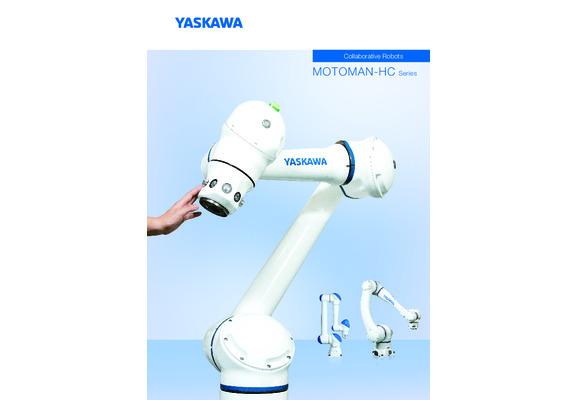

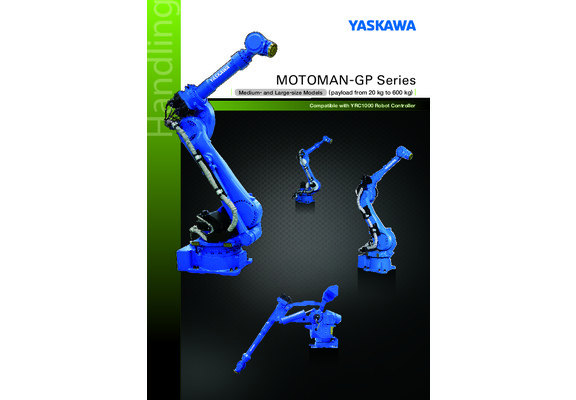

CONTACT
Inquiry