
YASKAWA ELECTRIC (THAILAND) CO., LTD.
SERVICE
Production Goods & Services
Actuators in Autonomous Robots|The Driving Force Behind Precision and Productivity
Product Info
Actuators in Autonomous Robots | The Driving Force Behind Precision and Productivity
Actuators are essential for robot movement and control. From electric to smart actuators, choosing the right type directly impacts robotic precision, speed, and system efficiency—crucial for Industry 4.0 automation.
1. What Is an Actuator in Robotics?
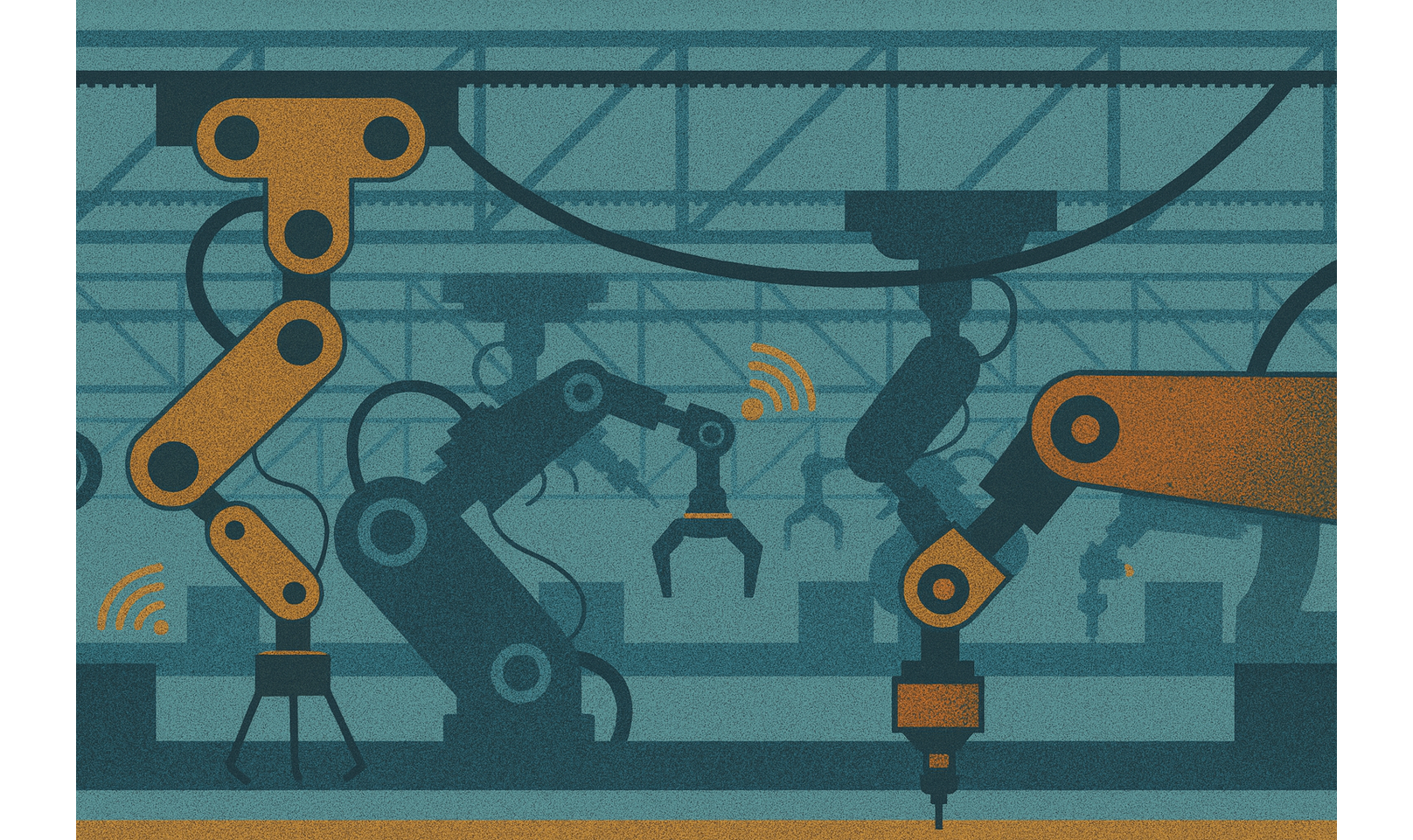
Actuators are the “muscles” of autonomous robots, converting signals (electrical, pneumatic, or hydraulic) into motion. They power joints, grippers, and drive systems—impacting speed, accuracy, and flexibility.
Common types include:
- Electric Actuators: Ideal for precision speed and position control
- Pneumatic Actuators: Lightweight and quick, suitable for high-speed operations
- Hydraulic Actuators: High force for heavy-duty tasks
- Smart Actuators: Built-in sensors and IoT connectivity for real-time feedback and diagnostics
Choosing the right actuator ensures smooth robot function and operational reliability.
2. How to Choose the Right Actuator
Performance, safety, and efficiency hinge on actuator selection. Key criteria:
- Drive Torque/Force: Match task load and movement needs
- Precision Control: High-resolution feedback for accuracy
- Environment: Must handle heat, dust, moisture, or flammable zones
- Durability: Continuous use without failure
- Connectivity: Integration with PLCs, SCADA, or IoT systems
Smart actuators make it easier to implement real-time monitoring and predictive maintenance.
3. Practical Applications of Actuators in Robots
Different robot types require tailored actuator characteristics:
- Assembly Robots: Electric actuators enable micron-level tightening and placement
- Transport Robots: Rugged actuators support lifting and precise movement
- Inspection Robots: Servo motors ensure stable, ultra-fine adjustments
- Medical Robots: Specialized, quiet actuators are ideal for clean, compact environments
In all cases, motion repeatability, responsiveness, and smoothness define success.
4. Actuator Trends in Robotics Innovation
Modern actuator development focuses on:
- Lightweight high-output materials for mobile robots
- Precision encoders for nanometer-level control
- Self-diagnostic features in smart actuators
- Collaborative safety features for Cobots and flexible automation
In battery-powered mobile and AI-integrated autonomous robots, energy-efficient and smart actuators are increasingly vital.
#Actuators #SmartAutomation #AutonomousRobots #RobotPrecision #FactoryAutomation #ThaiManufacturing #MotionControl #ServoMotor #Industry40 #SmartFactory
CATALOG
Related Catalogs

CONTACT
Inquiry