
YASKAWA ELECTRIC (THAILAND) CO., LTD.
SERVICE
Production Goods & Services
Inverter Basics for Motor Control|Power Conversion Principles and Industrial Applications
Product Info
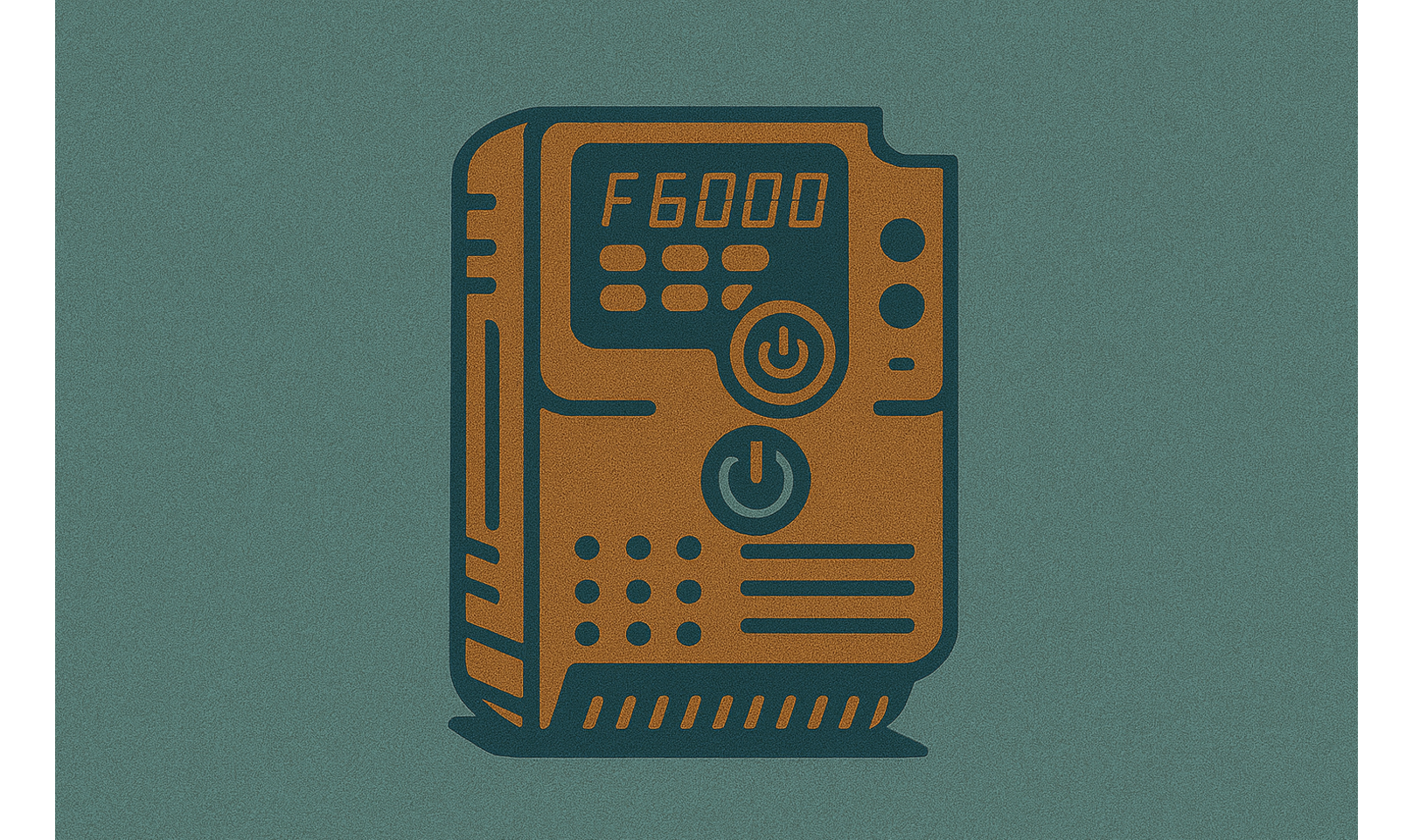
Inverters convert DC to AC and control motor speed via frequency modulation. Essential in factories, appliances, and EVs, they reduce power use, extend equipment life, and enable precise speed control.
1. What Is an Inverter and How Does It Work?
An inverter is a power electronic device that converts DC to AC, allowing motor speed control by adjusting output frequency and voltage.
Basic Structure:
- Rectifier Unit: Converts AC to DC
- Smoothing Circuit: Stabilizes DC voltage with capacitors
- Inverter Section: Uses switching devices (IGBT, MOSFET) to create AC
- Control Unit: CPU/DSP calculates and issues control signals
Inverters enable AC motor control beyond the limits of standard 50/60 Hz grid power.
2. How Inverters Control Motors: PWM and Frequency Modulation
Most inverters use PWM (Pulse Width Modulation) to synthesize AC signals from DC. By switching power on/off at high speed and adjusting duty cycles, they control motor speed and torque.
Control Methods:
- V/f Control: Adjusts voltage/frequency ratio
- Vector Control: Enhances torque control and speed response
- Sensorless Control: Uses motor characteristics to estimate speed without external sensors
These methods improve motor performance while reducing energy waste.
3. Where Are Inverters Used?
Industrial Applications:
- Motors: Pumps, fans, conveyors, compressors
- Elevators: Smooth and efficient motor operation
Consumer Electronics:
- Air conditioners, refrigerators, washing machines: Energy-saving speed control
Electric Vehicles (EVs/HEVs):
- Converts battery DC to 3-phase AC for motor drive
Benefits:
- Up to 30–40% energy savings in motor applications
- Reduced mechanical shock (soft start/stop)
- Prolonged equipment lifespan
- Improved process control and production flexibility
4. Challenges and Key Design Considerations
Harmonics & EMC Noise: Switching creates electrical noise mitigate with shielded cables and filters
Heat Management: Inverter circuits generate heat design with fans and heat sinks
Surge Protection: Startup and lightning can cause inrush protect with breakers or surge absorbers
Load Matching: Inverter must match the motor size, voltage, and operation mode to avoid overloading
Proper analysis of operating environment and load conditions ensures stable, efficient use.
#InverterControl #MotorDrives #IndustrialAutomation #PowerConversion #ThaiManufacturing #SmartFactory #VFD #EnergySaving #FactoryEfficiency #PWMControl
CATALOG
Related Catalogs
CONTACT
Inquiry