
YASKAWA ELECTRIC (THAILAND) CO., LTD.
SERVICE
Production Goods & Services
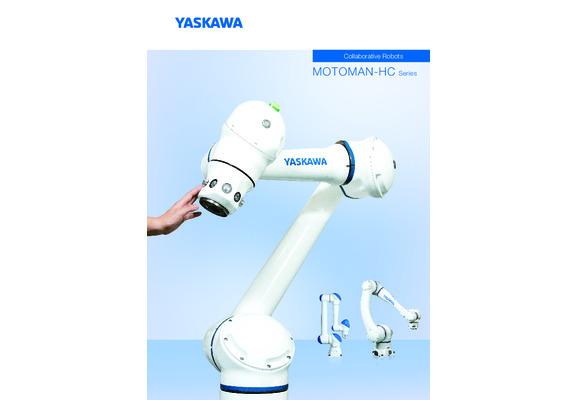
Collaborative Robot Structure|Benefits, Productivity Gains & Safety Implementation

Product Info
Collaborative robots (Cobots) are transforming manufacturing by working safely alongside humans. This article explores their core structure and the productivity, efficiency, and cost benefits they offer.
■ What is a Collaborative Robot?
A Collaborative Robot (Cobot) is engineered to operate safely in shared spaces with humans no protective fencing required. They are ideal for addressing workforce shortages and supporting aging populations in the manufacturing sector.
- Compliant with ISO 10218 and ISO/TS 15066
- Integrated torque sensors and force limiters for safe operation
- Easy to install, flexible to deploy in diverse environments
■ Basic Structure of Collaborative Robots
Collaborative robots are composed of the following essential components:
- Arm (Multi-joint Axis Structure)
Typically 6- or 7-axis, mimicking human arm motion for high flexibility
- Sensor System
Torque and force sensors detect abnormal forces or contact, enabling automatic halts
- Control Unit
Manages safety, collaboration logic, and task execution; increasingly AI-enhanced
- End Effector
Attachments like grippers, screwdrivers, or tool changers for tasks such as assembly, inspection, and transport
- User Interface
Tablets or teaching pendants allow quick onboarding for beginners with intuitive UIs
■ Tangible Benefits of Implementation
Implementing Cobots in production lines delivers the following business results:
- Addressing Labor Shortages
Automate repetitive tasks and reassign staff to high-value operations
- Adaptability for Small-Batch Production
Simple programming and mobility support rapid changeovers and product variation
- Improved Safety and Lower Compliance Costs
Built-in safety functions reduce the need for physical safety barriers and extensive risk zoning
- Stable and Repeatable Quality
Minimize human error, maintain consistent output, and reduce defect rates
■ Key Considerations Before Adoption
To maximize ROI and operational effectiveness, companies must:
1. Conduct Risk Assessment
Ensure compliance with international standards and adapt to the physical workspace
2. Evaluate Task Compatibility
Automate only suitable processes to avoid inefficiencies and underutilization
3. Design Human-Robot Interaction
Map workflows and define clear roles to foster seamless cooperation between robots and workers
#CollaborativeRobot #Cobot #ManufacturingAutomation #WorkplaceSafety #FlexibleProduction #SmartFactory #LaborShortageSolutions #ISO10218 #HumanRobotCollaboration #FactoryEfficiency
CATALOG
Related Catalogs

CONTACT
Inquiry