
YASKAWA ELECTRIC (THAILAND) CO., LTD.
SERVICE
Production Goods & Services
Collaborative Robots (Cobots) for Industry 4.0 | Safe Automation That Works Alongside Humans

Product Info
Cobots help Thai factories enhance safety, flexibility, and efficiency by enabling humans and robots to work side by side ideal for SMEs and Smart Factory adoption in the Industry 4.0 era.
1. What Are Collaborative Robots (Cobots)?
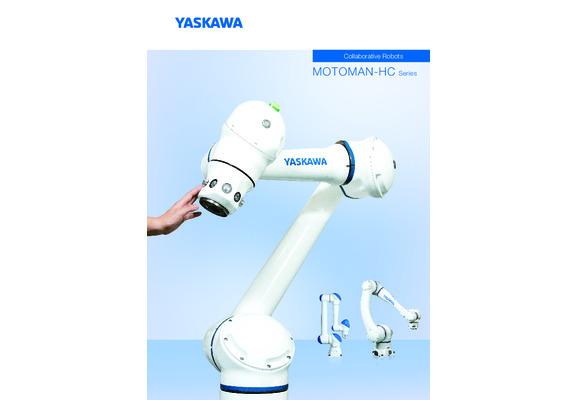
Collaborative Robots or Cobots are designed for direct interaction with humans without safety fences. Unlike traditional robots, Cobots stop immediately when contact is detected, thanks to built-in force sensors and motion controls.
Key benefits include:
- Safe, direct human collaboration
- No need for safety cages
- Easy teaching via manual arm guidance
- Fast relocation for flexible line setups
These make Cobots ideal for dynamic and space-constrained production environments.
2. Key Benefits of Cobots in Manufacturing
- Boost Productivity: Cobots can run 24/7 without fatigue, reducing cycle time and increasing throughput.
- Minimize Worker Fatigue & Risk: Assign Cobots repetitive or hazardous tasks like high-heat or chemical handling.
- Improve Workplace Safety: Built-in sensors reduce the risk of injury from unexpected contact.
- Reduce Infrastructure Costs: No protective fencing needed, saving floor space and setup costs.
Perfect for factories adapting to high-mix, low-volume production.
3. Common Applications of Cobots
Cobots fit seamlessly into diverse sectors, from small shops to large-scale operations:
- Assembly: Part insertion, screw tightening in auto and electronics sectors
- Pick-and-Place: Fast packaging or sorting lines
- Quality Inspection (QC): Shape, size, or position checks using vision sensors
- Machine Tending: Load/unload workpieces in CNC or drilling systems
- Food & Pharma: Cleanroom operations requiring non-contaminating automation
These applications reduce errors while maintaining hygiene and consistency.
4. What to Consider Before Installing Cobots
Key factors for successful deployment:
- Task Type: Ideal for precision over heavy-duty force
- Payload Capacity: Must align with part weight
- Reach Radius: Sufficient for workstation layout
- Integration Compatibility: Should work with conveyors, CNCs, or QC systems
- User-Friendly Programming: Simplified teaching tools enable staff to operate without coding skills
Pilot tests ensure smooth integration with minimal disruption.
5. Cobot Adoption Trends in Thailand’s Industry 4.0
Thailand is seeing rapid Cobot growth, especially in:
- SMEs/startups automating within budget
- Manufacturers facing skilled labor shortages
- Exporters needing ISO-compliant production lines
Cobots are increasingly paired with IoT, AI, and MES systems—pushing Thai factories toward Smart Factory status.
#CollaborativeRobots #CobotsThailand #SmartFactory #FactoryAutomation #ThaiManufacturing #Industry40 #FlexibleManufacturing #AutomationForSMEs #RobotSafety #FactoryUpgrade
CATALOG
Related Catalogs
CONTACT
Inquiry