Production Goods & Services

14hits

Narrow by category

Understanding Heat Treatment|Types, Processes, and Industrial Applications Explained

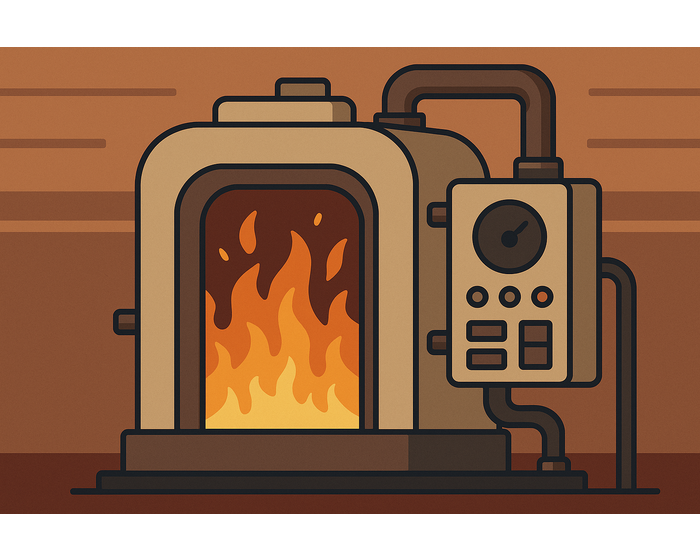
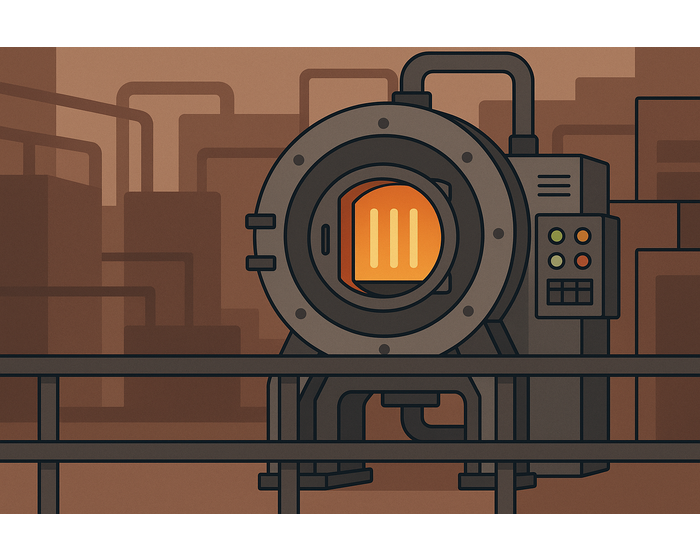
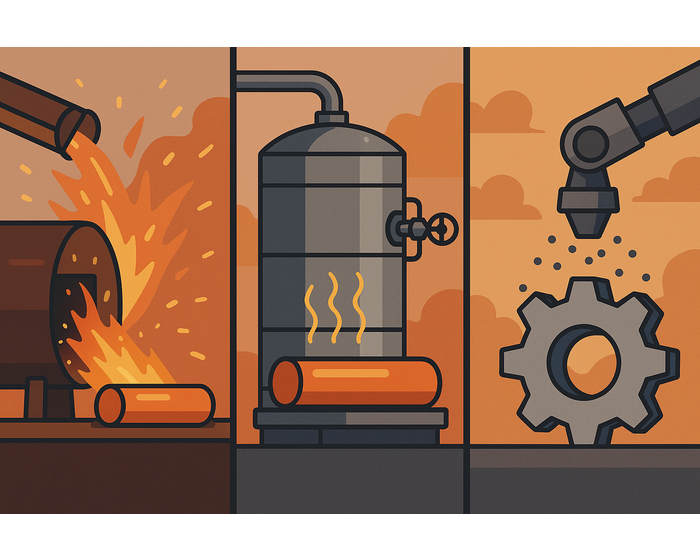
Heat treatment enhances metal strength, hardness, and fatigue resistance using precise thermal control. Learn the key types, benefits, and how Dowa Thermotech can help industries improve product performance and lifespan. What Is Heat Treatment? Heat treatment is a controlled thermal process that modifies the physical and chemical structure of metals and alloys to improve mechanical performance. It helps increase hardness, wear resistance, and toughness, making it essential in: - Automotive components (gears, shafts) - Aerospace parts (turbines, landing gear) - Tooling (molds, drills, dies) - Structural materials (rails, bridges) Main Types of Heat Treatment 1. Annealing - Purpose: Soften metal, relieve stress, increase ductility - Process: Heat to specific temperature → Slowly cool in furnace - Applications: Steel sheets, aluminum parts, copper conductors 2. Normalizing - Purpose: Refine grain structure, improve toughness - Process: Heat above critical temperature → Air cooling - Used in: Steel frames, construction beams, automotive parts 3. Hardening (Quenching) - Purpose: Increase surface and core hardness - Process: Rapid cooling in oil, water, or air after heating - For: Knives, gears, shafts, tools 4. Tempering - Purpose: Reduce brittleness after quenching - Process: Reheat at moderate temperature → Controlled cooling - Used for: Springs, tools requiring balance of hardness and flexibility 5. Case Hardening (Surface Hardening) - Purpose: Harden the surface while keeping core ductile - Techniques: Carburizing, nitriding, induction hardening - Best for: Gears, camshafts, bearings Heat Treatment Process Flow 1. Heating: Precision temperature control based on alloy composition 2. Soaking: Hold at target temp for atomic structure transformation 3. Cooling: Rapid or slow cooling defines final hardness and strength - Furnace cooling = soft - Quenching (oil/water) = hard - Air cooling = balanced Industrial Applications - Automotive: Hardened gears, crankshafts, suspension arms - Aerospace: Turbine blades, lightweight alloy structures - Tooling: Wear-resistant drills, cutting tools, mold bases - Infrastructure: Normalized steel rails, construction beams Choosing the Right Heat Treatment When selecting a heat treatment process, consider: - Material type: Steel, aluminum, titanium - Performance goal: Hardness, toughness, wear resistance - Use case: Automotive, aerospace, mold-making ✅ A tailored heat treatment improves reliability and reduces failure or rework. Trusted Service: Dowa Thermotech Dowa Thermotech provides full-range heat treatment services including: - Quenching & Tempering - Gas Carburizing - Nitriding & QPQ - Vacuum Heat Treatment With facilities and quality systems tailored to automotive, aerospace, and high-precision industries in Thailand, Dowa ensures consistent, traceable results to international standards. #HeatTreatment #CaseHardening #Tempering #VacuumQuenching #SteelProcessing #DowaThermotech #ToolingHeatTreatment #ThailandIndustry #MetalHardness #SurfaceTreatment

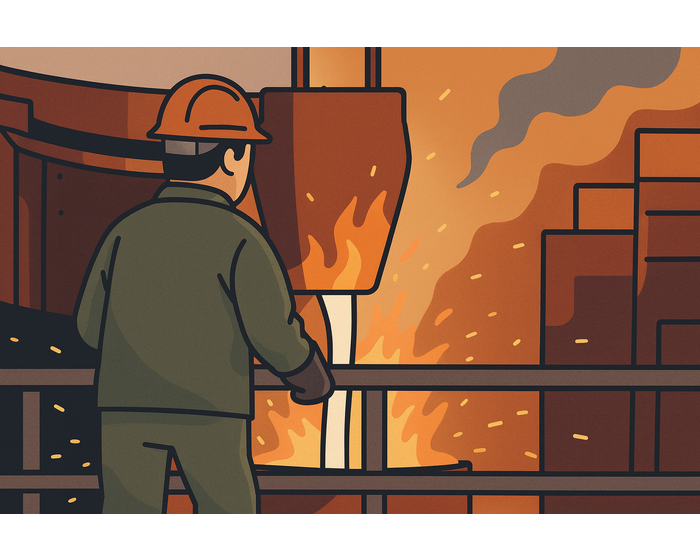
What is Shot Peening?|How Surface Stress Improves Fatigue Strength and Component Life

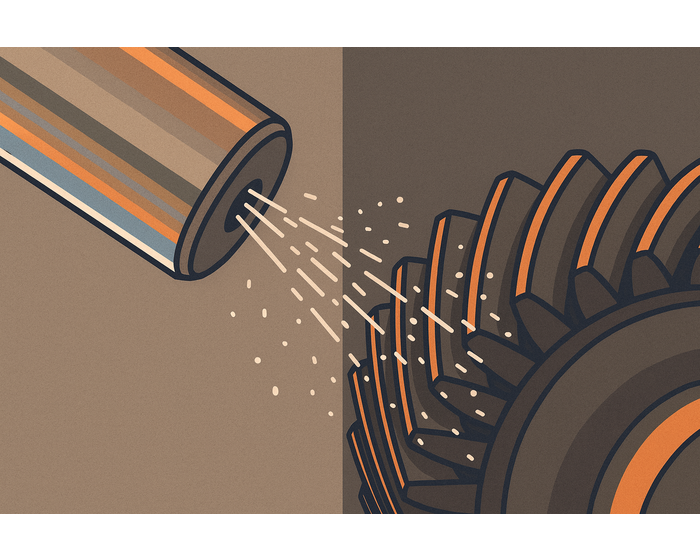
Shot peening is a surface treatment that increases fatigue strength and prevents cracking in metal parts by introducing residual compressive stress. This proven method is essential in industries like aerospace, automotive, and precision tooling. What is Shot Peening? Shot peening is a mechanical surface treatment that propels small spherical particles (steel, ceramic, or glass beads) at high velocity onto a metal surface. The controlled impact creates residual compressive stress, which counters operational tensile stress and significantly reduces fatigue cracking. Benefits include: - Improved fatigue life and resistance to crack initiation - Enhanced wear resistance - Increased reliability of components under cyclic loads It is widely used in: - Aerospace (turbine blades, landing gear) - Automotive (crankshafts, springs, camshafts) - Precision equipment and medical implants How It Works 1. Media Propulsion: Shot media are blasted using either compressed air (Nozzle Type) or centrifugal wheels (Impeller Type). 2. Surface Deformation: Each particle impact plastically deforms the surface layer. 3. Compressive Stress Layer: This process induces a uniform compressive stress field, shielding the part from crack propagation. Properly executed, shot peening can extend part life 1.5 to 2 times while supporting lighter, compact designs. Key Applications and Benefits ✈ Aerospace: Turbine blades, landing gear, and rotating components benefit from extended fatigue life and damage resistance. 🚗 Automotive: Used on camshafts, gears, springs, and crankshafts to resist vibration fatigue and wear. 🛠 Tooling & Precision Equipment: Surgical tools and micromechanical parts gain surface hardening and residual stress control for high-precision use. Process Control Factors To ensure consistent quality, consider the following parameters: - Shot Type: Steel, stainless steel, ceramic, or glass - Shot Size: Small = smoother surface; Large = deeper stress - Almen Intensity: Standard method for verifying peening effectiveness - Coverage: Surface must be 100% uniformly impacted - System Type: - Nozzle Type: Precision control, ideal for complex parts - Impeller Type: High throughput, low cost, suitable for mass production Robotic multi-axis shot peening ensures repeatability, especially for aerospace and medical-grade applications. Why Choose Shot Peening? - ✅ Boosts fatigue resistance and wear life - ✅ Enables lightweight, compact design without sacrificing strength - ✅ Prevents surface-initiated microcracks - ✅ Supports high-reliability manufacturing Recommended: High-Precision Shot Peening Services For high-reliability parts, choose a service provider offering: - Multi-axis robotic peening - Controlled Almen intensity - Application-specific shot material - Full traceability and process documentation #ShotPeening #SurfaceTreatment #FatigueResistance #MetalHardening #AerospaceEngineering #AutomotiveComponents #ResidualStress #PrecisionMachining #MetalSurfaceEngineering #HighReliability

What is Metal Surface Coating?|Boost Durability, Functionality, and Appearance of Metal Components

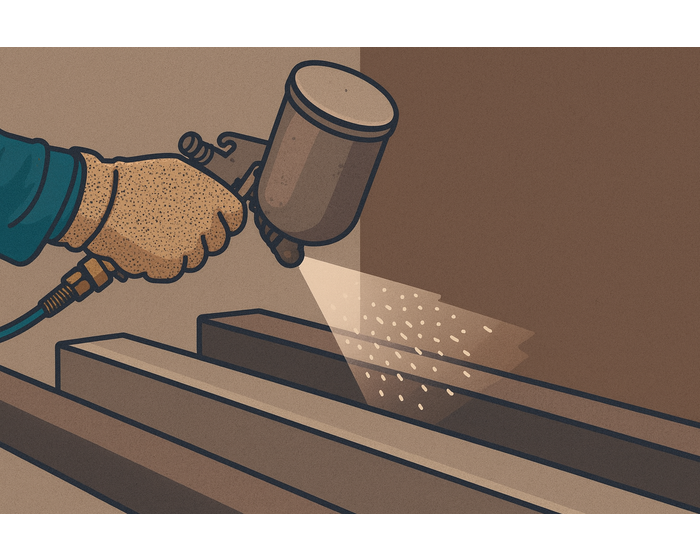
Metal surface coating is essential for improving corrosion resistance, wear durability, and surface function of metal parts. This article explains coating types, industrial uses, and selection tips especially for automotive, mold, food, and medical industries. What is Metal Surface Coating? Metal surface coating modifies the outer layer of metal to improve rust resistance, wear durability, and functional performance. Depending on the application, it can range from painting and electroplating to advanced coatings like PVD, CVD, or thermal spray. It plays a vital role in environments exposed to moisture, chemicals, friction, or high temperatures reducing early failures and enhancing product life. Main Objectives of Surface Coating - Corrosion Protection: Prevents rust and surface oxidation in harsh environments - Wear Resistance: Strengthens surface against friction, abrasion, and deformation - Functional Coatings: Adds thermal resistance, non-stick properties, anti-bacterial effects - Appearance & Identification: Enhances aesthetics or adds color coding - Hygiene Control: Prevents dirt buildup, ideal for food and medical tools Popular Metal Coating Methods - Galvanizing : Zinc coating for steel ideal for outdoor use - Industrial Painting : Combines protection and aesthetics - Electroplating : Nickel/chrome coating for strength and conductivity - Thermal Spray Coating : Wear/heat-resistant coating for turbine parts - PVD/CVD Coating : Thin-film for high-precision molds and electronics Industry Applications Automotive : Engine blocks, suspension parts, gears coated to resist corrosion and wear Tooling & Mold : Punches, dies, cutting tools use PVD/CVD for hardness and longevity Aerospace : Turbine blades, airframes use thermal spray for extreme heat resistance Food & Pharma : Anti-bacterial, non-stick coatings maintain cleanliness and hygiene Electronics : Circuit components need anti-corrosion conductive coatings Choosing the Right Coating To select the most suitable coating, consider: - Material: Steel, stainless steel, aluminum, titanium - Environment: Indoor, outdoor, exposure to acids or moisture - Function: Thermal resistance, conductivity, lubricity, or aesthetics - Cost-Effectiveness: Balance technical need with production volume Proper selection prevents rust, extends tool life, and reduces maintenance essential for competitive manufacturing. #MetalCoating #SurfaceTreatment #AntiCorrosion #Electroplating #PVDCoating #ThermalSpray #ToolCoating #AutomotiveParts #FoodGradeCoating #IndustrialPainting

What is Tough-nite Treatment?|Gas Soft Nitriding to Boost Wear Resistance and Fatigue Strength

Tough-nite treatment, or gas soft nitriding, enhances surface hardness, fatigue strength, and corrosion resistance at low temperatures — making it ideal for precision-machined steel parts used in automotive, hydraulic, and mold applications. What is Tough-nite Treatment? Tough-nite is a low-temperature thermochemical surface treatment in which nitrogen and carbon are diffused into the steel surface at 550–580°C. This creates a hardened surface layer with minimal distortion, making it especially suitable for components that require both wear resistance and high dimensional accuracy. The process was first developed in Germany and is widely used in applications where maintaining part geometry and surface durability is critical. How the Tough-nite Process Works The process begins by introducing ammonia gas into a heated furnace, where it decomposes to release active nitrogen. This nitrogen, sometimes combined with hydrocarbon gases for added carbon diffusion, forms a nitrided surface composed of ε-phase (Fe₂−₃N) and γ'-phase (Fe₄N). Beneath this is a diffusion zone rich in nitrogen that provides added fatigue resistance. This multi-layered structure creates a balance between a hard, wear-resistant surface and a tough, ductile core ideal for sliding or rotating parts. Benefits Compared to Other Treatments Unlike carburizing or induction hardening, Tough-nite operates at relatively low temperatures, which helps prevent distortion in precision parts. It offers faster treatment cycles than plasma nitriding and requires less process complexity. While the hardened layer is shallower than carburized parts, it is more uniform and sufficient for many applications requiring surface hardness and seizure resistance. Additionally, Tough-nite can be combined with oxidation finishing processes like QPQ to further improve corrosion resistance and provide a dark, aesthetic surface. Industrial Benefits and Applications The key benefits of Tough-nite treatment include surface hardness between Hv600–900, enhanced fatigue resistance due to residual compressive stress, and excellent protection against galling in poorly lubricated environments. When oxidation is added, the surface also gains corrosion resistance. Common applications include gears, shafts, and piston pins in the automotive industry; punches and die plates in tooling; and components in hydraulic and pneumatic systems. It is also widely used in heavy machinery parts that undergo constant movement and wear. Summary Tough-nite treatment is a high-performance, cost-effective surface hardening solution for steel parts requiring long-term durability and precision. With minimal distortion, improved fatigue strength, and the option for oxidation-based rust prevention, it is a preferred choice in industries demanding clean, hard-wearing surfaces. #ToughNite #GasSoftNitriding #SurfaceHardening #WearResistance #FatigueStrength #QPQTreatment #PrecisionSteel #AutomotiveComponents #ToolingSolutions #HydraulicSystems

Comprehensive Comparison of Nozzle-Type and Impeller-Type Shot Peening

Shot peening introduces compressive stress to metal surfaces, improving fatigue life and surface strength. This article compares nozzle-type and impeller-type shot peening systems to help manufacturers choose the right method for their production needs. What is Shot Peening? Shot peening is a mechanical surface enhancement process where spherical shot media—such as steel, ceramic, or glass beads—are propelled at high speed to strike metal surfaces. Each impact produces a small indentation, which leads to residual compressive stress in the surface layer. This stress delays crack initiation and propagation under cyclic loading, improving fatigue strength and component longevity. Shot peening is widely applied in aerospace, automotive, tooling, and heavy industry. Nozzle-Type Shot Peening: High Precision for Complex Parts Nozzle-type systems use compressed air to accelerate shot media through a nozzle. This setup allows for multi-axis robotic control, making it highly flexible for parts with complex shapes or critical areas that require localized treatment. Key Benefits: - Precise control over shot velocity, angle, and coverage - Supports real-time adjustment of pressure and media flow - Ideal for intricate parts such as turbine blades, springs, and precision gears This system is favored in industries like aerospace, precision tools, and medical device manufacturing, where part integrity and treatment accuracy are paramount. Impeller-Type Shot Peening: High-Speed Efficiency for Mass Production Impeller-type systems use centrifugal force from a high-speed rotating wheel to propel shot media. The design is mechanically simpler and operates continuously without needing compressed air. Key Benefits: - High processing speed for bulk components - Lower energy consumption and maintenance costs - Best suited for consistent, high-volume parts like automotive shafts and construction components While impeller systems offer excellent throughput, they are less precise and not ideal for complex geometries or differential treatment areas. Choosing the Right Shot Peening System The optimal system depends on several key factors: - Component Geometry: Nozzle-type is better for detailed parts; impeller suits simpler designs. - Required Precision: Use nozzle-type for tight control and localized treatment. - Production Volume: Choose impeller-type for high-output efficiency. - Cost Considerations: Impeller systems offer lower operational costs; nozzle systems provide higher flexibility. - Factory Constraints: Evaluate available space, automation needs, and integration with current lines. Summary Nozzle and impeller shot peening systems both provide valuable surface treatment benefits. Nozzle-type excels in precision and adaptability, while impeller-type shines in productivity and cost efficiency. Selecting the right method ensures enhanced fatigue resistance, optimal surface quality, and long-term durability. #ShotPeening #SurfaceTreatment #NozzleType #ImpellerType #FatigueStrength #PrecisionMachining #AutomotiveParts #AerospaceComponents #CompressiveStress #SurfaceEngineering

Steam Oxide Film Treatment|Rust Protection Without Chemicals for Precision Steel Parts

HOMO treatment forms a corrosion-resistant Fe₃O₄ layer using high-temperature steam—without chemicals or dimensional distortion. It's ideal for precision steel parts requiring clean, eco-friendly protection. What is Steam Oxide Film Treatment (HOMO Treatment)? Steam oxide film treatment, or HOMO (Hydrothermal Oxidation Metal Oxide), is a surface treatment process where saturated steam reacts with steel surfaces at 300–600°C to form a dense, stable magnetite (Fe₃O₄) layer. Unlike plating or black oxide methods, HOMO does not involve chemicals, wastewater, or significant dimensional change. It's increasingly used in industries requiring environmental sustainability and tight tolerances. How the Magnetite Layer Forms and Works The Fe₃O₄ layer forms through oxidation when high-temperature steam contacts hot steel. Its characteristics include: - Thickness: 1–2 microns - Color: Black to dark gray with a semi-gloss finish - Stability: Resistant to corrosion in air, humidity, and mildly acidic environments - Durability: Adheres well and resists peeling better than traditional black oxide Combined with anti-rust oil, it can endure outdoor storage and transport without degradation. Advantages Over Other Surface Treatments - No chemical waste: No need for wastewater treatment or post-wash - Dimensional precision: Maintains original tolerances—ideal for machined parts - Eco-friendly: Zero toxic discharge supports green manufacturing - Stronger adhesion: More durable than black oxide, with less risk of peeling - Lower total cost: Reduces post-processing and cleaning steps Compared to zinc plating, HOMO does not provide sacrificial protection but is superior in film stability and appearance. Process Conditions and Suitable Applications Standard Processing Range: - Temperature: 350–500°C - Duration: 20–90 minutes - Equipment: Pressurized or continuous steam furnaces Compatible Materials: - Carbon steel - Alloy steel - Sintered iron-based metals (Not suitable for stainless steel or aluminum) Common Applications: - Precision components: Gears, shafts, and bearings - Tooling: Mold bases, cutting tools, punches - Automotive hardware: Brackets, fittings, exposed chassis parts - Temporary protection: Steel parts in storage or shipping Summary HOMO treatment is a highly effective, clean, and dimensionally stable corrosion protection method for steel parts. By eliminating chemicals and preserving tolerances, it's ideal for industries demanding both environmental and performance excellence. #HOMOTreatment #SteamOxideCoating #RustPrevention #PrecisionSteel #EcoFriendlyManufacturing #Fe3O4Coating #SurfaceTreatment #AntiCorrosion #Tooling #AutomotiveParts

Metal Hot Zone Vacuum Furnace|Structure, Benefits & High-Temperature Performance Explained

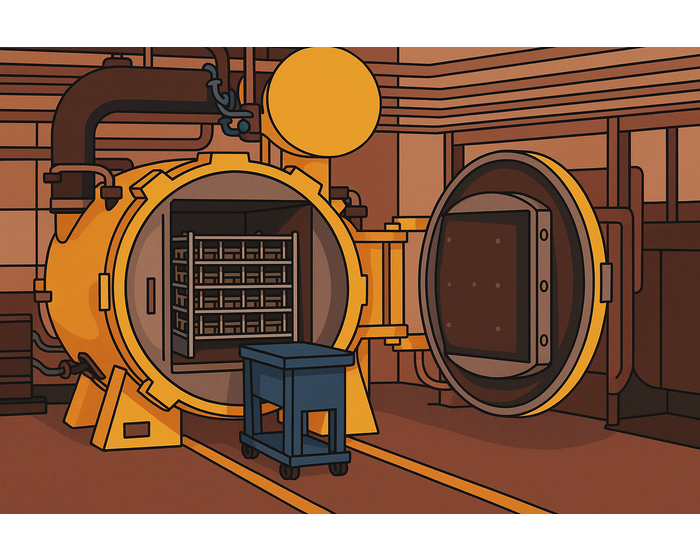
A metal hot zone vacuum furnace enables clean, uniform, high-temperature heat treatment up to 2,000° It minimizes contamination and distortion—ideal for aerospace alloys, medical implants, and 3D-printed metals. What Is a Metal Hot Zone Vacuum Furnace? A vacuum furnace with a metal hot zone is a heat treatment system designed for ultra-clean thermal processing. Unlike conventional graphite-based hot zones, this type uses molybdenum, tantalum, or tungsten to construct all heating chamber components—eliminating carbon-related contamination risks. Operating under high vacuum or controlled gases (inert, hydrogen), the system achieves temperature uniformity within ±5°and supports heat treatment of sensitive metals and ceramics. Why Choose Metal Over Carbon-Based Hot Zones? Graphite hot zones, while cost-effective, face issues at high temperatures: - Carbon sublimation contaminates the product - Limited to vacuum-only operations; reacts with process gases - Lower durability above 1,300° Metal hot zones overcome these challenges: - No carbon contamination - Stable performance up to 2,000° - Compatible with vacuum + gas processes (H₂, N₂) - Ideal for sintering, brazing, or annealing ultra-clean materials Thermal Design & Structure Key components of a metal hot zone system include: - Reflector Plates: Redirect heat inward to increase energy efficiency - Multi-Layer Heat Shields: Maintain uniform thermal distribution - Heating Elements: Molybdenum-based heaters reaching \~1,800–2,000° - Support Structures: Metal frames resist thermal deformation Together, these features ensure consistent, repeatable results—critical for industries requiring micron-level dimensional accuracy. Benefits and Applications Main Benefits: - Ultra-low contamination for high-purity alloys - Dimensional accuracy due to low thermal distortion - Long equipment lifespan, even under harsh conditions - Suitable for high-vacuum and gas-assisted heat treatments Applications: - Medical Implants: Clean sintering of titanium or stainless components - Aerospace: Superalloy annealing, oxidation-free processing - Semiconductors: Vacuum brazing of sensitive parts - 3D Printing: Post-processing metal additive parts (e.g., Ti-6Al-4V) - Advanced Ceramics: Debinding, sintering, or co-firing Summary If your production requires precise, contamination-free heat treatment at extreme temperatures, a metal hot zone vacuum furnace offers unmatched performance. It ensures thermal consistency, surface cleanliness, and dimensional integrity for even the most demanding applications in aerospace, medical, semiconductor, and metal 3D printing sectors. #MetalHotZone #VacuumFurnace #HighTemperatureHeatTreatment #CleanProcessing #SuperalloyAnnealing #MedicalImplantSintering #SemiconductorThermalProcess #3DPrintingPostProcess #MolybdenumFurnace #SurfaceCleanHeatTreatment

Quality Evaluation and Trouble Prevention Measures After Heat Treatment

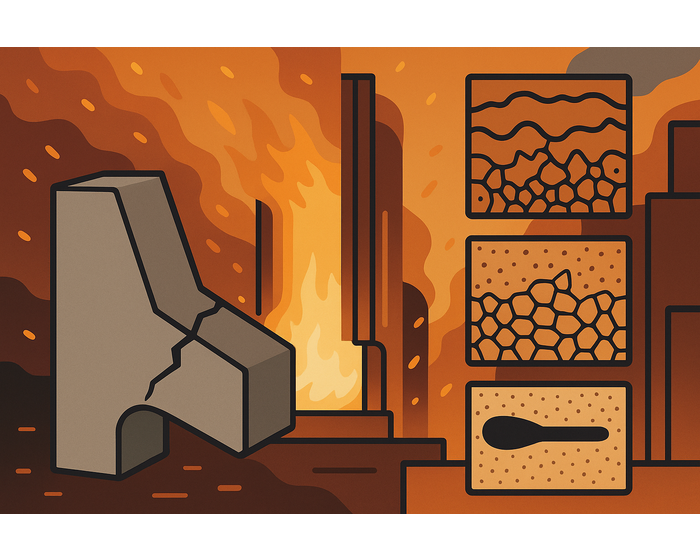
Accurate quality evaluation and preventive measures after heat treatment are key to reducing cracking, distortion, and performance issues. Learn how to improve reliability through inspection methods and real-time process control. ■ Heat Treatment: Why Post-Processing Evaluation Matters Heat treatment improves the strength, hardness, and fatigue resistance of metal components. However, without proper post-treatment inspection and control, parts may suffer from cracks, distortion, and inconsistent hardness—leading to rework or failure in critical applications. ■ Key Quality Evaluation Methods 1. Hardness Testing Use Rockwell or Vickers hardness testing to confirm that the quenching and tempering process has achieved the target mechanical properties. 2. Metallographic Structure Inspection Analyze microscopic structures to verify martensite formation or detect retained austenite. This directly correlates to product performance. 3. Dimensional Accuracy Check Use 3D CMM (Coordinate Measuring Machine) systems to detect distortion early. Compare pre- and post-treatment measurements to avoid downstream defects. ■ Common Heat Treatment Issues & Prevention Techniques - Cracking: Caused by rapid or uneven cooling. Prevent with optimized cooling curves and stress-relief treatment. - Deformation: Caused by uneven heating or poor support. Use mapped furnace zones and custom jigs. - Low Hardness: Check quenching media and revise tempering parameters. - Decarburization: Protect surfaces using controlled atmospheres or gas shielding. Simulation software helps predict thermal profiles and stress distribution to adjust processes proactively before defects occur. ■ Data-Driven Process Control Strategy - Centralized Data Collection: Log temperature, soak time, cooling rate, and hardness for each batch. Enables consistent improvement and fast troubleshooting. - Sensor Network Monitoring: Multiple thermocouples in the furnace detect temperature variation, ensuring uniform heating. - Routine Equipment & Material Checks: Maintain cooling units and inspect raw materials to prevent variability. - Feedback Loop: Analyze historical data to optimize future heat treatment settings, improving reliability. ■ Summary Consistent heat treatment success requires: ① Accurate hardness and structure evaluation ② Prevention of distortion, cracking, and decarburization ③ Smart process control using real-time data Together, these reduce failure rates and ensure product reliability in demanding applications. #HeatTreatment #QualityControl #HardnessTesting #CMM #IndustrialMachining #ManufacturingThailand #MetalTreatment #ProcessControl #FactoryImprovement

Metal Hot Zone in Vacuum Heat Treatment | Reduce Carbon Contamination for Precision Manufacturing

Switching to a Metal Hot Zone in vacuum heat treatment eliminates carbon contamination, ensuring clean surfaces, stable properties, and fewer defects—ideal for aerospace, medical, and electronics components. ■ Why Carbon Contamination Is a Problem in Heat Treatment Many vacuum furnaces use graphite hot zones because of their insulation properties. However, at high temperatures (1,000–1,300 °C), graphite emits carbon gas. This gas is absorbed by the workpiece, causing: - Dark surface stains - Inconsistent hardness - Reduced mechanical performance - Increased rework and cleaning effort For precision industries, such issues impact both quality and cost. ■ What Is a Metal Hot Zone? A Metal Hot Zone uses heat-resistant metals like molybdenum, tantalum, or tungsten instead of graphite. These materials: - Do not release carbon - Provide a silver-gray, clean surface finish - Are ideal for titanium, superalloys, and brazing components ■ 4 Key Benefits of Using a Metal Hot Zone 1. Clean Surface Finish No soot or carbon staining. Parts exit the furnace with a pristine metallic surface, reducing post-processing. 2. Lower Rework Rates Avoid contamination-related defects, which means fewer rejects and higher yield. 3. Compatibility with Sensitive Materials Works with titanium, Inconel, and metal-ceramic assemblies—materials that absorb carbon easily under heat. 4. Environmentally Friendly No carbon gas emission from the furnace hot zone, supporting eco-conscious manufacturing. ■ Why It Matters for Precision Industries In fields like aerospace, medical, and electronics, parts must meet exact surface and mechanical requirements. A Metal Hot Zone ensures: - Surface purity without dark marks - Stable hardness across batches - Confidence in structural integrity This technology helps meet strict quality control standards, reduce hidden costs, and maintain a competitive edge in high-spec manufacturing. Recommended: Upgrade to a Metal Hot Zone Furnace Today Partner with providers offering Metal Hot Zone systems for critical applications in Thailand’s aerospace, electronics, and medical sectors. Visit [EMIDAS Prime Pages](https://www.emidas.com) to find suppliers and learn more. #VacuumHeatTreatment #MetalHotZone #CarbonContaminationControl #PrecisionManufacturing #CleanFurnaceTechnology #AerospaceHeatTreatment #MedicalComponentProcessing #SuperalloyTreatment #RefractoryMetalFurnace #MolybdenumZoneFurnace

Differences Between Carburizing, Nitriding, and Shot Peening|Surface Hardening for Metal Parts

Carburizing, nitriding, and shot peening each enhance metal surface hardness through different mechanisms. This guide compares their benefits, mechanisms, and ideal applications to help you select the right treatment. 1. Purpose of Surface Hardening in Manufacturing Surface hardening treatments are used to: - Increase surface hardness - Improve wear resistance - Extend fatigue life - Enhance corrosion resistance Three widely used techniques are: - Carburizing – deep hardening through carbon diffusion - Nitriding – precise, low-distortion hardening via nitrogen - Shot Peening – mechanical strengthening by compressive stress Each method serves a unique purpose depending on the part’s application and design tolerance. 2. Carburizing|Deep Hardening for Load-Bearing Surfaces Mechanism: Steel is heated in a carbon-rich atmosphere at 900–950°C, causing carbon to diffuse into the surface. Quenching creates a hard layer while the core remains tough. Features: - Hardened depth: approx. 0.5–2.0 mm - Ideal for: gears, drive shafts, cams - Drawbacks: potential distortion from high heat, higher cost due to long cycle time 3. Nitriding|Low-Distortion Hardening with Corrosion Resistance Mechanism: At 500–600°C, nitrogen diffuses into the surface to form iron and alloy nitrides, producing a highly hardened outer shell. Features: - Hardened depth: approx. 0.1–0.6 mm - Minimal dimensional change - Excellent fatigue, wear, and corrosion resistance - Ideal for: molds, spindles, pneumatic cylinders - Best with nitriding steels or alloy steels 4. Shot Peening|Boosting Fatigue Life with Compressive Stress Mechanism: High-speed steel balls impact the surface, inducing compressive residual stress that delays crack initiation and fatigue failure. Features: - Cold process → preserves dimensional accuracy - Compatible with various metals - Increases surface roughness – may need finishing - Common for: springs, gears, aircraft parts, engine components - Often combined with heat treatments (e.g., carburizing) for added strength 5. Choosing the Right Surface Hardening Method - Use Carburizing when deep surface hardness is required for high-load parts. - Use Nitriding when precision and corrosion resistance are critical. - Use Shot Peening to enhance fatigue resistance and prevent cracking. - Combine treatments like Carburizing + Shot Peening for dual benefits of wear and fatigue resistance. #Carburizing #Nitriding #ShotPeening #SurfaceHardening #HeatTreatment #FatigueStrength #PrecisionMachining #WearResistance #MetalTreatment #OEM

Common Failures in Steel Heat Treatment|Causes, Countermeasures, and Quality Control Best Practices

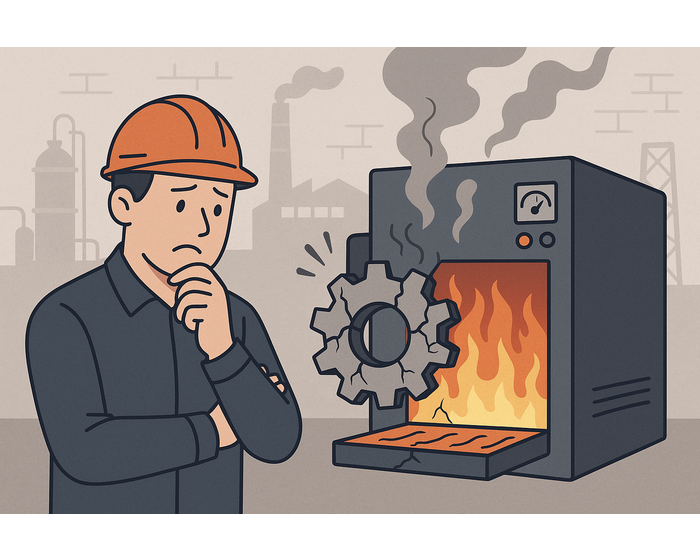
Steel heat treatment can lead to cracking, deformation, or inconsistent hardness if not carefully controlled. This article outlines common issues during heat treatment and practical technical countermeasures to help prevent failures in industrial production. 1. Why Heat Treatment Is Critical in Steel Processing Heat treatment is essential for enhancing the mechanical properties of steel, including hardness, toughness, and ductility. The primary processes include: - Quenching – Increases hardness through rapid cooling - Tempering – Recovers toughness and adjusts hardness - Annealing – Improves machinability and relieves internal stresses - Normalizing – Refines grain structure and improves uniformity Incorrect heat treatment parameters such as temperature, time, or cooling speed can result in severe quality defects. Therefore, precise control of every step is critical for stable performance in real-world applications. 2. Quenching: Typical Failures and Technical Countermeasures Quenching rapidly cools steel to form martensite and enhance hardness. However, it commonly causes: ❗Crack Formation - Cause: Thermal stress from rapid cooling or residual stress, especially in high-carbon steels - Countermeasures: - Use controlled-temperature quenching oil - Consider step cooling or slow cooling techniques - Perform pre-treatment like annealing to reduce internal stress ❗Deformation and Warping - Cause: Uneven cooling, asymmetrical part geometry, poor fixture design - Countermeasures: - Design symmetrical workpieces - Optimize jig/fixture placement - Use cooling systems that ensure uniform flow and contact 3. Tempering: Common Issues and Their Solutions Tempering relieves internal stress and adjusts the final mechanical properties. Key challenges include: ❗Tempering Brittleness - Cause: Heating within the 300–400°C range can reduce toughness - Countermeasures: - Avoid critical temperature range - Use rapid cooling to stabilize the microstructure ❗Inconsistent Hardness - Cause: Non-uniform heating, insufficient holding time, furnace temperature fluctuations - Countermeasures: - Use furnaces with uniform temperature distribution - Monitor and control holding time and ramp-up rate - Calibrate equipment regularly 4. Surface Defects: Decarburization, Oxidation, and Discoloration The furnace atmosphere plays a key role in maintaining surface quality. ❗Decarburization - Cause: Carbon loss from the steel surface during exposure to air - Countermeasures: - Use vacuum or gas atmosphere furnaces - Apply surface coatings - Control furnace environment with inert gases (e.g., nitrogen or argon) ❗Oxidation and Discoloration - Cause: Heating in oxygen-rich conditions - Countermeasures: - Use inert gas atmosphere - Apply anti-oxidation coatings or barrier films before heating 5. Quality Control Systems That Prevent Failures Implementing robust quality control measures ensures long-term reliability and consistency: - Batch-level material management: Track chemical composition, hardness, and dimensional data - Jig and fixture design: Allow for thermal expansion and conduct routine maintenance - Furnace calibration: Perform regular temperature and uniformity calibration - Traceability systems: Record processing parameters such as time, temperature, and atmosphere for each batch #SteelHeatTreatment #Quenching #Tempering #HardnessControl #MetalProcessing #IndustrialFurnace #Decarburization #ProcessQuality #ManufacturingFailure #EMIDAS

Impact of Choosing the Wrong Heat Treatment Process|Risks, Effects, and Prevention

Selecting the wrong heat treatment method for a material can lead to reduced mechanical properties, surface defects, or even irreversible damage—significantly increasing costs. This guide explains common risks and how to avoid them. 1. Importance of Matching Heat Treatment to the Material Different materials respond uniquely to heat, requiring tailored processes: - Steel → Often requires hardness-enhancing methods such as carburizing. - Stainless Steel → Needs processes that prevent surface oxidation or discoloration. - Aluminum → Requires strict temperature control to protect internal structure. If the process is mismatched, the treatment may fail to improve properties—or worse, degrade them. 2. Risks and Problems from an Inappropriate Process - Cracks or Internal Damage → Caused by excessive temperature or improper heating rates. - Distortion or Warping → Structural imbalance from uneven thermal expansion. - Reduced Mechanical Properties → Loss of hardness, toughness, or impact resistance. - Surface Defects → Oxidation, burn marks, or discoloration. - Higher Production Costs → Rework, scrap, or decreased product lifespan. 3. Prevention Strategies and Best Practices - Analyze Material Properties → Understand heat tolerance and intended performance. - Select the Correct Process → Match method to both material type and end-use requirements. - Engage Skilled Professionals → Work with experienced, certified heat treatment providers. - Perform Test Runs → Validate process parameters before full production. - Use Precision-Control Technology → Furnaces with accurate temperature and atmosphere control ensure consistent results. #HeatTreatment #Metallurgy #SteelHardening #ThermalProcessing #MaterialProperties #ManufacturingQuality

Atmosphere Control in Heat Treatment|Preventing Decarburization and Ensuring Precision Hardness

In heat treatment, the invisible atmosphere inside the furnace determines success or failure. By controlling oxygen, carbon potential, and protective gases, factories can prevent decarburization, avoid scrap, and achieve precision hardness for critical components. Why Atmosphere Control is the Silent Factor in Heat Treatment Many factories focus on temperature and time when heat treating steel, but the atmosphere inside the furnace often decides whether you produce precision parts or costly scrap. In uncontrolled air, oxygen reacts with hot steel, creating surface defects that compromise hardness and wear resistance. The Danger of Decarburization When steel is heated above 1500°F (815°C) in air, oxygen aggressively pulls carbon out of the steel surface. This causes decarburization, leaving a weak, soft outer layer. - Depth of carbon loss: 0.010–0.030 inches - Result: gears, shafts, and tools lose hardness and wear out quickly Imagine investing weeks machining a precision gear, only to discover heat treatment ruined the surface. This is why atmosphere control is critical for survival in manufacturing. Atmosphere Control Solutions for Heat Treatment 1. Endothermic Atmospheres - Gas mix: CO, H₂, and N₂ - Maintains carbon balance to prevent both decarburization and excessive carburization - Acts as a protective barrier around the steel 2. Exothermic Atmospheres - Produced by burning natural gas with limited air - Provides a cost-effective protective gas mix - Requires careful monitoring to avoid carbon imbalance 3. Vacuum Processing - Removes all atmospheric interference - Enables bright, oxide-free surfaces - Provides precise control over surface chemistry The Balancing Act of Chemistry To achieve reliable hardness, the carbon potential of the furnace atmosphere must match the steel’s carbon content. - Too high: Unwanted carburization → brittle surfaces - Too low: Decarburization → soft surfaces - Hydrogen: Improves brightness but can cause embrittlement in high-strength steels #HeatTreatment #AtmosphereControl #Decarburization #PrecisionHardness #VacuumFurnace #SteelProcessing #FactoryThailand #ManufacturingTechnology #IndustrialFurnace

Heat Treatment Methods for Metal Parts|How to Select the Right Process for Each Workpiece

Choosing the right heat treatment boosts strength, durability, and lifespan of metal parts. This guide helps factories pick the best method to reduce defects and improve product performance. Understanding the Right Heat Treatment for Metal Workpieces Heat treatment enhances metal characteristics such as strength, hardness, and wear resistance. However, selecting the wrong process can lead to deformation, reduced quality, or even part failure. Proper selection ensures product reliability and cost efficiency. Key Factors to Consider Before Selecting Heat Treatment: 1. Metal Type : Each metal carbon steel, alloy steel, stainless steel, or aluminum—responds differently to heat. 2. Purpose of the Part : Is the goal to improve toughness, hardness, or resistance to wear? 3. Part Geometry : Thin or complex shapes risk warping and distortion. 4. Precision Requirements : High-precision parts need distortion-minimizing treatments. 5. Budget and Volume : Some processes suit mass production; others are better for custom, small-batch work. Overview of Popular Heat Treatment Methods: - Carburizing : Best for gears, shafts improves surface hardness. - Carbonitriding : Ideal for bolts, pins enhances hardness and corrosion resistance. - Gas Soft Nitriding (GSN): Suitable for bearings, spindles provides a hard surface while maintaining core toughness. - Quenching & Tempering : Perfect for springs, blades balances strength and toughness. - Shot Peening : Good for impact-prone parts improves fatigue resistance. - Steam Oxide Treatment : For corrosion-prone parts like bolts improves rust resistance. Practical Examples by Application: - Automotive Gears: Use -Carburizing- for friction-heavy conditions. - Springs & Leaf Springs: Apply -Quenching & Tempering- for flexibility with durability. - Bearings & Shafts: Choose -Gas Soft Nitriding- to maintain precision and surface hardness. Conclusion: Choosing the right heat treatment is crucial for metal part performance and longevity. If you're uncertain, consult experienced providers like DOWA THERMOTECH (Thailand) for expert advice and tailored services. #HeatTreatment #MetalProcessing #Quenching #Nitriding #Carburizing #ManufacturingThailand #PrecisionParts #OEM #SurfaceHardness #FactoryTips

CONTACT

Inquiry

This is the inquiry form for DOWA THERMOTECH (THAILAND) CO., LTD.. Please enter your inquiry.

This service is intended to provide consultation and opinion requests for processing projects.
Please do not use this information for self-promotion or sales activities.
If we receive a complaint from a recipient about the contents of the transmission, we may take measures such as forcibly stopping the use of the service.

Inquiry Type*Required
Message*Required
Attach file

Only image (jpeg, jpg, gif, png, pdf) and compressed file (zip, lzh) extensions are valid. Maximum file size 10MB