
DOWA THERMOTECH (THAILAND) CO., LTD.
SERVICE
Production Goods & Services
Impact of Choosing the Wrong Heat Treatment Process|Risks, Effects, and Prevention
Product Info
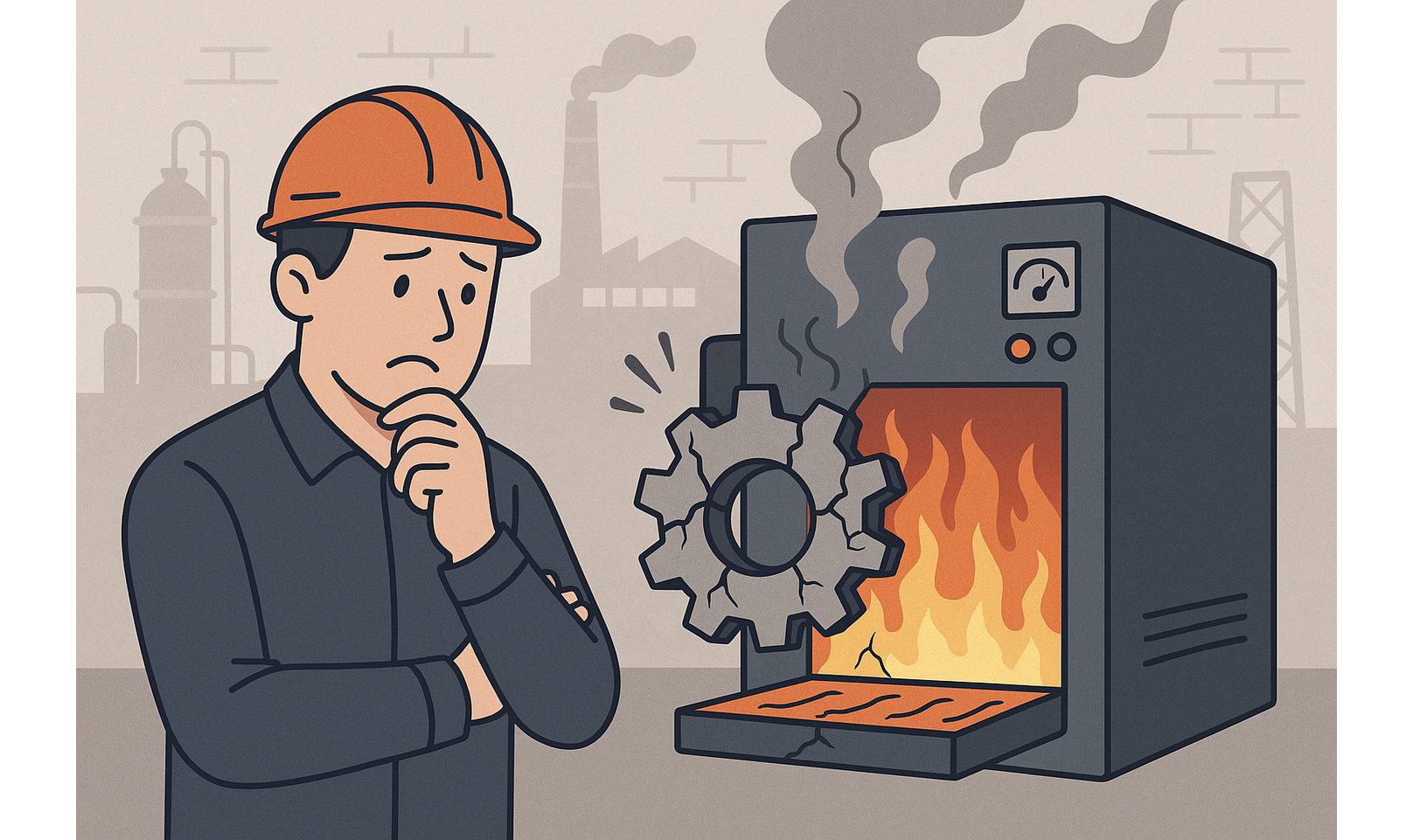
Selecting the wrong heat treatment method for a material can lead to reduced mechanical properties, surface defects, or even irreversible damage—significantly increasing costs. This guide explains common risks and how to avoid them.
1. Importance of Matching Heat Treatment to the Material
Different materials respond uniquely to heat, requiring tailored processes:
- Steel → Often requires hardness-enhancing methods such as carburizing.
- Stainless Steel → Needs processes that prevent surface oxidation or discoloration.
- Aluminum → Requires strict temperature control to protect internal structure.
If the process is mismatched, the treatment may fail to improve properties—or worse, degrade them.
2. Risks and Problems from an Inappropriate Process
- Cracks or Internal Damage → Caused by excessive temperature or improper heating rates.
- Distortion or Warping → Structural imbalance from uneven thermal expansion.
- Reduced Mechanical Properties → Loss of hardness, toughness, or impact resistance.
- Surface Defects → Oxidation, burn marks, or discoloration.
- Higher Production Costs → Rework, scrap, or decreased product lifespan.
3. Prevention Strategies and Best Practices
- Analyze Material Properties → Understand heat tolerance and intended performance.
- Select the Correct Process → Match method to both material type and end-use requirements.
- Engage Skilled Professionals → Work with experienced, certified heat treatment providers.
- Perform Test Runs → Validate process parameters before full production.
- Use Precision-Control Technology → Furnaces with accurate temperature and atmosphere control ensure consistent results.
#HeatTreatment #Metallurgy #SteelHardening #ThermalProcessing #MaterialProperties #ManufacturingQuality
CATALOG
Related Catalogs
CONTACT
Inquiry