
DOWA THERMOTECH (THAILAND) CO., LTD.
SERVICE
Production Goods & Services
What is Tough-nite Treatment?|Gas Soft Nitriding to Boost Wear Resistance and Fatigue Strength
Product Info
Tough-nite treatment, or gas soft nitriding, enhances surface hardness, fatigue strength, and corrosion resistance at low temperatures — making it ideal for precision-machined steel parts used in automotive, hydraulic, and mold applications.
What is Tough-nite Treatment?
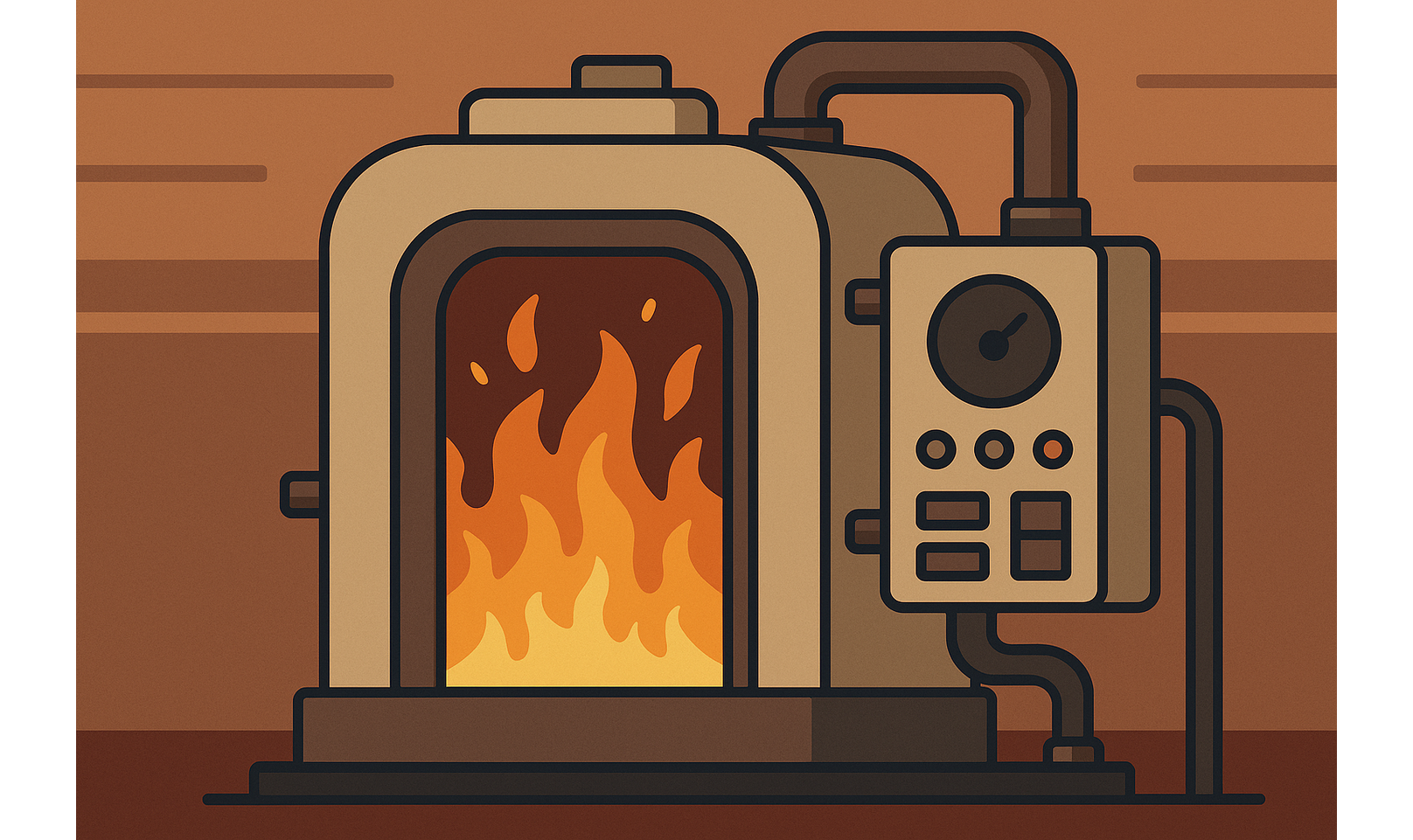
Tough-nite is a low-temperature thermochemical surface treatment in which nitrogen and carbon are diffused into the steel surface at 550–580°C. This creates a hardened surface layer with minimal distortion, making it especially suitable for components that require both wear resistance and high dimensional accuracy.
The process was first developed in Germany and is widely used in applications where maintaining part geometry and surface durability is critical.
How the Tough-nite Process Works
The process begins by introducing ammonia gas into a heated furnace, where it decomposes to release active nitrogen. This nitrogen, sometimes combined with hydrocarbon gases for added carbon diffusion, forms a nitrided surface composed of ε-phase (Fe₂−₃N) and γ'-phase (Fe₄N). Beneath this is a diffusion zone rich in nitrogen that provides added fatigue resistance.
This multi-layered structure creates a balance between a hard, wear-resistant surface and a tough, ductile core ideal for sliding or rotating parts.
Benefits Compared to Other Treatments
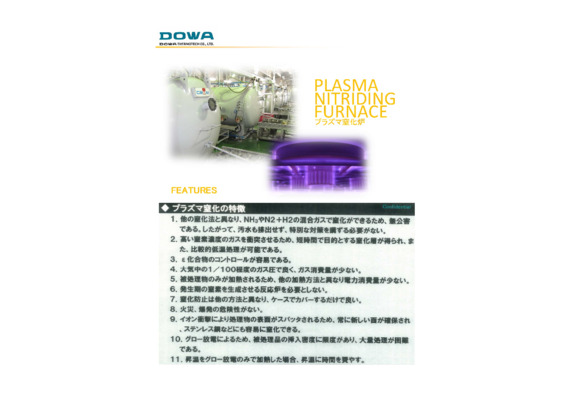
Unlike carburizing or induction hardening, Tough-nite operates at relatively low temperatures, which helps prevent distortion in precision parts. It offers faster treatment cycles than plasma nitriding and requires less process complexity. While the hardened layer is shallower than carburized parts, it is more uniform and sufficient for many applications requiring surface hardness and seizure resistance.
Additionally, Tough-nite can be combined with oxidation finishing processes like QPQ to further improve corrosion resistance and provide a dark, aesthetic surface.
Industrial Benefits and Applications
The key benefits of Tough-nite treatment include surface hardness between Hv600–900, enhanced fatigue resistance due to residual compressive stress, and excellent protection against galling in poorly lubricated environments. When oxidation is added, the surface also gains corrosion resistance.
Common applications include gears, shafts, and piston pins in the automotive industry; punches and die plates in tooling; and components in hydraulic and pneumatic systems. It is also widely used in heavy machinery parts that undergo constant movement and wear.
Summary
Tough-nite treatment is a high-performance, cost-effective surface hardening solution for steel parts requiring long-term durability and precision. With minimal distortion, improved fatigue strength, and the option for oxidation-based rust prevention, it is a preferred choice in industries demanding clean, hard-wearing surfaces.
#ToughNite #GasSoftNitriding #SurfaceHardening #WearResistance #FatigueStrength #QPQTreatment #PrecisionSteel #AutomotiveComponents #ToolingSolutions #HydraulicSystems
CONTACT
Inquiry