Production Goods & Services

14hits

Narrow by category

Common Problems in Using Dies and Punches | Causes and Prevention

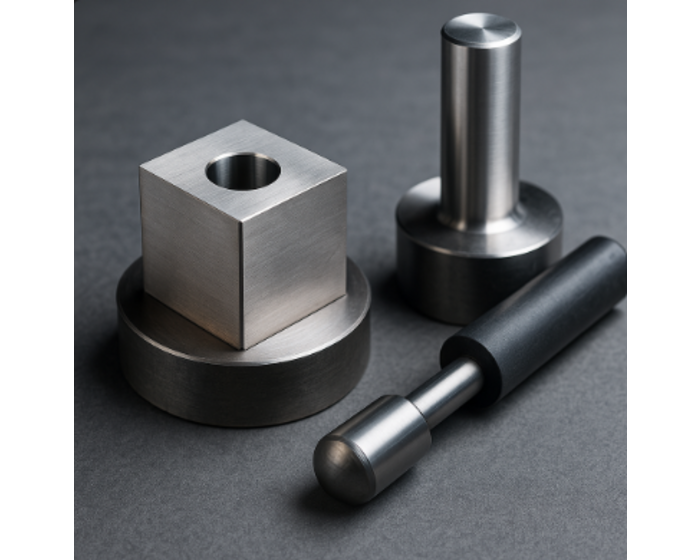
Proper care and correct use of dies and punches minimize downtime, reduce maintenance costs, and extend tool life in manufacturing. ■ Importance of Dies and Punches in Manufacturing Dies and punches are critical in metal stamping, cutting, cold forming, and high-pressure forging. The quality of finished parts depends on the accuracy and durability of these tools. Even small mistakes in installation or operation may cause: ・ Premature wear ・ Breakage or chipping ・ Misalignment ・ Production line downtime ■ Common Problems and Causes 1. Rapid Wear ・ Causes: Inappropriate material, lack of coating, insufficient lubrication ・ Impact: Rough edges, burrs, dimensional inaccuracy 2. Punch Breakage or Chipping ・ Causes: Excessive impact force, misalignment, poor installation ・ Impact: Tool damage, unexpected stoppage 3. Die Cracking or Fracture ・ Causes: Foreign particles, brittle tool material, uneven press force ・ Impact: Costly replacement and longer downtime 4. Punch Misalignment ・ Causes: Worn fixture, assembly errors, lack of position gauge inspection ・ Impact: Uneven wear, reduced lifespan of both dies and punches ■ Preventive Measures To extend the life of dies and punches: ・ Use high-quality materials such as cemented carbide or special-grade steel ・ Keep press force within limits and monitor machine capacity ・ Clean die surfaces and remove metal debris before operation ・ Check alignment with a position gauge to prevent misalignment-related failures ■ Real-World Industry Examples In hot forging and cold forging, where pressures reach hundreds to thousands of tons and temperatures exceed 1000°C, issues often include: ・ Punch deformation from extreme heat ・ Die fatigue under repeated high loads ・ Cracking due to misalignment Selecting specialized dies and punches designed for these harsh conditions is essential for production stability. ■ Recommended Product: Dies and Punches from Fujilloy (Thailand) Co., Ltd. For high-pressure, high-temperature metal forming, Fujilloy (Thailand) offers premium cemented carbide dies and punches, developed for hot forging and cold forging applications. Key Features ・ Withstand pressure up to 1,500 tons ・ Heat resistance up to 1,200°C ・ Suitable for automotive, aerospace, machinery, and construction industries ・ Factory-tested for long service life ・ Supports continuous operation with reduced downtime ■ Download the PDF for more details or contact us directly. #Die #Punch #Forging #ColdForging #MetalDie #MetalForming #QualityControl #Manufacturing #CementedCarbide #OEM

Grooved Plugs for Tube Rolling|Leak-Free Pressure Seal & High-Precision Fit for Heat Exchangers

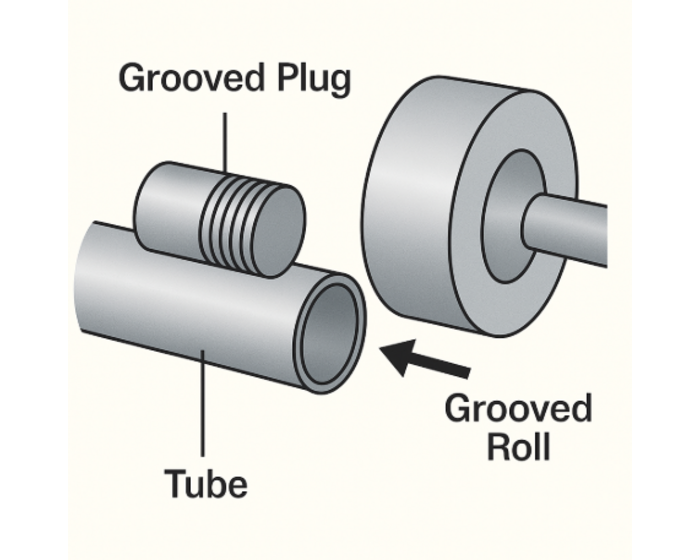
Choosing the right grooved plug ensures a tight, leak-free seal in tube rolling applications, especially in high-pressure systems like boilers and heat exchangers. Proper selection prevents long-term failures and enhances safety. ■ What Are Grooved Plugs in Tube Rolling? Grooved plugs are used to seal unused tube ends in systems such as heat exchangers, condensers, and boilers. Unlike welded plugs, they rely on mechanical friction for locking. Key Benefits: ・ Resists high internal pressure ・ Prevents leakage without welding ・ Stays secure under thermal and vibration stress ■ How to Select the Right Size and Shape ・ Size: Slightly oversized for interference fit ・ Shapes: ・ ・Cylindrical・: General use ・ ・Tapered・: Tighter lock ・ ・Angled Grooves・: Prevents dislodging under back pressure Choose based on your operating pressure and tube configuration. ■ Material Compatibility is Critical ・ Brass: For copper tube systems ・ SUS304/SUS316 Stainless Steel: Ideal for corrosive or marine environments ・ Carbon Steel: For general industrial applications ・ Monel/Inconel: For chemical plants and high-corrosion environments Using mismatched materials can cause galvanic corrosion—always match plug and tube material types. ■ Importance of Groove Design ・ Groove Angle: 15–30° for optimal locking force ・ Depth: Deep enough to grip, not weaken the structure ・ Number of Grooves: More grooves improve grip but increase cost Good groove design is key for leak prevention, pressure resistance, and plug longevity. ■ Correct Installation Process ・ Use hydraulic plug installers or manufacturer-approved tools ・ Follow insertion direction and pressure specs ・ Conduct pressure testing to verify seal integrity Improper installation can result in leakage or plug failure under pressure. ■ Recommended Products: FUJILLOY (THAILAND) CO., LTD. FUJILLOY offers high-precision grooved plugs and rolls for critical industrial use. Product Highlights: ・ Materials: Tungsten carbide, hardened steel, ceramics ・ Sizes: From 1 mm to 500 mm diameter ・ Precision: Tolerance up to ±0.001 mm ・ Shapes: Round, oval, and custom geometry ・ Coatings: TiN, CrN, DLC for long service life and reduced wear Ideal for power plants, petrochemical systems, and industries requiring zero-leakage seals. ■ For more details, please download the PDF or contact us directly. #GroovedPlug #TubeRolling #HighPressureSealing #HeatExchangerComponents #TubePlugInstallation #PrecisionPlugs #FUJILLOY #TungstenCarbideTools #LeakFreeSeal

Carbide Dies and Plug Gauges | Techniques to Extend Lifespan, Cut Costs, and Improve Accuracy

Prolonging the service life of Carbide Dies and Plug Gauges helps reduce manufacturing costs, prevent defects, and maintain consistent product quality—especially in high-precision industries like automotive, electronics, and sheet metal processing. ■ Importance of Dies and Plug Gauges in Manufacturing Dies (แม่พิมพ์ปั๊มโลหะ) and Plug Gauges (ปลั๊กเกจ) are essential for ensuring precise hole sizes and metal forming in industrial production. Without proper usage and care, these tools wear quickly, leading to dimensional errors, defective parts, and rising costs. ■ Main Causes of Rapid Tool Wear ・ Excessive load or over-pressing during operation ・ Friction from high-frequency use ・ Accumulated dust and metal chips ・ Lack of lubrication ・ Improper handling or storage ・ Using incorrect or mismatched gauge sizes ■ Techniques to Extend the Service Life of Dies 1. Use wear-resistant materials: Select tungsten carbide for high-load applications. 2. Apply surface coatings: TiN, TiCN, or DLC coatings reduce wear and extend life. 3. Preventive maintenance: Inspect tools regularly for surface damage or microcracks. 4. Control pressing force: Set appropriate force to avoid premature damage. ■ Techniques to Extend the Service Life of Plug Gauges 1. Use correct size and fit: Avoid excessive pressure or incompatible gauges. 2. Keep tools clean: Prevent scratches that may affect measurement accuracy. 3. Store in protective cases: Prevent rust and moisture damage. 4. Schedule regular calibration: Maintain tolerances and ISO quality standards. ■ Benefits of Effective Tool Maintenance ・ Extend tool replacement intervals ・ Reduce machine downtime ・ Improve dimensional accuracy ・ Minimize scrap and rework ・ Strengthen factory’s preventive maintenance culture ■ Recommended Tools from Fujilloy (Thailand) Co., Ltd. For long-lasting, micron-level accurate Carbide Dies and Plug Gauges, we recommend Fujilloy (Thailand) Co., Ltd., offering: ・ Special carbide grades for high durability ・ Precision tools tailored to inspection and production needs ・ Reduction in defect rates and maintenance costs ・ Custom manufacturing to your specifications ・ Trusted across automotive, electronics, and aerospace sectors ・ Fast delivery and support with local Thai production ■ For more details, please refer to the PDF file or contact us directly. #CarbideDie #PlugGauge #ToolLifeExtension #FactoryCostReduction #PrecisionTools #FujilloyThailand #PreventiveMaintenance #HoleMeasurement #ThaiManufacturing #ProductionQuality

Grooved Plug and Grooved Roll for Seamless Metal Tube Rolling|Precision Control of Tube Thickness

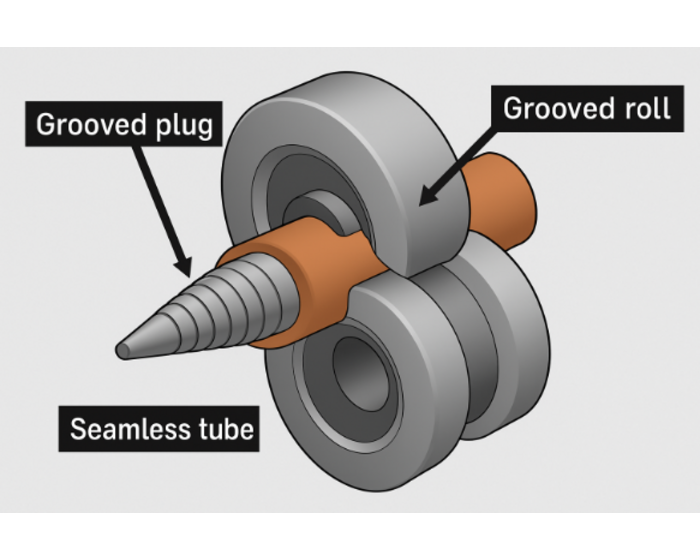
Choosing the right Grooved Plug and Grooved Roll ensures accurate control of tube diameter, wall thickness, and surface quality. This guide explains their roles and selection tips, with product recommendations from Fujilloy (Thailand). ■ What is the Tube Rolling Process? Tube rolling is a key manufacturing step for seamless metal tubes. It uses a combination of external pressure from the Grooved Roll and internal resistance from the Grooved Plug to define the tube's thickness, diameter, and surface quality. If either component is mismatched, it may lead to dimensional errors, uneven surfaces, or tube deformation. ■ Functions of the Grooved Plug A Grooved Plug is placed inside the tube during rolling. Its design directs metal flow and reduces internal friction. Key functions include: ・ Controlling internal diameter ・ Maintaining uniform wall thickness ・ Minimizing internal resistance ・ Ensuring a smooth inner surface ・ Reducing heat generation ■ Role of the Grooved Roll A Grooved Roll applies pressure from the outside. Its grooves interact with the plug to form the final tube shape. Main functions: ・ Controlling external diameter ・ Guiding metal flow around the plug ・ Enhancing roundness and wall consistency ・ Limiting vibration and deformation ■ Selection Criteria for Best Performance To ensure optimal rolling results, consider: ・ Type of metal: carbon steel, stainless steel, etc. ・ Tube size and target wall thickness ・ Required rolling force and speed ・ Environmental conditions: temperature, humidity, and duration ・ Ease of maintenance and expected tool life ■ Recommended Products from Fujilloy (Thailand) Co., Ltd. Fujilloy offers Grooved Plugs and Grooved Rolls tailored for seamless tube rolling with micron-level accuracy. Suitable for high-spec applications, including custom shapes and harsh production environments. ■ Key Features: ・ Micron-level precision for dimensional control ・ Supports special profiles: round, oval, custom shapes ・ Made with wear-resistant coatings ・ Operates under high temperature and pressure ・ Custom-made designs based on user specifications Fujilloy (Thailand) is an ideal partner for manufacturers seeking efficiency, durability, and accuracy in seamless tube production. ■ For technical details, download the PDF or contact Fujilloy (Thailand) Co., Ltd. #GroovedPlug #GroovedRoll #TubeRolling #SeamlessTube #Fujilloy #TubeRollingEquipment #HighPrecision #MetalIndustry #OEM

Carbide Material Selection for Mold Components|How to Avoid Common Pitfalls in Durability

Choosing the right carbide material significantly affects mold performance, lifespan, and production efficiency. This article explains key selection criteria, overlooked risks, and how Fujilloy’s carbide technology solves common issues in high-load environments. ■ Introduction: Why Carbide Selection Matters for Mold Components Mold components endure extreme pressure, wear, and temperature during operation. Choosing materials that combine hardness, toughness, and stability is essential. Carbide (cemented carbide) is a top choice for its resistance to wear and compressive forces — but not all carbide is the same. Each mold component requires a specific grade and composition to avoid long-term damage and inefficiency. ■ Core Properties of Carbide Materials to Understand Cemented carbide is made from tungsten carbide (WC) and a cobalt (Co) binder. Critical properties that affect performance include: ・ Hardness: Increases wear resistance but may reduce toughness. ・ Toughness: Prevents cracks from shock or vibration. ・ Grain Size: Finer grains improve hardness; coarser grains enhance toughness. ・ Cobalt Content (%): Higher Co improves toughness, lower Co improves wear resistance. A proper balance of these factors ensures your mold component performs reliably under actual production conditions. ■ Carbide Selection Guidelines by Application Each mold component faces different stresses. Here’s how to match carbide grades to application needs: ・ Punches / Dies → Fine grain, low Co: high hardness for wear resistance. ・ Guide Pins / Bushings → Medium grain, medium Co: balance of wear and toughness. ・ Moving Parts / Impact Zones → Coarse grain, high Co: absorbs shock, minimizes fracture risk. Matching material to function minimizes downtime and extends mold life. ■ 4 Key Mistakes to Avoid in Carbide Selection Even with technical specs in place, these overlooked issues often cause failures: 1. Poor Machinability ・ Ultra-hard carbides increase machining cost/time. Use optimized cutting or EDM tools. 2. Heat Buildup ・ Low thermal conductivity can cause cracks during high-speed runs. Use carbides with good heat dissipation for continuous operations. 3. Inconsistent Material Quality ・ Variability between production batches affects mold accuracy. Choose suppliers with rigorous QC standards. 4. Coating Incompatibility ・ Surface issues can reduce coating adhesion. Confirm material is compatible with PVD or other surface treatments. Thinking beyond hardness and toughness helps avoid costly downtime or repairs. ■ Fujilloy’s Carbide: Long-Life Mold Components Built for Precision Founded in 1949, Fujilloy specializes in cemented carbide tools for high-load environments like forging, stamping, and extrusion. Their materials offer: ・ High impact and heat resistance ・ Excellent coating compatibility ・ Superior grain and binder composition for your application ・ Proven performance in automotive, aerospace, and industrial sectors With Fujilloy, manufacturers reduce mold change frequency, avoid thermal cracking, and improve production flow — backed by advanced technical support. ■ Download the PDF for more information, or feel free to contact us anytime #CarbideMaterial #MoldComponents #PrecisionMolding #Fujilloy #WearResistance #HighPressureTooling #ThaiManufacturing #CementedCarbide #ToolSteel

Roll Materials for Hot Rolling | Reduce Waste and Improve Surface Quality

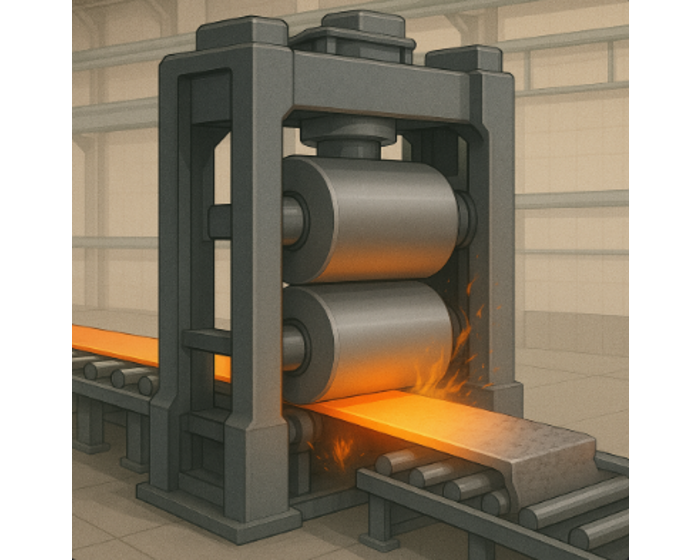
Choosing the right roll material in hot rolling processes is essential to reduce surface defects, enhance precision, and minimize production waste—directly lowering long-term costs for factories. 1. Why Roll Material Matters in Hot Rolling Hot rolling is critical in the production of metal sheets, bars, and coils. During this process, rolls must endure: ・ Extremely high temperatures ・ Heavy friction and compressive stress ・ Continuous wear and thermal fatigue If the roll material lacks these qualities, problems arise—such as rough surfaces, dimensional errors, and equipment failure. 2. How Roll Material Affects Product Quality Using the right roll material leads to: ・ Smooth, defect-free product surfaces ・ Stable and precise dimensions ・ Extended roll life, reducing downtime and maintenance ・ Fewer breakdowns and safety incidents This is especially vital for high-spec materials like silicon steel or automotive-grade steel, where surface finish and precision are non-negotiable. 3. Risks of Using Inferior Roll Materials Inadequate roll materials may cause: ・ Surface scale build-up and contamination ・ Scratches, dents, or cracks on the product ・ Heat-induced deformation of the roll itself These issues escalate scrap rates, increase rework costs, and lead to production delays—especially in Thai steel plants focused on export-grade products. 4. How to Select Suitable Roll Materials Important criteria include: ・ The metal type being processed ・ Temperature and pressure conditions ・ Surface finish requirements ・ Budget and available maintenance resources 5. Solution: High-Performance Rolls from Fujilloy Fujilloy, a trusted name in roll manufacturing, delivers durable and precise rolls designed for harsh hot rolling environments. Specifications: ・ Roll sizes up to φ584×384 mm ・ Corrective rolls up to φ290×785 mm Benefits of Fujilloy Rolls: ・ High resistance to heat and pressure ・ Smooth surface finish reduces defect rates ・ Long operating life = fewer replacements ・ Less production waste = more cost savings Ideal for factories aiming to boost yield and product consistency in hot rolling operations. ■ For more details, please download the PDF or feel free to contact us for further information. #HotRollingRolls #RollMaterial #SurfaceQuality #Fujilloy #MetalRolling #SteelProcessing #ScrapReduction #ThaiFactories #IndustrialEquipment #OEM

CVD Coating for Carbide Cutting Tools | Technology for Wear Resistance and High Precision

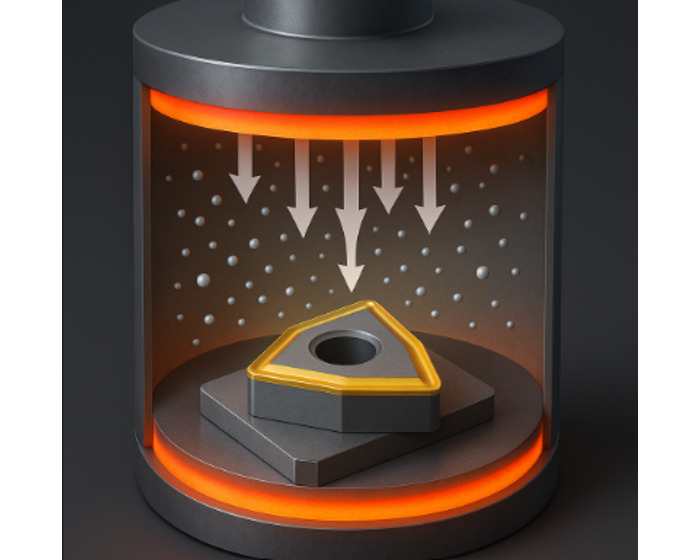
CVD coating technology dramatically improves the durability and cutting accuracy of carbide tools, reducing tool replacement costs and enhancing factory productivity — ideal for manufacturers prioritizing stable and precise operations. ■ 1. What is CVD Coating? CVD (Chemical Vapor Deposition) is a high-temperature process (800–1000°C) that forms a hard, wear-resistant film on the tool surface through chemical reactions in gas form. Typical materials include Titanium Carbide (TiC), Titanium Nitride (TiN), and Alumina (Al₂O₃). These coatings, generally 4–8 microns thick, are ideal for carbide cutting tools used in heavy-duty and high-precision machining environments. ■ 2. Key Features of CVD Coating CVD coatings greatly enhance tool hardness and heat resistance. The thicker layer adheres firmly to the base material, reducing issues like peeling or chipping. These coatings extend tool life, reduce scrap rates, and can be customized for different industrial machining tasks — from rough cutting to high-load operations. ■ 3. Applications and Suitable Use Cases CVD is commonly used in mass production industries, particularly for machining steel and cast iron at high speeds, heavy-load turning, or milling hard materials like Inconel and heat-resistant alloys. It’s especially effective for applications where edge retention and consistency are critical over long production runs. ■ 4. Differences Between CVD and PVD CVD and PVD (Physical Vapor Deposition) differ mainly in temperature, film thickness, and application focus. ・ CVD: High temperature, thick film (4–8μm), superior wear resistance — ideal for carbide tools in continuous cutting. ・ PVD: Lower temperature, thin film (<3μm), better surface finish — suited for precision tools and fine machining with high-speed steel. ■ 5. FUJILLOY’s CVD Coating Technology FUJILLOY develops CVD-coated carbide tools tailored to real manufacturing needs in Thailand. Their proprietary technology delivers longer tool life through optimized coating thickness and high wear resistance. By precisely controlling transverse rupture strength (TRS) and surface roughness, FUJILLOY tools minimize finishing work and ensure stability in precision production. Factories using FUJILLOY’s CVD-coated tools benefit from reduced costs, fewer tool changes, and improved part quality — especially in challenging cutting environments. #CVDcoating #CarbideCuttingTools #PrecisionMachining #FUJILLOY #FactoryProductivity #ToolLifeExtension #MetalCutting #TurningTools #ThaiManufacturing #FactorySolutions

Semiconductor Mold | Role, Micron-Level Precision, and Elevating Production Standards

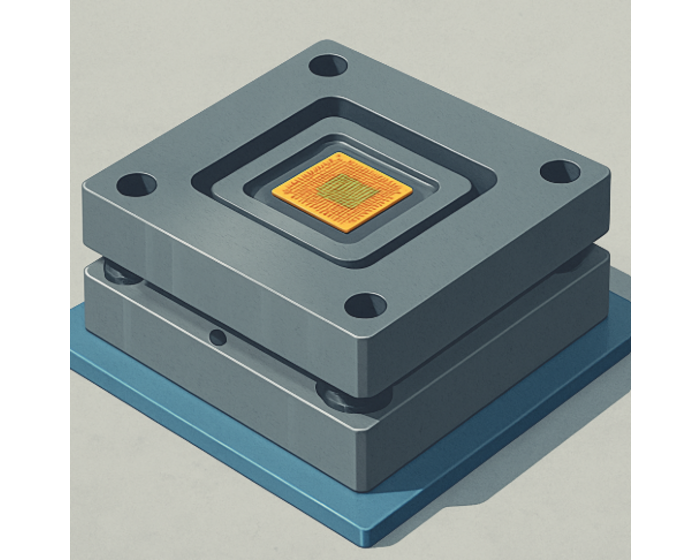
The mold is the heart of semiconductor manufacturing, enabling micron-level precision, controlling dimensional accuracy, and maintaining consistent product quality. It elevates production standards to meet the demands of today’s high-reliability, high-performance market. ■ Introduction: Precision at the heart of the semiconductor industry The semiconductor industry is among the world’s most quality-critical sectors, requiring ultra-small components with exceptional precision and uniformity across all parts. Strict quality control throughout every stage, especially during molding and packaging, demands high-quality molds that comply with global standards. ■ What is a mold in semiconductor manufacturing? A mold (or die) defines the shape and dimensions of critical semiconductor components such as lead frames, chip packages, and other high-precision elements. Molds enable micron-level dimensional accuracy, helping reduce defects, minimize scrap rates, and improve production efficiency. ■ Main roles of semiconductor molds ・ Control dimensions and precision Minimize deviations that may compromise assembly and device performance. ・ Ensure consistency Produce identical, uniform parts every cycle, reducing the risk of defects. ・ Save time and reduce costs Enable high-volume production faster, lower labor costs, and enhance line efficiency. ・ Support complex designs Allow the production of highly intricate structures needed for advanced technologies. ■ Challenges in mold design and maintenance Designing molds for semiconductors involves challenges such as: ・ Achieving micron or sub-micron level accuracy ・ Withstanding high temperatures and pressures during forming processes ・ Maintaining wear resistance and shape stability over long-term use ・ Preventing contamination that can impact electrical performance Regular maintenance — including thorough cleaning, surface inspections, and periodic adjustments — is vital to maintain quality and reduce production risks. ■ Criteria for selecting semiconductor molds ・ Mold material: must be strong, highly wear-resistant, and retain shape even under extreme conditions. ・ Precision and repeatability: must achieve consistent micron-level accuracy. ・ Certifications: compliance with standards such as ISO or other international industrial standards. ・ After-sales service: robust technical support, maintenance, and customization services. ■ Why choose molds from Fujilloy (Thailand) Co., Ltd.? Molds from Fujilloy (Thailand) Co., Ltd. are engineered specifically for semiconductor applications. They leverage advanced manufacturing technology to achieve micron-level accuracy, making them ideal for complex and delicate components. The molds use special materials that offer superior strength, wear resistance, and shape stability, extending service life and reducing total cost of ownership. Additionally, Fujilloy provides comprehensive services covering design, customization, and maintenance, ensuring stable, continuous production and consistent quality. Choosing Fujilloy molds is a strategic investment in enhancing production standards and gaining a competitive edge in the global market. #SemiconductorMold #MicronPrecision #ComponentManufacturing #FactoryQuality #StandardControl #CostReduction #Fujilloy #HighQualityMold #PrecisionMold

How to Choose Powder Compaction Molds | Extend Lifespan & Reduce Production Costs

Choosing the right powder compaction mold helps extend its lifespan, reduce production costs, and improve part quality to consistently meet strict industrial standards. ■ Introduction: The Importance of Powder Compaction Molds In high-precision industries such as automotive, electronics, and industrial machinery, powder compaction molds play a crucial role. They enable the forming of complex parts with minimal raw material usage while maintaining excellent quality. Selecting the right mold not only reduces post-processing steps but also improves overall manufacturing efficiency and product consistency. ■ Materials and Key Properties of Molds Powder compaction molds must withstand high pressure, wear, and heat during the compaction process. Therefore, carbide or special alloy materials are commonly used for their exceptional strength and durability. Key properties to consider include: ・ Hardness: Extends mold lifespan and minimizes damage during production ・ Wear resistance: Reduces frequent replacements and lowers long-term maintenance costs ・ High precision: Ensures parts achieve exact shapes and dimensions as required ・ High compressive strength: Withstands strong compaction forces without deformation ■ Custom Mold Design for Specific Parts A mold designed specifically for each part helps minimize post-processing work, save time and labor, and improve quality consistency. When designing, factors such as part shape, powder density, and shrinkage rate after sintering must be carefully analyzed to optimize performance and efficiency. ■ Cost and Maintenance Considerations Although high-quality molds require a higher initial investment, their longer service life and reduced repair or replacement needs make them more cost-effective in the long term. Regular maintenance — including thorough cleaning, wear inspections, and surface polishing — further extends mold lifespan and enhances production stability. ■ Why Choose Powder Compaction Molds from FUJILLOY (THAILAND) CO., LTD. FUJILLOY (THAILAND) CO., LTD. specializes in powder compaction molds, leveraging advanced carbide technology and over 60 years of global industry experience. FUJILLOY molds are engineered for exceptional precision, superior wear resistance, and outstanding compressive strength, helping manufacturers maintain consistent quality while reducing maintenance and downtime. If you are looking for molds that deliver top-level performance, cost-effectiveness, and long-term durability, powder compaction molds from FUJILLOY (THAILAND) CO., LTD. are the ideal choice. For more information or to download technical documents, please visit the FUJILLOY (THAILAND) CO., LTD. website. #PowderCompactionMold #PowderCompaction #ManufacturingIndustry #Carbide #HighPrecision #CostReduction #ExtendedLifespan #FUJILLOY #MoldDesign

Basic Guide to Dies and Plugs|Key Tools with Unique Roles for High-Precision Manufacturing

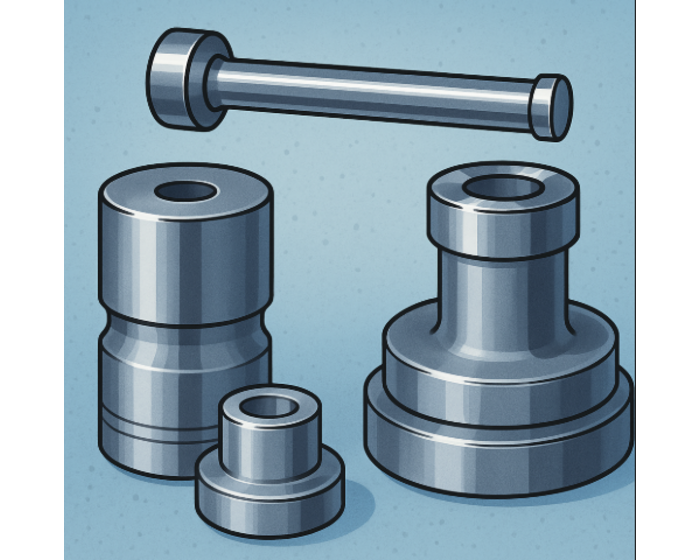
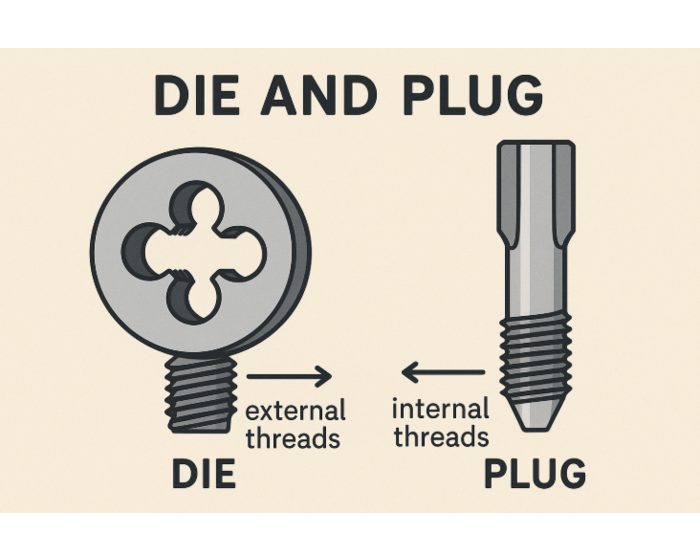
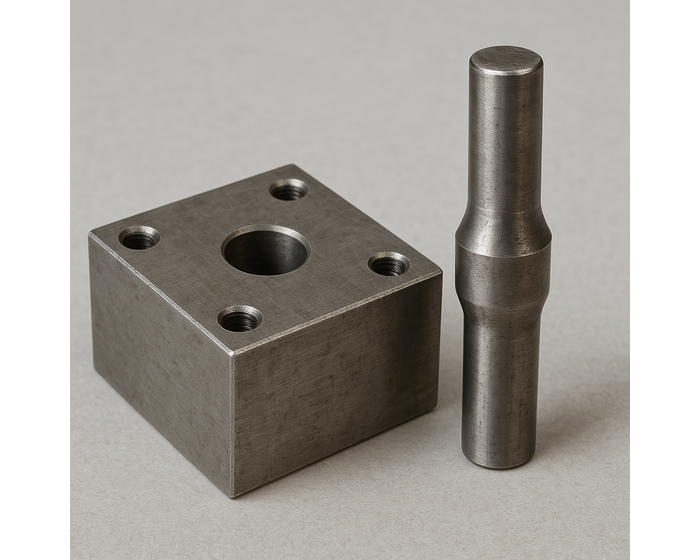
Dies and plugs are fundamental tools in metal forming. While each has a distinct role—external shaping for dies, internal support for plugs—they work in tandem to improve accuracy, reduce defects, and extend tool life. This article offers a beginner-friendly overview for engineers, factory staff, or anyone curious about forming tools in industrial production. ■ What Are Dies and Plugs? In metal forming methods such as extrusion, drawing, or sheet forming, dies and plugs are core components: ・ Die (Metal Mold): Shapes the outer contour of a workpiece under pressure. ・ Plug (Mandrel/Core): Supports the interior, controls wall thickness, and prevents collapse during forming. When used together, they create dimensionally accurate parts that meet strict industrial standards. ■ Key Functions of Dies Dies are engineered to suit various metal forming tasks: ・ Blanking Dies – Punch out flat parts or initial shapes ・ Forming Dies – Bend or contour the metal surface ・ Drawing Dies – Stretch materials into deeper shapes like cans or shells These tools are often made from tool steel or cemented carbide to withstand repetitive high-pressure forming. ■ Plug Function and Importance Working from the inside of the material, plugs help to: ・ Stabilize wall thickness ・ Prevent internal collapse or distortion ・ Distribute forming force evenly Plugs are especially important in deep drawing processes and tubular part production, ensuring part integrity and structural stability. ■ Why Dies and Plugs Work Better Together A well-designed die-plug system offers several production advantages: ・ Lower part distortion and deformation ・ Improved dimensional consistency ・ Reduced machine stress and maintenance ・ Faster production with fewer rejections Example: In cup manufacturing, the plug supports the internal cavity, while the die shapes the exterior—resulting in strong, precise, and defect-free parts. ■ Conclusion: Why Basic Knowledge Helps Engineers and Factories Understanding the role of dies and plugs helps improve production efficiency. It's not just about producing parts—it's about minimizing defects, improving SPC (Statistical Process Control), and extending tool lifespan. This knowledge is critical in automotive, electronics, and appliance manufacturing, where high volume and high precision are non-negotiable. ■ Featured Product: Carbide Dies and Plugs by FUJILLOY (THAILAND) CO., LTD. FUJILLOY (THAILAND) CO., LTD. offers high-durability carbide Dies and Plugs designed for demanding metal forming applications. Manufactured under strict quality control, these tools deliver exceptional wear resistance and dimensional accuracy. Key Product Features: ・ Long wear life for extended tool usage ・ Reduced cost per part ・ Enhanced production precision and process stability ・ Proven reliability in continuous high-load environments Ideal for industries such as: ・ Automotive ・ Electronics ・ Aerospace FUJILLOY also provides customization options to match specific production needs, supporting flexible and efficient manufacturing lines. ■ For more details, please download the pdf or feel free to contact us. #MetalForming #MetalMold #DeepDrawing #DiesAndPlugs #ManufacturingBasics #FactoryTools #IndustrialTechnology #PlugMandrel #PrecisionForming #ThaiIndustry

Strengths of Cemented Carbide|Extend Tool Life and Cut Costs

Cemented carbide is the go-to material for high-performance cutting tools, offering unmatched hardness, heat resistance, and wear durability—helping industries extend tool life, improve precision, and reduce costs. ■ What Is Cemented Carbide and What Makes It Special? Cemented carbide is made by combining ultra-hard tungsten carbide (WC) particles with cobalt (Co) as a binder. This mixture is sintered at high temperatures, resulting in a material that is both hard and tough—ideal for demanding machining applications. Key features include: ・ Hardness approaching that of diamond ・ Excellent toughness to withstand impact and cutting force ・ Maintains hardness at high temperatures ・ Long tool life even under high-speed machining ・ Capable of cutting hardened steel, titanium, and exotic metals ■ Core Advantages That Directly Impact Tool Life Extreme Hardness (HRA > 90) Its super-high hardness allows cutting of hard materials without damaging the cutting edge. This leads to: ・ Fewer tool changes ・ Less machine downtime ・ Lower labor costs ■ Outstanding Wear Resistance Cemented carbide maintains edge sharpness even under high-speed cutting conditions. ・ Prolongs tool usability ・ Reduces dimensional deviation ■ Thermal Stability at High Speeds Cemented carbide retains hardness even under intense heat from milling or turning at high RPMs. ・ Prevents tool deformation ・ Ensures process reliability ■ Impact and Crack Resistance When machining with unpredictable cutting forces, such as rough turning or interrupted cuts, its toughness helps prevent chipping and cracking. ・ Higher productivity ・ Reduced risk of sudden tool failure ■ Real Industrial Benefits Cemented carbide isn’t just reliable—it delivers measurable advantages: ・ 3–10x longer tool life than high-speed steel (HSS) ・ Lower cost per part due to durability and longer cutting cycles ・ Better dimensional accuracy and reduced surface defects ・ Versatility: Suitable for soft aluminum, hardened steel, titanium, and heat-resistant alloys ・ Coolant reduction possible in dry cutting operations ■ Further Improvement Through Materials Technology Modern advancements enhance cemented carbide’s already excellent performance: ・ Ultrafine WC grains: Sharper, longer-lasting edges ・ Additives (TiC, TaC): Boost crack and fatigue resistance ・ Advanced coatings (e.g., TiAlN, AlCrN): Improve heat and wear resistance dramatically ■ Featured Product: Cemented Carbide Technology by FUJILLOY (THAILAND) CO., LTD. FUJILLOY (THAILAND) CO., LTD. offers specialized cemented carbide solutions designed for high-pressure, high-temperature applications such as inter-forging. Technology highlights: ・ High-pressure and wear resistance ・ Significantly extends die and mold life ・ Improves production stability and dimensional accuracy Perfect for industries requiring extreme durability: ・ Automotive ・ Aerospace ・ Industrial machinery FUJILLOY’s carbide solutions enable longer tool life and more stable operations—helping factories cut costs and gain a competitive edge in manufacturing. ■ For more details, please download the pdf or feel free to contact us. #CementedCarbide #CuttingTools #ToolLife #MachiningSolutions #HeatResistance #WearResistance #Fujilloy #HighPrecision #IndustrialTooling #OEM

What Is a Semiconductor?|Discover the Heart of the Digital World

Semiconductors are the foundation of all modern electronics—enabling everything from CPUs to EVs. This article explains how they work, why they matter, and what the future holds. ■ What Is a Semiconductor? A semiconductor is a material with electrical conductivity between that of a conductor and an insulator. Common examples include silicon (Si) and germanium (Ge). These materials can change their conductivity depending on external conditions such as temperature, light, or voltage. This unique property allows semiconductors to control and manipulate electrical signals, making them indispensable in computers, smartphones, home appliances, vehicles, and industrial machinery. ■ How Do Semiconductors Work? The core mechanism of semiconductors lies in the pn junction, created by combining a p-type (hole-rich) and an n-type (electron-rich) semiconductor. ・ P-type: Contains "holes" or positive charge carriers ・ N-type: Contains free electrons or negative charge carriers At the junction, a potential barrier is formed. Whether current can pass through depends on how voltage is applied: ・ Forward bias allows current flow ・ Reverse bias blocks current This principle powers diodes and transistors. Transistors, in particular, act as both switches and amplifiers, and are critical components in logic circuits, CPUs, and memory chips. ■ Why Are Semiconductors Important? Semiconductors play a crucial role in the evolution of technology for several reasons: 1. Miniaturization and High Performance  Advanced semiconductor processes (e.g., 5nm, 3nm) enable compact, high-speed, and energy-efficient devices. 2. Cross-Industry Applications  They power not just IT, but also automotive, medical, energy, aerospace, and defense systems. 3. Energy Efficiency  Power semiconductors increase the efficiency of motor control and power conversion, supporting eco-friendly innovations like EVs and smart grids. In essence, semiconductors are not just components, but the digital infrastructure of modern life. ■ Challenges and the Future of Semiconductor Technology Despite remarkable progress, the semiconductor industry faces growing challenges: ・ Physical limits of transistor miniaturization ・ Rising R\&D and production costs ・ Material supply constraints (e.g., rare metals) However, emerging technologies such as: ・ Quantum computing ・ Optoelectronics (light-based semiconductors) ・ GAAFETs and new transistor architectures are paving the way for continued breakthroughs. The future of semiconductors remains highly dynamic and full of potential. ■ Featured Product: Semiconductor Molds by FUJILLOY (THAILAND) CO., LTD. In semiconductor manufacturing, precision is everything. FUJILLOY (THAILAND) CO., LTD. offers high-performance molds for resin forming, cutting, and bending, purpose-built for producing semiconductor chips and electronic modules. Key Features of FUJILLOY Molds: ・ Made from special-grade materials resistant to pressure and wear ・ Designed with micron-level precision using cutting-edge technology ・ Boost productivity and reduce costs across the production line ・ Proven performance in global automotive and electronics industries Our molds comply with strict production standards and are ideal for applications requiring high reliability and repeatability. ■ For more details, please download the pdf or feel free to contact us. #Semiconductor #Electronics #Transistor #CPUs #PowerSemiconductors #DigitalTechnology #PrecisionMold #Fujilloy #SemiconductorManufacturing #GAAFET

What Are Punch and Die?|Basic Metal Forming Components Every Engineer Should Know

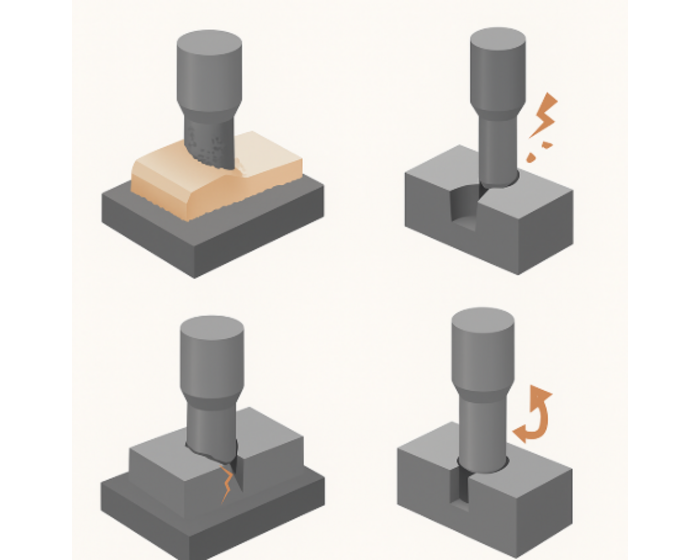
Punch and Die are essential tools in the metal forming process, responsible for cutting, shaping, and forming metal parts. Their precision directly impacts product quality in industries such as automotive and electronics. ■ What Are Punch and Die? A Punch is the upper part of a tool that strikes or presses onto a metal workpiece to pierce, cut, or form it into a specific shape. A Die is the lower part that acts as a cavity or base, receiving the material and defining the final form. Working together, they apply force to transform metal sheets into usable components. ■ Main Functions of Punch and Die ・ Punch: Delivers force to cut, drill, or shape the material. ・ Die: Provides support, guides the cutting or forming process, and ensures dimensional accuracy. In precision stamping, the Die's quality plays a critical role in achieving consistent and accurate results. ■ Variety in Design and Use Punch and Die systems are customized for different metal forming tasks, such as: ・ Blanking Die: Cuts workpieces from metal sheets. ・ Piercing Die: Punches holes into metal. ・ Forming Die: Bends or shapes the workpiece. ・ Compound Die: Performs multiple actions in one operation. The right design ensures maximum efficiency, reduced waste, and faster production. ■ Materials and Coatings Due to the high-stress nature of their work, Punches and Dies are typically made from high-strength tool steels like SKD11, with optional coatings such as TiN or TiCN to: ・ Extend tool life ・ Reduce surface friction ・ Prevent metal galling or adhesion ■ Why Choosing the Right Punch and Die Matters Selecting high-quality and well-matched Punch and Die ensures: ・ Reduced downtime and tooling costs ・ Lower scrap rates ・ Consistent quality in mass production ・ Greater competitiveness for your factory Using precisely engineered tooling directly improves both productivity and profitability. ■ Featured Product: Punches and Dies by FUJILLOY (THAILAND) CO., LTD. FUJILLOY (THAILAND) CO., LTD. offers high-precision Punches and Dies specifically designed for Powder Metallurgy (PM) forming in the automotive industry. Our Product Highlights: ・ Engineered from ultra-durable materials ・ Designed for high-precision applications ・ Reliable for long-term mass production These tools are ideal for automotive part manufacturers that demand high consistency, tight tolerances, and production reliability. FUJILLOY solutions help reduce costs, accelerate production, and enhance industrial competitiveness in the long term. ■ For more details, please download the pdf or feel free to contact us. #PunchAndDie #MetalForming #AutomotiveTooling #PowderMetallurgy #PrecisionDie #IndustrialStamping #ToolSteel #Fujilloy #MassProduction #OEM

Carbide Material | Properties and Applications in Industrial Manufacturing

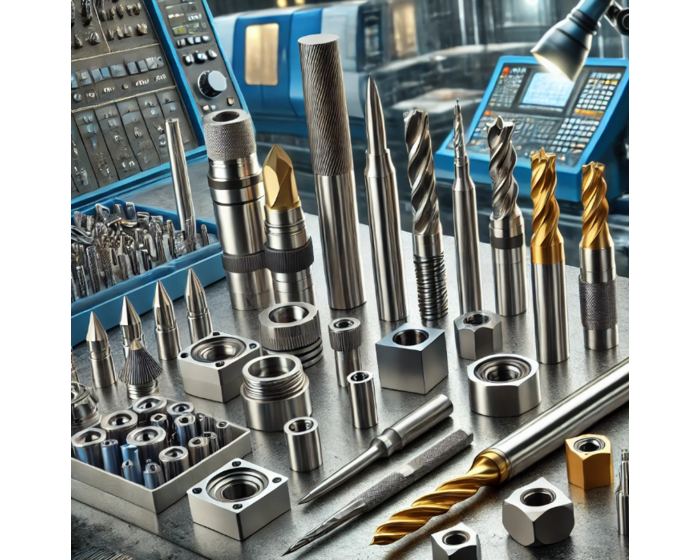
Carbide is an ultra-hard, wear-resistant material that outperforms steel in high-stress industrial applications such as cutting tools, dies, and precision machinery parts—helping manufacturers achieve longer tool life and lower production costs. ■ Strong Materials for Industrial Use Carbide is formed by combining metals like tungsten or titanium with carbon. The result is a material with extreme hardness, heat resistance, and wear durability—ideal for heavy-duty tasks in cutting tools, molds, and high-performance machine parts. ■ Key Properties of Carbide ・ Harder than conventional steels ・ Excellent wear resistance → long tool life ・ Heat-resistant, stable under extreme conditions ・ Retains precise dimensions → ideal for CNC machining ・ High compressive strength → withstands heavy loads ■ Types of Carbide Materials ・ Tungsten Carbide (WC): Highly durable, used in drill bits, end mills, cutting inserts, and dies ・ Titanium Carbide (TiC): High hardness, ideal for coatings and aerospace parts ・ Silicon Carbide (SiC): Lightweight, strong, used in electronics and heat-resistant structures ・ Boron Carbide (B₄C): Nearly as hard as diamond, used in armor and abrasives ■ Industrial Applications of Carbide ・ CNC cutting tools: drills, inserts, end mills ・ Metal forming dies and high-impact molds ・ Machinery parts in high-friction environments ・ Industrial nozzles (e.g., sandblasting) ・ Medical and electronic tools ■ Why Carbide is Widely Used ・ Lasts significantly longer than steel ・ Ensures precision in demanding operations ・ Reduces production cost through durability ■ Practical Use in Thailand’s Industries For manufacturers requiring dies and plug carbide tools, FUJILLOY (THAILAND) CO., LTD. provides high-performance carbide solutions. Their products are built with premium-grade materials, ensuring superior wear resistance and long service life. Industries served include: ・ Automotive ・ Electronics ・ Aerospace FUJILLOY also offers custom production based on client drawings and comprehensive support services to optimize your production line. ■ For more details, please download the pdf or feel free to contact us. Main product/process : https://prime.nc-net.com/92598/en/product/detail/239892 Download : https://en.nc-net.or.jp/company/92598/dl/catalog/k/e218a85f11bd61d22c933df7a776196e #CarbideMaterial #IndustrialCarbide #CuttingTools #TungstenCarbide #PrecisionMachining #MetalDies #PlugCarbide #HeatResistant #OEM #Manufacturing

CONTACT

Inquiry

This is the inquiry form for FUJILLOY (THAILAND) CO., LTD.. Please enter your inquiry.

This service is intended to provide consultation and opinion requests for processing projects.
Please do not use this information for self-promotion or sales activities.
If we receive a complaint from a recipient about the contents of the transmission, we may take measures such as forcibly stopping the use of the service.

Inquiry Type*Required
Message*Required
Attach file

Only image (jpeg, jpg, gif, png, pdf) and compressed file (zip, lzh) extensions are valid. Maximum file size 10MB