
FUJILLOY (THAILAND) CO., LTD.
SERVICE
Production Goods & Services
Carbide Material Selection for Mold Components|How to Avoid Common Pitfalls in Durability
Product Info
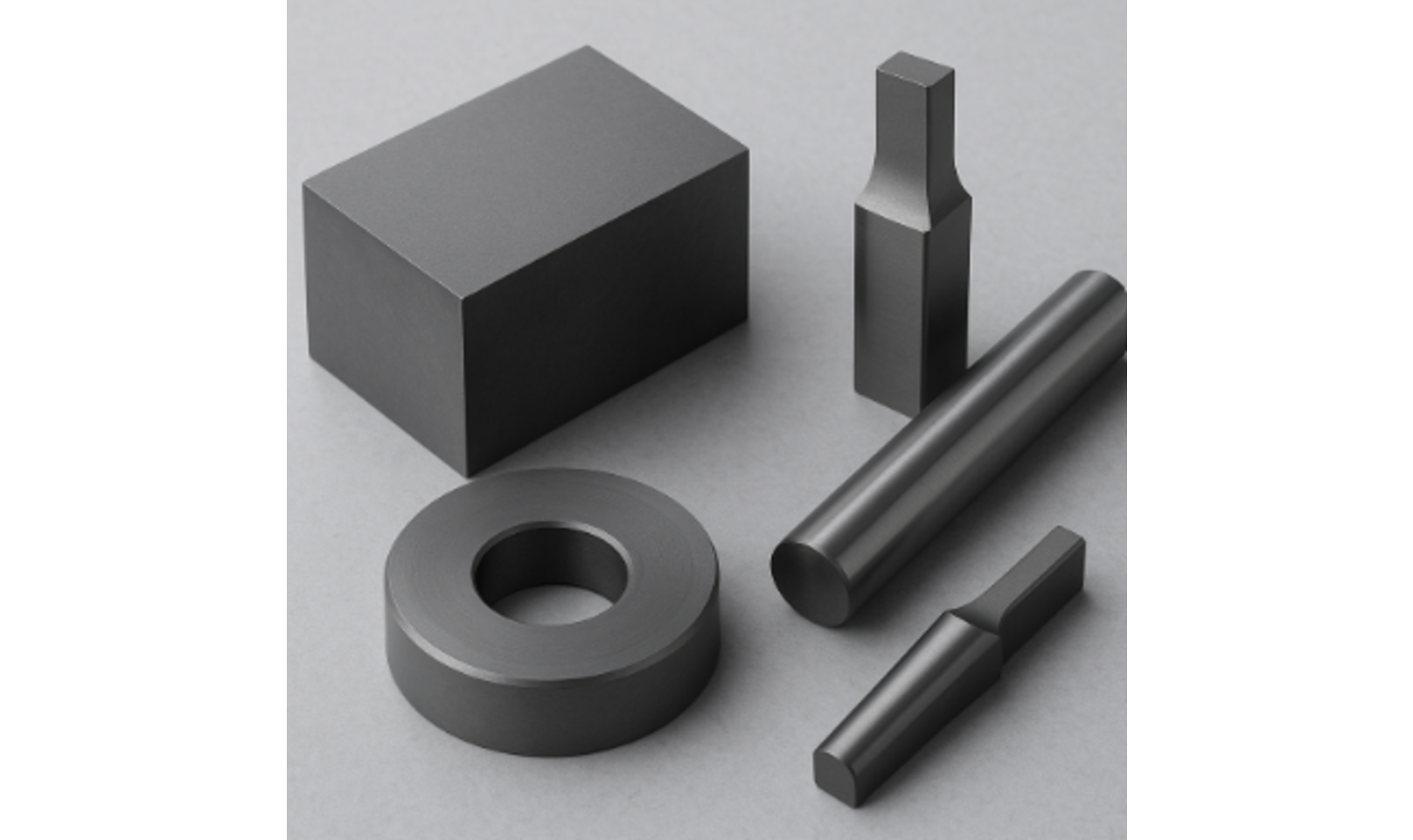
Choosing the right carbide material significantly affects mold performance, lifespan, and production efficiency. This article explains key selection criteria, overlooked risks, and how Fujilloy’s carbide technology solves common issues in high-load environments.
■ Introduction: Why Carbide Selection Matters for Mold Components
Mold components endure extreme pressure, wear, and temperature during operation. Choosing materials that combine hardness, toughness, and stability is essential. Carbide (cemented carbide) is a top choice for its resistance to wear and compressive forces — but not all carbide is the same. Each mold component requires a specific grade and composition to avoid long-term damage and inefficiency.
■ Core Properties of Carbide Materials to Understand
Cemented carbide is made from tungsten carbide (WC) and a cobalt (Co) binder. Critical properties that affect performance include:
・ Hardness: Increases wear resistance but may reduce toughness.
・ Toughness: Prevents cracks from shock or vibration.
・ Grain Size: Finer grains improve hardness; coarser grains enhance toughness.
・ Cobalt Content (%): Higher Co improves toughness, lower Co improves wear resistance.
A proper balance of these factors ensures your mold component performs reliably under actual production conditions.
■ Carbide Selection Guidelines by Application
Each mold component faces different stresses. Here’s how to match carbide grades to application needs:
・ Punches / Dies
→ Fine grain, low Co: high hardness for wear resistance.
・ Guide Pins / Bushings
→ Medium grain, medium Co: balance of wear and toughness.
・ Moving Parts / Impact Zones
→ Coarse grain, high Co: absorbs shock, minimizes fracture risk.
Matching material to function minimizes downtime and extends mold life.
■ 4 Key Mistakes to Avoid in Carbide Selection
Even with technical specs in place, these overlooked issues often cause failures:
1. Poor Machinability
・ Ultra-hard carbides increase machining cost/time. Use optimized cutting or EDM tools.
2. Heat Buildup
・ Low thermal conductivity can cause cracks during high-speed runs. Use carbides with good heat dissipation for continuous operations.
3. Inconsistent Material Quality
・ Variability between production batches affects mold accuracy. Choose suppliers with rigorous QC standards.
4. Coating Incompatibility
・ Surface issues can reduce coating adhesion. Confirm material is compatible with PVD or other surface treatments.
Thinking beyond hardness and toughness helps avoid costly downtime or repairs.
■ Fujilloy’s Carbide: Long-Life Mold Components Built for Precision
Founded in 1949, Fujilloy specializes in cemented carbide tools for high-load environments like forging, stamping, and extrusion. Their materials offer:
・ High impact and heat resistance
・ Excellent coating compatibility
・ Superior grain and binder composition for your application
・ Proven performance in automotive, aerospace, and industrial sectors
With Fujilloy, manufacturers reduce mold change frequency, avoid thermal cracking, and improve production flow — backed by advanced technical support.
■ Download the PDF for more information, or feel free to contact us anytime
#CarbideMaterial #MoldComponents #PrecisionMolding #Fujilloy #WearResistance #HighPressureTooling #ThaiManufacturing #CementedCarbide #ToolSteel
CATALOG
Related Catalogs
CONTACT
Inquiry