SERVICE
Production Goods & Services
24hits
Narrow by category
TS3000 Carbon Filter | High-Efficiency VOC & Odor Control for Industrial Spray Booths (85%+ ASHRAE)
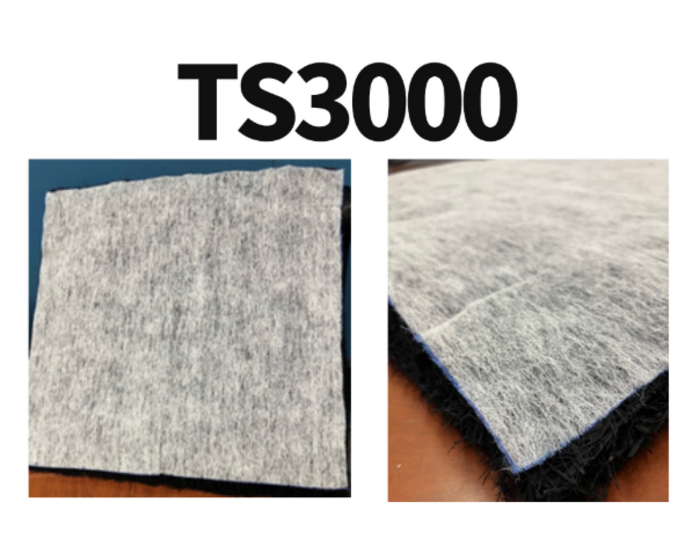
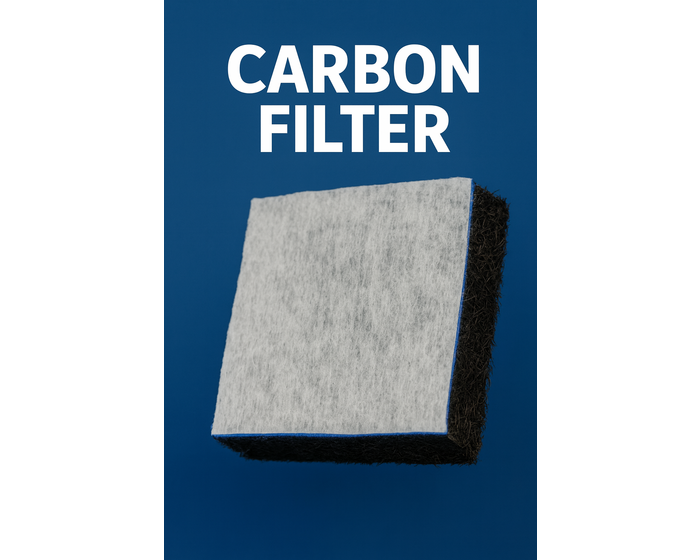
💡 Key Takeaways - TS3000 delivers 85%+ ASHRAE efficiency with an initial pressure drop of only 59 Pa - Dust Holding Capacity: 1300 g/m² → longer service life & reduced clogging - Two models: TS3000S (Dry Booth / Automotive) & TS3000H (High-VOC applications) - Anti-Clogging Pre-filter for extended filter lifespan and easy media replacement ーーーーーーーーーーーーーーーーーーーーーーーー In industrial spray-painting processes, overspray particles often accumulate inside the air system. If not controlled, this results in: - Odor and VOC buildup - Unstable booth pressure - Fast filter clogging - Poor surface finish and increased NG The TS3000 Carbon Filter is engineered to address these issues for both standard and high-VOC operations. 🔷 Why It Matters Many factories face downtime because overspray buildup clogs the filter, causing pressure drops and inconsistent coating quality. With its coconut-fiber activated carbon and Anti-Clogging Pre-filter, the TS3000 helps stabilize airflow, extend maintenance intervals, and reduce NG. 🔷 How It Works The TS3000 handles overspray, odor, and VOCs through three integrated layers: 1) Activated Carbon Adsorption Layer Coconut-fiber activated carbon with high porosity continuously adsorbs VOCs and odors. 2) Anti-Clogging Pre-filter Captures large paint particles before they reach the carbon layer → prevents clogging and extends filter life. (-Used in both TS3000S and TS3000H-) 3) Optimized Airflow Structure Multi-layer construction minimizes resistance, ensuring stable supply/exhaust airflow. 🔷 Series Differences (S vs H) ■ TS3000S — For Dry Booth / Automotive Booth - Size: 500 × 500 × 40 mm - Media: Coconut Fiber - Applications: Dry Booth, Automotive painting - Features: - Pre-filter reduces clogging - Media-only replacement when carbon is saturated ■ TS3000H — For High-VOC / Heavy-Load Exhaust - Size: 500 × 500 × 10 mm - Applications: High-VOC concentration / heavy-load ventilation - Features: - Pre-filter included - Handles higher paint & VOC loads Model Summary: - TS3000S → General paint operations - TS3000H → High-VOC or heavy-duty environments 🔷 Performance Data - Efficiency ≥ 85% (ASHRAE) - Dust Capacity 1300 g/m² - Pressure Drop 59 Pa initial / 160 Pa final (2.5 m/s) - Max Temp 80°C These values indicate stable airflow and long service life. 📘 Summary TS3000 Carbon Filter is engineered to efficiently remove overspray, odor, and VOCs. Both S and H models stabilize airflow, reduce clogging, and improve overall coating quality — helping reduce long-term operational costs. 📥 For full specifications or a quotation, contact our team or download the catalogue. ーーーーーーーーーーーーーーーーーーー ❓ FAQ Q1: What can the TS3000 filter? A: Paint overspray, odor, VOCs, and airborne paint dust. Q2: How frequently do I need to replace it? A: With a Dust Capacity of 1300 g/m², the replacement cycle is much longer than standard filters. Q3: Why two models (S/H)? A: To match different load levels: - S → Standard painting - H → High-VOC/heavy-load applications ーーーーーーーーーーーーーーーーーー 🔗 Cluster Internal Link Basic Knowledge: https://prime.nc-net.com/100377/en/product_others/detail_goods/27596 Advance Knowledge: https://prime.nc-net.com/100377/en/product_others/detail_goods/27598 --- 📚 Glossary - VOC: Volatile Organic Compounds - Adsorption: VOC capture by activated carbon - Pre-filter: Captures large particles before main media - Pressure Drop: Air resistance across the filter - Dust Holding Capacity: How much particulate the filter can retain 📖 References 1. TS3000 – Technical Data Sheet 2. Carbon Filter Series – Product Catalogue 🔒 Verified Information - Yuki Okuno – Project Leader, TS Coating (Thailand) - TS3000 Technical Data Sheet - Carbon Filter Series Catalogue #TS3000 #CarbonFilter #VOCRemoval #IndustrialSprayBooth #AirFiltration #OversprayControl #ActivatedCarbon #SprayBoothFilter #AirQualityManagement #IndustrialAirQuality 📆 Updated: 2025-11-24
TS5000 Carbon Filter | Auto-switch System Maintains 85%+ Efficiency Under Heavy Load
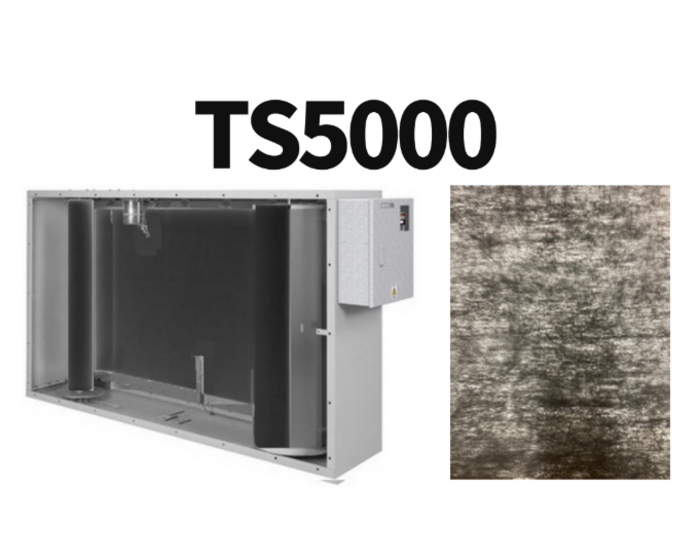
🌟 Key Takeaways - TS5000 is a carbon filter engineered for long-term, continuous industrial operation. - Equipped with an Auto-switch function that activates a fresh filter layer once saturation is reached. - Maintains ≥85% filtration efficiency (ASHRAE standard) across heavy-duty coating environments. - Available in two models: TS5000S (Polyolefin) and TS5000K (Nonwoven / Half-cost option). - Ideal for paint booths requiring reduced downtime and consistent VOC control. ーーーーーーーーーーーーーーーーーーーーーーーーー In continuous coating operations such as automotive, plastics, and electronics, filters often clog quickly, causing pressure drops and production interruptions. Maintaining stable airflow and VOC control is essential for ensuring coating quality and preventing unplanned downtime. 🔷 Auto-switch for Continuous Operation The TS5000 Carbon Filter is designed to support uninterrupted workflow. Its Auto-switch mechanism automatically shifts to a fresh filter layer once the front layer reaches saturation. This maintains stable pressure, prevents VOC buildup, and minimizes maintenance-related stoppages. 🔷 Industrial-grade Filtration Standards The TS5000 series follows the same specification range as TS1000/TS3000, offering ≥85% ASHRAE efficiency, 1300 g/m² dust holding capacity, and a pressure loss profile of 59 Pa initial / 160 Pa final—ideal for high-load paint operations. 🔷 Two Model Variants ■ TS5000S – Long-term Operation Model (Polyolefin) Size: 1850 mm × 20 m × 1 mm Material: Polyolefin Application: Continuous long-run coating lines Key Features: - Auto-switch system - Stable performance under high VOC load ■ TS5000K – Cost-sensitive Model (Nonwoven) Size: 1000 mm × 20 m × 1 mm Material: Nonwoven Fabric Key Features: - Functions similar to TS5000S - Half-cost alternative - Flame-retardant 📘 Summary TS5000 enhances workflow stability by keeping filtration efficiency steady even under high VOC load. The Auto-switch mechanism significantly reduces downtime, making it an ideal choice for continuous painting operations. 📥 For full specifications or a quotation, contact our team or download the catalogue. ーーーーーーーーーーーーーーーーーーーー ❓ FAQ Q1: How does the Auto-switch system work? It automatically activates a new filter layer when the current one becomes saturated. Q2: What applications is TS5000 suited for? Continuous paint lines with heavy VOC load or systems requiring stable pressure performance. Q3: How is it different from TS3000? TS3000 is a panel-type filter, while TS5000 is a 20 m roll type featuring Auto-switch for continuous operation. ーーーーーーーーーーーーーーーーーーーー 🔗 Cluster Internal Link ● Basic Knowledge: https://prime.nc-net.com/100377/en/product_others/detail_goods/27604 ● Advance Knowledge: https://prime.nc-net.com/100377/en/product_others/detail_goods/27653 📚 Glossary - Auto-switch: Automatic layer-switching mechanism - VOC: Volatile Organic Compounds generated in coating processes - Dust Holding Capacity: How much particulate the filter can retain - Initial Pressure Loss: Starting airflow resistance - Polyolefin: Material used in TS5000S - Nonwoven Fabric: Material used in TS5000K 📖 Reference 1. Carbon Filter Series – Product Catalogue (TS5000S / TS5000K) 🔒 Trust All information is based on the Carbon Filter Series Catalogue and validated by Yuki Okuno – Project Leader, TS Coating Thailand. #TS5000 #CarbonFilter #AutoSwitch #VOCControl #IndustrialCoating #LongTermOperation #AirFiltration #ASHRAE85 #CoatingIndustry #FilterSystem 📆 Updated: 2025-11-24
Photocatalytic Air Supply Filter | Air Filter for Viruses, Bacteria, Toxins & Odors
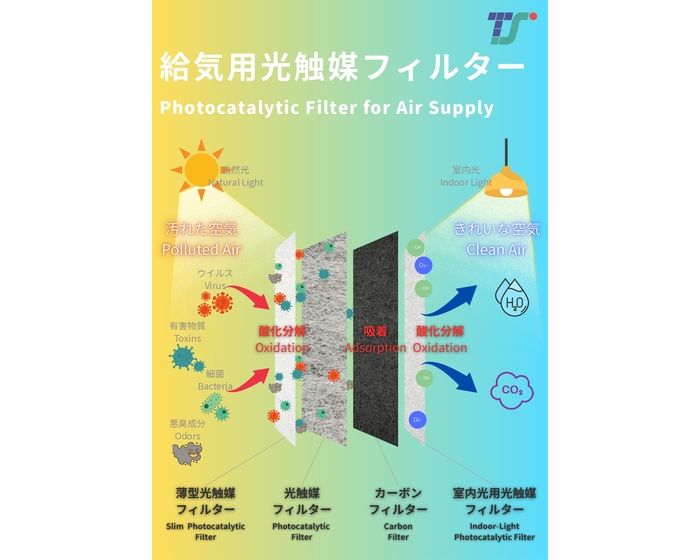
🌟 Key Takeaway - Designed for air supply systems - Shown in the document to target viruses, bacteria, toxins, and odors - Activated by natural light and indoor light - Three-step process: Oxidation → Adsorption → Oxidation - Four filter types shown: Slim Photocatalytic / Photocatalytic / Carbon / Indoor-Light Photocatalytic ──────────────────────── Air quality entering a production environment directly affects process stability. Outdoor air may carry viruses, bacteria, odors, and organic pollutants that impact coating, food processing, or controlled workspaces. The photocatalytic filter concept in the document is designed to address these contaminants at the point of air intake. 🔷 Filter Mechanism 1. Oxidation — Activated by natural and indoor light; icons show O₂– and •OH radicals 2. Adsorption — Carbon layer adsorbs odors and organic compounds 3. Oxidation (final stage) — Produces H₂O and CO₂ before releasing clean air 🔷 Filter Types - Slim Photocatalytic Filter - Photocatalytic Filter - Carbon Filter - Indoor-Light Photocatalytic Filter 🔷 Why This Filter Matters Incoming air is a major carrier of viruses, odors, and chemical pollutants. A light-responsive photocatalytic filter that oxidizes and adsorbs contaminants helps maintain cleaner, safer production environments. 🔷 Before–After Comparison Before: Viruses / Toxins / Bacteria / Odors After: Clean Air (H₂O・CO₂) 🔷 Applications / Use Cases Suitable for air supply systems such as: - Paint booths - Mixing rooms - Food production lines - Spaces requiring odor control 🔷 Insight The photocatalytic filter concept focuses on light-activated reactions, not just trapping contaminants. It breaks down pollutants through oxidation, offering an additional layer of air treatment. 📘 Summary The photocatalytic air supply filter concept shown in the document helps manage viruses, bacteria, toxins, and odors through Oxidation + Adsorption before air enters production processes. 📥 Contact For more information, please contact the TS Coating (Thailand) sales team. ーーーーーーーーーーーーーーーーー ❓ FAQ Q1: What is the main mechanism shown in the document? A: The three-step process: Oxidation → Adsorption → Oxidation, activated by natural and indoor light. Q2: What filter types appear in the document? A: Slim Photocatalytic, Photocatalytic, Carbon, Indoor-Light Photocatalytic. Q3: What contaminants does the filter address? A: Viruses, bacteria, toxins, and odors (as indicated in the diagram). Q4: What systems is this filter used for? A: Air supply systems such as paint booths, mixing rooms, food lines, and odor-controlled spaces. ーーーーーーーーーーーーーーーーー 📚 Key Terms - Photocatalytic Filter: A filter activated by light to help decompose pollutants - Oxidation: Light-triggered breakdown of contaminants - Adsorption: Capture of odors and organics onto filter surfaces - Carbon Filter: Layer that adsorbs VOCs and odors - Air Supply System: Air intake feeding into production areas - VOC: Volatile organic compounds causing odor and contamination 📖 Reference - Photocatalytic Filter for Air Supply – Page 1, Internal Validation 🔒 Trust Reviewed by Yuki Okuno – Project Leader, TS COATING (THAILAND) CO., LTD. Information sourced from -Photocatalytic Filter for Air Supply – Page 1-. #PhotocatalyticFilter #AirSupplySystem #AirPurification #VirusControl #OdorRemoval #CarbonFilter #IndustrialAirQuality #CleanAirTechnology #FactoryAirManagement #TSCoating 📆 Updated: 2025-11-24
TS Scrubber System|Odor Control Solution for Paint Booths
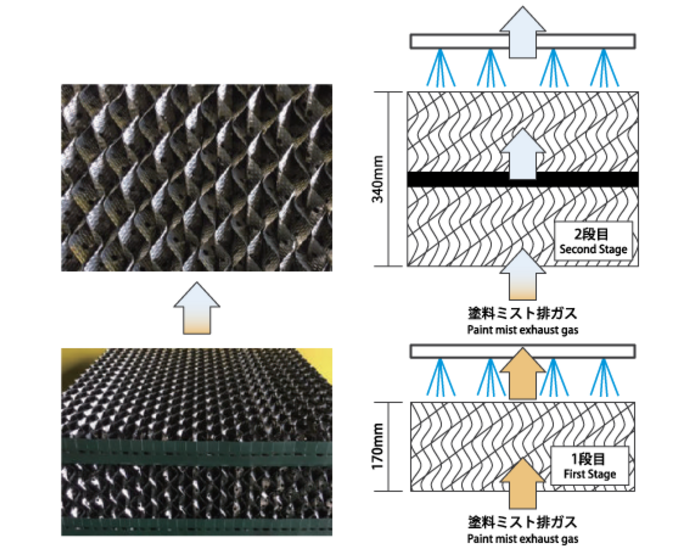
The TS Scrubber System is a wet air purification system designed to effectively eliminate paint mist and solvent odors emitted from paint booths. This system utilizes two specialized chemicals—TS1502 and TS1400—to efficiently capture and absorb harmful substances from exhaust air. ■ Features - High-Efficiency Mist Removal: TS1502 promotes the coagulation and elimination of paint mist, improving air quality in the workspace. - Solvent Odor Absorption: TS1400 absorbs solvent odors, creating a cleaner and safer working environment. - Chemical Reusability: TS1400 can be regenerated through vacuum distillation, helping reduce long-term operational costs. - Clog-Free System Design: The chemical properties prevent clogging within the scrubber system, ensuring consistent performance. - Environmental Responsibility: By removing hazardous substances from exhaust gases, the system reduces environmental impact and complies with air pollution control standards. ■ Specifications - Chemicals Used: TS1502 (paint mist coagulant), TS1400 (solvent adsorbent) - Regeneration Method: TS1400 is reusable through vacuum distillation - Installation: Installed in the exhaust line of the paint booth ■ Applications - Paint booths in automotive parts factories - Metal product painting lines - Plastic product painting processes - Other manufacturing industries with painting operations The TS Scrubber System is the ideal solution for factories in Thailand—including locations like Bangkok and Ayutthaya—that require reliable and professional exhaust gas treatment in painting operations. ■ For more details, please download the PDF or feel free to contact us at any time. #PaintBooth #OdorControl #AirPurification #ScrubberSystem #FactorySolutions #ThailandIndustry #ExhaustGasTreatment #IndustrialSafety #EcoFriendly #OEM #TSScrubberSystem #PaintBoothOdorControl #PaintMistRemovalThailand #ExhaustGasTreatmentForPaintBooths #SolventOdorAbsorptionSystem
TS Scrubber System|All-in-One Exhaust Treatment for Paint Booths
The TS Scrubber System is an all-in-one wet air purification solution that removes paint mist, solvent odors, and VOCs from paint booth exhaust. It helps factories in Thailand reduce air pollution, improve workplace safety, and comply with strict environmental standards—all with one compact system. ■ Key Features - Paint Mist Removal: Efficient coagulation and elimination of paint particles using TS1502. - Odor & VOC Adsorption: TS1400 absorbs solvent odors and VOCs, creating a safer workspace. - Cost-Saving Operation: TS1400 can be regenerated via vacuum distillation for reduced expenses. - Stable Performance: Proprietary chemicals ensure consistent treatment efficiency. - Clog-Free Design: Prevents blockages and maintains long-term reliability. - Flexible Models: Available in both single-tower and dual-tower designs, suitable for small to large factories. ■ System Specifications (Standard Model) - Type: Single-tower / Dual-tower - Chemicals: TS1502 (paint mist treatment), TS1400 (odor & VOC adsorption) - Installation: Direct connection to paint booth exhaust duct - Regeneration: TS1400 reusable by vacuum distillation ■ Applications The TS Scrubber System is ideal for a wide range of industries in Thailand, including: - Automotive parts paint booths - Metal product and home appliance painting lines - Plastic painting processes in molding factories - General industrial paint spraying operations Proven installations are already in place across Bangkok, Ayutthaya, Chonburi, and Rayong, with system design and implementation provided by TS COATING (THAILAND) CO., LTD. ■ For more information, please download the PDF or feel free to contact us anytime. #TSScrubberSystem #AllInOneExhaustTreatment #PaintBoothOdorControl #VOCRemovalSystemThailand #IndustrialAirPurificationSystem #PaintMistRemoval #ExhaustGasTreatment #ThailandIndustry #FactorySolutions #EcoFriendly #OEM
Deodorizing Carbon Filter|Efficient VOC and Odor Removal for Paint Booths
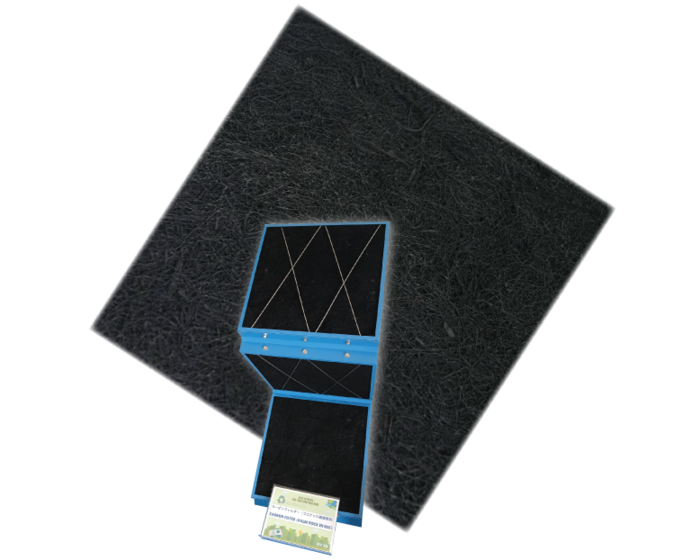
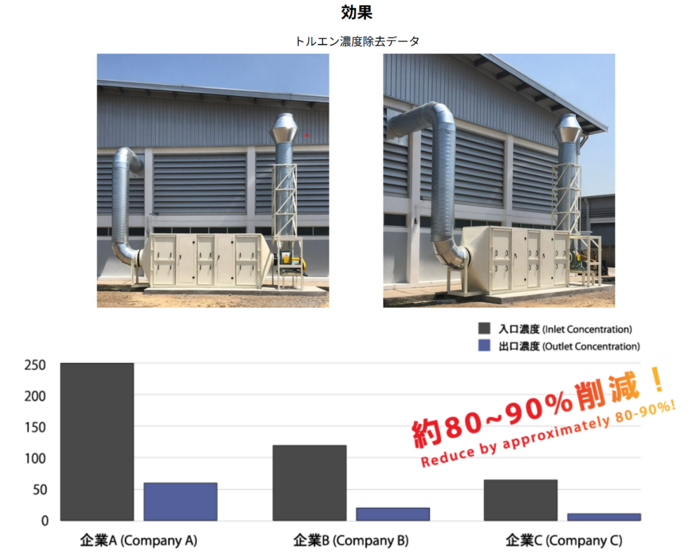
This product is a deodorizing carbon filter made from natural coconut fiber material, specifically designed for use in paint booths and industrial exhaust systems. It effectively absorbs and removes volatile organic compounds (VOCs), toluene, and odors caused by paint mist, helping to improve air quality both inside and outside the factory. ■ Key Features - Reduces VOC and toluene concentrations by approximately 80–90% - Made from natural coconut fiber, helping reduce environmental impact - Low initial cost and up to 5x lower operating cost compared to conventional filters - Easy to replace with a universal size design, suitable for various applications - Ideal for paint booths, drying ovens, and environments using organic solvents ■ Specifications - Models: TS-1000H, TS-1000S - Sizes: 500×500×10 mm / 500×500×40 mm - Weight: 220g (10 mm thickness) - Initial pressure drop: 10 Pa - Final operating pressure: 200 Pa - Heat resistance: up to 80°C ■ Applications - Paint booths in automotive parts and metal product manufacturing - Plastic product painting lines - Workspaces that use organic solvents - Any area requiring odor control and VOC filtration in the exhaust air system Developed and supplied by TS COATING (THAILAND) CO., LTD., this filter is customized to match the needs of industrial operations in Thailand, ensuring reliable performance in Bangkok, Ayutthaya, Chonburi, and Rayong. ■ For more information, please download the PDF or contact our team directly. We’re here to help. #DeodorizingCarbonFilter #VOCRemovalFilterThailand #PaintBoothOdorControlFilter #CoconutFiberCarbonFilter #IndustrialExhaustOdorTreatment #OdorControl #AirPurification #FactorySolutions #ThailandIndustry #EcoFriendly #OEM
Commercial Carbon Filter|Specialized VOC Removal for Paint Booth Exhaust
This product is a commercial-grade carbon filter made from natural coconut fiber, engineered to efficiently remove volatile organic compounds (VOCs) and paint-related odors generated in paint booths and solvent-handling processes. Compared to traditional activated carbon towers, this filter offers superior performance in installation space, initial cost, and ease of maintenance—while supporting compliance with VOC regulations and promoting worker safety and environmental protection. Provided by TS COATING (THAILAND) CO., LTD., this solution is designed specifically for industrial applications in Thailand. ■ Key Features - Removes up to 80–90% of VOCs and toluene, verified by third-party testing - Requires no electricity; operates via passive adsorption - Made from natural coconut fiber, eco-friendly and easy to dispose of - Tool-free filter replacement, no special skills required - Compact design – no need for bulky carbon towers - Supports compliance with environmental and workplace safety regulations ■ Specifications - Sizes: 500×500×40 mm (TS-1000S) / 500×500×10 mm (TS-1000H) - Weight: 220g (TS-1000S) / 200g (TS-1000H) - Initial Pressure Drop: 10 Pa - Final Operating Pressure: 200 Pa - Maximum Temperature Resistance: 80°C ■ Comparison: Key Differences Between the Deodorizing Carbon Filter and Conventional Activated Carbon Towers ● Initial Cost - Deodorizing Carbon Filter: ⭐⭐⭐ / Low - Traditional Activated Carbon Tower: ⭐⭐ / Medium to High ● Running Cost - Deodorizing Carbon Filter: ⭐⭐⭐ / Less than 1/5 of the traditional cost - Traditional Activated Carbon Tower: ⭐ / High; requires electricity and maintenance ● Maintenance - Deodorizing Carbon Filter: ⭐⭐⭐ / Easy replacement, no special tools required - Traditional Activated Carbon Tower: ⭐ / Requires regular cleaning and part replacements ● Installation Space - Deodorizing Carbon Filter: ⭐⭐⭐ / Space-saving, no large tower needed - Traditional Activated Carbon Tower: ⭐ / Requires large installation area ● Environmental Friendliness - Deodorizing Carbon Filter: ⭐⭐⭐ / Made from natural materials, easy to dispose - Traditional Activated Carbon Tower: ⭐⭐ / Environmentally friendly, but disposal process is more complex ■ Applications - Paint booth and drying oven exhaust treatment - Toluene, xylene, and other solvent odor removal - Production sites that require VOC regulation compliance - Small and mid-sized factories seeking simplified exhaust solutions ■ Service Area & Support Locations The Commercial Carbon Filter is available nationwide in Thailand via TS COATING (THAILAND) CO., LTD., with fast delivery and after-sales support. - Head Office: 1/11 Bangna Thani Bldg., 5B Floor, Soi Bangna–Trad 34, Bangna Tai, Bangna, Bangkok 10260 - Factory: Hi-Tech Industrial Estate, 135 Moo 1, T. Banlane, A. Bangpa-In, Ayutthaya 13160 ■ For more information, please download the PDF or contact our team. We’re ready to support your clean air and VOC control needs. #CommercialCarbonFilter #VOCRemovalCarbonFilterThailand #PaintBoothExhaustFilter #CoconutFiberCarbonFilter #IndustrialOdorControlSystem #OdorControl #AirPurification #ExhaustGasTreatment #ThailandIndustry #FactorySolutions #EcoFriendly #OEM
TS1502C Coagulant|Dual Solution for Paint Odor Control and COD Reduction in Industrial Wastewater
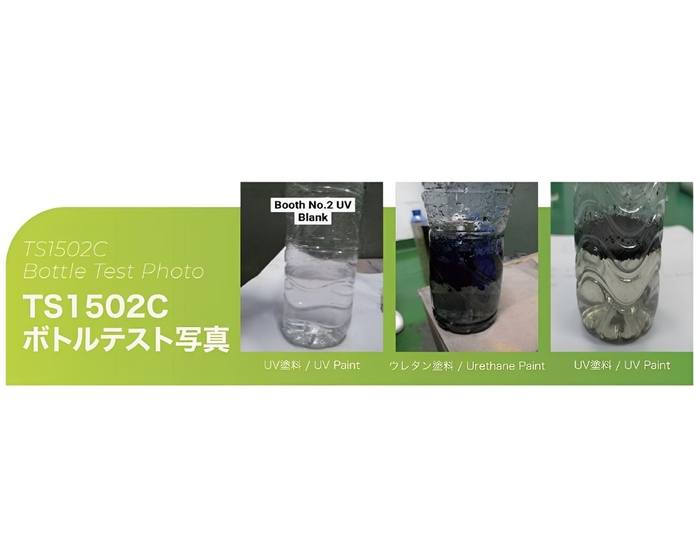
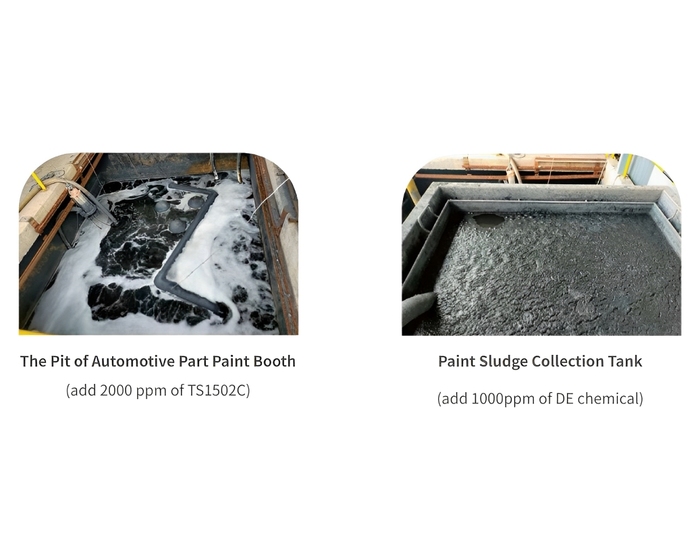
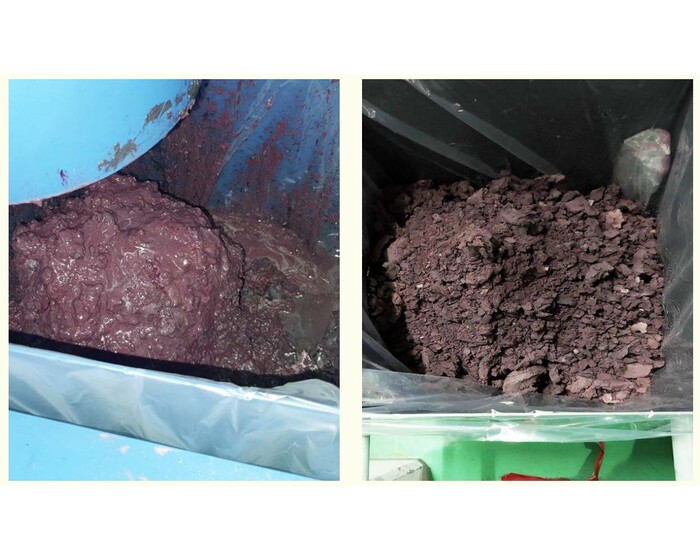
TS1502C is a high-performance coagulant specifically developed to tackle two major challenges in paint booth operations: odor reduction and COD (Chemical Oxygen Demand) load reduction in wastewater treatment. It is ideal for factories that use water to clean paint mist and solvent compounds, delivering effective results in odor suppression, sludge removal, and significant COD reduction. The product is widely used across Thai paint factories and component manufacturers, with on-site testing and local technical support available. ■ Key Features - Adsorbs and decomposes odor-causing organic compounds, effectively reducing paint-related odors - Reduces COD concentrations by up to 90%, verified by internal lab testing (COD Reduction) - Forms flocs that aggregate floating sludge, allowing for efficient removal (Sludge Collection) - No electricity required – simple dosing method, compatible with existing systems (Low-Maintenance Solution) - Optional formulations available: antibacterial type, rapid coagulation type - Specially optimized for paint booth wastewater treatment in industrial settings ■ Specifications - Product Name: TS1502C - Form: Liquid (with settling properties) - Volume: 18L - Usage: Manual dilution or automatic dosing system compatible - Options: Available in versions with antibacterial additives or reaction enhancers ■ Applications - Paint booths for automotive and metal parts - Plastic product painting lines - Wastewater treatment in coating processes - Removal of floating sludge and improvement of wastewater clarity - Odor control for VOCs and organic solvents ■ Proven Results in Thailand - Trusted by both Japanese-owned and local Thai factories - On-site testing and sample provision available for industrial trials ■ Service Area & Support Locations TS1502C is distributed and supported by TS COATING (THAILAND) CO., LTD., with full coverage across Thailand including Bangkok and Ayutthaya. Our local team provides technical consultation, implementation support, and post-installation follow-up. - Bangkok Head Office: 1/11 Bangna Thani Bldg., Soi Bangna–Trad 34, Bangna Tai, Bangkok - Ayutthaya Factory: Hi-Tech Industrial Estate, Bangpa-In, Ayutthaya Unpleasant paint odors, polluted wastewater, and tightening environmental regulations—TS1502C is the on-site solution trusted by factories across Thailand. ■ For more information, please download the PDF or contact our team. We're here to help. #TS1502CCoagulant #PaintBoothOdorControlChemical #CODReductionWastewater #PaintBoothWastewaterSolutionThailand #IndustrialOdorAndSludgeRemoval #OdorControl #WastewaterTreatment #FactorySolutions #ThailandIndustry #EcoFriendly #OEM
TS1502C|One Solution to COD, Odor, and Sludge Issues in Paint Booth Wastewater
The TS1502C Coagulant is a multi-purpose sludge treatment chemical that tackles three major wastewater challenges in paint booth operations: high COD, strong odors, and floating sludge. With simple dosing, it helps factories in Thailand improve wastewater quality, reduce operating costs, and stay compliant with discharge regulations. ■ Key Features of TS1502C - Significantly reduces COD levels in wastewater (verified by internal testing) - Effectively neutralizes odors from paint and organic solvents - Strongly binds fine sludge particles into flocs for easy separation - Supports both settling and floating separation treatment methods - Can be added directly to existing wastewater systems—no need for equipment changes - Available in antibacterial and fast-acting formulations ■ Product Details - Product Name: TS1502C - Form: Liquid (with sedimentation properties) - Usage: Can be manually diluted or used with an automatic dosing system - Available Options: Antibacterial-enhanced and reaction-accelerated versions ■ Applications - Paint booth wastewater treatment and odor control - Separation of floating paint sludge and paint residues - Wastewater management in automotive, metal, and plastic painting lines - Factories needing to meet COD discharge limits - Facilities looking to reduce system load and cut maintenance costs ■ Sales & Support in Thailand Manufactured and distributed by TS COATING (THAILAND) CO., LTD., this product is available nationwide —especially in industrial zones across Bangkok, Ayutthaya, and surrounding areas. We offer on-site testing, customized dosage proposals, and full technical support throughout implementation. High COD, strong odors, and floating paint sludge—TS1502C solves them all in one solution. ■ For more information or to download the PDF, please contact our team anytime. #TS1502CCoagulant #PaintBoothWastewaterTreatment #CODReductionChemicalThailand #IndustrialOdorAndSludgeRemoval #SludgeTreatmentCoagulantForFactories #OdorControl #WastewaterTreatment #ThailandIndustry #FactorySolutions #EcoFriendly #OEM
TS1502C|One-Step Solution for Odor and BOD Reduction in Food Wastewater Pits
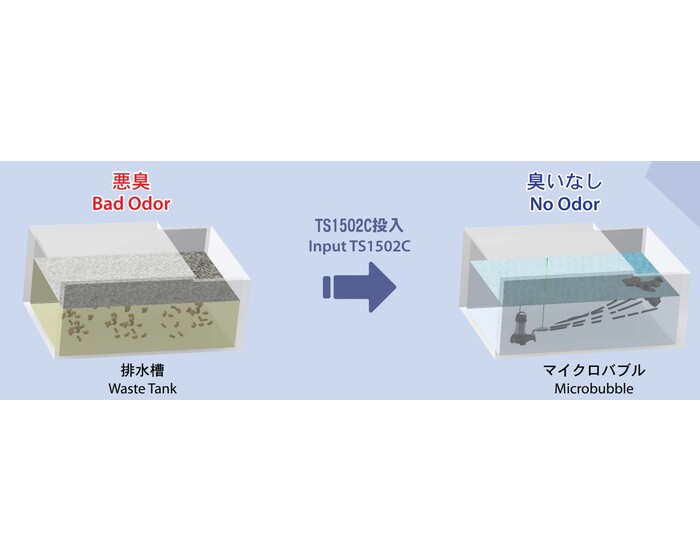
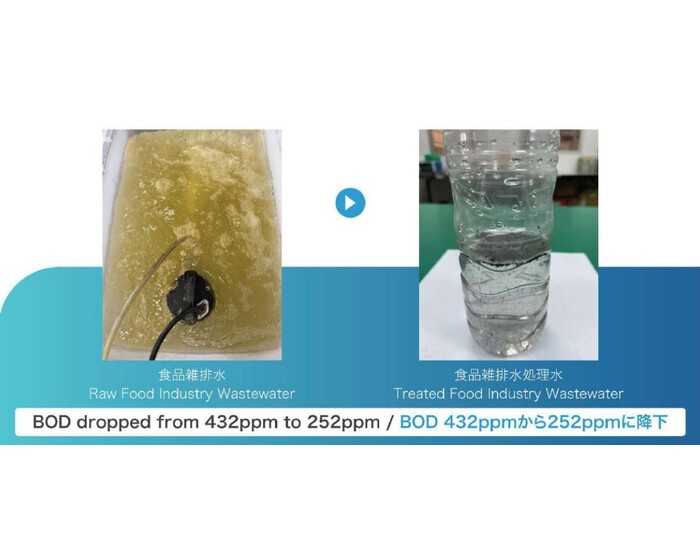
The TS1502C Coagulant is a simple one-step solution for food wastewater treatment—reducing odor, grease, and BOD (Biochemical Oxygen Demand) in wastewater pits and grease traps. It delivers fast results with easy dosing, making it ideal for restaurants, food courts, central kitchens, and food factories in Thailand. ■ Key Features - Suppresses strong odors from food-based wastewater - Reduces the adhesion and formation of greasy scum on the water surface - Lowers BOD concentrations by up to 60% (based on in-house test data) - Ideal for use in restaurants, food courts, shopping malls, and food factories - Compatible with microbubble systems to enhance treatment performance - Minimizes cleaning and maintenance of grease traps ■ Example Applications - BOD and odor control for wastewater containing chili oil, used frying oil, and animal fat - Suitable for use in large restaurants, food courts, and similar facilities - Added to grease traps to reduce oil residues and floating sludge - Ideal for daily wastewater management in central kitchens with high fat content ■ Proven Performance - Minimizes visible dirt and residues floating on the water surface - Odor level improved from Level 5 → Level 2 (based on TS internal odor rating scale) - Reduces BOD levels by 40–60%, depending on the specific environment ■ Service Area & Technical Support TS1502C is produced and distributed by TS COATING (THAILAND) CO., LTD., with nationwide service coverage across Thailand, including Bangkok and Ayutthaya. We offer consultation and on-site evaluations for food factories, food courts, restaurants, and small-scale wastewater systems. TS1502C handles food wastewater’s toughest problems—odor, grease, and high BOD—all with one easy solution. ■ For more information, sample requests, or on-site testing support, feel free to contact our team anytime. #TS1502CCoagulant #FoodWastewaterOdorControl #BODReductionChemicalThailand #GreaseTrapTreatmentSolution #RestaurantWastewaterTreatmentChemical #OdorControl #WastewaterTreatment #ThailandIndustry #FoodFactorySolutions #EcoFriendly #OEM
TS1502C|Specialized Coagulant for Oil & Grease Separation in Food Wastewater
The TS1502C Coagulant is a multi-functional chemical developed for oil, grease, and odor control in food wastewater. With easy dosing and no equipment changes, it helps restaurants, food factories, and central kitchens in Thailand reduce BOD, control odors, and maintain clean wastewater systems. ■ Key Features - Rapid coagulation and separation of oils and contaminants - Prevents re-adhesion of grease and dirt, reducing cleaning effort - Neutralizes odor-causing substances to reduce bad smells - Compatible with both floating and sedimented grease - Can be used together with microbubble systems for enhanced results - Available in antibacterial formulations for hygiene-critical environments ■ Application Examples - Scum treatment in raw water tanks or reaction tanks at food processing facilities - Wastewater pits at large restaurants and food courts - Grease trap treatment to remove oil and floating sludge - Daily wastewater management in central kitchens with high oil load ■ Proven Results - Visibly and significantly reduces floating grease on the water surface - Odor levels improved from “5” to “2” on a 6-point internal scale - BOD concentration reduced by 40–60%, depending on site conditions ■ Coverage & Technical Support in Thailand The TS1502C Coagulant is manufactured and distributed by TS COATING (THAILAND) CO., LTD. with nationwide service coverage. - Proven across Bangkok, Ayutthaya, and major industrial zones. - Services include free samples, on-site testing, and local technical consultation. ■ To request samples, technical consultation, or download a detailed PDF, please contact our team anytime. #TS1502CCoagulant #FoodWastewaterTreatmentChemical #OilAndGreaseSeparationSolution #RestaurantWastewaterOdorControl #GreaseTrapTreatmentThailand #OdorControl #WastewaterTreatment #ThailandIndustry #FoodFactorySolutions #EcoFriendly #OEM
Paint Sludge Treatment for VOC-Adsorption Paint Booths|Reduce Sludge by 30%
A VOC adsorption-type paint booth uses liquid adsorbents such as liquid hydrocarbons to capture and remove organic solvent vapors like toluene, xylene, and MEK (Methyl Ethyl Ketone). However, when paint mist or reaction byproducts enter the liquid, they form paint sludge, which can either float or settle—leading to clogged pumps, increased maintenance, and booth contamination. To efficiently coagulate and separate these paint sludge, we recommend using TS1502C, a specialty coagulant designed for VOC adsorption systems. ■ Key Features - Compatible with VOC absorption liquids, such as liquid hydrocarbons, without degrading their properties - Coagulates fine paint mist and byproducts into easily removable sludge - Makes sludge separation and collection easier - Supports reuse of adsorption liquids by reducing degradation - Reduces maintenance frequency and labor effort ■ Application Examples - Add to TS booth models: TS6-15C through TS6-40C - Sludge management in booths handling toluene, xylene, and MEK - Works with sludge collectors to speed up sludge separation - Periodic dosing into booth bases and fluid tanks ■ Proven Performance - Reduces paint sludge formation by over 30% (based on in-booth testing) - Lowers sludge moisture content, reducing disposal costs - Extended lifespan of adsorption liquids by controlling turbidity ■ Compatible Booth Models - TS6-15C, TS6-20C, TS6-25C, TS6-30C, TS6-35C, TS6-40C - Applicable to all types of VOC-absorption paint booths ■ Support & Distribution in Thailand Manufactured and supplied by TS COATING (THAILAND) CO., LTD. We serve customers across Thailand, with support centers in Bangkok and Ayutthaya Offering on-site testing, sample supply, and full technical assistance TS1502C is the best solution for managing paint sludge in VOC-absorption paint booth systems. ■ Download the product PDF or contact our team for more details. We are happy to provide consultation, on-site testing, and product samples. #TS1502CCoagulant #VOCAdsorptionPaintBooth #PaintSludgeManagementSolution #CoagulantForHydrocarbonPaintBooths #IndustrialSludgeReductionChemical #OdorControl #WastewaterTreatment #ExhaustGasTreatment #ThailandIndustry #FactorySolutions #EcoFriendly #OEM
Paint Sludge Reduction in VOC Paint Booths|TS1502C Cuts Cleaning by 75%
The TS1502C Coagulant is a proven solution for paint sludge management in VOC-adsorption paint booths. It reduces sludge buildup by 30–40%, cuts cleaning frequency from 4 times/month to just once/month, and extends the life of adsorption liquids—helping factories in Thailand save labor and maintenance costs. ■ Key Features - Works effectively in low-viscosity hydrocarbon solvents containing toluene / xylene / MEK - Coagulates fine mist and sludge particles into easily removable sediment - Proven to reduce cleaning frequency from weekly to monthly - Prevents clogs in recirculation pumps and booth piping - Keeps adsorption liquid cleaner and clearer, extending its usable life ■ Recommended Applications - VOC adsorption paint booths such as TS6 series - Factories using spray paints containing Toluene or Xylene - Paint processes for automotive parts, metal components, and electronics - Sites looking to reduce cleaning frequency and save labor ■ Proven Results - Reduced paint sludge buildup by 30–40% (based on field observations) - Cleaning frequency improved: from 4 times/month → only 1 time/month - Better reusability of VOC adsorption liquids (slower turbidity rise) ■ Support & Coverage in Thailand Manufactured and serviced by TS COATING (THAILAND) CO., LTD. We support Bangkok, Ayutthaya, and all industrial regions in Thailand Offering on-site testing, sample supply, and technical consultation TS1502C is the best solution for reducing cleaning workload and improving the efficiency of VOC booth maintenance. ■ Contact us for product PDF or technical inquiry anytime. #TS1502CCoagulant #PaintSludgeTreatmentVOCBooth #VOCPaintBoothSludgeManagement #CoagulantForHydrocarbonSolvents #IndustrialSludgeReductionSolution #PaintBooth #VOCControl #OdorControl #WastewaterTreatment #ExhaustGasTreatment #ThailandIndustry #FactorySolutions #EcoFriendly #OEM
TS COATING (THAILAND)|Specialist in Paint Line and Exhaust & Wastewater Treatment Systems
TS COATING (THAILAND) CO., LTD. was established in 2004 in Bangkok, Thailand. We are a specialist company in industrial painting systems and environmental solutions. Our parent company, TS COATING TECHNOLOGY LABORATORY CO., LTD., is based in Miyagi, Japan, and provides strong technical support. With this foundation, we offer high-quality paint line design, installation, and related equipment services throughout Thailand. Our head office is located in the Bangna area of Bangkok, and our factory is situated in Hi-Tech Industrial Estate, Ayutthaya, allowing us to support a wide range of customers across the country. ■ Business Overview We provide comprehensive services covering everything from the design, manufacturing, and installation of paint systems, to wastewater treatment, odor control, and the production and sale of related chemicals such as OEM paint and thinner. 【Main services】 - Design and installation of new and renovated paint lines - Installation of paint booths, conveyor systems, and drying ovens - Mist treatment systems, sludge collection, and exhaust treatment (scrubbers and activated carbon systems) - OEM production and sales of paint and thinner - Cleaning services for paint jigs and defective parts - Technical consulting for painting processes - Maintenance, inspection, and repair of painting equipment ■ Our Strengths - High-precision paint line design and construction backed by Japanese technical support - Total solution capability, including wastewater and odor control systems - Cost-effective and fast OEM supply of paint and thinner - Wide service coverage from two bases: Bangkok and Ayutthaya - Flexibility to support new installations, improvements, and repairs ■ Our Services - New paint line design and installation - Improvement and maintenance of existing paint lines - Wastewater treatment and odor control systems (scrubbers and activated carbon) - OEM production and supply of paint and thinner - Mist collection and paint booth cleaning services - Technical consulting for improving painting quality ■ Office Information Head Office: 1/11 Bangna Thani Bldg., 5B Floor, Soi Bangna–Trad 34, Bangna Tai, Bangna, Bangkok 10260 Factory: Hi-Tech Industrial Estate, 135 Moo 1, T. Banlane, A. Bangpa-In, Ayutthaya 13160 Parent Company in Japan: TS COATING TECHNOLOGY LABORATORY CO., LTD. (Miyagi, Japan) We serve customers across Thailand and are also capable of supporting projects in neighboring ASEAN countries. With proven technology and expertise, TS COATING (THAILAND) CO., LTD. provides comprehensive support for both painting systems and environmental solutions. ■ For more details, please download the PDF or feel free to contact us anytime. #TSCoatingThailand #IndustrialPaintLine #PaintBooth #ExhaustTreatment #ScrubberSystem #WastewaterTreatment #OdorControl #OEMPaint #ThailandIndustry #FactorySolutions
What Is a Roll-type Carbon Filter?|Key Advantages & Working Principle for Industrial Paint Booths
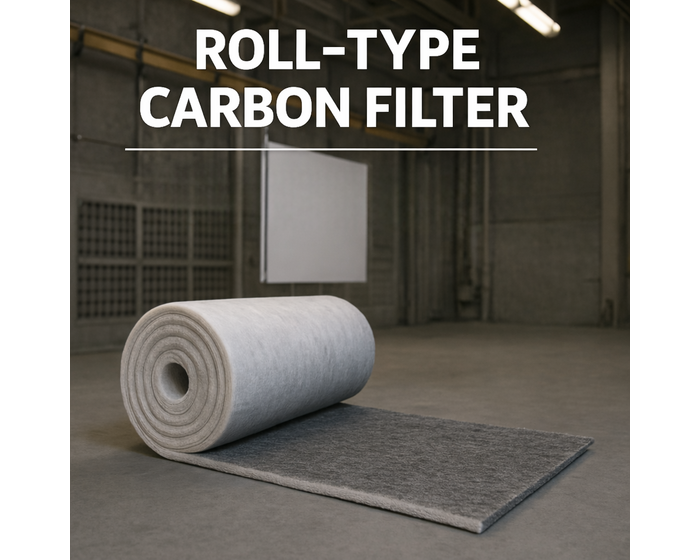
🔑 Key Takeaways • A Roll-type Carbon Filter is a 20-meter continuous carbon filter designed for long-running paint lines. • Ideal for high VOC applications, allowing filter layers to be replaced without stopping the system. • The TS5000 series is available in Polyolefin (S) and Nonwoven (K) versions to suit different load conditions. • Helps reduce downtime while maintaining stable booth pressure throughout operation. ________________________________________ 🌟 What Is a Roll-type Carbon Filter and Why It Matters in Paint Operations Industrial paint processes such as automotive, plastics, and electronics typically operate for long hours, generating high levels of VOCs and overspray. When conventional panel filters are used, they often clog quickly, causing pressure loss and frequent system shutdowns for replacement. A Roll-type Carbon Filter was developed to address these issues. It enables continuous advancement of fresh filter media, reducing clogging while maintaining uninterrupted operation during production. ________________________________________ 🔶 How a Roll-type Carbon Filter Works A Roll-type Carbon Filter functions like a “carbon filter conveyor”, continuously supplying fresh filtration media as the carbon becomes saturated. Three key operating stages: 1. Carbon layer adsorbs VOCs o Uses coconut fiber activated carbon to reduce odors and volatile compounds. 2. 20-meter filtration length o When the front section becomes saturated, a fresh section advances automatically. 3. Stable airflow and pressure o Continuous media replacement keeps the pressure drop close to standard operating levels. This design allows the filter to handle high VOC loads and multi-shift operations more effectively than conventional panel filters. ________________________________________ 🛠️ Advantages Compared with Panel-type Filters ✔ Reduced downtime Filter advancement eliminates the need to stop production for replacement. ✔ Designed for high VOC load The long, continuous filtration area captures more VOCs and paint mist. ✔ Stable booth pressure The TS5000 series meets ASHRAE efficiency ≥ 85%, supporting consistent airflow. ✔ Two material options to match performance and cost • TS5000S – Polyolefin (long-term operation) • TS5000K – Nonwoven (cost-saving, flame-retardant) ________________________________________ 🏭 Application in Industrial Paint Shops Recommended for: • Paint lines operating 16–24 hours per day • Facilities with high VOC concentration or heavy overspray • Systems requiring stable booth pressure • Operations aiming to reduce labor and filter replacement time ________________________________________ 📌 Key Considerations Before Selecting a Roll-type Filter • Suitable for continuous production environments • Minimizes downtime and hidden operating costs • Industrial-grade filtration performance (≥85% ASHRAE) • Maintains consistent airflow and pressure • Select S or K type based on load conditions and budget ________________________________________ 📘 Summary A Roll-type Carbon Filter is a solution specifically designed for continuous paint operations requiring stable air quality. With its 20-meter length and automatic media advancement, it reduces clogging, stabilizes booth pressure, and minimizes downtime—making it ideal for high-VOC, multi-shift production lines. 📥 Download the Carbon Filter Series Catalogue to review the actual specifications of TS1000 / TS3000 / TS5000 ________________________________________ ❓ FAQ Q1: How does a roll-type filter differ from a panel filter? A: Its 20-meter continuous media allows immediate advancement without stopping the system, reducing downtime and extending service life. Q2: What applications benefit most from this filter? A: Multi-shift paint lines with high VOC levels and strict airflow stability requirements. Q3: What is the difference between S and K types? A: Type S uses polyolefin for continuous operation, while type K uses nonwoven material for cost efficiency and flame resistance. ________________________________________ 🔗 Cluster Internal Link ● Core Content: https://prime.nc-net.com/100377/en/product_others/detail_goods/27577 ● Advance Knowledge: https://prime.nc-net.com/100377/en/product_others/detail_goods/27653 --- 📚 Glossary • Roll-type Carbon Filter: A 20-meter continuous carbon filtration media • Activated Carbon: VOC-adsorbing material • Pressure Drop: Air pressure loss across the filter • Overspray: Excess paint mist during spraying • Polyolefin / Nonwoven: Filter media used in S and K models 📖 Reference • Carbon Filter Series – Product Catalogue (TS5000S / TS5000K) 🤝 Trust Reviewed by Yuki Okuno – Project Leader, TS COATING (THAILAND) CO., LTD. Based on internal documentation. 🔖 Hashtags #CarbonFilter #RollTypeFilter #TS5000 #PaintBooth #VOCControl #ExhaustSystem #AirFiltration #ActivatedCarbon #IndustrialCoating #ContinuousOperation Updated: 2025-12-12
Polyolefin vs Nonwoven in Roll-type Carbon Filters|How to Prevent Early Clogging
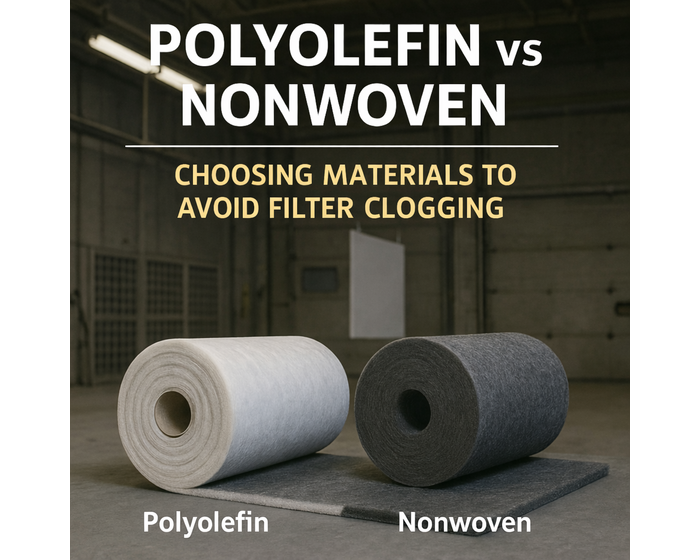
🔑 Key Takeaways • Filter material directly affects service life, pressure stability, and VOC breakthrough risk • Polyolefin (TS5000S) is suitable for high VOC load / long operating hours / continuous production • Nonwoven (TS5000K) is suitable for moderate load / cost-focused projects / flame-retardant needs • Choosing the wrong material leads to early clogging and frequent auto-switch operation • Both materials achieve ≥85% filtration efficiency (ASHRAE); the difference lies in clogging behavior ________________________________________ In Roll-type Carbon Filter systems, many factories focus on roll length or the auto-switch mechanism. In reality, the support material holding the activated carbon is a key factor that determines system stability under high VOC load and multi-shift operation. This article explains, in a clear and practical way, how Polyolefin and Nonwoven differ—and how to choose the right one. 🔶 Why Filter Material Causes “Early Clogging” Even with a roll-type structure and auto-switch system, using the wrong material can cause: • Rapid increase in pressure drop • Auto-switch activating too frequently • VOC breakthrough before the intended switching point The root cause lies in how each material handles paint mist and maintains airflow paths. 🔶 Key Differences Between Polyolefin and Nonwoven Polyolefin (TS5000S) • High structural stability, resists deformation • Handles overspray and humidity well • Maintains open airflow channels → stable pressure • Ideal for high VOC load and long-term operation Nonwoven Fabric (TS5000K) • Flexible compressed fibers, lower cost • Flame-retardant • Suitable for general applications • May saturate faster under continuous heavy overspray 🔶 How to Choose the Right Material (Simple Rules) • High VOC + 16–24 h operation → Polyolefin • Moderate VOC + cost control → Nonwoven • Do not judge by efficiency alone Both materials meet ≥85% (ASHRAE) 👉 The real difference is slow vs fast clogging 🔶 Comparison Summary Polyolefin (TS5000S) • High shape stability • Low deformation • Very stable pressure • Less frequent auto-switch • Higher cost Nonwoven (TS5000K) • Flexible structure • Higher deformation risk • Stable pressure (moderate) • More frequent auto-switch • About half the cost • Flame-retardant ✔ 🔶 What Happens When the Wrong Material Is Chosen Plastic parts paint shop, 3-shift operation, solvent-based paint Chose Nonwoven for cost reasons Results: • Auto-switch activated too frequently • Pressure fluctuation at end of shifts • VOC leakage observed After switching to Polyolefin: → Pressure stabilized → Switching frequency reduced → VOC control improved 📘 Summary Polyolefin and Nonwoven differ not only in price, but in how they behave under real VOC load. Selecting the correct material allows the roll-type filter and auto-switch system to operate at full efficiency—maintaining stable pressure, preventing early clogging, and ensuring effective VOC control. 📥 Download the Carbon Filter Series Catalogue to support material selection based on VOC load ________________________________________ ❓ FAQ Q1: Do both materials remove VOCs equally? A: Yes. Both meet ASHRAE ≥85%, but service life differs. Q2: Which material is better for cost control? A: Nonwoven (TS5000K) for moderate load conditions. Q3: Which material is recommended for 3-shift operation? A: Polyolefin (TS5000S) provides better long-term stability. ________________________________________ 🔗 Cluster Internal Link • Basic Knowledge: https://prime.nc-net.com/100377/en/product_others/detail_goods/27604 • Core Content: https://prime.nc-net.com/100377/en/product_others/detail_goods/27577 --- 📚 Glossary • Polyolefin: High-stability material for continuous operation • Nonwoven Fabric: Compressed fiber material, cost-effective • VOC Load: Amount of VOC the system must handle • Auto-switch: Automatic filter media switching mechanism • VOC Breakthrough: VOC leakage when the filter is saturated 📖 Reference • Carbon Filter Series – Product Catalogue (TS5000S / TS5000K) 🤝 Trust Reviewed by Yuki Okuno – Project Leader, TS COATING (THAILAND) CO., LTD. Based on: Carbon Filter Series – Product Catalogue 🔖 Hashtags #RollTypeCarbonFilter #Polyolefin #Nonwoven #MaterialEngineering #VOCLoad #AutoSwitch #CarbonFilter #PaintBooth #IndustrialCoating #VOCControl Updated: 2025-12-12
Why Do Filters Clog So Quickly?|The Relationship Between VOC Load and Filter Replacement Cycles
🌟 Key Takeaways - The lifespan of a Carbon Filter depends on VOC load, paint mist volume, and rising pressure drop. - Filters with 1300 g/m² Dust Holding Capacity (ASHRAE) withstand clogging better than general models. - Replacement cycles can be monitored through the pressure drop curve, e.g., 59 Pa → 160 Pa. - High VOC + heavy overspray can shorten filter life by 2–3 times. - Models with an anti-clogging pre-filter, such as TS3000, significantly extend service life. ーーーーーーーーーーーーーーーーーーーーーーーーーーーーー 🔶 Why Filters Clog Faster Than Expected Filters do not clog because time passes—they clog because VOC and mist accumulate on the media each production shift. If the line uses high-VOC paints, runs multiple shifts, or processes large parts with high overspray, filters will clog far earlier than their nominal rating. Key impacts include: - Unstable booth pressure - Uneven airflow - Surface defects (Dust, Orange Peel, Flow Mark) - Higher fan energy consumption 🔶 Why VOC Load Directly Affects Filter Life VOCs such as toluene, xylene, and MEK are absorbed into the pores of activated carbon. Once these pores approach saturation, adsorption efficiency declines and pressure drop rises rapidly. Data from the Carbon Filter Series confirms that coconut-fiber activated carbon reduces VOCs by 80–90%, but without a pre-filter, paint mist clogs the pores 20–40% faster. 🔶 How to Calculate Filter Replacement Cycles (Filter Lifecycle Model) Use these 3 variables for engineering-based estimation: 1) VOC Load (g/hr) VOC Load ≈ Paint usage × VOC ratio × Overspray volume 2) Dust Holding Capacity (1300 g/m²) Higher DHC = slower clogging 3) Pressure Drop Curve (59 Pa → 160 Pa) - Initial: 59 Pa - Final: 160 Pa = recommended replacement point Simplified Formula Filter Lifetime (hours) = DHC ÷ (VOC Load + Paint Mist Load) Then verify whether pressure drop approaches 150–160 Pa. If it does, replacement should be performed immediately to prevent booth pressure instability. 🔶 TS3000 Carbon Filter — Technical Benchmarks - ASHRAE Efficiency: ≥ 85% - Dust Holding Capacity: 1300 g/m² - Initial Pressure Drop: 59 Pa - Final Pressure Drop: 160 Pa - VOC Reduction: 80–90% (Coconut Carbon) 🔶 Why Some Paint Lines Clog Within 1–2 Weeks Actual case from an automotive plant: - High-solvent coating - Large-part overspray - 3-shift continuous operation - No pre-filter installed Result: Filter clogged in 7–10 days, despite being ASHRAE 85%. After switching to a model with an anti-clogging pre-filter, lifespan extended to 3–4 weeks, and booth pressure stabilized significantly. 🔶 Risks of Not Calculating Filter Cycles Properly - Unstable booth pressure → more surface defects - Higher VOC leakage risk - Increased fan power - Higher NG (reject) rate Evaluating replacement cycles based on VOC load is essential for paint-quality stability and cost control. 📘 Summary Filter lifespan is determined by VOC load, paint mist load, and pressure drop—not by hours of operation. Filters with proper pre-filtration and high DHC maintain booth pressure better, reduce clogging, extend lifespan, and lower NG rates. Engineering-based lifecycle calculation is crucial for optimizing exhaust system performance and environmental compliance. 📥 Download Catalogue Need full specifications and detailed information about Carbon Filters? Click to download the Product Catalogue to support your filter selection or system design. ーーーーーーーーーーーーーーーーーー ❓ FAQ Q1: Why do some filters clog unusually fast? Because the VOC load is high, overspray is excessive, or the system lacks a pre-filter to block paint mist. Q2: Is replacement based on operating hours? Not exactly. It must be based on VOC load and pressure drop behavior relative to 59–160 Pa. Q3: How can we tell when a filter is nearly clogged? When pressure drop rises to 150–160 Pa or noticeable VOC odor begins to escape through the exhaust. ーーーーーーーーーーーーーーーーーー 🔗 Cluster Internal Link Core Content: https://prime.nc-net.com/100377/en/product_others/detail_goods/27576 Basic Knowledge: https://prime.nc-net.com/100377/th/product_others/detail_goods/27596 --- 📚 Glossary - VOC Load: VOC volume impacting the filter per hour - Dust Holding Capacity (DHC): Filter capacity to retain dust - Pressure Drop: Airflow resistance across a filter - Activated Carbon: VOC-absorbing media inside carbon filters - Pre-filter: Layer protecting the carbon media from mist buildup - Overspray: Excess paint mist entering the exhaust system 📖 Reference - Carbon Filter Series – Product Catalogue - TS3000 – Technical Data Sheet 🤝 Trust Reviewed by Yuki Okuno – Project Leader, TS COATING (THAILAND) CO., LTD. Based on internal documentation: - Carbon Filter Series - TS3000 🔖 Hashtags #VOCLoad #FilterLifecycle #CarbonFilter #DustHoldingCapacity #PressureDrop #PaintBooth #CoatingQuality #ExhaustSystem #IndustrialAirfiltration #TS3000 Updated: 2025-11-27
Carbon Filter | How It Works & Why Paint Shops Need VOC Control
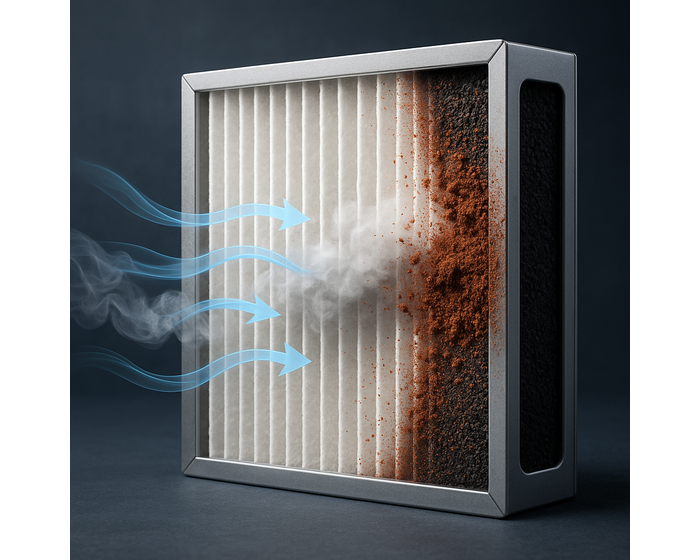
🌟 Key Takeaways - A Carbon Filter uses activated carbon to capture VOCs and odors through micro-porous adsorption. - Paint shops rely on Carbon Filters to stabilize booth pressure, protect surface quality, and comply with environmental regulations. - Coconut-fiber activated carbon typically removes 80–90% of VOCs based on real test data. - ASHRAE-rated Carbon Filters often deliver 85%+ efficiency with low initial pressure drop for stable airflow. ーーーーーーーーーーーーーーーーーーーーーーーーーー In industrial painting environments, VOCs, strong odors, and overspray are common issues across automotive, metal, electronics, and plastic production lines. Poor air quality affects worker health, process safety, coating appearance, and environmental compliance. A widely used solution to manage these pollutants is the Carbon Filter, which efficiently absorbs VOCs and reduces odor during paint operations. 🔶 Concept — How a Carbon Filter Works A Carbon Filter removes VOCs through adsorption, a process where VOC molecules are drawn into the highly porous structure of activated carbon. Coconut-fiber activated carbon is widely used in paint shops because its high pore volume allows continuous VOC absorption during operation. Real-world testing confirms that it can reduce VOCs such as toluene and xylene by approximately 80–90%, making it suitable for paint booths with high solvent concentration. 🔶 Practical Guideline — What Makes a Good Carbon Filter A Carbon Filter designed for paint-shop exhaust should demonstrate reliable performance indicators such as: - Efficiency ≥ 85% (ASHRAE) - Dust Holding Capacity of 1300 g/m² to extend service life - Low Initial Pressure Drop (≈59 Pa) for stable booth airflow - Heat resistance up to 80°C suitable for exhaust systems (Data sourced from the TS3000 Technical Data Sheet and Carbon Filter Series from TS COATING.) 🔶 Example — Real Applications in Paint Shops In typical paint lines, air passes through a pre-filter before entering the Carbon Filter layer, where VOCs are captured before air is released outside. This process helps reduce odor, lower VOC emissions, and maintain booth pressure stability. High-volume facilities such as automotive and electronics plants often choose Carbon Filters with integrated pre-filters to reduce clogging and extend replacement intervals. 📘 Summary A Carbon Filter is a fundamental solution for VOC and odor control in paint operations. Its high adsorption efficiency and low pressure drop help maintain booth stability and improve coating quality. Understanding its characteristics enables better design and optimization of exhaust systems. 📥 Download Catalogue Looking for full specifications and detailed Carbon Filter information? Click to download the Product Catalogue for filter selection and exhaust-system planning. ーーーーーーーーーーーーーーーーーーーー ❓ FAQ Q1: How is activated carbon different from regular charcoal? A: It has micro-sized pores and a significantly larger surface area, allowing far greater VOC adsorption capacity. Q2: Can it be used with all types of paint? A: Yes. It is suitable for solvent-based, water-based, and UV paints because most VOCs can be effectively adsorbed. Q3: How often does the Carbon Filter need replacement? A: It depends on VOC load, but filters with higher dust capacity (e.g., 1300 g/m²) generally provide a longer service life. ーーーーーーーーーーーーーーーーーーーー 🔗 Cluster Internal Link Core Content: https://prime.nc-net.com/100377/en/product_others/detail_goods/27576 Advance Knowledge: https://prime.nc-net.com/100377/en/product_others/detail_goods/27598 --- 📚 Glossary (Key Terms) - Carbon Filter: A filter using activated carbon to absorb VOCs and odors. - Activated Carbon: Porous carbon material used for VOC adsorption. - VOC (Volatile Organic Compounds): Solvent-based chemical vapors produced during painting. - Adsorption: Process where molecules adhere to a material’s surface. - ASHRAE Efficiency: Standardized filtration efficiency rating. - Pressure Drop: Airflow resistance when passing through a filter. - Dust Holding Capacity: Ability of a filter to retain particulate matter. 📖 Reference - Carbon Filter Series – Product Catalogue - TS3000 – Technical Data Sheet 🤝 Trust Content reviewed by Yuki Okuno – Project Leader, TS COATING (THAILLAND) CO., LTD. Information based on internal documents. #CarbonFilter #AirFiltration #VOCControl #PaintBooth #ActivatedCarbon #IndustrialAirQuality #CoatingProcess #ExhaustSystem #OdorControl #TS3000 Updated: 2025-11-27
How to Choose the Right Coating for Different Materials|Plastics, Metals, Rubber, Glass
Selecting coatings tailored to the material and application has a direct impact on product quality and production efficiency. ----------------------------------------------------------- 1. Why Coating Selection Matters In industrial coating applications, selecting the right type of coating is not merely about color or appearance—it also involves key attributes such as durability, adhesion, process compatibility, and environmental compliance. Different materials such as metal, plastic, rubber, or glass have distinct surface characteristics that affect how well coatings adhere. Improper selection can lead to issues such as peeling, curing defects, or adhesion failure, resulting in higher rejection rates and lower overall production efficiency. ----------------------------------------------------------- 2. Coating Characteristics by Material Type and How to Choose TS COATING (THAILAND) CO., LTD. offers a wide range of coatings suitable for various substrates. Here are some examples of optimal coatings by material type: ■ Plastics (PC, ABS, PC/ABS, Acrylic, etc.) - Recommended: TS-700 / TS-710 / TS-720 (High-gloss UV Coatings) - Features: Excellent transparency and gloss, fast drying, enhances productivity. - Why it fits: Plastics often contain surface oils and static charges, requiring coatings with strong adhesion and flexibility. ■ Metals (Aluminum, Stainless Steel, Magnesium) - Recommended: TS-P800 / TS-777 (UV Coatings for Metals) - Features: Strong undercoat adhesion, corrosion and heat resistance. - Why it fits: Metals expand with heat, so coatings must maintain adhesion under temperature fluctuations. ■ Rubber & Elastomers - Recommended: TS-71 / TS-91 (PU-based Elastic Coatings) - Features: High flexibility and adhesion to follow the movement of soft materials. - Why it fits: Rubber materials require coatings that won’t crack or peel under deformation. ■ Glass - Recommended: TS-700K (High-gloss UV Coating for Glass) - Features: Maintains high gloss and transparency, adheres even on smooth surfaces. - Why it fits: Glass has low surface energy and is difficult to coat without specialty products. ----------------------------------------------------------- 3. Functional Coatings Add Value to Finished Products TS COATING’s UV coating lineup not only offers beautiful finishes but also includes functional properties such as: - Vacuum Deposition Compatibility (TS-740 Series) - Eco-friendly, Non-solvent UV Type (TS-708NV) These features allow for product differentiation and environmental compliance, and help streamline the production process—reducing cleaning time, VOC emissions, and overall cycle time. ----------------------------------------------------------- 4. Why Choose TS COATING Products TS COATING (THAILAND) CO., LTD., backed by its parent company TS COATING TECHNOLOGY LABORATORY in Miyagi, Japan, brings rigorous Japanese quality standards and localized product development to the Thai market. With in-depth understanding of local manufacturing conditions, we provide tailor-made coating solutions for your materials and production needs. By selecting the right coating with our support, clients can reduce defects, boost production efficiency, and raise their product quality. If you're exploring ways to improve your coating process or product performance, TS COATING is your trusted partner. ■ For more details, please download the PDF or feel free to contact us directly. #IndustrialCoatingSolutions #UVCoatingForPlasticsThailand #MetalCoatingAdhesion #RubberCoatingFlexibility #GlassUVCoating #FactorySolutions #ThailandIndustry #EcoFriendly #SurfaceTreatment #OEM
Wet Scrubber System for Paint Booths | Efficient Dust & Odor Control for Better Coating Quality
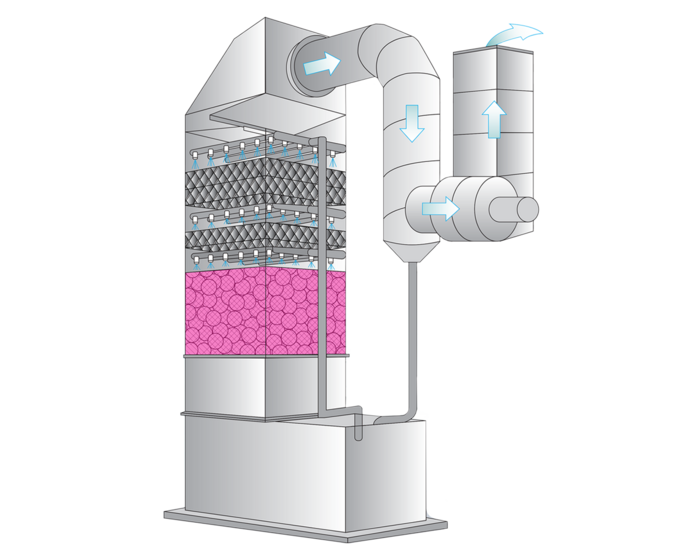
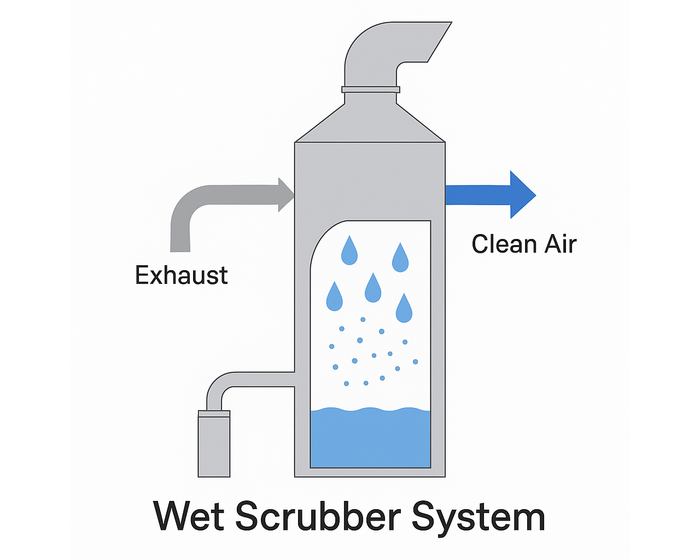
A wet scrubber system removes paint overspray, VOC odors, and dust particles from spray booth air. It ensures a cleaner work environment, protects employee health, and enhances paint finish quality. ======================== ■ What Is a Wet Scrubber? A wet scrubber is an air pollution control system that uses water or liquid chemicals to capture airborne particles, paint mist, and chemical vapors (VOCs). It works by drawing contaminated air through a water curtain or spray chamber, where pollutants are absorbed and filtered out before clean air is released back into the factory or environment. Widely used in industries with high levels of dust, odor, and chemical vapors—such as automotive, plastics, electronics, and industrial painting plants. ======================== ■ Why Spray Booths Require a Wet Scrubber System Paint spraying processes release various airborne pollutants, including: - Paint overspray particles - Vapors from thinners and solvents (VOCs) - Dust from surfaces or conveyor systems Without proper air treatment, these pollutants can create a hazardous environment for workers, clog ventilation systems, and degrade coating quality (uneven surfaces, contamination, etc.). A well-designed wet scrubber system improves air circulation, reduces VOC exposure, and minimizes dust returning to workpieces—essential for consistent paint finish results. ======================== ■ How the Wet Scrubber Works 1. Polluted air from the spray booth is extracted via ductwork. 2. Air is forced through a water spray chamber or curtain system. 3. Paint particles, odors, and VOCs are absorbed by water droplets or liquid scrubbing agents. 4. Captured waste is collected in a water tank and treated appropriately. 5. Clean air is discharged back into the factory or outside atmosphere. ======================== ■ Key Benefits of a Wet Scrubber - ✅ Highly effective odor control, especially VOCs and solvent fumes - ✅ Captures fine particles and overspray efficiently - ✅ Water-based system reduces fire risk - ✅ Easy to maintain with proper access design - ✅ Compatible with activated carbon systems for advanced deodorization ■ Maintenance Considerations - Regular wastewater treatment and water replacement is required - Without upkeep, water may stagnate and cause unpleasant odors or bacteria growth - System capacity must match actual air volume and VOC output for optimal performance ======================== ■ TS COATING (THAILAND) CO., LTD. | Custom Wet Scrubber Solutions for Paint Booths TS COATING specializes in the design and installation of wet scrubber systems tailored for industrial spray lines. Their key strengths include: - FRP construction for corrosion resistance - Custom-built systems based on actual VOC and dust levels - Integrated sediment filtration and wastewater management - Optional pairing with activated carbon filters for complete odor elimination TS COATING is not just an equipment installer—but a true process partner. With deep experience in spray booth systems across Thailand and international markets, they provide practical, cost-effective advice that matches real-world production needs. 👉 For more details, please download the PDF or feel free to contact us. ======================== #WetScrubber #PaintBoothFiltration #VOCControl #IndustrialOdorRemoval #TSCoating #DustControlSystem #AirPollutionControl #FRPSystems #SprayLineSolutions
CONTACT
Inquiry