Technology / product information Processing categories

Technology / product information

20hits

Narrow by Industry Category

Narrow by material Category

Narrow by accuracy

Narrow by lot number

Meltblown Nonwoven Fabric Technology|Ultrafine Fiber Solutions for Industry and Daily Use

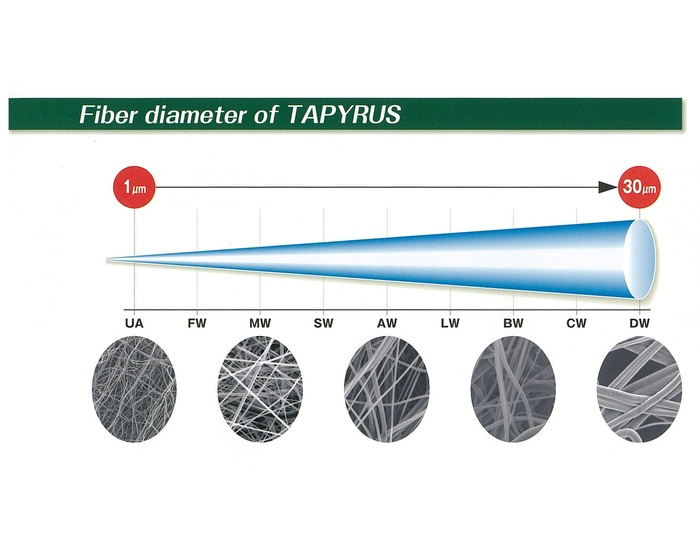
Ultrafine meltblown nonwoven fabric with fiber diameter <1µm, customizable grades, and eco-friendly materials for filtration, medical, and industrial use. High-Precision Meltblown Nonwoven Fabric Technology Tapyrus provides high-precision nonwoven fabric using meltblown ultrafine fiber technology, serving industries from filtration to healthcare and consumer goods. With over 40 years of expertise, Tapyrus ensures customizable, consistent, and sustainable nonwoven solutions. Key Features of Meltblown Nonwoven Fabric High-Quality and Consistency Proprietary meltblown technology guarantees stable performance and precise fiber control. This ensures consistent quality across multiple production batches. Wide Product Range Fiber diameters range from less than 1µm up to over 40µm, with basis weights between 7 and 400 g/m². This flexibility allows the fabric to be applied in both ultralight and heavy-duty applications. Customizable Design and Small-Lot Production Tapyrus supports small-lot, multi-variety manufacturing, making it possible to tailor nonwoven fabrics for specialized applications such as functional membranes, absorbent layers, and consumer goods. Eco-Friendly Manufacturing The use of recyclable base materials such as polypropylene (PP), polyester (PET), and polyamide (PA) contributes to sustainability and reduces environmental impact. Technical Specifications The nonwoven fabric is produced with fiber diameters from <1µm to over 40µm and basis weights from 7 to 400 g/m². Materials include polypropylene, polyester, and polyamide. Production supports small-lot, multi-variety manufacturing, ideal for niche or high-performance requirements. Applications of Ultrafine Nonwoven Fabric Filtration Suitable for air purifier filters, HVAC filters, and liquid filtration membranes. Medical and Healthcare Used in surgical masks, isolation gowns, nonwoven drapes, and wraps. Industrial Applications include battery separators, absorbent layers, bases for precision membrane filters, and specialized packaging. Consumer Commonly used in hygiene products, disposable wipes, and kitchen cleaning cloths. Why Choose Tapyrus Nonwoven Fabric? With over 40 years of experience in meltblown technology, Tapyrus delivers fabrics that combine flexibility, high performance, and eco-conscious design. Its production system is particularly suited for customers requiring niche, high-specification solutions. ※ For more details, please contact us below or download the document for further information. #NonwovenFabric #MeltblownTechnology #FiltrationSolutions #MedicalMaterials #IndustrialNonwovens #EcoFriendlyMaterials

Meltblown Nonwoven Fabric|High-Precision and Multifunctional Material for Industrial Applications

Meltblown nonwoven fabric with customizable fiber diameters, pore sizes, and eco-friendly resin grades for medical, industrial, and filtration use. Tapyrus’s meltblown nonwoven fabric is engineered with ultrafine fiber control to deliver precision, consistency, and versatility. With customizable parameters such as fiber diameter, basis weight, and pore size, it serves diverse markets including medical, industrial, filtration, electronics, and automotive sectors. The use of high-performance thermoplastics and bioplastics ensures both technical excellence and environmental responsibility. High-Precision Customization Control over fiber diameters (0.4–50µm), basis weights (7–400 g/m²), and pore sizes (microns to 100µm) enables performance optimization for each application. Material Flexibility Compatible with a wide range of thermoplastics: - Polypropylene (PP): Excellent chemical resistance and heat tolerance. - Polyester (PET): Heat resistant (~220–240°C) and easily processable. - Polyamide (PA6): Strong insulation with high moisture absorption. - Polyphenylene Sulfide (PPS): Suitable for extreme conditions (~285°C). - Bioplastics (PLA, etc.): Renewable and compostable alternatives for eco-conscious products. Excellent Filtration & Texture Designed for consistent air permeability, controlled pore size, and softness without the need for binders or adhesives. Ideal for applications requiring precision in airflow and material handling. Sustainability-Oriented Solutions Available in bioplastic grades that reduce reliance on fossil fuels and support sustainable product development. Technical Specifications The meltblown nonwoven fabric is available in fiber diameters from 0.4µm to 50µm, basis weights from 7g/m² to 400g/m², and maximum pore sizes ranging from a few micrometers up to 100µm. Customers can select from multiple thermoplastic resin options to match performance requirements such as chemical resistance, heat tolerance, or biodegradability. Applications of Meltblown Nonwoven Fabric Medical & Healthcare - Mask filters - Surgical gowns - Medical gauze Industrial & Energy - Battery separators - Liquid filtration media - Separation membranes HVAC & Clean Environments - HVAC filters - Cleanroom air filters Other Functional Uses - Automotive linings - Geotextiles - Abrasives - Hygiene and disposable products Why Choose Tapyrus Meltblown Fabrics? With decades of meltblown expertise, Tapyrus provides tailor-made nonwoven solutions that meet strict industrial demands. The combination of precision manufacturing, advanced resin options, and eco-friendly alternatives makes these fabrics ideal for industries that require high filtration efficiency, thermal resistance, and biocompatibility. ※ For more details, please contact us below or download the document for further information. #MeltblownNonwoven #HighPerformanceMaterials #FiltrationTechnology #MedicalNonwovens #EcoFriendlyMaterials #IndustrialApplications

Meltblown Nonwoven Fabric|High-Performance Filter Material for Medical, HVAC, and Industrial Use

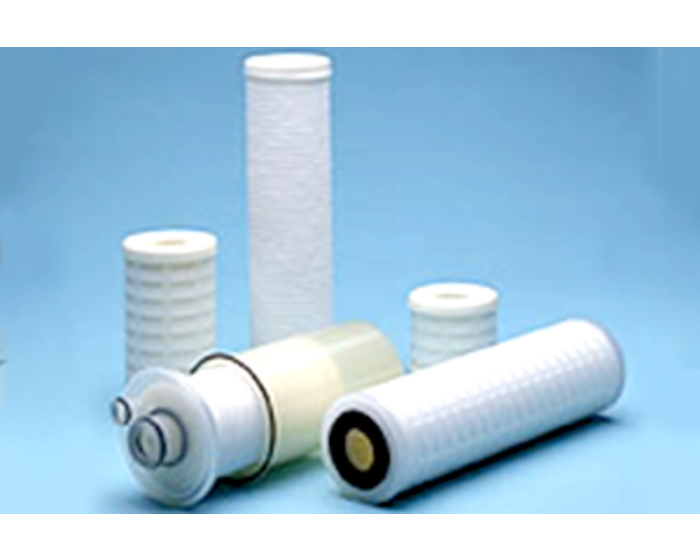
High-efficiency meltblown nonwoven fabric with ≥99% PFE/BFE. Meets N95, HEPA, FFP3 standards for medical, HVAC, and industrial use. Meltblown Nonwoven Fabric for Critical Filtration Meltblown nonwoven fabric is a high-performance filter medium trusted across medical, HVAC, and industrial sectors. With ultrafine fiber precision and eco-conscious production, it meets global standards including N95, N99, N100, HEPA, and FFP1–FFP3. Key Features - Exceptional Filtration Efficiency Achieves PFE ≥99% and BFE ≥99%, ensuring particle and bacterial capture in demanding environments. - Multilayer Compatibility Supports multi-layer structures to meet N95, N99, N100, FFP1–FFP3 regulatory requirements. - Custom-Engineered Pore Control Adjustable pore size (0.9–140 µm) and fiber density for precise air and liquid filtration. - Lightweight & Comfortable High-performance filtration without added bulk—ideal for wearable protection. - Eco-Conscious Manufacturing Self-bonding fibers without adhesives reduce environmental footprint and improve safety. Technical Specifications Medical Filters - PFE ≥99%, BFE ≥99% - Standards: N95, N99, N100, FFP1–FFP3 Air Filters - Efficiency: MERV12 to HEPA ISO E11–H14 - Pressure Drop: 435–1498.5 Pa Liquid Filters - Average Pore Size: 0.9–140 µm - Material Grades: Nylon, PBT, and others Applications - Medical & Healthcare For N95/N100 masks, surgical gowns, and protective garments. - HVAC & Cleanroom HEPA-grade filters for air purifiers, ventilation, and clean environments. - Industrial & Chemical Processing For liquid filtration, particle separation, and contamination control. Meltblown nonwoven fabric is a reliable solution for industries requiring consistent filtration quality and customizable design. ※ For more details, please contact us below or download the document for further information. #MeltblownFabric #MedicalFiltration #HVACFilters #HEPA #N95 #IndustrialFiltration

Nonwoven Fabric|Lightweight, Breathable, and Cost-Efficient Material for Industry

Nonwoven fabric: lightweight, breathable, and cost-effective. Used in medical, hygiene, construction, and filtration industries. What is Nonwoven Fabric? Nonwoven fabric is a sheet, web, or pad of fibers bonded without weaving or knitting. It is formed through thermal, mechanical, or chemical processes, making it a highly adaptable material. Depending on fiber type and processing method, it can offer strength, absorbency, water resistance, or breathability. Materials Used in Nonwoven Fabric - Natural Fibers: Cotton, hemp, wool - Synthetic Fibers: Polypropylene (PP), polyester (PET) - Recycled Fibers: Rayon, regenerated cellulose - Other Materials: Pulp (paper-based), bioplastics This wide range of materials enables manufacturers to customize performance—from lightweight and breathable to ultra-absorbent or water-repellent. Key Features - Lightweight and Flexible: Easy to process, transport, and integrate into products. - Customizable Breathability & Absorbency: Tunable for air or liquid applications. - Versatile Applications: Used across medical, hygiene, automotive, and industrial sectors. - Cost-Efficient: Simplified production methods lower manufacturing costs. - Eco-Friendly Options: Recyclable and biodegradable versions available. Industrial Applications of Nonwoven Fabric - Medical & Healthcare Used in surgical masks, gowns, gauze, wound dressings, and protective equipment. - Hygiene Products Essential for diapers, feminine hygiene products, and disinfecting wipes. - Industrial Applications Applied in abrasives, insulation, battery separators, and protective layers. - Construction & Civil Engineering Utilized in geotextiles, waterproof membranes, and erosion control systems. - Automotive For interior trim, cabin filters, and soundproofing materials. - HVAC Systems Applied in air purifiers, HEPA filters, and MERV-rated filters for clean air. Why Nonwoven Fabric Matters Though often unseen, nonwoven fabric is a critical enabler of safety, hygiene, and comfort in modern life. Its role in medical protection, environmental filtration, and industrial innovation makes it indispensable. Tapyrus Corporation applies advanced meltblown technology to develop high-performance nonwoven fabric solutions that meet global standards in healthcare, construction, and industrial applications. ※ For more details, please contact us below or download the document for further information. #NonwovenFabric #IndustrialMaterials #MedicalTextiles #HVACFilters #Geotextiles #MeltblownTechnology

Nonwoven Fabric for Coffee Filters|Ultrafine Fiber for Smooth Extraction & Clarity

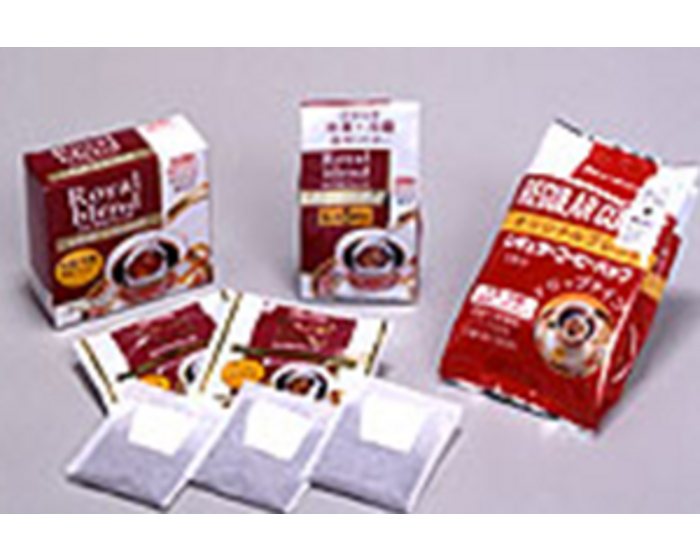
High-performance nonwoven fabric for coffee filters. Ultrafine fiber ensures smooth extraction, leak-free brewing, and hygienic handling. Nonwoven Fabric for Coffee Filters Nonwoven fabric with ultrafine fiber technology is a breakthrough material for coffee filter manufacturers and OEM brands. Designed to control extraction time, pore size, and filtration clarity, it improves both flavor quality and production efficiency. Key Features - Ultrafine Fiber Control Uniform pore size delivers consistent filtration and stable brewing performance. - Optimized Extraction Enables smooth coffee flavor and clear liquid output by regulating extraction speed. - Reduced Grounds Leakage Minimizes fine particle seepage for cleaner, higher-quality coffee. - Food-Grade Hygiene Produced with safe, hygienic manufacturing standards, suitable for food-contact applications. - Customizable Properties Adjustable basis weight (7–400 g/m²), pore size, and fiber diameter (<1µm–>40µm) to match specific brewing profiles. Technical Specifications - Material: Meltblown nonwoven fabric (polypropylene-based) - Fiber Diameter: Customizable from <1 µm to >40 µm - Basis Weight: 7–400 g/m² - Packaging: Supplied in rolls for processing by coffee filter manufacturers Applications - Coffee Filter Manufacturers Ideal for single-serve drip bags, cone filters, and flat-bottom filters. - OEM Coffee Brands Premium raw material for private-label filter production. - Food Packaging Specialists Suitable for food-safe, breathable filter components. Why This Matters Coffee quality depends not only on beans and roasting but also on filter material. Nonwoven fabric with precisely engineered pore structure ensures optimal extraction, reduced leakage, and hygienic processing helping manufacturers create filters that enhance the coffee experience. ※ For more details, please contact us below or download the document for further information. #NonwovenFabric #CoffeeFilter #FoodGradeMaterial #MeltblownTechnology #CoffeeOEM
Nonwoven Fabric for Wet Wipes|Ultrafine Fiber for Deep Cleaning & Safe Use

High-performance nonwoven fabric for wet wipes. Ultrafine fiber ensures deep cleaning, hygienic use, and OEM manufacturing flexibility. Nonwoven Fabric for Wet Wipes Nonwoven fabric engineered with ultrafine fiber technology is redefining the performance of wet wipes. By reaching microscopic grooves and textured surfaces, it captures particles that conventional fabrics leave behind. This adhesive-free material ensures safety, hygiene, and reliable compatibility with various cleaning solutions. Key Features - Deep Penetration Cleaning Ultrafine fibers reach into fine grooves for superior dust and debris removal. - Safe for Sensitive Use Produced without adhesives, preventing chemical leaching into wet wipe solutions. - High Particle Capture Effectively removes dust, microscopic contaminants, and residues. - Customizable for End Use Compatible with alcohol-based, antibacterial, and water-based solutions, supporting diverse OEM requirements. Technical Specifications - Material: Meltblown nonwoven fabric with ultrafine fibers - Basis Weight: 7–400 g/m² - Available Treatments: Alcohol, antibacterial, or water-based formulations - Packaging Format: Supplied in rolls for OEM wet wipe production Applications - Wet Wipe Manufacturers Suitable for facial wipes, baby wipes, and multi-purpose surface cleaning wipes. - Electronics & Office Ideal for screen wipes, keyboard cleaning, and optical device care. - Medical & Sterile Environments Trusted for wipes in hospitals, cleanrooms, and healthcare facilities. - Industrial Use Effective for cleaning precision instruments, machinery, and laboratory equipment. Why It Matters The demand for safe, effective, and multi-functional wet wipes continues to grow in both consumer and industrial markets. With Tapyrus’s ultrafine nonwoven fabric, manufacturers can deliver wipes that combine deep-cleaning power, chemical safety, and customizable performance for sensitive and critical applications. ※ For more details, please contact us below or download the document for further information. #NonwovenFabric #WetWipes #UltrafineFiber #OEMMaterials #MedicalWipes #IndustrialCleaning

Nonwoven Fabric for Air Filters|Ultrafine Fiber for HEPA & HVAC Applications

High-performance nonwoven fabric for air filters. Ultrafine fibers capture PM2.5 with low pressure drop, meeting HEPA & HVAC standards. Nonwoven Fabric for Air Filters Nonwoven fabric with ultrafine fiber technology is a trusted solution for HVAC systems, air purifiers, automotive filters, and cleanroom environments. Designed with a binder-free structure, it delivers high dust collection efficiency, low pressure loss, and long-term performance stability helping filter manufacturers meet demanding global standards. Key Features - High Collection Efficiency Ultrafine fibers effectively capture PM2.5, dust, pollen, and micro-pollutants. - Low Pressure Drop Optimized pore structure enables energy-efficient filtration with reduced airflow resistance. - Long-Lasting Performance High dust-holding capacity ensures stable operation and extended filter life. - Versatile Use Suitable for both standalone filter layers and composite multi-layer filter designs. - Standards-Ready Supports MERV, HEPA, and ULPA-grade filtration performance requirements. Technical Specifications - Material: Meltblown nonwoven fabric with ultrafine fibers - Basis Weight: 7–400 g/m² - Pore Size: Adjustable for fine-to-coarse particle capture - Structures: Available for use in multi-layer composite filters (pre-filtration, main filtration, post-filtration) Applications - HVAC Systems Reliable nonwoven layer for industrial and commercial building air filters. - Air Purifiers Core material for HEPA-grade filters in residential and office environments. - Automotive Cabin Filters Traps dust, allergens, and fine particles to improve passenger air quality. - Cleanrooms & Healthcare Facilities High-efficiency nonwoven base material for contamination control in sterile environments. Why It Matters Air quality impacts health, safety, and energy efficiency. Nonwoven fabric with ultrafine fiber precision ensures filters deliver consistent particle capture, lower energy use, and long-term stability. This makes it an essential material for manufacturers supplying both industrial and consumer air filtration systems. ※ For more details, please contact us below or download the document for further information. #NonwovenFabric #AirFilters #HEPA #ULPA #HVAC #CleanroomFiltration

Nonwoven Fabric for Mask Filters|BFE >99% with N95 & ASTM Standard Compliance

High-efficiency nonwoven fabric for mask filters. BFE >99%, N95 & ASTM compatible, with excellent breathability for safe wear. Nonwoven Fabric for Mask Filters Nonwoven fabric engineered with ultrafine meltblown fibers delivers reliable protection for medical, industrial, and cleanroom mask applications. With bacterial and particle filtration efficiency (BFE & PFE) exceeding 99%, it provides both safety and comfort for mask manufacturers worldwide. Key Features - BFE >99% & PFE >99% Captures bacteria and fine particles, meeting strict filtration requirements. - Supports N95 & ASTM Standards Compatible with multilayer mask systems certified under ASTM, NIOSH N95, N99, and FFP1–FFP3. - Excellent Breathability Designed with low pressure drop to ensure comfortable long-term mask wear. - Lightweight & Flexible Improves mask ergonomics and supports efficient manufacturing processes. - Reliable Material Maintains consistent performance in medical, industrial, and sterile environments. Technical Specifications - Material: Ultrafine fiber nonwoven fabric (meltblown) - Filtration Ratings: BFE >99%, PFE >99% - Standard Support: ASTM, NIOSH N95, N99, FFP1–FFP3 - Compatibility: Suitable for multilayer and composite mask designs Applications - Medical Use Base filtration layer for surgical masks, dental masks, and protective healthcare masks. - Industrial Use Trusted for factory workers, food processing masks, and dust protection equipment. - Cleanroom Use Reliable nonwoven filter base for sterile and contamination-controlled mask systems. Why It Matters Masks depend on filter media quality. With Tapyrus’s ultrafine nonwoven fabric, manufacturers can achieve global compliance (ASTM, N95, FFP3) while delivering comfort, safety, and consistent protection in critical environments. ※ For more details, please contact us below or download the document for further information. #NonwovenFabric #MaskFilters #BFE99 #N95 #ASTM #MedicalFiltration

Nonwoven Fabric for Battery Separators|Heat & Chemical Resistant for Lithium-Ion

Nonwoven fabric for lithium battery separators. Heat & chemical resistant, with strong electrolyte retention and long-term stability. Nonwoven Fabric for Battery Separators Nonwoven fabric developed with ultrafine polypropylene and heat-resistant resins is engineered for battery separator applications. It delivers chemical resistance, thermal stability, and electrolyte retention, ensuring safe and reliable performance for lithium-ion and primary batteries. Key Features - High Chemical Resistance Withstands aggressive electrolyte and solvent exposure without degradation. - Optimized Electrolyte Retention Fine fiber network structure improves ion transport and battery efficiency. - Heat Resistance Maintains stability in high-temperature operational conditions, supporting safety. - Long-Life Durability Enables high-reliability battery systems with extended cycle performance. - Lightweight & Flexible Supports advanced battery design with greater form factor flexibility. Technical Specifications - Materials: Ultrafine polypropylene nonwoven, heat-resistant resin nonwoven - Application Types: Lithium primary batteries, lithium-ion secondary batteries - Key Properties: - Strong chemical & thermal resistance - Excellent permeability & electrolyte retention - Stable under high-stress operating conditions Applications - Lithium Primary Batteries Nonwoven base material for separator layers in high-reliability batteries. - Lithium-Ion Batteries Used in EVs, power tools, laptops, and consumer electronics. - Specialized Energy Cells Suitable for industrial, high-heat, and advanced energy storage systems. Why It Matters Battery separators are critical for safety, efficiency, and longevity. Nonwoven fabric with heat and chemical resistance provides the reliability required for EVs, electronics, and industrial energy storage, making it a trusted material for next-generation batteries. ※ For more details, please contact us below or download the document for further information. #NonwovenFabric #BatterySeparator #LithiumIon #EVBatteries #ThermalStability #EnergyStorage

Nonwoven Fabric for Liquid Filtration|0.3µm Particle Capture for Food & Semiconductor Use

High-durability nonwoven fabric for liquid filtration. Captures 0.3µm particles, hygienic adhesive-free, used in food, semiconductor & electronics. Nonwoven Fabric for Liquid Filtration Engineered with ultrafine fiber precision, this nonwoven fabric is designed for industrial liquid filtration. With control over fiber diameter, thickness, and pore size, it provides reliable particle removal down to 0.3µm. Its adhesive-free structure ensures hygienic use, making it suitable for industries with stringent cleanliness standards such as food, beverage, semiconductors, and electronics. Key Features - High Filtration Efficiency Captures particles as small as 0.3 microns, ensuring consistent liquid purity. - Cross-Industry Versatility Trusted in food & beverage processing, semiconductor production, and electronics manufacturing. - Hygienic & Safe Adhesive-free design eliminates risk of contamination and supports cleanroom and sterile use. - Flexible Configurations Adaptable for depth and surface filtration systems, with processing options like depth layering and calendaring. - Long-Term Reliability High-strength nonwoven structure ensures durability under continuous operation. Technical Specifications - Material: Ultrafine fiber nonwoven fabric - Filtration Performance: Effective for 0.3 microns and larger particles - Processing Options: Depth layering, calendaring for application-specific performance - Specialized Applications: - Ultrapure water filters - Food-grade final filters - Classification filters Applications - Food & Beverage Filtration of beer, wine, soft drinks, syrups, and sugar solutions. - Semiconductors Prefiltration in ultrapure water systems, essential for chip production. - Electronics Precision filtration for component cleaning and process liquids. - Other Industrial Uses Reliable for final-stage filtration and specialty liquid handling systems. Why It Matters In industries where purity, reliability, and safety are critical, filtration media makes the difference. Nonwoven fabric with ultrafine fiber control ensures high capture efficiency, hygienic operation, and consistent performance empowering manufacturers to meet global quality standards. ※ For more details, please contact us below or download the document for further information. #NonwovenFabric #LiquidFiltration #FoodProcessing #Semiconductors #Electronics #UltrapureWater

Meltblown Nonwoven Technology|High-Quality Ultrafine Fiber Fabric Manufacturing

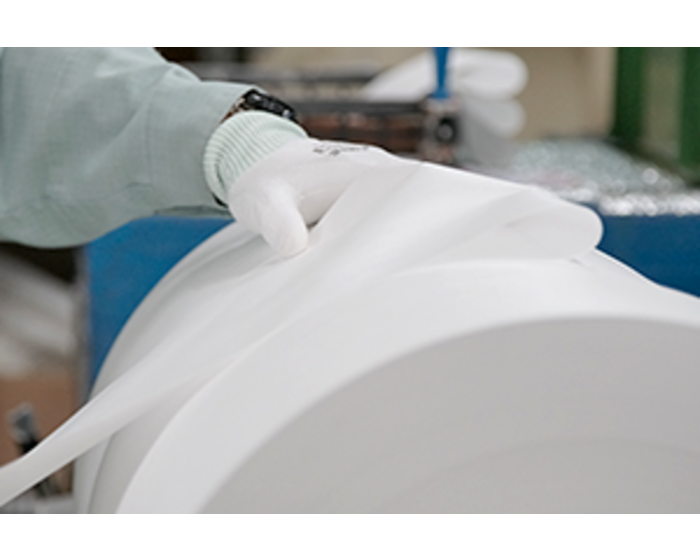
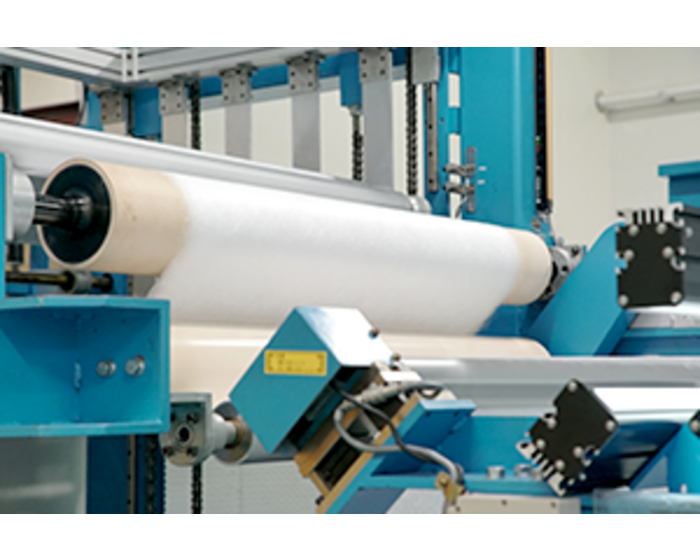
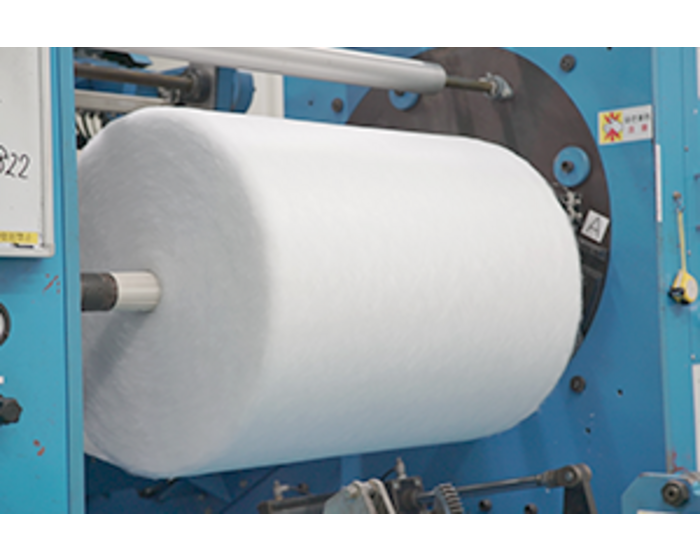
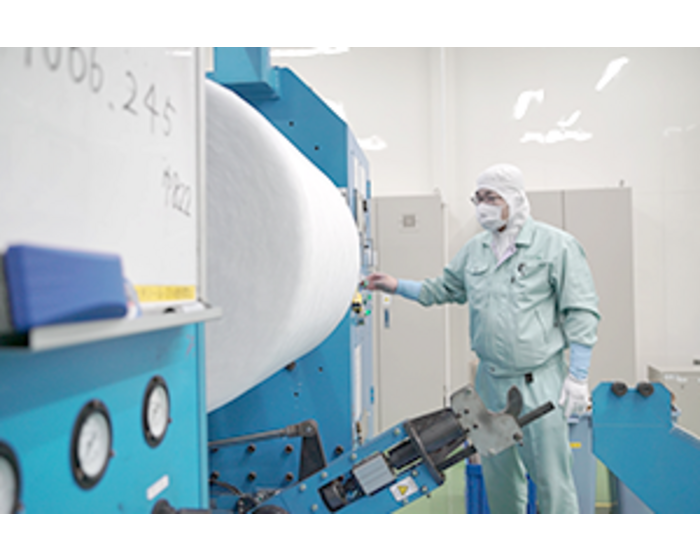
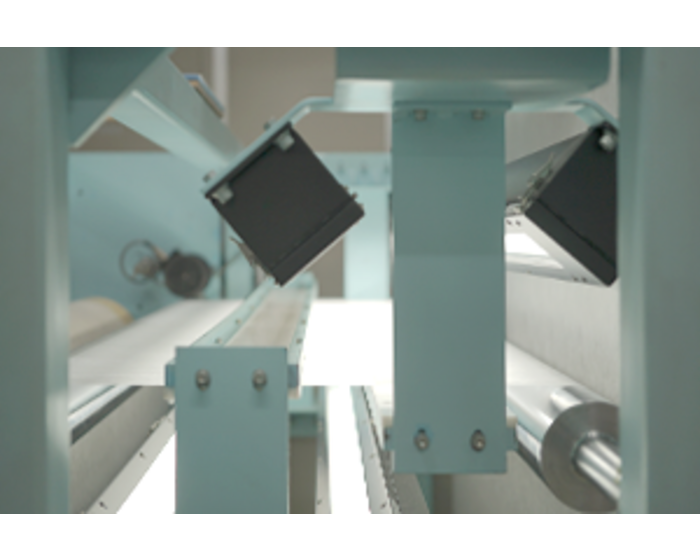
Advanced meltblown nonwoven production with ultrafine fiber precision. Customizable, high-quality fabric for filtration, hygiene, and electronics. Meltblown Nonwoven Fabric Production Meltblown nonwoven fabric is produced using ultrafine fiber technology that combines precision engineering with decades of expertise. With over 40 years of meltblown experience, the process ensures stable, high-performance nonwoven fabric for a wide range of industrial applications, from filtration to hygiene and electronics. Meltblown Fabric Manufacturing Process The meltblown method is a one-step, high-precision process that produces nonwoven fabric with fine, uniform fiber structures. Tapyrus’s system provides controlled, repeatable quality through the following steps: 1. Resin Melting – Thermoplastic resin (e.g., polypropylene) is melted and extruded through precision nozzles. 2. Ultrafine Fiber Formation – High-pressure, high-temperature air stretches the resin into fibers <1µm in diameter. 3. Web Formation – Fibers accumulate on a conveyor belt, creating a consistent nonwoven sheet. 4. Inspection – Quality control ensures uniformity and removes foreign particles. 5. Winding & Measurement – Rolls are cut and inspected for thickness, basis weight, and width. 6. Processing & Finishing – Calendaring, slitting, or other treatments tailor the fabric to customer specifications. 7. Storage & Delivery – Finished rolls are stored and shipped under controlled conditions. Historical Background Meltblown technology originated in the 1940s and was introduced to Japan in 1974 by the Exxon Group. Since then, Tapyrus has advanced the process with proprietary systems and accumulated expertise, supporting both mass production and small-lot custom runs for specialized industries. Industrial Applications Meltblown nonwoven fabric is widely applied across sectors where ultrafine filtration, cleanliness, and consistency are critical: - Medical & Hygiene – Surgical masks, medical gowns, hygiene products - Air & Liquid Filtration – HEPA filters, industrial liquid separation - Electronics – Cleanroom wipes, precision process filters - Automotive & Industrial – Cabin filters, protective layers, insulation Why Meltblown Matters The meltblown process enables the creation of fabrics with exceptional particle capture, softness, and uniformity, unmatched by traditional textile methods. Tapyrus’s in-house technology and long-standing expertise ensure reliable solutions for industries requiring high-specification nonwoven materials. ※ For more details, please contact us below or download the document for further information. #MeltblownFabric #NonwovenTechnology #UltrafineFiber #IndustrialFiltration #CleanroomMaterials

High-Precision Nonwoven Quality|Advanced Technology for Reliable Manufacturing

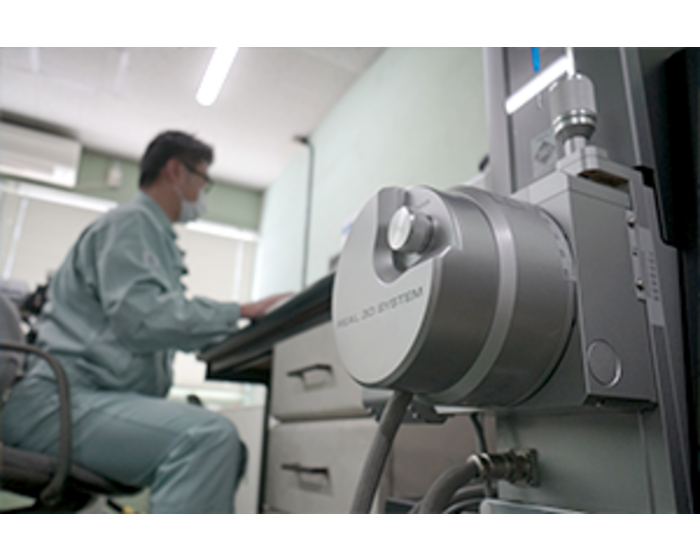
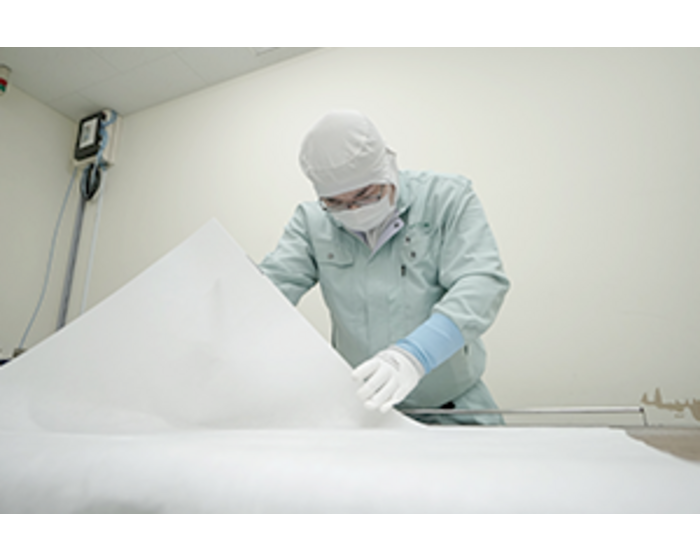
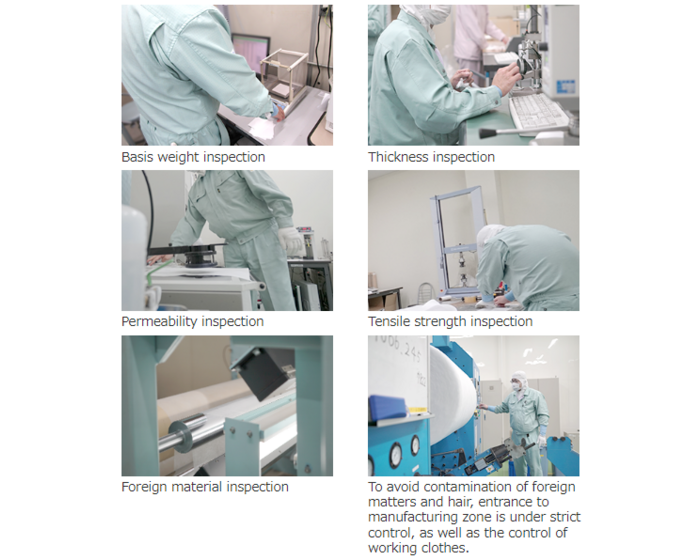
High-precision nonwoven fabric manufacturing with advanced technology, strict quality control, and ISO-certified processes for global industries. High-Precision Nonwoven Quality Delivering high-performance nonwoven fabrics requires more than advanced machinery. It depends on innovation, stable production processes, and rigorous quality control. Through integrated R\&D, equipment management, and global certifications, Tapyrus ensures consistent nonwoven quality for industries such as filtration, medical, and electronics. Technology Development for High-Function Performance To meet diverse industry demands, advanced technology is applied across product design and material science: - New Product Development Filters with high particle-capture efficiency, leveraging electrostatic and electret technologies. - Material Innovation Next-generation fabrics with ultrafine fibers and advanced polymers for specialized performance. - Tailored Solutions Customization of fiber diameter, basis weight, thickness, and added functionality to match application-specific requirements. Equipment Management for Process Stability Consistent product quality is supported by state-of-the-art equipment management: - Scheduled maintenance of meltblown and processing equipment. - Environmental control of humidity and temperature in production zones. - Ongoing upgrades to machinery and continuous process improvement through new technologies. Quality Assurance with Global Certification Strict quality assurance protocols ensure performance and safety at every production stage: - Weight & Thickness Control – Each roll is monitored for uniformity. - Air Permeability Testing – Confirms filtration efficiency and breathability. - Tensile Strength Testing – Validates mechanical durability and processability. - Contaminant Prevention – Strict protocols minimize foreign matter risks. - Certifications – Compliance with ISO 9001 (Quality Management) and ISO 14001 (Environmental Management). Production environments are strictly managed with cleanroom uniforms, contamination controls, and preventive procedures to ensure reliability. Why It Matters High-quality nonwoven fabrics enable safe, durable, and high-performance end products across critical industries. With a combination of technological innovation, process control, and certified quality systems, manufacturers can trust in consistent delivery and long-term reliability. ※ For more details, please contact us below or download the document for further information. #NonwovenFabric #QualityControl #ISO9001 #ISO14001 #UltrafineFiber #IndustrialMaterials

High-Performance Polypropylene Nonwoven|Food, Medical & Electrical Applications

Durable polypropylene nonwoven fabric with chemical resistance, water repellency, and sterilization compatibility for food, medical & industrial use. Polypropylene Nonwoven Fabric for Industrial Applications Polypropylene nonwoven fabric is widely recognized for its durability, versatility, and cost-efficiency. Tapyrus manufactures advanced polypropylene nonwovens engineered to meet strict industrial requirements for chemical resistance, hygiene, and electrical performance. Key Features of Polypropylene Nonwoven - Outstanding Chemical Resistance Suitable for use in harsh industrial and chemical environments. - Excellent Water Repellency Surface-treated to prevent fluid penetration, ideal for medical and food applications. - Electrical Insulation Properties Provides stable dielectric performance for electrical and electronic components. - Autoclave Sterilization Compatibility Endures high-pressure, high-temperature sterilization for medical and food-grade use. - Cost-Effective Mass Production Efficient to produce at scale, ensuring competitive pricing for large-volume orders. Technical Specifications - Main Material: Polypropylene - Thickness: 0.5 mm to several millimeters - Heat Resistance: Up to 120°C - Water Repellency: Enhanced with surface treatment Applications - Food & Beverage Industry Nonwoven packaging material for hygienic and contamination-resistant products. - Medical Sector Filters, masks, and consumables requiring sterilization and consistent reliability. - Industrial Applications Electrical insulation sheets, protective layers, and durable machine/electronic components. Why It Matters Polypropylene nonwoven fabric is a multi-functional material offering chemical stability, hygiene, and safety. From food packaging to medical filtration and industrial protection, it ensures reliable long-term performance at an economical production cost. ※ For more details, please contact us below or download the document for further information. #PolypropyleneNonwoven #IndustrialMaterials #MedicalFilters #FoodPackaging #ElectricalInsulation

High-Performance Polyester Nonwoven|Durable, Processable Material for Industry

Polyester nonwoven fabric with heat resistance up to 240°C. Strong, durable, and highly processable for industrial, textile & filtration uses. Polyester Nonwoven Fabric for Industrial Applications Polyester nonwoven fabric is designed to withstand high heat, oxidative stress, and demanding environments. Tapyrus manufactures polyester-based nonwovens that combine thermal durability, processability, and long-term stability, making them ideal for filtration, protection, and technical textile applications. Key Features of Polyester Nonwoven - High Heat Resistance Stable under continuous exposure to temperatures up to 240°C, ensuring safe use in heat-intensive applications. - Resistance to Oxidative Degradation Maintains performance and structural integrity even under prolonged stress and oxidation. - Superior Processability Compatible with aqueous impregnation, calendaring, and heat modification, allowing flexible secondary processing. - Strong and Durable Delivers long-lasting mechanical strength for industrial and textile applications. Technical Specifications - Main Material: Polyester - Melting Point: 220–240°C - Thickness: Adjustable to customer requirements - Processing Compatibility: Impregnation, heat treatment, calendaring, and other secondary modifications Applications - Industrial Filters Effective in high-temperature filtration and separation processes. - Thermal Protection Components Protective nonwoven layers for machinery, automotive, and electronic devices. - Technical Textiles High-resilience nonwoven base for industrial fabrics and performance textiles. Why It Matters Polyester nonwoven fabric offers a balanced combination of heat resistance, durability, and versatility. With its ability to undergo post-processing treatments, it supports advanced manufacturing needs across filtration, industrial protection, and textiles. ※ For more details, please contact us below or download the document for further information. #PolyesterNonwoven #IndustrialTextiles #HeatResistantFabric #FiltrationMedia #ThermalProtection

High-Performance Polyamide Nonwoven|Durable, Chemical-Resistant Industrial Fabric

Polyamide nonwoven fabric with water absorption, heat resistance (~225°C), and chemical durability for filtration, machinery & industrial use. Polyamide Nonwoven Fabric for Extreme Environments Polyamide nonwoven fabric is engineered to deliver water absorption, heat resistance, and chemical durability. Tapyrus manufactures advanced polyamide-based nonwovens designed to perform in moisture-sensitive, high-temperature, and chemically aggressive environments making them ideal for filtration, industrial machinery, and protective applications. Key Features of Polyamide Nonwoven - High Moisture Absorption Amide group structure enables excellent water and liquid uptake, making it ideal for absorbent filtration media. - Heat Resistance (~225°C) Maintains mechanical and chemical stability under elevated operating temperatures. - Chemical Resistance Performs reliably against solvents, oils, and aggressive industrial chemicals. - Durability & Strength Provides long-term operational reliability with minimal degradation, even under stress. Technical Specifications - Main Material: Polyamide - Melting Point: ~225°C - Absorption: High water and liquid absorption capacity - Customization: Available in tailored thicknesses, designs, and forms for specific applications Applications - Absorbent Filters Effective in liquid collection, separation, and purification systems. - Industrial Components Reliable in chemical plants, manufacturing facilities, and high-stress equipment. - High-Temperature Machinery Used as protective elements in electronics, mechanical parts, and industrial assemblies. Why It Matters Industries operating under extreme heat, chemical exposure, or fluid-handling demands require materials with exceptional stability and absorption. Tapyrus’s polyamide nonwoven fabric provides engineers with a durable, high-performance, and cost-effective solution for critical industrial applications ※ For more details, please contact us below or download the document for further information. #PolyamideNonwoven #IndustrialFiltration #HeatResistantFabric #ChemicalDurability #AbsorbentMedia

High-Performance Polymethylpentene Nonwoven|Durable, Insulating Material for Industrial Use

PMP nonwoven fabric with heat resistance (~230°C), chemical durability, and electrical insulation. Lightweight and reliable for electronics, filtration, and chemical processing. Polymethylpentene (PMP) Nonwoven Fabric Polymethylpentene (PMP) nonwoven fabric is a polyolefin-based high-performance material designed for demanding industrial environments. With a unique balance of thermal stability, chemical resistance, and dielectric strength, it is ideal for electronics, filtration, and chemical processing applications. Key Features - High Heat Resistance Maintains mechanical integrity and functional performance at temperatures up to ~230°C. - Chemical Resistance Withstands exposure to corrosive agents and aggressive chemicals without degradation. - Electrical Insulation Provides reliable dielectric properties, ensuring safety in electronic and high-voltage systems. - Lightweight Design Reduces system weight while maintaining strength and precision performance. Technical Specifications - Main Material: Polymethylpentene (PMP) - Melting Point: ~230°C - Electrical Insulation: High-performance dielectric capability - Customization: Thickness, dimensions, and formats tailored to customer requirements Applications - Electronic Insulation Applied as dielectric layers in high-voltage or sensitive electronic systems. - High-Temperature Filtration Suitable for filters operating in extreme thermal environments. - Chemical Processing Functions as protective barrier material against chemical exposure in industrial operations. Why It Matters Industries require advanced nonwoven materials that combine heat resistance, chemical durability, and lightweight design. Tapyrus’s PMP nonwoven fabric delivers reliability and safety across multiple demanding fields, making it a trusted choice for engineers and manufacturers seeking long-term performance. ※ For more details, please contact us below or download the document for further information. #PMPNonwoven #HighTemperatureFabric #ElectricalInsulation #ChemicalResistantMaterial #IndustrialNonwoven

High-Performance Polyphenylene Sulfide Nonwoven|Flame Retardant Material for Industrial Applications

PPS nonwoven fabric with heat resistance up to 285°C, flame retardancy, and chemical durability. Ideal for filtration, electronics, and structural parts. PPS Nonwoven Fabric for Extreme Environments Polyphenylene Sulfide (PPS) nonwoven fabric is designed for industries operating under extreme heat, chemical exposure, and fire safety requirements. Tapyrus manufactures PPS-based nonwovens with thermal stability (~285°C), exceptional chemical resistance, and flame-retardant performance, making them a trusted solution for electronics, filtration, and high-performance industrial structures. Key Features - Superior Heat Resistance Stable at continuous operating temperatures up to ~285°C. - Exceptional Flame Retardancy Self-extinguishing properties ensure safety in critical environments. - Broad Chemical Resistance Resistant to nearly all chemical substances (excluding concentrated nitric acid). - High Durability Maintains mechanical strength and structural integrity even in long-term, high-stress operations. Technical Specifications - Main Material: Polyphenylene Sulfide (PPS) - Melting Point: ~285°C - Chemical Compatibility: Effective against most acids, bases, and solvents - Processability: Adaptable to shaping, bonding, and composite integration Applications - Electronics Reliable heat-resistant and flame-retardant components for advanced systems. - Industrial Filtration Filters for high-temperature gases, chemical processes, and aggressive industrial environments. - High-Performance Structures Structural elements for equipment and assemblies operating in extreme conditions. Why It Matters Industrial systems often require materials that perform reliably under heat, fire, and chemical stress. PPS nonwoven fabric provides long-term stability, safety, and adaptability, making it indispensable for next-generation industrial and electronic applications. ※ For more details, please contact us below or download the document for further information. #PPSNonwoven #HighTemperatureFabric #FlameRetardant #ChemicalResistant #IndustrialFiltration

Biodegradable PLA Nonwoven Fabric|Compostable, Renewable, and Eco-Friendly Industrial Material

Plant-based PLA nonwoven fabric. 100% biodegradable into CO₂ and water. A sustainable alternative for packaging, disposables, and eco-goods. Biodegradable PLA Nonwoven Fabric Polylactic Acid (PLA) nonwoven fabric is a plant-derived, sustainable material designed as an eco-friendly alternative to petroleum-based plastics. Manufactured by Tapyrus, this material naturally decomposes into carbon dioxide and water through microbial action, making it safe for the environment and compliant with modern sustainability standards. Key Features of PLA Nonwoven - Plant-Based and Sustainable Derived from renewable resources, reducing reliance on fossil fuels. - Biodegradable Under natural conditions, it decomposes completely into CO₂ and H₂O, leaving no harmful residue. - Environmentally Safe Disposal Minimizes post-use waste impact, supporting green product lifecycles. - Versatile Usage Adaptable for packaging, single-use goods, and eco-friendly consumer products. Technical Specifications - Main Material: Polylactic Acid (PLA) - Biodegradability: Full microbial decomposition into CO₂ and H₂O - Origin: 100% renewable, plant-based resources Applications - Food Packaging Compostable trays, wraps, and films ensuring hygiene and sustainability. - Single-Use Products Eco-friendly forks, spoons, plates, and containers for green dining solutions. - Eco Household Goods Everyday consumer products reflecting sustainable living values. Why It Matters Global industries face growing demand for sustainable materials. PLA nonwoven fabric provides a biodegradable, renewable, and versatile solution that reduces environmental burden while supporting innovation in packaging, consumer goods, and eco-friendly design. ※ For more details, please contact us below or download the document for further information. #PLANonwoven #BiodegradableMaterials #EcoPackaging #SustainableProducts #GreenManufacturing

Industrial Nonwoven Quality Control|Basis Weight, Thickness & Performance Testing

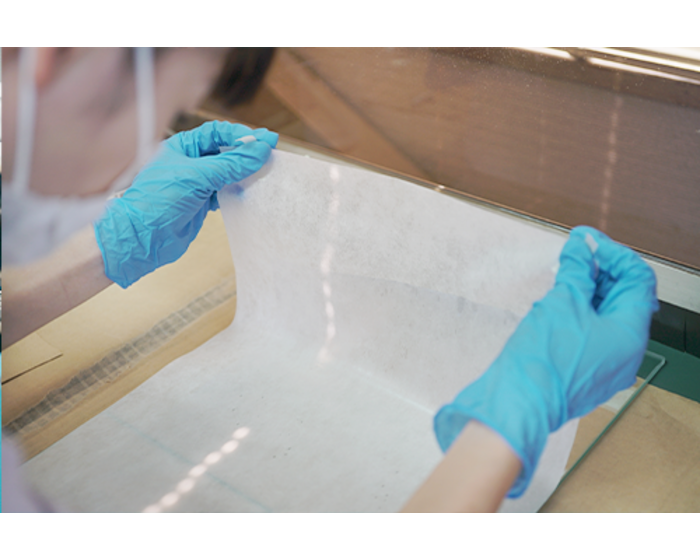
Integrated quality control in nonwoven manufacturing. Strict process management, contamination prevention, and client-specific testing for industrial reliability. Consistent Quality Control in Nonwoven Manufacturing Producing high-performance nonwoven fabrics requires precise quality management at every stage. Tapyrus applies an Integrated Quality Management System to ensure repeatable performance, industrial reliability, and compliance with global standards. Key Features of Quality Assurance - Standardized Process Management Stable manufacturing is achieved through strict equipment calibration, environmental monitoring, and procedural controls. - Fundamental Property Verification Every production roll is tested for basis weight, thickness, and air permeability, ensuring dimensional and functional consistency. - Customized Quality Testing Client-specific tests such as tensile strength, chemical resistance, and durability validation are performed upon request. - Cleanroom-Level Contamination Control Production teams use protective clothing, hairnets, and dedicated footwear to prevent foreign particle contamination. Technical Specifications - Control Scope: Manufacturing conditions, equipment, and procedures - Quality Metrics: Basis weight, thickness, air permeability - Special Testing: Custom evaluations including strength, chemical resistance, or permeability per client specifications Applications - Precision Manufacturing Ensures repeatable product quality for filtration, medical, and electronic components. - High-Standard Industries Suitable for cleanroom-grade production in medical, food, and electronics manufacturing. Why It Matters For industries where precision and reliability are essential, consistent quality control guarantees safety, compliance, and performance. Tapyrus’s robust system provides industrial partners with confidence in long-term supply stability and strict adherence to specifications. ※ For more details, please contact us below or download the document for further information. #NonwovenFabric #QualityControl #IndustrialManufacturing #CleanroomStandards #ISO9001

Non-Adhesive Nonwoven Fabrics|Eco-Friendly, Hygienic, and Certified Industrial Material

Adhesive-free nonwoven fabrics. Safe, hygienic, and eco-friendly with ISO 14001 & ISCC PLUS certification for sustainable industries. Non-Adhesive Nonwoven Fabrics for Safe & Sustainable Industry Nonwoven fabrics produced without adhesives or binders offer a cleaner, safer, and more sustainable alternative for modern industries. Tapyrus leads innovation in non-adhesive nonwoven technology, delivering materials designed for food processing, hygiene-critical, and environmentally conscious applications. Key Features of Adhesive-Free Nonwoven - No Harmful Substance Leaching Free from adhesives and surfactants, ensuring no chemical residue contamination. - Hygienic Manufacturing Suitable for food processing, semiconductor production, and medical environments where strict cleanliness is required. - Eco-Friendly Production Binder-free processes reduce environmental footprint across the entire product lifecycle. Environmental Policy Tapyrus integrates sustainability and compliance into every stage of production: - ISO 14001 Environmental Management – Continuous improvement in environmental responsibility. - ISCC PLUS Certification – Promotes use of non-fossil-based plastics via mass balance methodology. - Green Factory Operations – Low-impact systems implemented at major facilities, including Isehara Plant. International Certifications - ISO 9001 (Quality Management) – Ensures consistent product quality and traceability. - ISO 14001 (Environmental Management) – Guarantees environmentally responsible production. - ISCC PLUS – Supports responsible sourcing and circular material use. Why It Matters Modern industries require materials that are safe, sustainable, and certified. Adhesive-free nonwoven technology offers peace of mind, compliance, and reduced environmental burden, ensuring long-term trust and value for manufacturers in medical, food, semiconductor, and eco-conscious markets. ※ For more details, please contact us below or download the document for further information. #NonwovenFabric #SustainableMaterials #AdhesiveFree #ISCCPLUS #ISO14001 #GreenManufacturing

CONTACT

Inquiry

This is the inquiry form for TAPYRUS (THAILAND) CO., LTD.. Please enter your inquiry.

This service is intended to provide consultation and opinion requests for processing projects.
Please do not use this information for self-promotion or sales activities.
If we receive a complaint from a recipient about the contents of the transmission, we may take measures such as forcibly stopping the use of the service.

Inquiry Type*Required
Message*Required
Attach file

Only image (jpeg, jpg, gif, png, pdf) and compressed file (zip, lzh) extensions are valid. Maximum file size 10MB