SERVICE
Production Goods & Services
17hits
Narrow by category
IoT Monitoring System "iXacs"|Real-Time Production Monitoring & CO₂ Reduction Tool
"iXacs" is an IoT-based monitoring system developed by ・Siam Asahi Manufacturing Co., Ltd.・ to help Thai factories monitor production in real time, improve efficiency, and reduce CO₂ emissions. "iXacs" enables users to view live production data on smartphones or PCs—anytime, anywhere—improving decision-making and transparency on the shop floor. The system supports sustainable manufacturing by visualizing energy use and emissions, helping factories identify problems and implement kaizen (改善) improvements. ■ Key Features: ・ Real-Time Monitoring: View machine and production line statuses live via internet-connected devices. ・ Production Visualization: Displays cycle times, output, and efficiency in numbers and graphs. ・ CO₂ Emission Tracking: Monitors energy use and carbon output to support green manufacturing. ・ End-to-End IoT Support: Includes installation, data analysis, and kaizen advisory for smooth implementation. ■ Technical Information: ・ Devices: PC, smartphone, tablet ・ Authentication: Secure login via user ID/password ・ Connectivity: Cloud-based; data sent over the internet ・ Data Update Frequency: Real-time per production cycle ■ Applications: ・ Factory Monitoring: Real-time tracking of output and machine status to minimize downtime ・ Kaizen Improvement: Supports continuous improvement with accurate digital records ・ Environmental Management: Reduce CO₂ emissions and optimize energy usage Siam Asahi Manufacturing Co., Ltd., provides "iXacs" services nationwide. This system empowers Thai manufacturers to enhance transparency, efficiency, and environmental responsibility. ■ You can download more details as a PDF or contact us immediately for inquiries. #IoT #SmartFactory #ProductionMonitoring #CO2Reduction #EnergyManagement #IndustrialIoT #ThailandFactory #Kaizen #SmartManufacturing
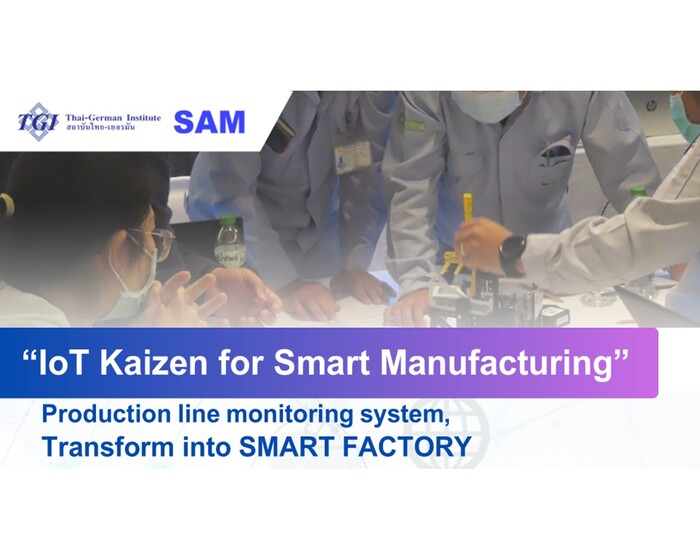
Smart Factory Tour with "iXacs"|Learn IoT Kaizen, Lean Automation & CO₂ Reduction Methods
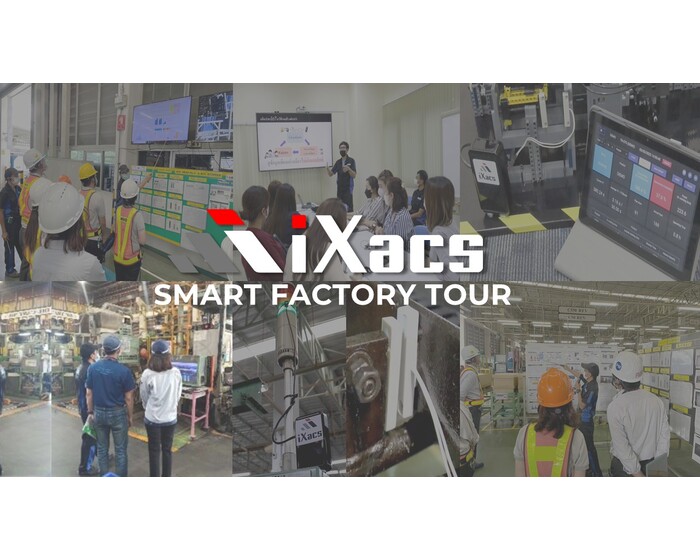
Join Siam Asahi Manufacturing Co., Ltd. in a hands-on Smart Factory Tour featuring the in-house developed IoT system iXacs. Learn how Thai factories are applying Lean Automation, Kaizen, and digital dashboards to cut costs, improve workload balance, and support carbon-neutral manufacturing. ■ Program Content: ・ Real-time monitoring of production using live shop floor data ・ Visual Kaizen comparison using LEGO assembly (before/after analysis) ・ Stopwatch timing, data logging, and productivity improvement evaluations ・ iXacs Dashboard for data-driven planning and performance tracking ・ Real factory case studies showing cost savings and CO₂ reduction ・ On-site result presentations via the Yokoten board ■ Program Highlights: ・ Integrated teaching of Lean principles (เชิงลีน) and IoT technologies ・ Delivered by experienced Thai staff from actual manufacturing sites ・ Learn through real machines, real data, and real Kaizen scenarios ・ Gain systematic evaluation skills in time studies and performance analysis ■ Target Industries & Applications: ・ Automotive, electronics, and precision assembly sectors ・ Teams focused on Kaizen (ไคเซ็น), TPM, and productivity improvements ・ Companies preparing to transform into Smart Factories ■ Why Choose This Program: ・ Combines theory with hands-on practice using actual factory tools ・ Access real before-and-after performance metrics ・ Direct interaction with the "iXacs" development and field operations team ・ Ideal for team training and collaborative learning Siam Asahi Manufacturing Co., Ltd., participants from across the country. ■ You can download more details as a PDF or contact us immediately for inquiries. #SmartFactory #IoTSystem #iXacs #SmartManufacturing #Kaizen #LeanAutomation #ProductivityImprovement #CO2Reduction #Yamazumi #DigitalTransformation
Smart Factory Tour with IoT System "iXacs"|Boost Factory Efficiency & Cut Costs in Thailand
Join the Smart Factory Tour by ・Siam Asahi Manufacturing Co., Ltd.・ to experience "iXacs," an in-house developed IoT monitoring system for real-time production data management. This hands-on program demonstrates how Thai factories can enhance productivity, reduce CO₂ emissions, and cut operational costs using practical smart factory methods. ■ Program Highlights: ・ iXacs System Overview: Learn about the system’s architecture, interface, and production optimization features ・ Live Demonstrations: Watch IoT device installation and operation at real production sites ・ Kaizen Techniques: Discover continuous improvement strategies tailored to Thai factories ・ Simulated IoT Training: Use training tools to understand data-driven manufacturing ・ Real Case Studies: See results from factories that reduced costs and environmental impact ・ On-Site Q\&A: Engage with local experts for direct insights ■ Program Features: ・ Practical, factory-specific demonstrations using real equipment and data ・ Designed for Thai manufacturing conditions across multiple industries ・ Ideal for managers, engineers, and kaizen leaders aiming for sustainable improvement ■ Target Industries & Applications: ・ Automotive, electronics, forming, and assembly factories ・ Supports production line optimization, machine monitoring, and kaizen implementation ・ Helps cut energy use, CO₂ emissions, and production waste ■ Why Attend This Tour: ・ Learn actionable techniques from real-world implementations ・ Gain firsthand experience using the "iXacs" system ・ Receive insights from Thai professionals with factory expertise ・ Perfect for companies starting or scaling their smart factory journey Siam Asahi Manufacturing Co., Ltd., invites participants nationwide. ■ You can download more details as a PDF or contact us immediately for inquiries. #SmartFactory #IoTSystem #iXacs #SmartManufacturing #Kaizen #ProductionEfficiency #CostReduction #EnergyManagement #SmartProductionLine #IndustrialTechnology
Results of Using IoT in Industrial Factories|Boost Efficiency, Reduce Errors, and Elevate Production
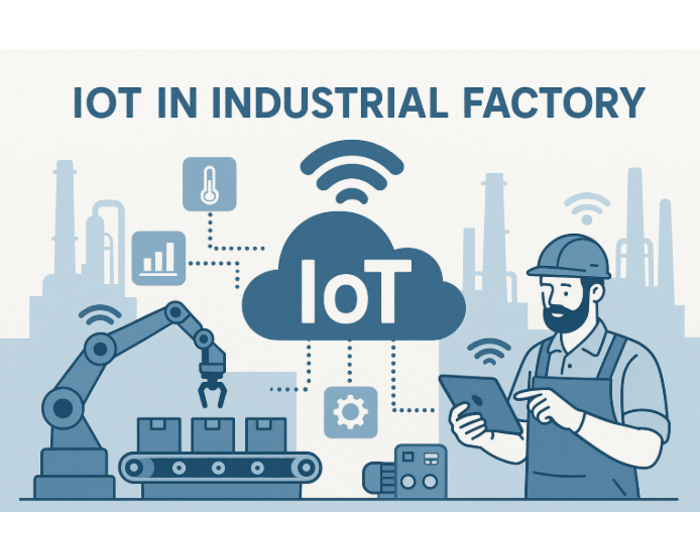
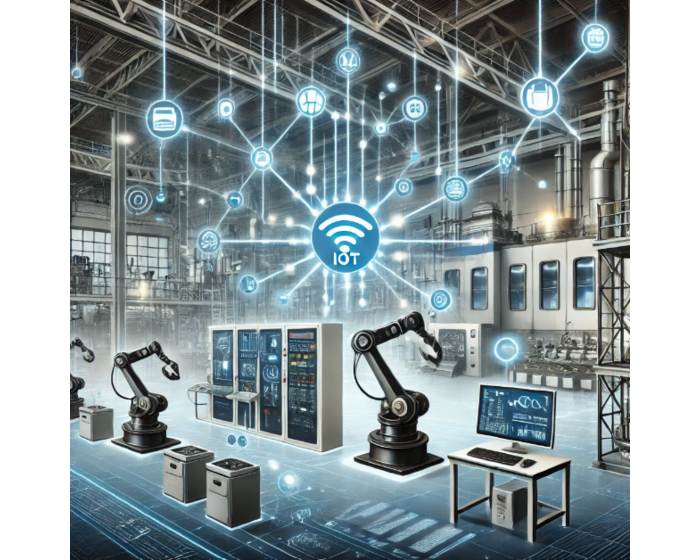
Applying IoT (Internet of Things) in industrial factories improves efficiency, lowers production costs, minimizes errors, and enhances competitiveness. This is a vital step for Thai factories aiming to become Smart Factories. ■ Industrial Revolution with IoT In today’s fast-changing markets, industrial factories are under pressure to improve productivity, reduce costs, and maintain product quality. The Internet of Things (IoT)—often referred to as Industrial IoT (IIoT)—connects machines, devices, and control systems, enabling smarter and more efficient operations. ■ What is IoT in Industrial Factories? IoT uses sensors and internet-connected devices to send real-time data to management systems. Typical applications include: ・ Monitoring temperature, humidity, and vibration of machines ・ Tracking automation system performance ・ Detecting abnormalities before breakdowns occur This helps factory managers make faster, more accurate decisions, reduce risks, and continuously optimize production processes. ■ Real Results of IoT in Factories 1. Higher Production Efficiency ・ Real-time monitoring of output ・ Reduced downtime, faster production cycles 2. Lower Waste and Fewer Errors ・ Detection of abnormal values in raw materials and equipment ・ Reduced product rejection rates 3. Improved Workplace Safety ・ Monitoring pressure, temperature, and hazardous substances ・ Preventing accidents and ensuring worker safety 4. Energy Cost Savings ・ Analyzing machine-level energy consumption ・ Reducing electricity and utility expenses 5. Predictive Maintenance ・ Forecasting potential equipment failures ・ Preventing unexpected machine stoppages and repair costs ■ Key Considerations Before Adopting IoT ・ Network stability (wired/wireless) ・ Cybersecurity and data protection ・ Integration with SCADA, MES, ERP systems ・ Workforce training to ensure smooth adoption ■ Smart Factory Tour by Siam Asahi Manufacturing Co., Ltd. For factories in Thailand seeking real-world IoT insights, we recommend the Smart Factory Tour hosted by ・Siam Asahi Manufacturing Co., Ltd.・ You’ll see the iXacs system in action, tailored for Thai factories, with benefits such as: ・ Lower production costs ・ Reduced CO₂ emissions ・ Optimized efficiency across all processes ・ Practical Kaizen-based improvements on the shop floor This is more than just a factory visit—it’s a hands-on learning experience in Smart Factory transformation. ■ For more details, you can download the PDF or contact us directly. #IoT #IIoT #SmartFactory #PredictiveMaintenance #IndustrialAutomation #EnergySaving #Kaizen #FactoryThailand #Manufacturing
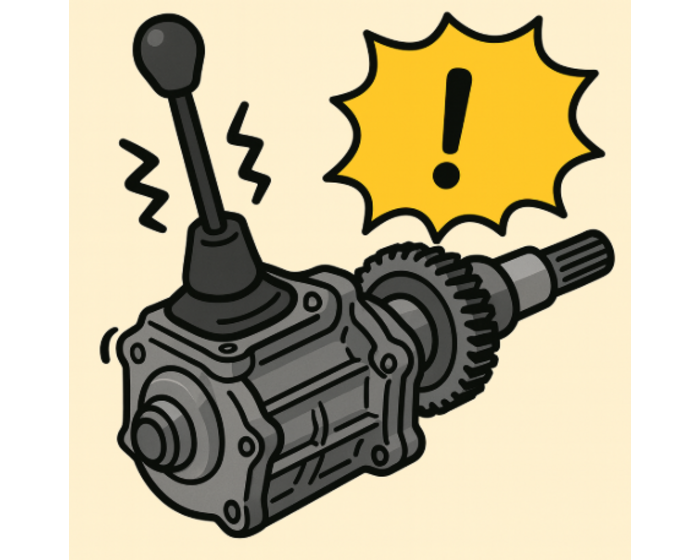
Noise from Manual Transmission|5 Key Points to Check Before Gearbox Disassembly
Manual transmission noise often stems from issues with oil, gears, or the clutch—not always the gearbox itself. This article outlines 5 inspection points to help you diagnose root causes early, reducing unnecessary disassembly, time, and cost. ■ Gearbox Noise Is a Red Flag—Don’t Ignore It In manual transmission systems, abnormal noises—such as whining, knocking, or grinding—signal internal issues. Ignoring these can lead to drivetrain or clutch damage. By following a structured inspection process, you can identify the source without rushing to open the gearbox. ■ Gear Oil Condition & Level Insufficient or degraded oil leads to poor lubrication and abnormal noise, especially during low RPM or shifts. ✅ What to Do: ・ Check oil level and top up as needed. ・ Replace old oil per OEM specs. ・ Use the correct viscosity grade. ■ Gears and Output Shafts Worn or chipped gears can cause noise in specific gears or under heavy load. ✅ What to Do: ・ Listen during shifts—identify if it’s gear-specific. ・ If persistent, disassemble to inspect gear teeth and alignment. ■ Clutch System and Release Bearing If noise appears while pressing or releasing the clutch, a worn release bearing or clutch disc is likely. ✅ What to Do: ・ Hold the clutch down—listen for whining or rumbling. ・ If present, inspect and replace the release bearing or clutch disc. ■ Gearbox and Engine Mounts Loose or damaged mounts cause knocking or misalignment noises during shifts or acceleration. ✅ What to Do: ・ Check all rubber mounts for cracking or looseness. ・ Replace torn or weak parts to stabilize the system. ■ Worn Synchromesh Grinding sounds during gear engagement—especially in 1st or reverse—point to worn synchromesh mechanisms. ✅ What to Do: ・ Test whether grinding occurs at every shift. ・ Open gearbox if consistent issues are found. ■ Reduce Noise with High-Precision Gear Components Using high-quality parts reduces long-term noise and extends the system's life. ✅ Recommended: Siam Asahi Manufacturing (Thailand) Co., Ltd. A trusted supplier of drivetrain components engineered for durability: ・ Precision CNC + forging ensures minimal tolerances. ・ Materials: Cast steel and aluminum alloys built for load-bearing. ・ Customization: Tailored parts for specific transmission systems. ・ ISO-certified: All products tested for strength and performance. ■ For more details, please download the PDF or contact us directly. #ManualTransmission #ClutchNoise #Synchromesh #DrivetrainNoise #GearInspection #SiamAsahi #OEM
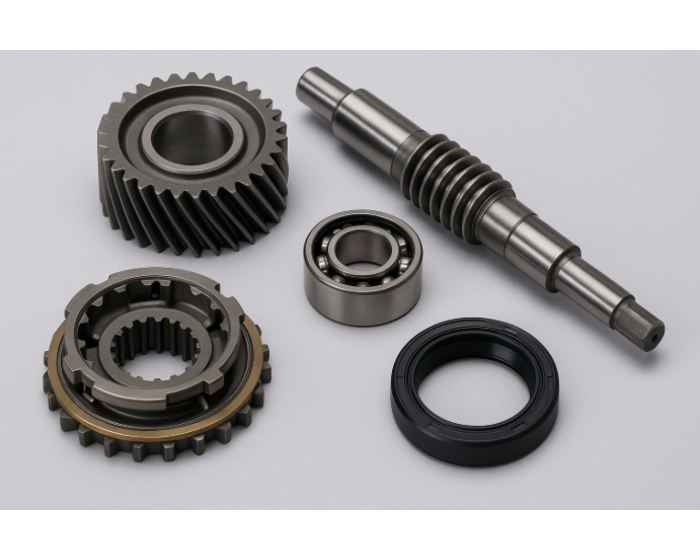
Manual Transmission Spare Parts|Extend Heavy Machinery Lifespan & Reduce High Torque Damage
Using high-quality manual transmission spare parts enhances durability, reduces wear from high torque, and extends the lifespan of heavy industrial machinery operating in demanding environments. ■ What is a Manual Transmission System in Heavy Industry? Manual transmission systems are mechanically controlled power transmission units often found in excavators, mining trucks, and industrial machinery. Operators manually shift gears to handle torque-heavy tasks. Key Benefits: ・ Excellent durability under heavy loads ・ Easier maintenance and repair ・ Reliable in harsh environments like dust, heat, and vibration ■ Why High-Quality Spare Parts Matter Poor-quality parts degrade quickly, leading to: ・ Gear tooth wear and surface pitting ・ Abnormal noises and rough gear shifts ・ Drivetrain damage including shafts and bearings High-grade components significantly reduce downtime, replacement costs, and torque-induced stress, making them essential for long-term factory efficiency. ■ Key Transmission Components to Evaluate: 1. Gears – Require precise tooth profiles and strength 2. Shafts – Must resist torsional loads without deformation 3. Synchronizers – Ensure seamless gear engagement 4. Bearings – Minimize vibration and absorb radial forces 5. Seals/Gaskets – Prevent oil leaks under pressure ■ What Defines a High-Quality Spare Part? ・ Precision Manufacturing: CNC-machined with tight tolerances ・ Material Strength: Heat-treated steel/aluminum alloy ・ Resistance to Environment: Handles thermal, dust, and shock exposure ・ Quality Testing: CMM dimensional checks, hardness testing, torque/load analysis These standards ensure parts operate reliably under high torque, thermal stress, and intensive mechanical load. ■ Recommended Manufacturer: Siam Asahi Manufacturing (Thailand) Co., Ltd. Specialized in high-strength, precision transmission parts for the heavy machinery sector. Why choose Siam Asahi? ・ Built to handle continuous torque and high-temperature conditions ・ Production via forging + CNC, ensuring micron-level accuracy ・ Uses global-standard materials like forged steel and treated aluminum ・ Ideal for construction vehicles, gearboxes, and industrial drive systems ■ For more details, please download the PDF or contact us directly. #ManualTransmissionParts #HeavyMachineryGearbox #HighTorqueParts #IndustrialDriveSystems #FactoryMaintenance #TransmissionSpareParts #GearboxDurability #SiamAsahi #ThaiFactories
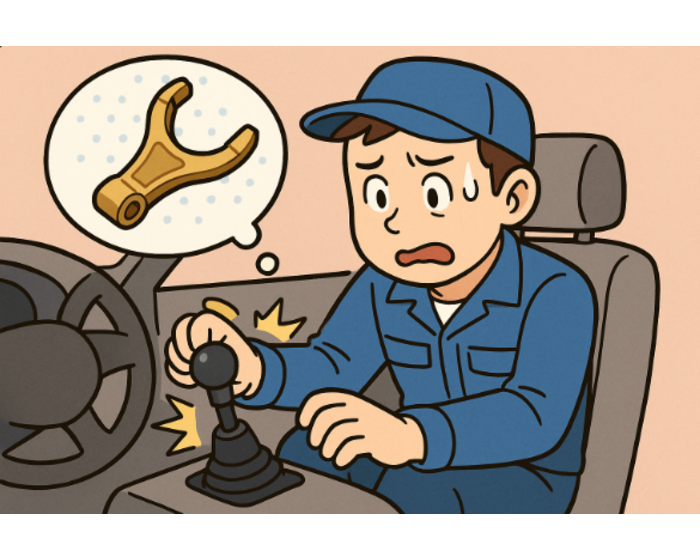
Signs Your Shift Fork Is Failing | Prevent Transmission System Damage
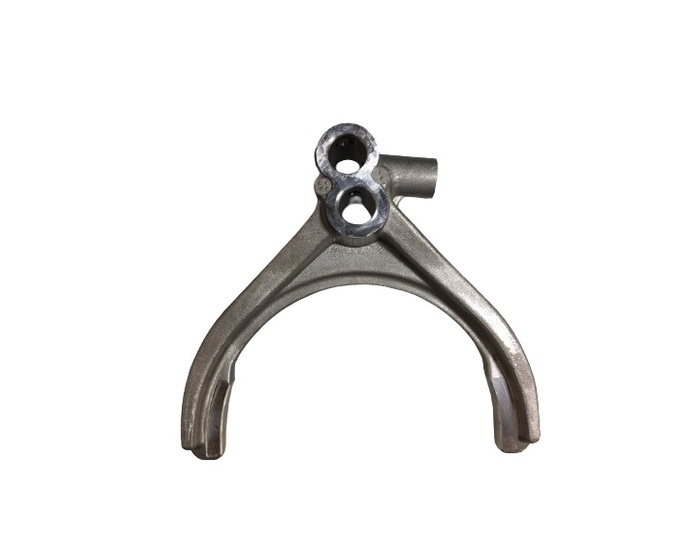
If your vehicle is experiencing difficulty shifting gears or the gears keep slipping, it may be due to a worn shift fork. Learn to recognize the warning signs and how to maintain it, along with tips on selecting high-quality replacement parts. ■ What Is a Shift Fork and Its Role in a Manual Transmission? The shift fork moves the synchronizer hub to engage the gear at the desired ratio. It plays a crucial role in smooth gear changes and directly affects the lifespan of the gears inside the transmission. ■ Common Warning Signs of a Failing Shift Fork 1. Difficulty shifting or clunking noise – A “clunk” or “grinding” sound while shifting may indicate that the fork’s ends are worn. 2. Gears pop out – When the gear slips back to neutral, it can be due to a bent or twisted shift fork. 3. No resistance in the gear lever – If the gear lever feels loose or “empty” when moved, the fork’s mounting points may have loosened or broken. 4. Constant gear grinding – This may be caused by misalignment preventing the gears from locking in place. ■ Factors That Cause Premature Shift Fork Failure ・ Aggressive or forceful shifting ・ Low-quality materials ・ Incorrect or insufficient transmission fluid lubrication ・ Manufacturing tolerances out of specification ■ Inspection and Maintenance Guidelines ・ Check that the fork’s ends are not chipped, bent, or broken ・ Use precision measuring tools to check tolerances ・ Ensure all mounting points are tight ・ Clean off oil residue and metal debris ・ Replace the part according to the transmission maintenance schedule ■ Recommended Product: Shift Fork from Siam Asahi Manufacturing (Thailand) Co., Ltd. Ideal for users requiring high precision and durability in manual transmission systems for cars, trucks, agricultural vehicles, and industrial machinery. Key Features: ・ CNC machining and forging for minimal tolerance variation ・ High-quality alloy steel tested for tensile and impact strength ・ Wear-resistant and suitable for high-RPM applications ・ Every unit passes ISO quality inspections For those seeking a high-quality component to ensure long-term transmission stability, this product is a reliable choice. ■ For more details, you can download the PDF or contact us directly. #ShiftFork #TransmissionSystem #ManualTransmission #AutomotiveParts #GearPopOut #TruckParts #IndustrialMachinery #AutomotiveEngineering #TransmissionRepair
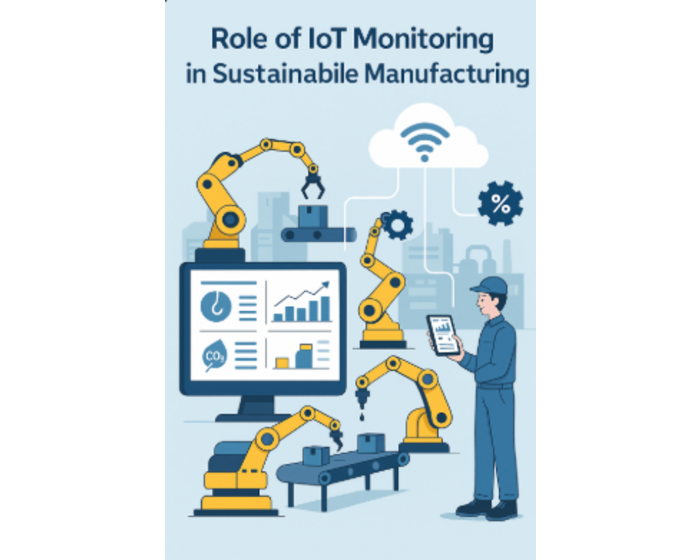
IoT Monitoring in Sustainable Manufacturing | Reduce Waste & Boost Factory Efficiency
IoT Monitoring helps manufacturers reduce energy use, cut production waste, and increase operational efficiency. It’s a critical tool for achieving sustainability and meeting ESG (Environmental, Social, Governance) compliance. ■ What Is IoT Monitoring in Manufacturing? IoT Monitoring uses internet-connected sensors and smart devices to gather real-time data from machines and processes, enabling precise management and optimization across the production floor. Common Monitoring Parameters: ・Temperature, humidity, pressure ・Energy and raw material usage ・Machine operating time and downtime ・Operator behavior and safety status With cloud-based dashboards, factories can visualize data instantly and act on insights — not assumptions. ■ What Is Sustainable Manufacturing? Sustainable manufacturing integrates: ・Resource efficiency ・Environmental responsibility ・Worker safety ・Supply chain transparency IoT Monitoring empowers factories to meet these targets by providing real-time, actionable data. ■ How IoT Monitoring Supports Sustainable Manufacturing 1. Energy Efficiency: Detects high consumption and helps optimize machine use 2. Waste Reduction: Identifies anomalies in real time to avoid defective products 3. Predictive Maintenance: Prevents breakdowns by monitoring heat, vibration, or pressure 4. Supply Chain Traceability: Tracks every production step for full transparency 5. Environmental Monitoring: Monitors CO₂ emissions and chemical output for ESG compliance ■ ROI Benefits of IoT Monitoring ・Lowers costs of materials, energy, and labor ・Improves throughput without new machinery ・Demonstrates compliance with ESG frameworks ・Builds stakeholder confidence and credibility ■ Featured Solution: iXacs by Siam Asahi Manufacturing (Thailand) Co., Ltd. ・iXacs・ is a real-time IoT Monitoring system developed specifically for factory environments by Siam Asahi Manufacturing (Thailand) Co., Ltd. iXacs Features: ・Real-time access from desktop or mobile ・Detailed energy usage analytics ・Immediate alerts on machine stoppage or material waste ・Fast deployment — no heavy infrastructure needed This system enhances executive decision-making, supports environmental goals, and helps factories transition to smart and green operations. ■ Download the PDF brochure or contact the Siam Asahi team directly for more information. #IoTMonitoring #SmartFactory #SustainableManufacturing #iXacs #SiamAsahi #ESGCompliance #GreenFactory #FactoryEfficiency #ReduceCO2 #IndustrialIoT
High-Precision Gears for Control Systems | Reduce Backlash and Boost Torque in CNC and Robotics
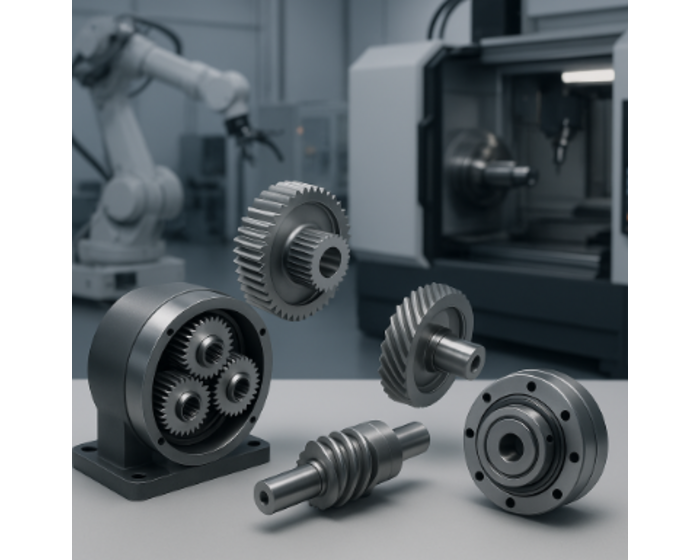
Gears in high-precision control systems—such as CNCs and robotics—help reduce backlash and increase torque for faster and more accurate responses. This article explains how to choose gears for micron-level motion control and what qualities are essential. In precision-critical machinery like electronics assembly or micro-part production, gear performance directly impacts quality. This article explores the types, roles, and selection criteria for gears used in ultra-precise systems. 1. Required Gear Qualities for High-Precision Systems For micron-level position and speed control, gears work with motors to: ・ Boost torque output ・ Decrease rotational speed ・ Improve control smoothness ・ Minimize backlash (rotational play) ・ Strengthen torsional rigidity Common applications: ・ CNC machines (เครื่อง CNC) ・ Industrial robotic arms (แขนกลอุตสาหกรรม) ・ Automated packaging equipment ・ Precision assembly lines 2. Common Gear Types for Precision Control ・Planetary Gear Compact yet powerful; ideal for servo motors. ・Helical Gear Quiet and smooth; suitable for continuous operation. ・Worm Gear Excellent for holding position; good for vertical or lifting systems. ・Harmonic Drive Ultra-low backlash and high reduction ratio; best for robotic and high-accuracy uses. 3. Gear Selection Criteria for Precision ・ Backlash: Less than 0.1° for high-accuracy control ・ Torsional Rigidity: Higher rigidity = better responsiveness ・ Torque Capacity: Must handle frequent acceleration/deceleration ・ Low Inertia: Allows faster motor response ・ Installation Accuracy: Poor alignment causes noise and vibration 4. Common Issues and Fixes ・ Low torque / slow response: → Reassess and optimize the gear ratio ・ High backlash: → Choose planetary gears or harmonic drives ・ Overheating: → Select heat-resistant materials and add cooling systems 5. Why Choose Siam Asahi Manufacturing (Thailand) Co., Ltd.? Siam Asahi produces power transmission parts—like shift forks and gears—trusted by the automotive and precision machinery industries. Benefits include: ・ Precision manufacturing via forging and CNC ・ Use of premium alloy steels ・ Custom component designs available ・ In-house quality control for every stage ■ Download the full catalog or contact us for a gear consultation. #HighPrecisionGears #ReduceBacklash #PlanetaryGear #HarmonicDrive #IndustrialMachinery #CNCThailand #Automation #PowerTransmission #SiamAsahi #PrecisionEngineering
Common IoT Monitoring Problems in Thai Factories|Solutions for Stability and Compatibility
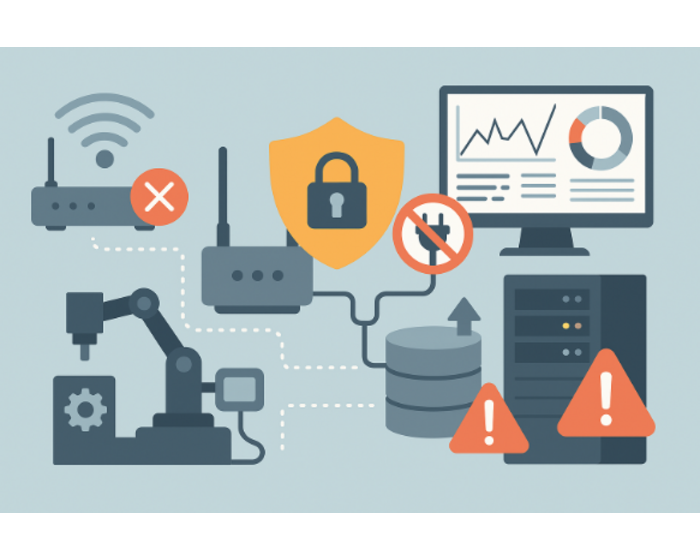
Thai factories adopting IoT monitoring often face network instability, device incompatibility, and data overload. This article outlines real-world solutions and introduces the IXacs system — a robust monitoring platform tailored for Thai manufacturing needs. ■ 1. Problem: Unstable Network Connectivity IoT relies on continuous data transmission. Network interruptions can cause delays or missing data. Solutions: ・ Use LoRa, NB-IoT, or Wi-Fi Mesh for robust signals ・ Install gateways in signal dead zones ・ Use edge computing to store data temporarily during outages ■ 2. Problem: Incompatibility Between Devices Different brands use different protocols, making integration challenging. Solutions: ・ Standardize communication via MQTT, Modbus, or OPC UA ・ Select gateways supporting multiple protocols ・ Use systems compatible with various sensors and PLCs ■ 3. Problem: Data Security Without proper safeguards, transmitted data is vulnerable to interception or attacks. Solutions: ・ Apply end-to-end encryption ・ Set multi-level user access permissions ・ Use platforms with regular security updates ■ 4. Problem: Data Overload from Multiple Devices Large volumes of sensor data can overwhelm the system if not managed effectively. Solutions: ・ Implement time-series databases ・ Optimize data sampling frequency ・ Focus dashboards on anomalies, not all data ■ 5. Problem: Complex Installation and Configuration Factory environments vary greatly, making IoT deployment difficult. Solutions: ・ Begin with small-scale pilot tests ・ Choose plug-and-play or modular systems ・ Partner with providers familiar with on-site conditions ■ 6. Problem: Shortage of Skilled Personnel Combining IT and OT expertise is rare in many Thai factories. Solutions: ・ Provide hands-on dashboard training ・ Use systems with Thai UI and simplified controls ・ Choose vendors offering Thai-language support and after-sales service ■ Recommended Solution: IXacs by Siam Asahi Manufacturing IXacs is a purpose-built IoT monitoring platform for Thai factories, offering: ・ Compatibility with multiple sensor/PLC brands ・ Real-time dashboards and historical trend analysis ・ Automatic alerts for anomalies and energy usage ・ Local on-site technical support ・ Flexible on-premise or cloud deployment ・ Ideal for energy tracking, machine monitoring, and predictive maintenance IXacs is built with Thai manufacturing in mind — delivering ease of use, long-term scalability, and robust industrial performance. #IoTMonitoring #SmartFactoryThailand #IndustrialIoT #IXacsSystem #MachineMonitoring #FactoryBigData #SiamAsahi #FactoryOptimization #RealTimeMonitoring #ThaiManufacturingTech
Shift Fork|CNC vs Forging for Precision, Strength, and Mass Production
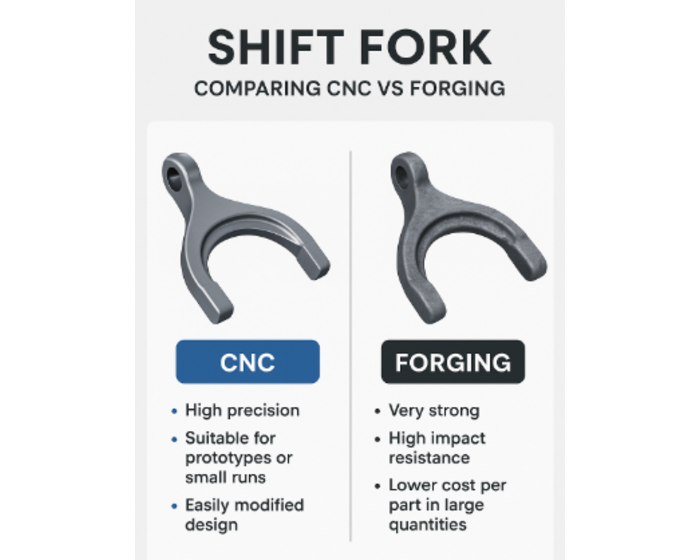
The shift fork is a crucial transmission component — the higher its precision, the smoother and more durable the gear shifting performance. This article compares CNC machining and forging processes to help you select the most suitable manufacturing method for automotive applications. The shift fork controls the movement of the synchronizer or gear in a transmission system. Even slight deviations can cause noise, excessive wear, or gear failure. Therefore, a highly precise and robust manufacturing process is essential. ■ Shift Fork Production with CNC ● Highlights ・ Uses computer-controlled CNC machines for high precision, with tolerances as tight as ±0.01 mm. ・ Ideal for prototypes or small production volumes. ・ Easy to modify designs, offering great flexibility and quick adjustments. ■ Shift Fork Production with Forging ● Highlights ・ Creates a very strong material structure, providing excellent impact and wear resistance. ・ Standard tolerances are around ±0.1 to ±0.3 mm; additional machining or grinding can achieve tighter tolerances. ・ Lower cost per piece in mass production, making it ideal for large-scale manufacturing. ■ CNC vs Forging: Key Comparison ・ Precision: CNC is best for high-accuracy applications. ・ Strength: Forging excels in durability and impact resistance. ・ Flexibility: CNC allows easy design changes and fast iteration. ・ Production volume: CNC suits small batches or prototyping; forging is preferred for high-volume runs. ■ Why choose shift forks from Siam Asahi Manufacturing (Thailand) Co., Ltd.? Siam Asahi Manufacturing (Thailand) Co., Ltd. specializes in shift forks for transmission systems, utilizing both CNC and forging technologies to deliver products with superior precision, strength, and cost-efficiency. Key Advantages: ・ High-quality standards to support heavy-duty and impact-resistant applications. ・ Tight tolerance control for smoother, more reliable gear shifting. ・ Flexible, custom production to match diverse customer needs. ・ Expert engineers supervise the entire process, from design to final inspection. If you're looking for shift forks that offer a balance of precision, strength, and reliability, Siam Asahi Manufacturing (Thailand) Co., Ltd. is your trusted partner. ■ Contact us today for detailed specifications or to discuss your requirements #ShiftFork #CNCMachining #Forging #TransmissionParts #AutomotiveComponents #HighPrecisionParts #ThaiManufacturing #OEM #GearShifting
Shift Fork | Effects of Wear and How to Prevent It to Extend Gearbox Service Life
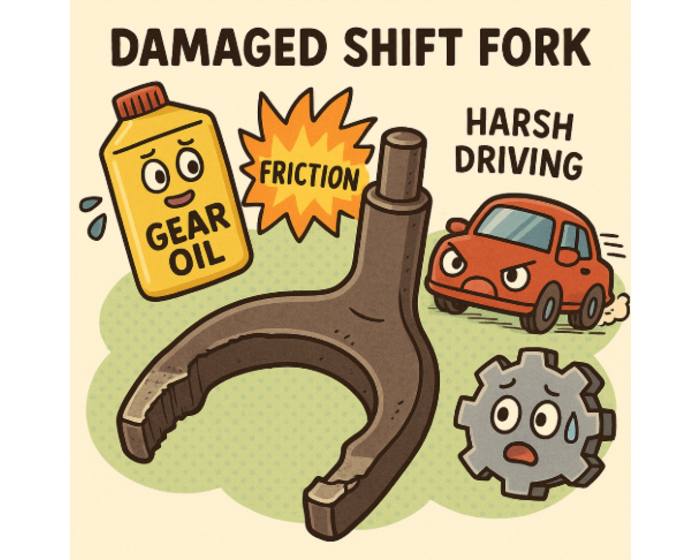
The shift fork is a crucial component in the gearbox system. Wear can directly impact performance and increase maintenance costs. This article explains the main causes, effects, and practical prevention methods to help extend service life and reduce overall costs. ■ The crucial role of the shift fork in a gearbox The shift fork controls the movement of the synchronizer or gear to the desired position, enabling smooth and precise gear changes. Over time, wear can cause difficulties in shifting, incomplete engagement, or even gear slippage. ■ Main causes of shift fork wear ・ High friction due to continuous contact with moving parts ・ Inadequate lubrication or use of low-quality gear oil ・ Improper driving behavior, such as harsh or rushed shifting and not fully depressing the clutch ・ Inferior materials or poor design ■ Effects of shift fork wear ・ Reduced shifting accuracy, unusual noises, or gear disengagement ・ Potential damage to related parts such as synchronizers, gears, and shafts ・ Increased maintenance and repair costs compared to preventive actions ■ How to prevent shift fork wear ・ Use high-quality gear oil and lubricants to reduce friction and control temperature ・ Conduct regular gearbox inspections to detect early signs of wear ・ Shift smoothly and avoid sudden force or shocks during gear changes ・ Choose premium shift forks designed for durability and high precision ■ Why choose shift forks from Siam Asahi Manufacturing Thailand Siam Asahi Manufacturing Thailand specializes in advanced metal forming and machining. Our shift forks are engineered for high precision and excellent resistance to friction and heat. They are produced using high-grade materials and undergo international-standard heat treatment, effectively minimizing wear and extending service life. If you are looking to improve gearbox performance, reduce risks of damage, and lower long-term maintenance costs, shift forks from Siam Asahi Manufacturing Thailand are the best choice for the automotive and heavy machinery industries. You can download the detailed product PDF or contact us anytime for further information! #ShiftFork #Gearbox #GearboxWear #AutomotiveParts #MachineParts #MaintenanceTips #CostSaving #HeatTreatment #MetalForming #SiamAsahi
IoT in Industrial Factories|Boost Efficiency, Reduce Costs, and Improve Product Quality
Implementing IoT in industrial factories increases production efficiency, reduces costs, and enhances product quality, enabling manufacturers to stay competitive and thrive in the Industry 4.0 era. ■ What is IoT and its role in factories? IoT (Internet of Things) refers to connecting machines, devices, and sensors to the internet to collect, analyze, and control data in real time. In factories, IoT allows precise monitoring of machine conditions and environmental factors such as temperature, humidity, and energy consumption. This minimizes reliance on manual checks and reduces human error. Automatic alerts when anomalies occur help prevent unplanned downtime and ensure consistent product quality. ■ Key benefits of using IoT in factories ・ Increase production efficiency: Machine data helps analyze downtime causes, reduce bottlenecks, and optimize processes for smoother operations. ・ Improve product quality: Detailed, real-time data enables rapid problem resolution, minimizes defects, and increases customer satisfaction. ・ Cost reduction: Predictive maintenance lowers emergency repair expenses and reduces equipment downtime. ・ Enhance safety and sustainability: Better energy usage analysis lowers electricity costs and carbon footprint, while improving worker safety and overall operational sustainability. ■ Examples of IoT applications in factories ・ Installing sensors to detect vibration or temperature changes to alert maintenance teams before major equipment failures occur. ・ Using real-time data dashboards to allow managers to monitor and control production remotely across multiple sites. ・ Analyzing energy usage and worker movements to improve energy efficiency, streamline workflow, and enhance workplace safety. ■ Why choose SIAM ASAHI MANUFACTURING CO., LTD.? SIAM ASAHI MANUFACTURING CO., LTD. is a leader in high-precision mold and component manufacturing, seamlessly integrating IoT technology into advanced production environments. Our factory utilizes IoT to collect and analyze real-time machine data, implement strict quality control, and drive continuous improvement. With over 20 years of manufacturing expertise and a commitment to innovation, SIAM ASAHI empowers clients to boost productivity, reduce costs, and achieve a competitive advantage — preparing your factory for Industry 4.0 with confidence. If you are looking for a reliable IoT partner to transform your factory, SIAM ASAHI MANUFACTURING CO., LTD. offers expert consulting and customized solutions to meet your specific business goals. You can download our detailed brochures or contact us anytime for more information. #FactoryIoT #IndustrialIoT #SmartFactory #Industry40 #FactoryAutomation #ProductionEfficiency #PredictiveMaintenance #ReduceProductionCost #QualityImprovement #SIAMASAHI

Differences Between Hot and Cold Forging | How to Choose the Right Method for Your Parts
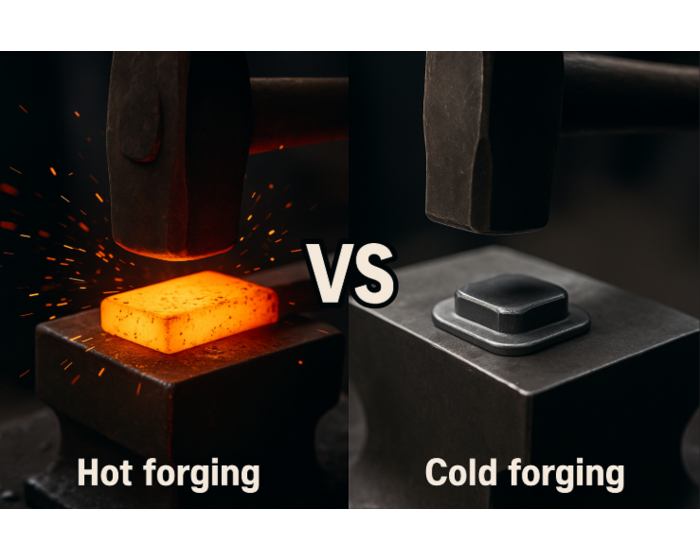
Choosing between hot and cold forging impacts product strength, dimensional accuracy, and production cost. This guide compares both methods and offers clear selection criteria—plus a trusted manufacturing solution from Siam Asahi Manufacturing (Thailand) Co., Ltd. 🔧 What Is Forging? Forging is a metal shaping process that uses compressive force to mold metal into the desired shape. Unlike casting or machining, forging enhances the internal grain structure, resulting in stronger, more durable components. 🔨 Main Types of Forging: 1️⃣ Hot Forging 2️⃣ Cold Forging The selection depends on part complexity, precision needs, production volume, and budget constraints. 🔥 Hot Forging Characteristics Performed at temperatures between 900°C and 1250°C, hot forging allows for shaping ductile metals more easily. Advantages: ・ Supports complex shapes ・ Enhances toughness and fatigue resistance ・ Ideal for large components (e.g., shafts, gears) ・ Low risk of cracking during forming Limitations: ・ Lower dimensional accuracy—requires secondary machining ・ Rougher surface finish ・ Faster die wear due to high heat ❄️ Cold Forging Characteristics Performed at or near room temperature, cold forging is best suited for precision applications. Advantages: ・ High dimensional accuracy—minimal post-processing ・ Smooth surface finish ・ Work hardening improves part strength ・ Material-efficient—low waste Limitations: ・ Unsuitable for complex geometries ・ Requires higher forming forces ・ Risk of cracking without proper lubrication ・ Limited to certain metals and shapes 🧭 How to Choose the Right Forging Method? ・ For complex, large-volume, and big-size parts → Choose Hot Forging ・ For tight tolerances, smooth finish, and minimal post-processing → Opt for Cold Forging ・ For cost-sensitive jobs with looser tolerances → Hot Forging may be more economical ・ For longer die life and less maintenance → Cold Forging offers advantages 👉 The decision should factor in both technical requirements and cost-effectiveness. ⭐ Recommended Process: Forging + CNC by Siam Asahi Manufacturing (Thailand) Co., Ltd. Siam Asahi Manufacturing (Thailand) Co., Ltd. specializes in Shift Forks and Transmission Parts using both Hot and Cold Forging, followed by high-precision CNC Machining. Their process ensures low dimensional tolerances and durability suited for automotive and industrial applications. By combining forging strength with CNC precision, their components meet the demanding standards of global automotive manufacturers. ■ You can download more details as a PDF or contact us immediately for inquiries. #Forging #HotForging #ColdForging #CNCParts #PrecisionManufacturing #MetalForming #ShiftFork #TransmissionParts #ThaiFactory #AutomotiveComponents
What Are Transmission Parts? | Why the Power Transmission System Is the Heart of Machinery
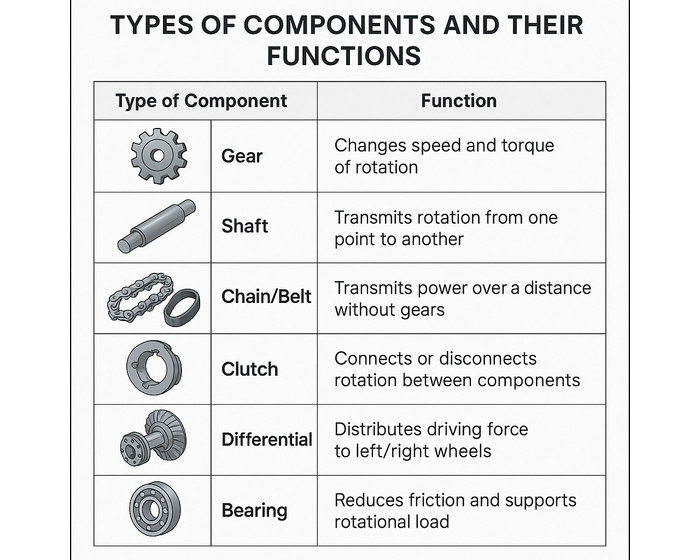
Transmission parts are the backbone of any mechanical system, transferring energy, controlling motion, and ensuring efficient machinery operation. Learn why they matter—and explore high-precision solutions from Siam Asahi Manufacturing (Thailand) Co., Ltd. 🔧 What Are Transmission Parts? Transmission parts are mechanical components designed to transfer energy from a power source—such as an engine or motor—to systems that require motion, including wheels, shafts, belts, and other actuators. These parts are critical in enabling control over speed, torque, and direction of motion. 🛠 Why Are Transmission Parts Important? 1️⃣ Energy Transmission In vehicles, for example, transmission components transfer power from the engine to the wheels. 2️⃣ Torque and Speed Control Using gears, chains, or belts to manage gear ratios ensures smooth acceleration and deceleration. 3️⃣ Motion Direction Adjustment Essential in robotic systems to redirect movement based on the task—vertical lifts, rotational arms, etc. 4️⃣ Wear Reduction Bearings and lubricants reduce friction and extend the life of gear systems. 🔄 Where Are Transmission Parts Used? ・ Automotive – cars, motorcycles, and trucks ・ Industrial Machinery – conveyors, gear systems ・ Automation & Robotics – robot arms, servo-driven units ・ Agriculture & Construction – tractors, cutting machines, gear heads ✅ Summary: Without Transmission Parts, There Is No Movement Transmission components are vital in every moving machine. High-quality parts lead to: ・ Smoother operation ・ Better energy efficiency ・ Longer equipment lifespan ■ Recommended Products: Shift Forks and Transmission Parts by Siam Asahi Manufacturing (Thailand) Co., Ltd. Siam Asahi Manufacturing (Thailand) Co., Ltd. produces shift forks and transmission parts using advanced Forging and CNC Machining processes. These parts are made from high-grade alloy materials and are designed for high-load applications in manual transmission systems for the automotive and industrial sectors. Their solutions support both domestic and export markets, meeting global quality and durability standards. ■ You can download more details as a PDF or contact us immediately for inquiries. #TransmissionParts #ShiftFork #GearSystem #Forging #CNCMachining #IndustrialGear #ThaiManufacturing #AutomotiveParts #PrecisionComponents #ExportQuality
What Makes a Good Shift Fork? | 6 Key Qualities for Precision Gear Performance
A high-quality shift fork ensures smooth and reliable gear changes by combining strength, precision, and application-specific design. Here’s what to look for—and a product recommendation from Siam Asahi Manufacturing (Thailand) Co., Ltd. 🔧 What Makes a Good Shift Fork (Gear Selector Fork)? A shift fork is a critical gear system component. To maintain smooth and efficient operation, it must meet the following six performance standards: 1️⃣ High Mechanical Strength Must resist pressure, friction, and torque during gear shifting without deformation. Common materials include carbon steel and hardened alloy steel. 2️⃣ Wear Resistance Continuous contact with gear components causes wear. Surface hardening or protective coatings extend its lifespan. 3️⃣ Precision Machining Even minor dimensional errors can cause shifting problems. Tight tolerance manufacturing ensures exact fit and smooth operation. 4️⃣ Optimal Weight While strong, it must also be lightweight to reduce inertia and support quick gear response. 5️⃣ Heat Resistance Designed to perform under high temperatures without distortion or strength loss. 6️⃣ Application-Specific Design Different uses—manual transmissions, industrial gearboxes, robotic systems—require tailored designs for maximum efficiency. ✅ Summary: What Defines a Good Shift Fork? ・ Strong and durable under torque ・ High resistance to wear and heat ・ Precisely machined with tight tolerances ・ Lightweight for fast shifting ・ Designed for specific applications ■ Recommended Product: Shift Fork by Siam Asahi Manufacturing (Thailand) Co., Ltd. If you're seeking a shift fork that balances precision and durability, consider the product from Siam Asahi Manufacturing (Thailand) Co., Ltd. Manufactured using CNC Machining and Forging technologies, their shift forks are ideal for manual transmissions and industrial gear systems. They also offer custom manufacturing to meet specific customer designs, supporting both domestic and international markets with certified quality standards. ■ You can download more details as a PDF or contact us immediately for inquiries. #ShiftFork #GearComponent #PrecisionMachining #ForgedParts #CNCParts #IndustrialGear #AutomotiveTransmission #OEMParts #ThaiManufacturing #HeatResistantComponents
What is the IoT System? | Industrial Applications and the iXacs Real-Time Monitoring Solution
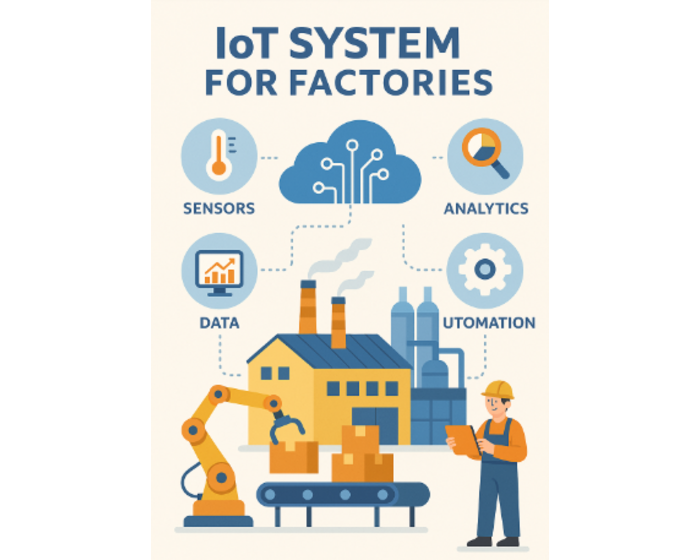
The Internet of Things (IoT) enhances industrial productivity by enabling smart monitoring and data-driven decision-making. Discover how the "iXacs" system from Siam Asahi Manufacturing (Thailand) Co., Ltd. empowers factories with real-time insights. ◆ What is the IoT System? The Internet of Things (IoT) refers to a network of interconnected devices that communicate over the internet to collect and exchange data. These systems increase operational efficiency, reduce costs, and provide enhanced control and automation for users. 🔹 Examples of IoT Devices: ✅ Smart appliances (e.g., smart refrigerators) ✅ Wearable technology (e.g., smartwatches) ✅ Industrial automation systems (e.g., factory robots) ✅ Autonomous vehicles (e.g., driverless cars) ✅ Remote monitoring and control systems (e.g., CCTV cameras) ◆ How the IoT System Works IoT systems function through four core components: 1️⃣ Sensors and hardware – collect data such as temperature, pressure, or motion 2️⃣ Connectivity – devices connect via Wi-Fi, Bluetooth, 5G, or LoRaWAN 3️⃣ Processing and cloud platforms – process data and store it for analysis 4️⃣ User interfaces – allow users to access and control devices via PC or smartphone ◆ Industrial Applications of IoT ・ Smart Home – Automation of lights, doors, and energy management ・ Smart Factory – Real-time production monitoring and machine status tracking ・ Smart Healthcare – Health wearables and emergency response systems ・ Smart City – Air quality monitoring and smart traffic control ・ Smart Agriculture – Automated irrigation and fertilization systems ◆ Advantages and Disadvantages of IoT ✅ Advantages: ✔️ Increases operational efficiency ✔️ Reduces energy and resource waste ✔️ Enables real-time decision-making ✔️ Minimizes human error ❌ Disadvantages: ⚠️ Cybersecurity and data privacy risks ⚠️ High implementation and maintenance costs ⚠️ Requires technical expertise to manage ◆ Recommended IoT System for Factories: iXacs by Siam Asahi Manufacturing (Thailand) Co., Ltd. "iXacs" is an industrial IoT system developed by Siam Asahi Manufacturing (Thailand) Co., Ltd. It monitors real-time production data including machine status, production rate, carbon emissions (CO2), and energy usage. Accessible via PC or smartphone from any location, iXacs helps factory managers make rapid decisions and optimize production processes. This supports sustainable manufacturing practices aligned with current industrial standards. ■ You can download more details as a PDF or contact us immediately for inquiries. #IoT #SmartFactory #IndustrialAutomation #RealTimeMonitoring #EnergyEfficiency #SmartManufacturing #Industry40 #ThaiFactory #CO2Reduction #SustainableManufacturing
CONTACT
Inquiry