Production Goods & Services

15hits

Narrow by category

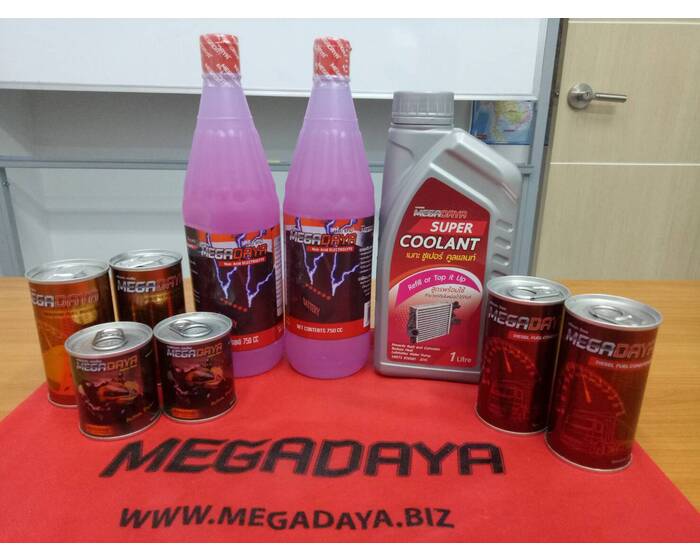
Megadaya Series | Reduce Fuel Use, Cut Emissions, and Extend Engine Life

The Megadaya Series enhances fuel combustion, reduces emissions, prevents engine wear, and supports eco-friendly operations for factories and vehicles. ■ Key Features: ・ Fuel Efficiency: Diesel conditioners and gasoline boosters optimize combustion and cut fuel usage. ・ Emission Reduction: Decreases black smoke and pollutants from incomplete combustion, aiding environmental compliance. ・ Engine Longevity: Cleans injectors, prevents carbon buildup, and reduces wear. ・ Overheat Prevention: Coolants stabilize engine temperature under heavy loads, reducing damage risk. ・ Battery Performance: Boosts conductivity and extends battery lifespan. ■ Product Lineup: ・ Diesel Fuel Conditioner: Improves combustion efficiency, lowers smoke output, and enhances mileage. ・ Benzene Fuel Booster: Boosts engine power and reduces noise. ・ Coolant: Maintains engine temperature during prolonged operation. ・ Battery Solution: Increases charging efficiency and reduces energy loss. ■ Applications: ・ Automotive Sector: Reduces fuel costs, enhances driving efficiency, and extends engine life. ・ Industrial Machinery: Prevents overheating, ensures continuous operation, and lowers maintenance. ・ Power Systems: Improves electrical flow and prolongs battery use in industrial setups. The Megadaya Series from \[Company Name] is an ideal fuel and maintenance solution for factories and businesses aiming to cut operational costs, improve performance, and meet environmental standards. ■ Download more information in PDF format or contact us directly! #FuelEfficiency #EngineLife #EmissionReduction #Coolant #BatterySolution #IndustrialMachinery #FuelBooster #DieselAdditive #EcoFactory #MegadayaSeries

Signs of Deterioration in Heat Shrink Tubes and When to Replace | Inspection and Maintenance Methods

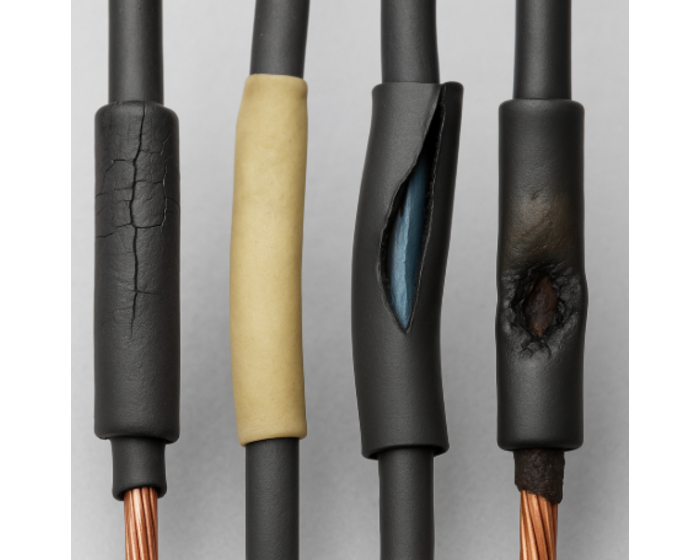
Deteriorated heat shrink tubes can compromise electrical safety and production line stability. Regular inspection and timely replacement are the most cost-effective ways to prevent failures and downtime. ■ Importance of Heat Shrink Tubes A heat shrink tube is a plastic sleeve that contracts when heated, used to cover wires, connectors, and signal cables. Its primary functions include: ・ Preventing short circuits ・ Protecting against moisture, dust, and contamination ・ Reducing impact and abrasion damage ・ Enhancing safety for operators Though small in size, heat shrink tubes have a direct impact on electrical system reliability. ■ Common Signs of Deterioration 1. Cracks – From heat accumulation or long-term use 2. Fading or discoloration – Caused by UV exposure, heat, or chemicals 3. Hardening and brittleness – Loss of flexibility, prone to breakage 4. Loose or slack fit – Due to improper sizing or incomplete shrinking 5. Burn marks or burning smell – A critical warning of overheating or electrical leakage ■ Replacement Timeline ・ General use: Replace every 12–24 months ・ High-voltage / high-temperature use: Replace every 6–12 months ・ When abnormalities occur: Short circuits, hot spots, or insulation failure ・ Average lifespan: 3–5 years, depending on manufacturer specifications ■ Proper Inspection Methods ・ Visual inspection: Check for cracks, fading, or contamination ・ Flexibility test: Squeeze the tube; stiffness means deterioration ・ Thermal check: Use heat detectors to find abnormal hot spots ・ Maintenance records: Compare data across inspection cycles for early detection ■ Risks of Not Replacing on Time ・ Exposed electrical joints leading to corrosion and short circuits ・ Increased safety risks for workers ・ Potential damage to machinery and control systems ・ High repair costs and unexpected production stoppages ■ Recommended Product: Heat Shrink Tubes from Nissei Ushiyama (Thailand) Co., Ltd. For industrial-grade safety and durability, Nissei Ushiyama (Thailand) offers premium heat shrink tubes designed for various applications. Key Features ・ Excellent electrical insulation to prevent leakage ・ Waterproof and moisture-resistant for long-term protection ・ Resistant to chemicals and impact, ideal for factory environments ・ Easy installation with a standard hot air gun ・ Available in various sizes and colors for different wiring needs ・ Widely used in electronics, automotive, medical, and general manufacturing industries ■ Download the PDF for more details or contact us directly. #HeatShrinkTube #ElectricalInsulation #PreventiveMaintenance #IndustrialSafety #ElectricalSafety #QualityControl #Manufacturing #OEM

Corrugated Tubes|Causes of Brittleness and Cracking + 4 Fixes to Prevent Detachment

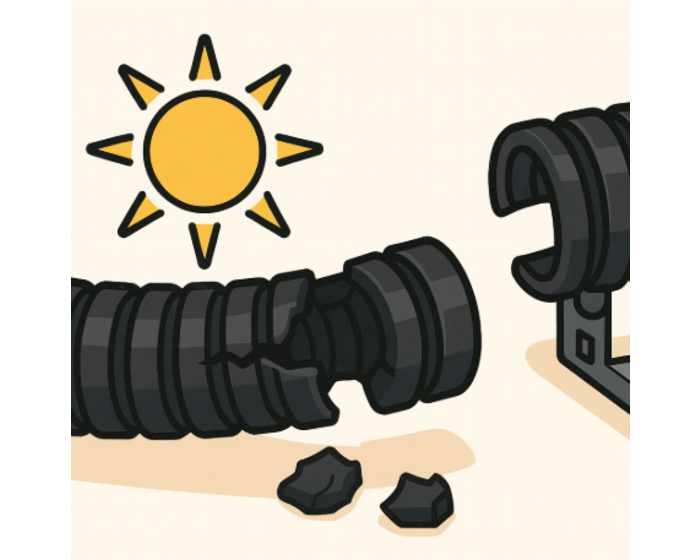
Corrugated tubes often become brittle, crack, or detach due to sunlight, heat, and vibration—posing risks in factory wiring systems. This article explains key causes and offers practical selection and installation tips to reduce failures. ■ Why Corrugated Tubes Fail in Industrial Environments Corrugated tubes (สายร้อยสายไฟแบบลูกฟูก), also known as spiral conduits, are essential for protecting electrical wires in machinery, factory lines, and automotive systems. Yet, many factories face recurring issues: ・ Tubes become brittle and crack after prolonged use. ・ Tubes detach from mounting clips due to vibration. ・ Wires inside are exposed or damaged by heat or abrasion. These problems compromise system safety, increase downtime, and raise maintenance costs. ■ 4 Common Causes of Corrugated Tube Degradation 1. UV Exposure: Outdoor use without UV protection leads to rapid tube deterioration. 2. Heat Buildup: Standard plastic tubes may deform or crack near engines, ovens, or welding stations. 3. Vibration: Inadequate fastening allows movement that wears out or detaches tubes. 4. Material Mismatch: Using PE tubes in oily or chemical-heavy zones causes faster breakdown. ■ 4 Solutions to Prevent Brittleness, Cracking, and Detachment ✅ Choose the Right Material: ・ PE (Polyethylene): Good for general use—flexible, impact-resistant. ・ PP (Polypropylene): Ideal for industrial use—resistant to heat and chemicals. ✅ Protect from Sunlight & Heat: ・ Use black UV-resistant tubes for outdoor or sunny areas. ・ Add heat-reflective sleeves in high-temperature environments. ✅ Secure Properly: ・ Keep clamp spacing within 30–50 cm. ・ Use lined clamps to minimize vibration and friction. ✅ Regular Maintenance: ・ Check tube condition and mounting clips every 3–6 months. ・ Replace worn sections and re-secure any loosened parts. ■ Product Highlight: Corrugated Tubes by Nissei Ushiyama (Thailand) Co., Ltd. If you're facing these problems in your factory, we recommend corrugated tubes from Nissei Ushiyama (Thailand) Co., Ltd. ・ Made from industrial-grade PE/PP, offering excellent flexibility and durability. ・ Available in black, white, gray, and custom colors for visual management. ・ Wide range of sizes for all wiring applications. ・ Engineered to resist UV, heat, and chemicals, preventing common failure issues. ■ For more details, please download the PDF or contact us directly. #CorrugatedTube #สายร้อยสายไฟลูกฟูก #Conduit #FactoryWiring #CableProtection #UVResistantTube #HeatResistantConduit #NisseiUshiyama #OEM #MaintenanceTips

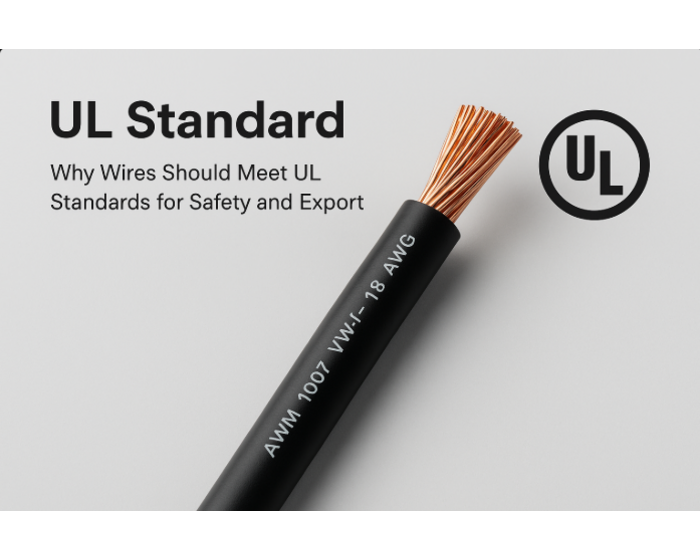
What is the UL Standard?|Why UL-Certified Wires Are Essential for Safety and Export

UL-certified wires meet global safety benchmarks, helping factories reduce fire risks, ensure stable operations, and streamline exports to the U.S., Europe, and other key markets. ■ What is the UL Standard? The UL Standard refers to safety certifications developed by ・Underwriters Laboratories・ in the United States. UL is a globally recognized body that tests and certifies electrical wires and components for safety, especially in critical environments like industrial plants, medical devices, and control systems. Even though UL is not legally mandatory in every country, it is considered a global safety benchmark, especially important for companies aiming to export or meet high internal safety requirements. ■ Main UL Standards for Industrial Wires Each UL certification targets a different application. Common ones include: ・ UL 758: Internal wiring for industrial and electrical equipment ・ UL 62: Power cords for household and portable appliances ・ UL 1581: General testing for heat, moisture, voltage, and flame resistance ・ UL 2556: Consolidated testing procedures across multiple standards Choosing wires that comply with these standards ensures durability, safety, and export readiness. ■ Why Use UL-Certified Wires in Your Factory? ・ Reduce risks of electrical fires and short circuits ・ Meet international safety regulations ・ Simplify export processes to North America and Europe ・ Build trust with inspectors and customers ・ Avoid long-term maintenance and replacement costs ■ UL-Certified vs. General Wires General wires may lack adequate safety testing. In contrast, UL-certified wires are tested for: ・ Temperature and moisture resistance ・ Voltage withstand levels ・ Long-term durability and flame resistance These features make them ideal for factories, cleanrooms, control systems, and any application where safety cannot be compromised. ■ Global Export and Market Access UL certification acts as a passport for global trade. Products using UL-certified wires face fewer regulatory barriers in markets like: ・ United States ・ Canada ・ Europe It also enhances a company’s reputation as a quality-focused supplier. ■ Recommended Product: UL-Certified Wires from Nissei Ushiyama (Thailand) Co., Ltd. If your factory needs globally compliant, safe, and reliable wiring, consider UL-certified wires from Nissei Ushiyama (Thailand) Co., Ltd. Key features: ・ High fire resistance and chemical durability ・ Suitable for both industrial and medical use ・ Single-wire and multi-core options available ・ Customizable lengths and specifications Perfect for OEMs, control panel manufacturers, and factories upgrading for global export. ■ For more details, please download the PDF or contact us directly. #ULStandard #ULWires #FactoryWiring #ExportCompliance #ElectricalSafety #ThaiFactories #GlobalMarketAccess #ControlPanelWiring

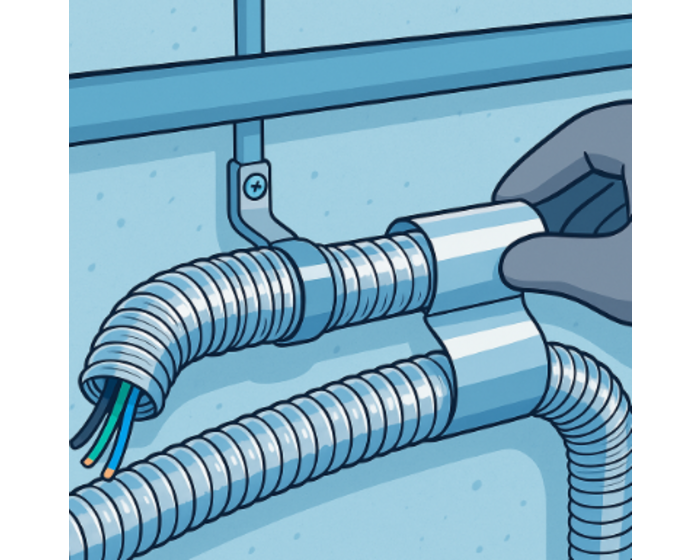
How to Install Aluminum Foil Conduits Flush | Reduce Leakage in HVAC & Electrical Systems

Loose conduit installations often cause leaks and efficiency losses in electrical and HVAC systems. This guide covers professional techniques to ensure safe and tight conduit installation. ■ Importance of a Flush Conduit Installation Aluminum foil conduits are widely used in HVAC and electrical systems due to their lightweight, flexibility, and heat resistance. However, if installed improperly—especially if not flush—gaps can cause air or heat leakage, reducing system efficiency and risking long-term damage. ■ Choosing the Right Conduit Size for the Job Select a conduit with an internal diameter 10–20% larger than the cable diameter. This allows for easy insertion, maintains a snug fit, and reduces the chance of compression damage during thermal expansion. ■ Using Conduit Tape to Prevent Joint Leaks Use aluminum foil tape or heat-resistant tape. Wrap each layer with 50% overlap and in the opposite direction of airflow. This prevents tape loosening due to air pressure or heat over time. ■ Securing the Conduit to the Structure Install conduit clips made of corrosion-resistant materials. Space them 50–100 cm apart based on conduit weight. Proper anchoring prevents vibration and thermal loosening. ■ Post-Installation Inspection Conduct both visual checks and tool-based inspections such as pressure testing or thermal imaging. This ensures the system is leak-free and ready for safe operation. ■ Recommended Product: Aluminum Foil Corrugated Conduit “AFW3610” From NISSEI USHIYAMA (THAILAND) CO., LTD., this model is ideal for use in automotive electrical systems, industrial machinery, and high-temperature environments. Key Features: ・ Heat resistance: -40°C to +250°C ・ Triple-layer construction: High impact and tear resistance ・ Spiral design: Flexible and easy to cut ・ Suitable for heavy industry and electrical systems with thermal exposure ■ For more details, you can download the PDF or contact us directly. #AluminumFoilConduit #HVACSafety #ElectricalConduit #ConduitInstallationTips #IndustrialWiring #ThaiFactories #HeatResistantCables

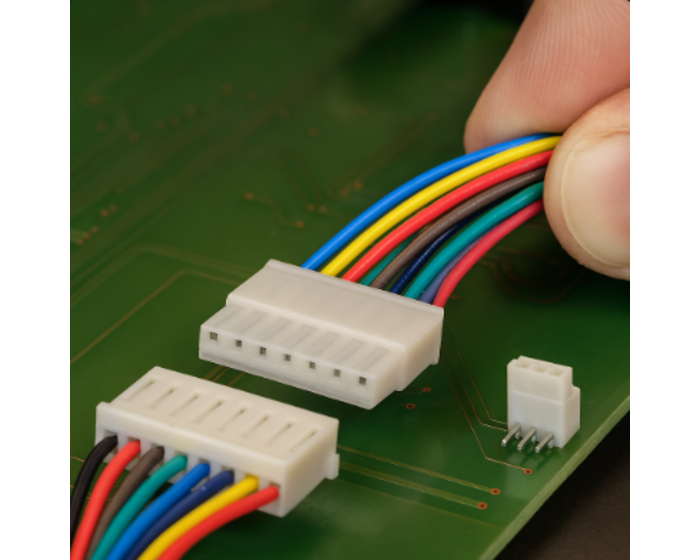
What Are Electronic Connectors? | Types, Functions & Industrial Applications

Electronic connectors allow quick, safe connections in electrical systems without soldering. They improve design flexibility, reduce maintenance time, and are vital in automotive, automation, and industrial machinery sectors. ■ What Are Electronic Connectors? Electronic connectors are components that link electrical circuits — between wires, PCBs (printed circuit boards), or modules — without permanent soldering. This enables easy disassembly for upgrades or maintenance. Core Elements: ・Male (Plug): Has pins or terminals that fit into the female socket ・Female (Socket): Receives the plug to complete the circuit Benefits: ・Fast installation and removal ・Reduces system downtime ・Supports modular and scalable designs ■ Key Functions of Electronic Connectors 1. Quick Connect/Disconnect: No soldering or wire cutting needed 2. Production Efficiency: Ideal for assembly lines and automation 3. Improved Safety: Prevents short circuits with locking designs 4. Durability: Resists heat, vibration, moisture, and dust ■ Common Types of Electronic Connectors 1. Wire-to-Wire: For field wiring between two cables 2. Wire-to-Board: Connects cables to a circuit board 3. Board-to-Board: Links PCBs in compact modules 4. Circular Connectors: Used in robotics and machinery, known for ruggedness 5. Waterproof Connectors: Withstand water exposure, suitable for outdoor setups 6. Industrial Connectors: Designed for high voltage or harsh chemicals ■ Industrial Applications ・Automotive: Connects ECUs, sensors, and diagnostic systems ・Factory Machinery: Interfaces with motors, PLCs, HMIs ・Consumer Electronics: Found in PCs, TVs, appliances ・Solar Power Systems: Withstand high UV and voltage ・Automation Systems: Links sensors, actuators, and controllers ■ Product Highlight: Electronic Connectors by Nissei Ushiyama (Thailand) Co., Ltd. Nissei Ushiyama (Thailand) Co., Ltd. offers electronic connectors engineered for industrial use with the following features: ・Tool-free installation: No soldering — reduces labor time ・Reusable design: Eco-friendly and supports multiple cycles ・Reliable under stress: Vibration-resistant and heat-tolerant ・Wide variety: Available in diverse pin counts and configurations Perfect for projects that demand safety, reusability, and adaptability in electrical systems. ■ You can download the product PDF or contact Nissei Ushiyama's team directly for more details. #ElectronicConnectors #ConnectorTechnology #WireToBoard #PLCIntegration #FactoryAutomation #ControlSystems #NisseiUshiyama #IndustrialWiring #MachineConnectivity #AutomationComponents

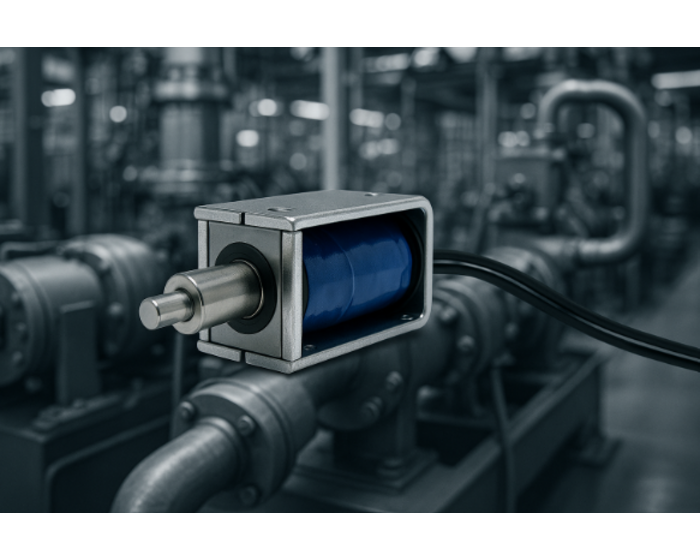
DC Solenoid | 5 Factors That Reduce Lifespan and How to Extend Durability in Industrial Use

Discover the top 5 causes of DC solenoid failure in factory systems and learn practical design and usage tips to extend product life and minimize downtime. ■ Introduction DC solenoids (โซลินอยด์กระแสตรง) are essential in automation systems for machinery, electronics, and vehicles. A single solenoid failure can disrupt entire operations. Understanding lifespan-related factors helps engineers and operators ensure better system reliability and maintenance planning. ■ 1. Electrical Conditions and Effects Excess voltage can overheat coils and degrade insulation, while low voltage may cause misfiring or incomplete actuation. Both lead to premature wear. Use stable power sources and control the duty cycle effectively to prolong lifespan. ■ 2. Wear from Repetitive Operation High switching frequency causes friction in internal parts. Dust and insufficient lubrication worsen this. Choose designs with wear-resistant materials and low-friction mechanisms. ■ 3. Operating Environment Humidity, heat, and dust can all shorten solenoid life. Moisture risks short circuits; dust may jam moving parts. Use sealed or IP-rated solenoids for harsh environments. ■ 4. Load and Mechanical Design Unbalanced loads or improper spring tension cause stress and failure. Ensure the solenoid is correctly matched with its mechanical load for optimal performance. ■ 5. Control Method and Power Consumption Techniques like PWM control or reducing holding current post-actuation minimize heat and extend lifespan. Prioritize well-designed control circuits alongside solenoid selection. ■ Product Recommendation: DC Solenoids by Nissei Ushiyama (Thailand) Co., Ltd. For long-lasting DC solenoids designed for tough industrial conditions, consider those from Nissei Ushiyama (Thailand) Co., Ltd. Features include: ・ High safety – ideal for applications such as shift locks and security devices ・ Versatility – used in automotive, office, and home electronics ・ Customizable – available in various forces, sizes, and speeds ■ For more details, download the PDF or contact us directly. #DCSolenoid #FactoryAutomation #ExtendLifespan #IndustrialEquipment #ReduceDowntime #ElectromagneticActuator #PWMControl #ShiftLock #OEM #ThailandFactory

Heat Reflective Sleeve|Protect Wires from Heat Damage in Factories

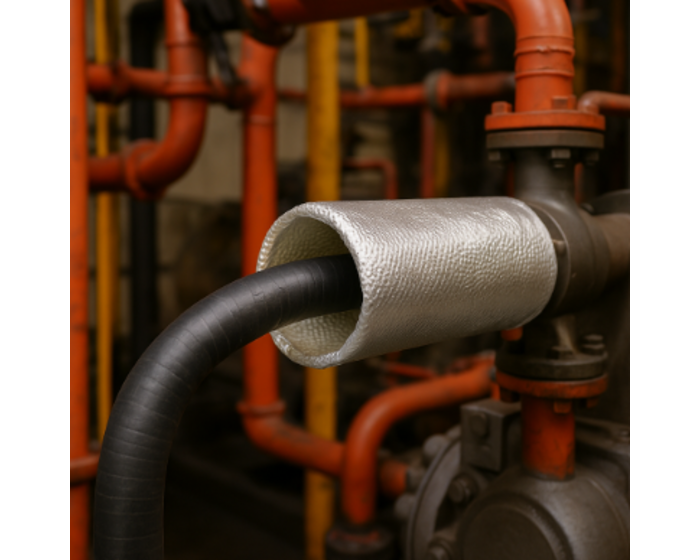
The JDD-AFR7610 heat reflective sleeve minimizes heat-related damage to wires and hoses, enhancing safety and equipment longevity in high-temperature environments. Includes key installation tips for optimal performance. 1. What is a Heat Reflective Sleeve? A heat reflective sleeve is a protective covering used to shield wires, fluid hoses, or equipment in high-temperature environments. It typically consists of an aluminum outer layer that reflects infrared radiation and an inner layer made of heat-resistant glass fiber (ใยแก้วกันความร้อน). This structure prevents insulation deterioration, lowers fire risk, and extends equipment life in automotive factories, foundries, and hydraulic systems. 2. Performance of Heat Reflective Sleeves ・ Excellent heat reflection: Blocks over 95% of infrared radiation from heat sources ・ Prolongs equipment life: Reduces degradation of rubber or insulation ・ Improves workplace safety: Keeps surface temperatures lower to reduce burn risk ・ Energy saving: Minimizes heat loss in hydraulic and heating systems 3. Installation Precautions ・ Select the correct diameter — neither too tight nor loose ・ Ensure complete coverage of heat-exposed sections ・ Secure both ends tightly to prevent displacement ・ Avoid use in environments with oil, dust, or continuous friction 4. Maintenance Tips Regular inspection is essential. Look for signs like: ・ Fraying of the fiber ・ Shrinkage or swelling ・ Surface scratches or loosening Immediate replacement is recommended if any damage is detected to maintain safety standards. 5. Recommended Product: JDD-AFR7610 Heat Reflective Sleeve from Nissei Ushiyama For reliable thermal protection, the JDD-AFR7610 offers outstanding performance: ✅ Reflects over 95% of infrared radiation ✅ Heat resistance from -40°C to +200°C ✅ Dual-layer design: aluminum + glass fiber ✅ RoHS compliant and eco-friendly ✅ Easy to install and cut to size Ideal for industrial applications where durability and safety are critical. ■ Learn more about the product or download the catalog now. #HeatReflectiveSleeve #WireProtection #ThermalShield #IndustrialSafety #HydraulicHose #InfraredBarrier #JDD-AFR7610 #AluminumSleeve #FactoryInsulation #NisseiUshiyama

Heat Shrink Tubing|Structure, Materials & Selection Tips for Insulation and Wire Safety

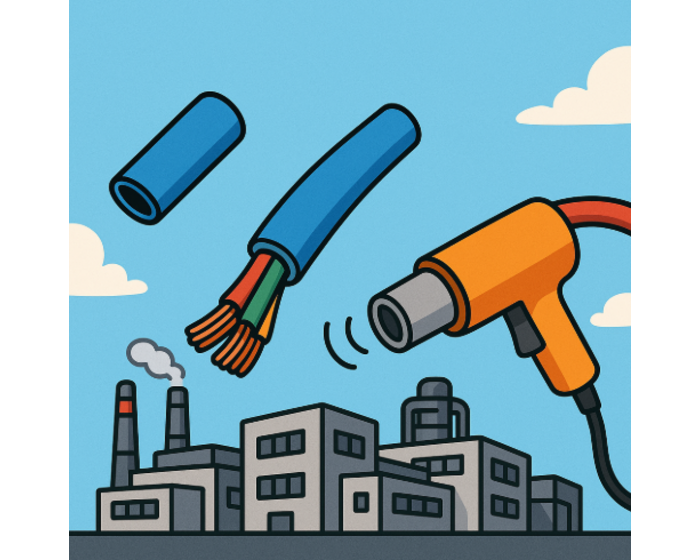
Heat shrink tubing is an affordable, effective solution for protecting electrical systems. It improves insulation, prevents leakage, and strengthens wiring in industrial and outdoor environments. This guide explains key materials, functions, and how to choose the right tubing for each application. 1. What is Heat Shrink Tubing? Heat shrink tubing is a plastic sleeve that contracts when heated, forming a tight seal around wires or joints. It enhances electrical insulation, prevents moisture ingress, and improves durability—essential for high-voltage systems and harsh industrial environments. 2. Materials and Their Industrial Applications ・Polyolefin (โพลีโอเลฟิน): Excellent flexibility and heat resistance, ideal for general electrical use. ・PTFE (พีทีเอฟอี): Chemically inert and heat-tolerant, used in medical and aerospace settings. ・Elastomer (อีลาสโตเมอร์): Vibration-resistant and durable, suited for machinery with moving parts. Each type is tailored to specific use cases. Always match material properties to operational needs. 3. Protective Mechanisms ・Electrical Insulation: Shields against short circuits and voltage leaks. ・Mechanical Protection: Prevents abrasion and strain-related damage. ・Water & Dust Sealing: Adhesive-lined types ensure moisture resistance and environmental protection. 4. Application Environment & Selection Factors Key factors for choosing heat shrink tubing include: ・Operating Temperatures: Typical range is 80–200°C ・Chemical Exposure: Oil, solvents, and acids require chemical-resistant tubing ・Outdoor Use: UV-resistant types prevent degradation from sunlight ・Mechanical Load: Use reinforced or thick-walled tubing for high-stress areas 5. Selection Guidelines ・Size Before Shrinking: Should be slightly larger than the wire diameter ・Shrink Ratio: 2:1 for standard use; 3:1 for irregular shapes or connectors ・Adhesive Lining: Ensures waterproof seals ・Color Coding: Improves circuit identification and maintenance 6. Why Choose Heat Shrink Tubing from Nissei Ushiyama (Thailand)? Nissei Ushiyama (Thailand) provides industry-leading solutions with: ・Broad Material Range: From general industrial use to aerospace-grade tubing ・Full Size & Ratio Coverage: Including 2:1 and 3:1 shrink options ・Color Variety: Supports organized and efficient wiring ・Cross-Industry Performance: Trusted in electronics, automotive, medical, and heavy machinery sectors Those who seek confidence in safety and professional-grade quality should choose heat shrink tubing from Nissei Ushiyama (Thailand). #HeatShrinkTube #ElectricalInsulation #WireProtection #IndustrialWiring #CableManagement #NisseiUshiyama #ElectricalSafety #OEM #ElectronicComponents

Corrugated Tube Selection Guide | Advantages, Drawbacks & How to Choose the Best Type

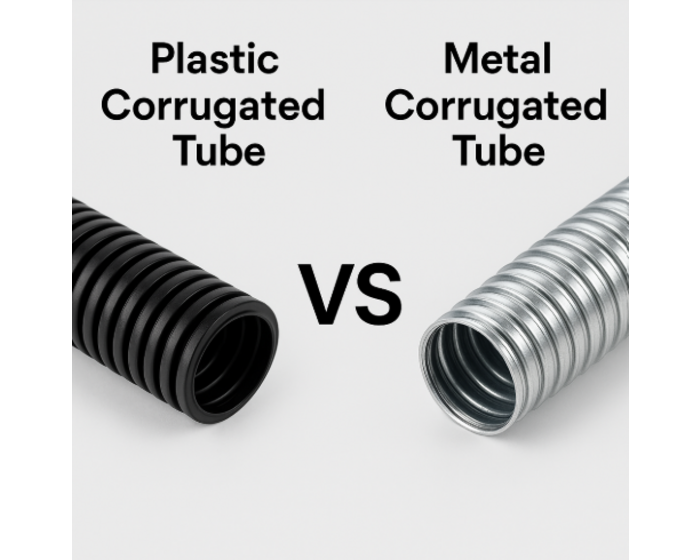
Corrugated tubes are crucial for protecting cables and pipes in industrial systems. Choosing the right tube type extends service life, reduces maintenance costs by up to 30%, and improves overall safety in factories and construction sites. ■ Importance of corrugated tubes in industrial applications Corrugated tubes help protect electric wires, signal cables, and fluid pipes from impacts, high temperatures (up to 120 °C), moisture, and chemicals. Their high flexibility allows easy installation in tight or complex layouts — ideal for factories (โรงงาน), high-rise buildings, and Thai industrial projects. ■ Advantages of plastic corrugated tubes Plastic corrugated tubes, such as polyethylene (PE) and polypropylene (PP), are lightweight, easy to bend, and highly resistant to chemicals and weather. They are perfect for applications requiring frequent cable changes, offering convenience and lower installation costs. ■ Advantages of metal corrugated tubes Metal corrugated tubes are extremely strong, providing excellent compression and impact resistance. Perfect for heavy-duty industrial environments, high-risk fire zones, and situations needing maximum protection. Though more expensive and harder to bend, they ensure the highest durability. ■ How to choose the right corrugated tube When selecting, consider factors such as temperature, chemical exposure, and flexibility. Choose plastic for lightweight, easy installation, and lower cost. Select metal when durability and safety are top priorities. ■ Why choose Nissei Ushiyama’s corrugated tubes Nissei Ushiyama’s corrugated tubes are designed to meet a wide range of industrial needs. Available in both plastic and metal, with various colors, sizes, and slit types for easy retrofitting. Resistant to chemicals, heat, and UV, they help improve work efficiency and reduce installation time. ■ For more product details, please download our PDF catalog or contact our expert team directly. #CorrugatedTube #CableProtection #IndustrialSolutions #FactorySafety #ElectricalProtection #ThaiIndustry #Engineering #CableManagement #IndustrialEquipment #NisseiUshiyama

Flexible Aluminum Foil Duct | Structure, Key Advantages, and How to Select the Right Type

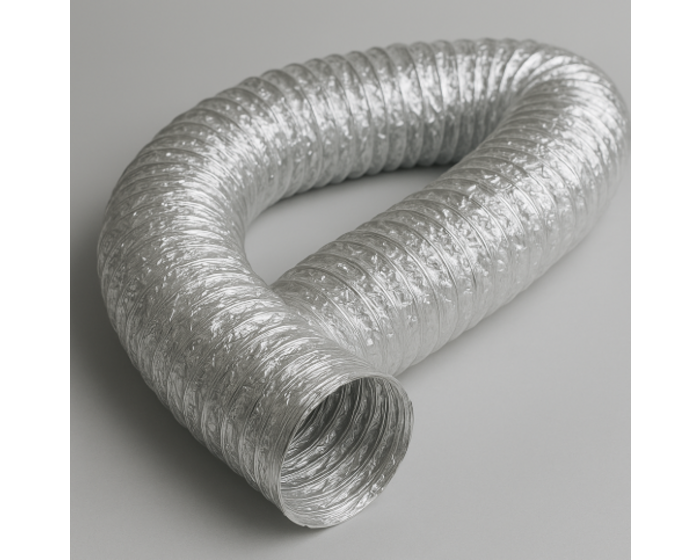
Flexible aluminum foil ducts help improve ventilation efficiency thanks to their strong yet lightweight design. They are easy to bend and install, making them ideal for factories, commercial kitchens, and complex spaces. These ducts reduce noise, lower maintenance costs, and enhance overall safety in industrial environments. ◆ What is a flexible aluminum foil duct? A flexible aluminum foil duct, often called a "flex duct," is made from corrugated aluminum foil that provides excellent strength and flexibility. Inside, it is reinforced with a steel wire spring structure to help maintain its shape, prevent collapse under pressure, and allow it to be freely extended, contracted, and bent to fit into tight or complex spaces. This type of duct is commonly used in ventilation systems that require easy routing and adaptability, especially in industrial facilities and commercial buildings. ◆ Key advantages and benefits ・ Lightweight and easy to install: Can be easily handled and moved by one person, reducing installation time and labor costs. ・ Heat- and corrosion-resistant: Suitable for high-temperature areas, such as factory production lines or commercial kitchens, and environments with exposure to chemicals. ・ Reduces noise and vibration: Creates a quieter and more comfortable working environment, helping improve employee safety and productivity. ・ Smooth inner surface: Minimizes dust accumulation, simplifies cleaning, and supports high hygiene standards — essential in the food, pharmaceutical, and cleanroom industries. ◆ How to choose the right duct When selecting a flexible aluminum foil duct, consider these key factors: ・ Diameter and length: Match your system’s airflow requirements and available space. ・ Thickness and pressure resistance: Choose reinforced ducts for applications that involve high airflow pressure to prevent deformation or collapse. ・ Fire-resistance and hygiene standards: Check for certifications if you plan to install the duct in food processing areas, hospitals, or public buildings where strict safety and hygiene standards are required. Choosing the right duct helps ensure long-term performance and reduces maintenance costs. ◆ Benefits for industrial applications Flexible aluminum foil ducts are widely used in factories, cleanrooms, office buildings, and commercial kitchens. Their flexible routing helps reduce the number of joints and connectors, which lowers the risk of air leakage and simplifies the design. Additionally, these ducts help reduce installation costs and improve overall ventilation system efficiency, making them a practical and cost-effective choice for many industrial and commercial projects. ◆ Recommended product If you are looking for a high-quality flexible aluminum foil duct, Nissei Ushiyama Co., Ltd. offers Japanese-standard ducts designed for maximum strength, heat resistance, easy installation, and noise reduction. These ducts are ideal for factories, commercial buildings, and specialized industrial facilities. Distributed through Nc Network Asia, these ducts come with expert consulting support to help you choose the most suitable solution for your system and ensure reliable long-term performance. #AluminumFoilDuct #FlexibleDuct #VentilationDuct #FlexibleAluminumDuct #IndustrialFactory #AirDuctSystem #DuctInstallation #AluminumDuct #NisseiUshiyama

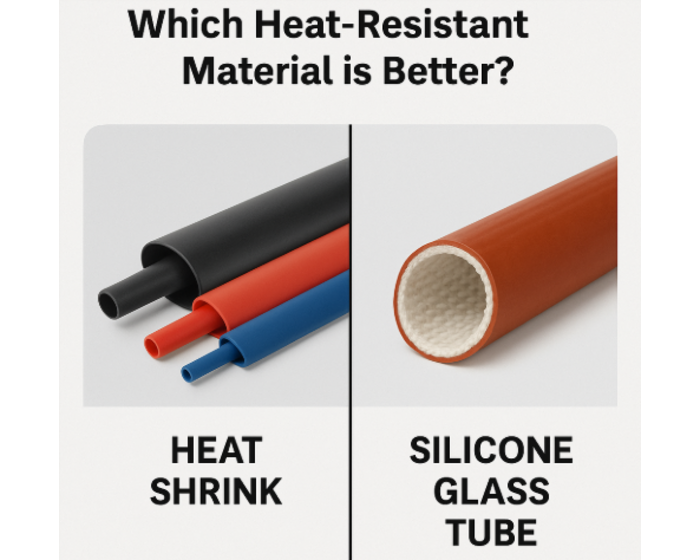
Heat Shrink Tubes vs. Silicone Glass Tubes | Which Industrial Insulation Works Best?

Choose the optimal wire insulation for your factory—compare Heat Shrink Tubes and Silicone Glass Tubes to ensure electrical safety and performance in high-temperature environments. When operating in high-heat or high-voltage industrial environments, selecting the right insulation tubing is critical for long-term safety, durability, and maintenance efficiency. This article compares the properties and advantages of ・Heat Shrink Tubes・ (ท่อหดด้วยความร้อน) and ・Silicone Glass Tubes・ (ท่อซิลิโคนเคลือบไฟเบอร์กลาส), guiding engineers and procurement teams to make informed decisions. 1. Key Features of Heat Shrink Tubes ・ Material: Polyolefin, fluoropolymer, or PVC ・ Operating Temp: -55℃ to 125℃ (some types up to 200℃) ・ Shrink Ratios: 2:1, 3:1, 4:1 ・ Resistant to oil and chemicals (varies by material) ・ Meets IEC/UL insulation standards Best for: Electrical panels, wire splicing, component protection 2. Key Features of Silicone Glass Tubes ・ Material: Fiberglass coated with silicone ・ Temp Resistance: 200℃ continuous, 250℃ peak ・ Flame retardant (self-extinguishing) ・ Maintains flexibility at high temperatures ・ Strong abrasion and mechanical resistance Best for: Motors, ovens, transformers, steel furnaces 3. Heat Shrink vs. Silicone Glass: Key Differences ・ Temperature Resistance: Silicone Glass Tubes perform better in extreme heat ・ Flexibility: Silicone Glass remains pliable even at high temperatures ・ Tight Fit: Heat Shrink Tubes offer a snug, sealed fit after heating ・ Flame Resistance: Silicone Glass meets UL flame-retardant standards ・ Abrasion Resistance: Silicone Glass has superior durability in rough environments 4. Application Guidelines ・ High heat + vibration → Use ・Silicone Glass Tube・ ・ Easy, secure fit → Use ・Heat Shrink Tube・ ・ High voltage insulation → Both are suitable with proper standards ・ Abrasion-prone environments → Use ・Silicone Glass Tube・ 5. Featured Product from Nissei Ushiyama (Thailand) Co., Ltd. Heat Shrink Tube Advantages: ・ Excellent insulation to prevent short circuits and leakage ・ Tight sealing against moisture and contaminants ・ Chemical and mechanical resistance in harsh environments ・ Simple installation using a heat gun – multiple sizes, colors, and materials available 6. Recommended Silicone Glass Tube from Nissei Ushiyama (Thailand) Co., Ltd. Key Features of Silicone Glass Tubes from Nissei Ushiyama: ・ High Heat Resistance: Withstands temperatures up to 200°C, ideal for engine compartments and industrial machinery ・ Excellent Electrical Insulation: Prevents short circuits and enhances safety ・ Abrasion and Impact Resistance: Extends the service life of wires and wire harnesses ・ Chemical Resistance: Protects equipment in chemical plants or areas exposed to corrosive substances Nissei Ushiyama (Thailand) Co., Ltd. is a leading Japanese manufacturer of industrial-grade wire insulation materials, with a production facility in Thailand. The company supports both custom manufacturing and distribution for electrical systems, factories, and industrial machinery applications. ■ Download more information in PDF format or contact us directly! #HeatShrinkTube #SiliconeGlassTube #ElectricalInsulation #HighTempTubing #WireProtection #IndustrialThailand #FactoryMaintenance #NisseiUshiyama #OEM

What Is Heat Shrink Tubing?|5 Key Benefits for Electrical and Industrial Use

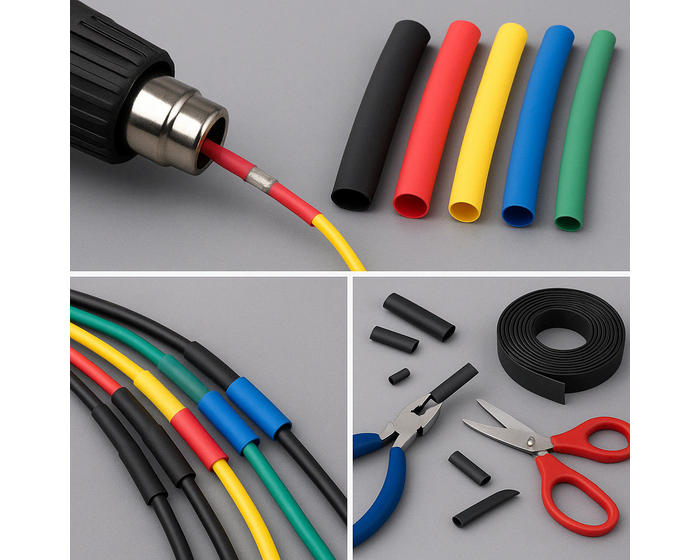
Heat Shrink Tubing is essential for electricians and engineers. It enhances wire protection, prevents accidents, and keeps industrial installations neat and durable. ■ What Is Heat Shrink Tubing? Heat Shrink Tubing is a specialized plastic tube—commonly made from polyolefin or PVC—that contracts tightly when heated. Once applied using a heat gun, it forms a secure layer around wires, terminals, or connectors. This improves insulation, prevents electrical issues, and extends equipment life. ■ 5 Key Benefits of Heat Shrink Tubing in Industrial and Electrical Applications 1. Insulates and Protects Wires ・ Prevents short circuits, electric shocks, and leaks ・ Shields against dust, moisture, and chemicals 2. Supports Wire Identification (Color Coding) ・ Helps differentiate wires with color coding ・ Simplifies installation and future maintenance 3. Reinforces Connections ・ Protects against wire breaks from vibration or pulling ・ Reduces mechanical wear and tear 4. Prevents Corrosion and Chemical Damage ・ Ideal for engine bays, humid zones, and factories 5. Delivers a Professional Finish ・ Organizes wiring bundles and improves safety and aesthetics ■ Common Industrial Applications ・ Electrical systems in homes, vehicles, and factories ・ Control panels and industrial switchboards ・ Circuit board protection and solder joints ・ Machinery in high-moisture or high-abrasion environments ■ How to Apply Heat Shrink Tubing 1. Cut tubing to desired length 2. Slide it over the wire or connector 3. Apply heat evenly with a heat gun 4. Allow it to cool and form a tight seal ■ Product Recommendation: Nissei Ushiyama (Thailand) Co., Ltd. We recommend Nissei Ushiyama’s Heat Shrink Tubing for engineers and procurement teams seeking top-tier insulation and protection. Features include: ・ High insulation strength: Reduces shorts and leakage risk ・ Moisture resistance: Prevents ingress at joints ・ Chemical and impact resistance: Durable for harsh conditions ・ Simple installation: Just apply heat; options in various colors, sizes, and materials ■ For more information, please download the PDF or contact us directly. #HeatShrinkTubing #ElectricalInsulation #WireProtection #FactorySafety #NisseiUshiyama #IndustrialWiring #ElectriciansTool #AutomotiveElectrical #OEM #ControlPanel

Corrugated Pipe|Flexible, Strong, and Easy-to-Install Solution for Engineering Projects

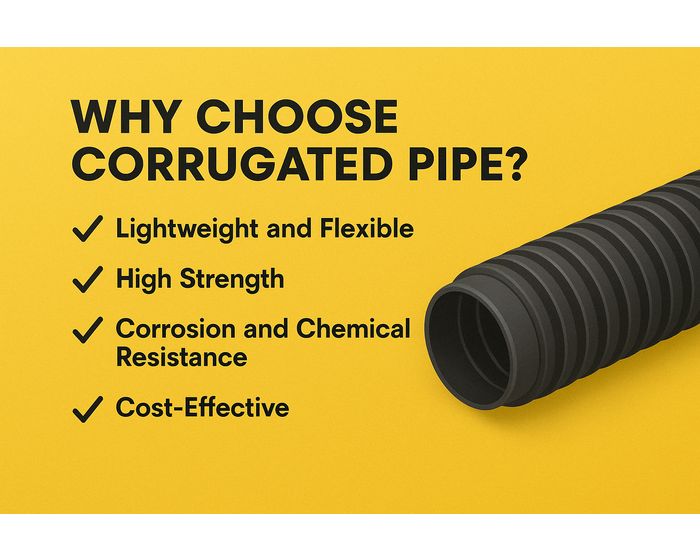
Corrugated pipes offer high flexibility, durability, and ease of installation—making them a smart solution for engineers and installers in electrical, civil, and industrial applications. ■ Why Are Corrugated Pipes Ideal for Engineering? 1. High Flexibility The corrugated structure allows easy bending along curved or tight paths, reducing the need for extra fittings and minimizing the chance of leaks. 2. Crush & Impact Resistance Corrugated design provides strong structural integrity. Even under heavy loads—like underground installations or vehicle pressure—the pipe maintains its shape and function. 3. Superior Cable Protection Perfect for electrical wiring, communication lines, and fiber optics, corrugated pipes protect cables from moisture, rodents, and mechanical strain during and after installation. 4. Lightweight & Easy to Install Lighter than metal or rigid PVC, these pipes are easy to transport and set up—saving time, labor, and cost on site. 5. Multiple Material Options Tailor the pipe to your project needs: ・ HDPE – Chemical and UV resistant ・ PVC – Affordable for general use ・ Stainless Steel – For high-spec environments ・ PE-coated & Grounded Types – Designed for electrical applications 6. Wide Range of Applications ✅ Underground cable conduits ✅ Industrial plant wiring ✅ Drainage and water systems ✅ Road, bridge, and airport projects ✅ Irrigation systems ■ Conclusion: Corrugated Pipes Solve Complex Installation Challenges ✔ Bendable without cracking ✔ Maintains pressure resistance ✔ Safeguards cables and systems ✔ Lightweight for easier handling ✔ Customizable materials and features ■ Recommended Product: Corrugated Pipes by Nissei Ushiyama (Thailand) Co., Ltd. Product Highlights: ・ Flexible and easy to install in complex routes ・ Heat, chemical, and weather resistant – ideal for harsh environments ・ Slit Type – Allows cable replacement without full dismantling ・ Customizable sizes, colors, and models available for various uses ■ Download more information in PDF format or contact us directly! #CorrugatedPipe #CableConduit #NisseiUshiyama #SlitTube #FactoryWiring #HDPEPipe #UndergroundCable #EngineeringSolution #IndustrialPipe #FlexiblePipe

DC Linear Solenoid | Key Advantages and Uses in Automation & Automotive Systems

DC Linear Solenoids are vital components that support precision, fast response, and safety in automation systems. Widely used in automotive, electronics, and industrial machinery, they enhance operational control and system efficiency. ■ What is a DC Linear Solenoid? A DC Linear Solenoid is an electromechanical device that converts direct current (DC) into linear mechanical movement using a magnetic field. It controls pulling or pushing actions in various machines with high reliability. ■ How Does a DC Linear Solenoid Work? ・ Power ON → Magnetic field activates → Plunger is pulled or pushed ・ Power OFF → Plunger returns via spring or gravity ■ Main Types of DC Linear Solenoids ・Pull-type – pulls the plunger inward towards the coil ・ Push-type – pushes the plunger away from the coil ・ Bi-directional – moves in both directions ■ Applications in Industry 🔹 Automotive: ・ Fuel injectors, Shift Lock systems, Central Door Locks 🔹 Factory Automation: ・ Pneumatic valve control, Robotic arms, Conveyor systems 🔹 Electronics & Office Automation (OA): ・ Mechanism actuators, CD/DVD loading trays, Locking systems 🔹 Entertainment & Special Equipment: ・ Motion effects control, Stage equipment, Amusement machines ■ Advantages of Using DC Linear Solenoids ✔ High-precision control ✔ Fast and consistent response ✔ Long operational lifespan ✔ Energy-saving during operation ■ Precautions When Using ⚠ Heat may build up during prolonged use ⚠ Always apply correct voltage to avoid system failure ■ Why Choose Nissei Ushiyama (Thailand) Co., Ltd.? ✅ High reliability – Prevents failure in mission-critical applications like automotive Shift Locks ✅ Versatile – Compatible with automotive, OA, and consumer electronics systems ✅ Custom-built – Force, travel stroke, and dimensions can be tailored to your system ■ Download more information in PDF format or contact us directly! #DCLinearSolenoid #Solenoid #Automation #ShiftLock #SolenoidActuator #ThaiFactory #IndustrialAutomation #NisseiUshiyama #LinearSolenoid #SmartFactory #AutomationThailand

CONTACT

Inquiry

This is the inquiry form for NISSEI USHIYAMA (THAILAND) CO., LTD.. Please enter your inquiry.

This service is intended to provide consultation and opinion requests for processing projects.
Please do not use this information for self-promotion or sales activities.
If we receive a complaint from a recipient about the contents of the transmission, we may take measures such as forcibly stopping the use of the service.

Inquiry Type*Required
Message*Required
Attach file

Only image (jpeg, jpg, gif, png, pdf) and compressed file (zip, lzh) extensions are valid. Maximum file size 10MB