
Bangkok Sanyo Spring Co., Ltd.
SERVICE
Production Goods & Services
Quality Control in Spot Plating | Preventing Peeling and Discoloration
Product Info
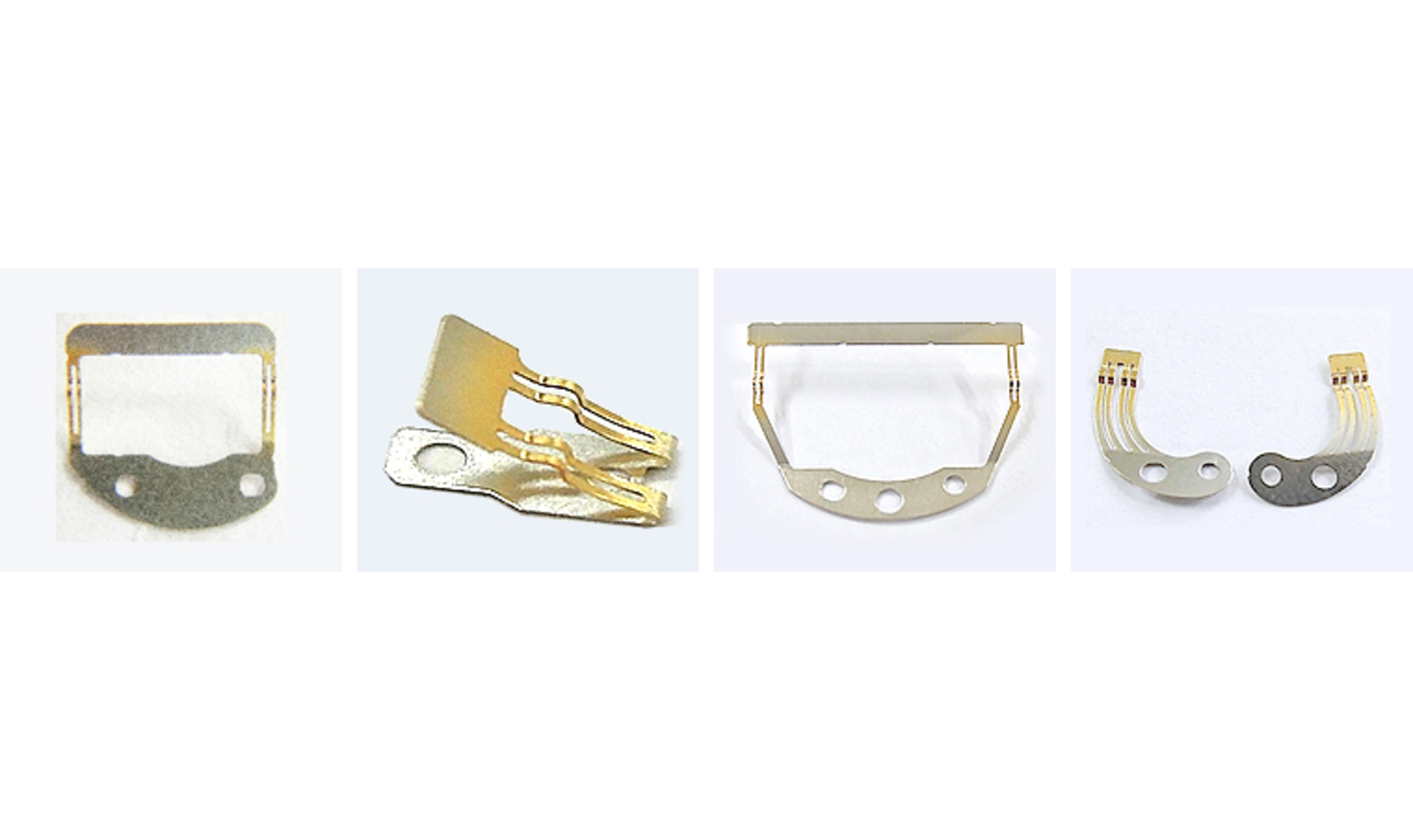
Spot plating is a critical surface treatment that selectively coats only the necessary areas of a metal component. Without precise quality control, common issues such as peeling and discoloration can compromise both appearance and performance. This article examines root causes and engineering-based solutions to ensure top-quality results.
1. Importance of Spot Plating in Industry
Spot plating is widely used in the automotive, electronics, and electrical appliance industries to enhance corrosion resistance or adjust electrical properties in specific zones. By plating only targeted areas—such as electrical contacts or high-friction points—manufacturers can lower costs, reduce material waste, and prevent unnecessary coating on non-critical surfaces.
2. Common Problems: Peeling and Discoloration
Without strict process control, spot plating can encounter:
- Peeling: Caused by poor adhesion between the plated layer and the substrate, often due to inadequate surface preparation or contamination.
- Discoloration: Triggered by temperature, humidity, or residual chemicals, leading to tarnishing of gold plating or color shifts in nickel plating.
These problems not only affect visual appeal but also shorten component lifespan and degrade performance.
3. Engineering Root Cause Analysis
From a manufacturing and quality engineering standpoint, the key factors to examine include:
3.1. Surface condition before plating – Oils, dust, and oxide layers can block proper adhesion.
3.2. Process parameter control – Variations in current, temperature, and plating time create inconsistent coating thickness.
3.3. Plating solution quality – Contaminated or degraded solutions can result in defective plating.
3.4. Post-plating handling – Poor rinsing or improper drying can lead to discoloration.
4. Solutions and Quality Control Measures
To prevent peeling and discoloration, manufacturers should implement:
- Rigorous surface preparation – Combine chemical cleaning and mechanical treatment (e.g., degreasing + acid pickling).
- Automated real-time process control – Maintain stable current, temperature, and plating time.
- Adhesion testing and accelerated aging – Detect failures before products are shipped.
- Plating bath maintenance – Regular chemical analysis and replenishment to keep optimal composition.
- Proper drying and packaging – Control humidity and avoid exposure to corrosive agents.
5. Why Choose Bangkok Sanyo Spring
Bangkok Sanyo Spring specializes in high-precision spot plating, serving industries that demand uncompromising quality. Using fully automated control systems and comprehensive quality inspections, the company significantly reduces peeling and discoloration risks. A team of skilled engineers designs custom plating processes for each product, ensuring cost efficiency and long-term reliability.
#SpotPlating #SurfaceTreatment #PlatingQualityControl #MetalFinishing #Electroplating #CorrosionResistance #PrecisionManufacturing #OEM
CONTACT
Inquiry