
YAMAGUCHI VIETNAM JSC
PRODUCTS
Technology / Product Information
Aluminum Die-Casting Process Minimizes Mold Sticking Problems
Technology / product information
"Sticking" refers to the phenomenon in die casting where molten aluminum adheres to the surface of the mold. This issue significantly impacts productivity and quality in die casting.
Main Causes of Sticking:
🔹 Uneven Temperature Distribution
If the mold temperature is not properly controlled, molten aluminum is more likely to adhere abnormally to the mold surface.
🔹 Improper Use of Release Agents
Insufficient or improper application of release agents can cause the product to stick to the mold, making removal difficult.
🔹 Substandard Mold Material and Surface Treatment
If the mold surface is not properly treated, the friction between the aluminum and the mold increases, leading to sticking.
Problems Caused by Sticking:
❌ Reduced Product Quality
Surface defects on finished products can deteriorate performance, which is especially critical for automotive parts and electronic control components requiring high precision.
❌ Reduced Production Efficiency
Frequent removal of stuck aluminum from molds slows down production significantly.
❌ Shorten Mold Lifespan
Sticking can damage the mold, leading to the need for new molds and increased costs.
Our Countermeasures Against Sticking
✅ Optimal Mold Release Agent Selection and Spray Robot Utilization:
We select release agents suitable for each product and process, and apply them evenly using spray robots. Fine mist spraying improves cooling efficiency and enhances mold durability.
✅ Regular Mold Maintenance:
Scheduled maintenance ensures early detection and removal of aluminum buildup and undercut issues, preventing sticking and operational troubles.
✅ Hard Coating (Tungsten Coating) application:
Applying tungsten coatings to mold surfaces improves wear and heat resistance, further enhancing sticking prevention.
✅ Continuous Improvement of the Production Process:
We regularly review and refine our processes to identify and eliminate sticking-prone conditions, maintaining a stable production system.
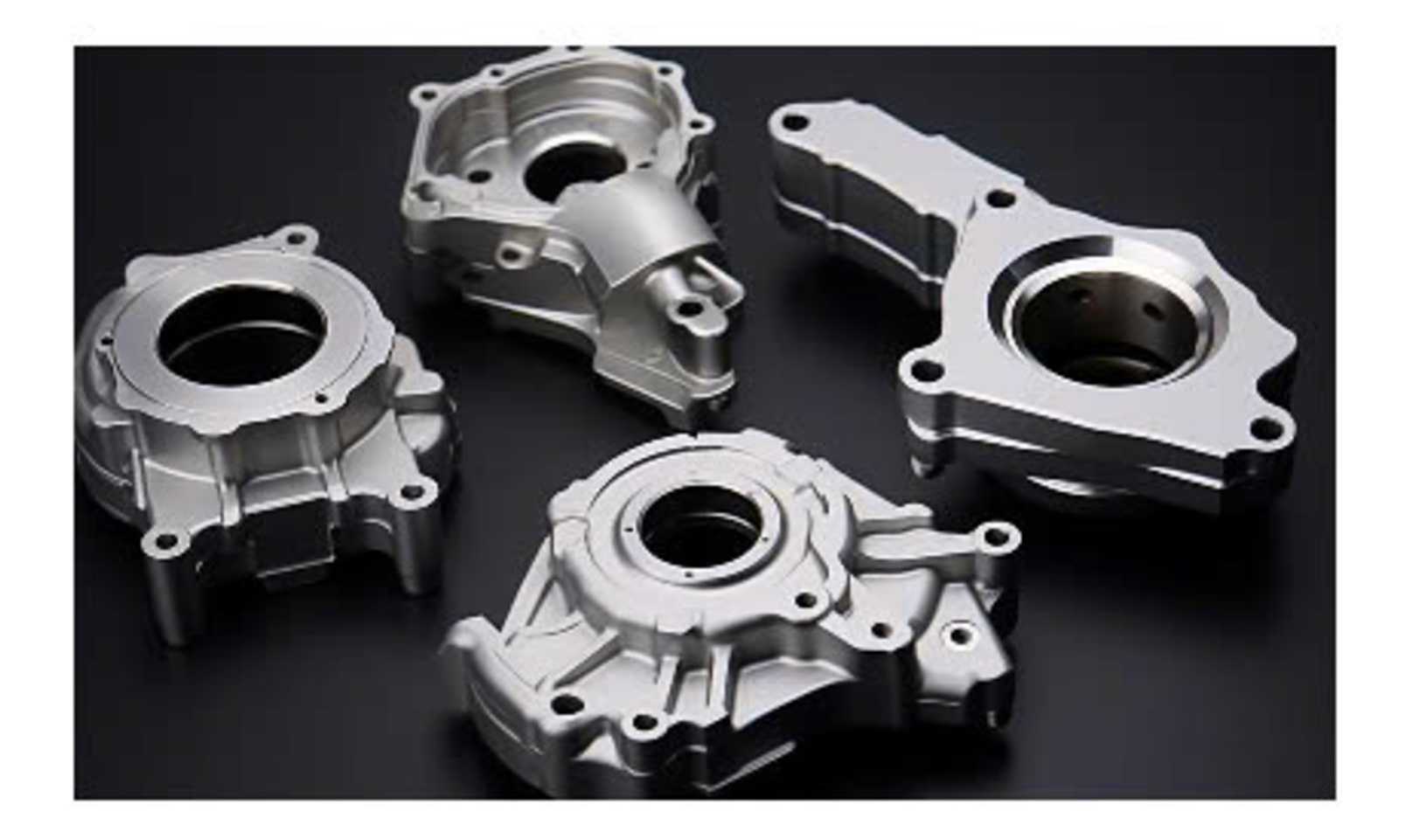
Thanks to these sticking prevention strategies, our aluminum die-cast products maintain high quality, durability, and functionality. We have earned strong trust, particularly in high-precision and high-durability applications such as the automotive industry.
Features of Yamaguchi’s Aluminum Die-Casting Technology
- Equipped with die-casting machines ranging from 420 to 800 tons, capable of handling diverse production needs.
- Capable of handling product weights up to 6.5 kg.
- Monthly production capacity of approximately 45,000 units.
- Post-casting precision machining is carried out in-house, ensuring high quality and short lead times.
Sticking is a critical issue in aluminum die-casting that affects both quality and productivity. Our company tackles this problem through optimal mold release agent selection, the use of spray robots, regular mold maintenance, hard coating applications, and ongoing production process improvements. These efforts enable us to deliver aluminum die-cast products with high quality, excellent durability, and stable performance.
Through these measures, our aluminum die-cast products achieve high quality, excellent durability, and stable performance, earning us significant trust in fields requiring high precision and durability, such as the automotive industry.
We will continue to strive for ongoing technological innovation and quality improvement to provide our customers with even higher-performance aluminum die-cast products.
PICKUP
Technology / Product Information
CONTACT
Inquiry