
NIPPON CHEMICAL SCREW CO., LTD.
SERVICE
Production Goods & Services
How to Install Plastic Screws (PEEK/PTFE) | Tips to Prevent Deformation
Product Info
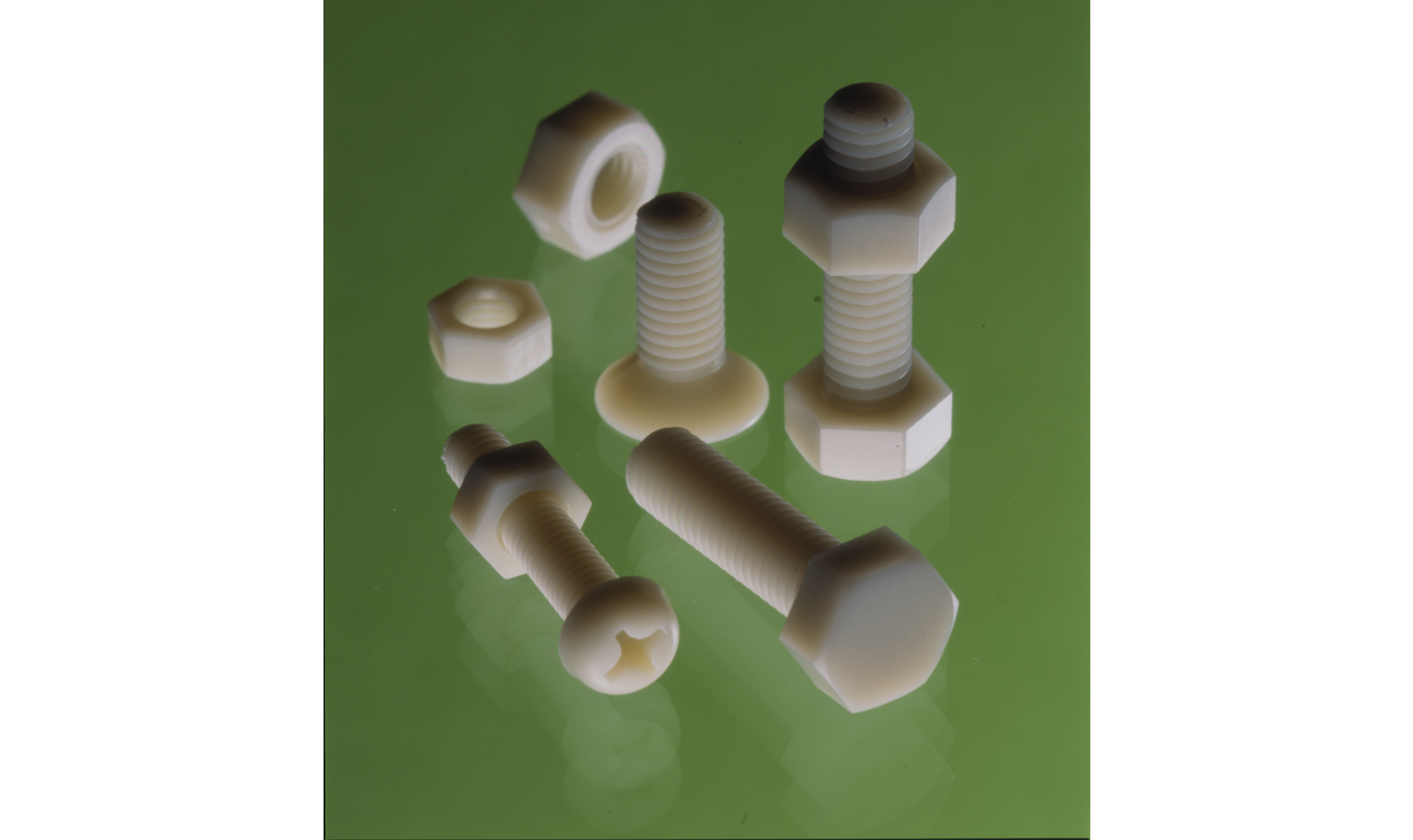
Plastic screws made from high-performance materials like PEEK, PTFE, and PPS require careful installation to avoid deformation and ensure long-term structural integrity. This article offers essential industrial tips including torque control, hole dimensioning, and tool selection — especially for electronics, cleanroom, and chemical plant applications.
1. Why Do Plastic Screws Require Specialized Installation?
Unlike metal fasteners, plastic screws offer chemical and heat resistance but have lower mechanical strength and elasticity. Improper installation may cause cracking, deformation, or failure — leading to reduced structural stability.
Common materials include:
- PEEK (Polyether Ether Ketone)
- PPS (Polyphenylene Sulfide)
- PTFE (Polytetrafluoroethylene)
- PVDF (Polyvinylidene Fluoride)
These materials excel in corrosive, cleanroom, and high-temperature environments, but require precision fastening techniques.
2. Use the Right Tools and Torque Settings
Over-torqueing is one of the leading causes of plastic screw failure.
Tips:
- Use adjustable torque screwdrivers (manual or electronic).
- Refer to the torque chart provided by the screw manufacturer.
- Avoid high-RPM electric drivers unless equipped with torque limiters.
3. Maintain a Controlled Installation Environment
Temperature and humidity impact plastic screw behavior.
Tips:
- Ideal installation temperature: 20°C–30°C
- Avoid oils, chemicals, or lubricants on screw surfaces.
- Store screws in a dry, temperature-stable area and inspect for warping before use.
4. Ensure Proper Pilot Hole Dimensions
The pilot hole determines how the screw engages with the material. A misfit can lead to excessive stress or loosening.
Tips:
- Follow manufacturer’s exact pilot hole diameter.
- Deburr the hole and clean it thoroughly.
- For repeated assemblies, use metal inserts (threaded bushings) to preserve the integrity of the housing.
5. Avoid Over-Tightening — Apply “Just Enough” Torque
Over-tightening damages the thread or head, especially in brittle or thin plastic parts.
Tips:
- Use a torque + angle method for consistent results in production environments.
- Watch for visual cues: screw head distortion means you’ve tightened too much.
- Use washers to evenly distribute clamping force.
6. Why Choose Plastic Screws from NIPPON CHEMICAL SCREW CO., LTD.?
NIPPON CHEMICAL SCREW CO., LTD. is a leading Japanese manufacturer of precision plastic fasteners engineered from PEEK, PPS, PTFE, and other specialty resins.
Advantages:
- Engineered for reliable torque performance
- Material-specific technical guides and torque charts
- In-house R\&D and strict quality control
- Custom designs available for specific industrial requirements
Whether your application involves chemical exposure, cleanrooms, electronics, or thermal stress, NIPPON CHEMICAL SCREW delivers safe, efficient, and repeatable installation results.
#PlasticScrews #PEEKScrews #PTFEScrews #TorqueControl #EngineeringFasteners #IndustrialAssembly #ScrewInstallationTips #CleanroomComponents #NipponChemicalScrew #PrecisionFastening
CONTACT
Inquiry