Production Goods & Services

3hits

Narrow by category
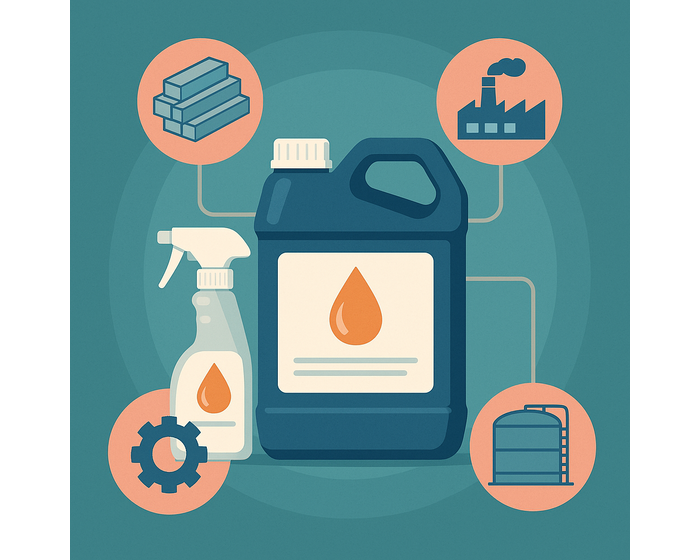
How to Choose the Right Cleaner for Your Industry?

Choosing the wrong type of cleaner can affect product quality, worker safety, or even the efficiency of your machinery. Let's explore key criteria for selecting the right cleaning solution for each task — along with practical guidance for choosing products that truly suit your factory. 1. Understand the Type of Contamination Before Choosing a Cleaner Selecting the appropriate cleaner starts with analyzing "what kind of contaminant needs to be removed?" Main types of contamination include: - Oil / grease stains — e.g., from brakes, machinery, or factory floors - Fine dust — such as from grinding or cutting processes - Chemical or resin residues — left from specialized manufacturing - Moist or rust-associated residues The cleaner used must be able to dissolve or dislodge these contaminants without damaging the substrate surface. 2. Choose Based on the Surface Type of the Workpiece The surface material has a major impact on cleaner selection: - Metal (steel, aluminum): Requires a non-corrosive solution that won’t cause rust - Plastic or rubber: Must avoid chemicals that cause swelling or brittleness - Painted or coated surfaces: Should avoid harsh solvents that could strip coatings 3. Match with Your Factory’s Cleaning Method Each factory uses different cleaning processes, such as: - Soaking / dipping: Requires low-evaporation, worker-safe cleaners - Spray application (aerosol): Best with fast-drying formulas that leave no residue - Wiping with cloth / brushing: Should break down contamination quickly without needing rinse water 4. Safety and Environmental Considerations Industrial cleaners should be: - Safe for users: Free from high VOCs and harsh odors - Environmentally friendly: Water-based or biodegradable formulas - Compliant with industry standards: Such as RoHS, REACH, or specific automotive regulations

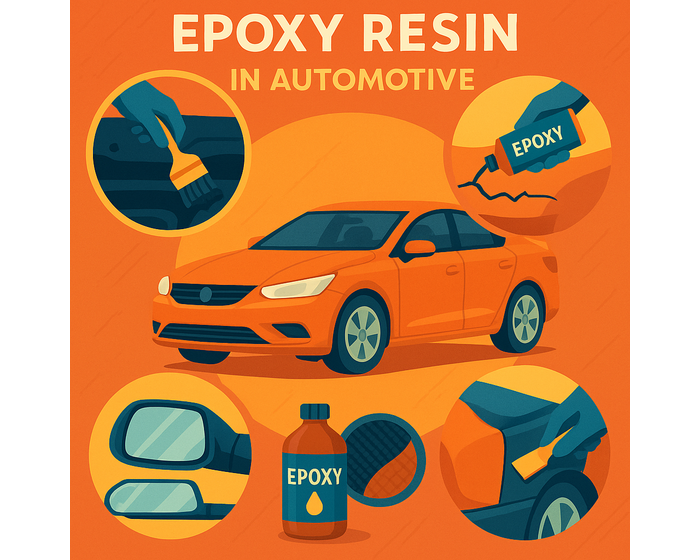
Epoxy Resin Applications in Automotive Parts: Superior Strength and Bonding

◆ What is Epoxy Resin? Epoxy resin is a type of material that, when mixed, hardens into a strong plastic-like substance. It can bond tightly to various materials, including metal, plastic, and carbon fiber, making it ideal for automotive parts that require high strength. ◆ Why is Epoxy Resin Suitable for Automobiles? In vehicles, epoxy resin is often used in place of welding or bolting because of its many advantages, such as: - Strong Bonding: Perfect for load-bearing parts like doors, roof frames, or the vehicle’s body structure. - Heat Resistance: Some formulas can withstand up to 150°C, making them suitable for engine bays or near exhaust systems. - Waterproof and Rustproof: Prevents water or chemicals from entering joints. - Lightweight: Eliminates the need for screws or bolts, reducing vehicle weight and improving fuel efficiency. ◆ Where is it Used in Vehicles? Epoxy resin is used in many parts of a car, including: - Bonding body panels to the vehicle frame - Attaching components inside doors - Coating the underbody to prevent rust - Securing batteries or electronic components in electric vehicles ◆ Which Type is Right for the Job? Epoxy resins come in various types, such as: - Heat-curing (1K): Used in factories, quick to process, strong bonding - Two-part (2K): Extremely strong, suitable for high-stress parts - Flexible type: Ideal for areas subject to impact or vibration

Know Before You Use! Types of Applications That Are Suitable and Unsuitable for Instant Adhesives

What Types of Work Are Instant Adhesives Suitable For? 🔧 Small Parts Assembly Instant adhesives are ideal for assembling small components such as: - Electronic devices - Office equipment parts - Model kits or toys Because the glue sets quickly, there's no need to wait or apply pressure for long—perfect for precise work. 🧰 Emergency Repairs Examples include: - Cracked glass - Broken plastic - Detached small parts > The key feature is that it dries within seconds, making it perfect for fast, targeted fixes. 📦 Packaging and Light Industrial Work - Sealing small joints on packaging - Holding components during assembly - Compatible with automated dispensing systems on production lines 🛠 Multi-Material Bonding Instant adhesives are great for bonding dissimilar materials, such as: - Metal to rubber - Plastic to wood - Glass to ceramic > Especially effective for small bonding areas that require high precision. 🩺 Medical Applications (in some cases) - Used in medical devices like test kits and sample tubes - Medical-grade formulas can even replace stitches in minor surgical procedures ❌ Applications Unsuitable for Instant Adhesives - Large surface areas (the glue sets too fast before proper positioning) - Applications involving constant impact or vibration (e.g., engine parts) - Areas frequently exposed to water, moisture, or extreme heat - Non-porous materials like polyethylene (PE) and polypropylene (PP) unless a primer is used Summary Instant adhesives are best for: - Small, detailed work - Quick fixes - High-precision tasks - Short to medium-term bonding They are widely used in electronics, packaging, general household items, and light repairs due to their speed, strength, and convenience.

CONTACT

Inquiry

This is the inquiry form for ThreeBond Manufacturing (Thailand) Co., Ltd. / ThreeBond VIV Sales (Thailand) Co., Ltd.. Please enter your inquiry.

This service is intended to provide consultation and opinion requests for processing projects.
Please do not use this information for self-promotion or sales activities.
If we receive a complaint from a recipient about the contents of the transmission, we may take measures such as forcibly stopping the use of the service.

Inquiry Type*Required
Message*Required
Attach file

Only image (jpeg, jpg, gif, png, pdf) and compressed file (zip, lzh) extensions are valid. Maximum file size 10MB