
RYOHSHIN Co., Ltd.
SERVICE
Production Goods & Services
Glass Recycling A Sustainable Option for the Manufacturing Industry
Product Info
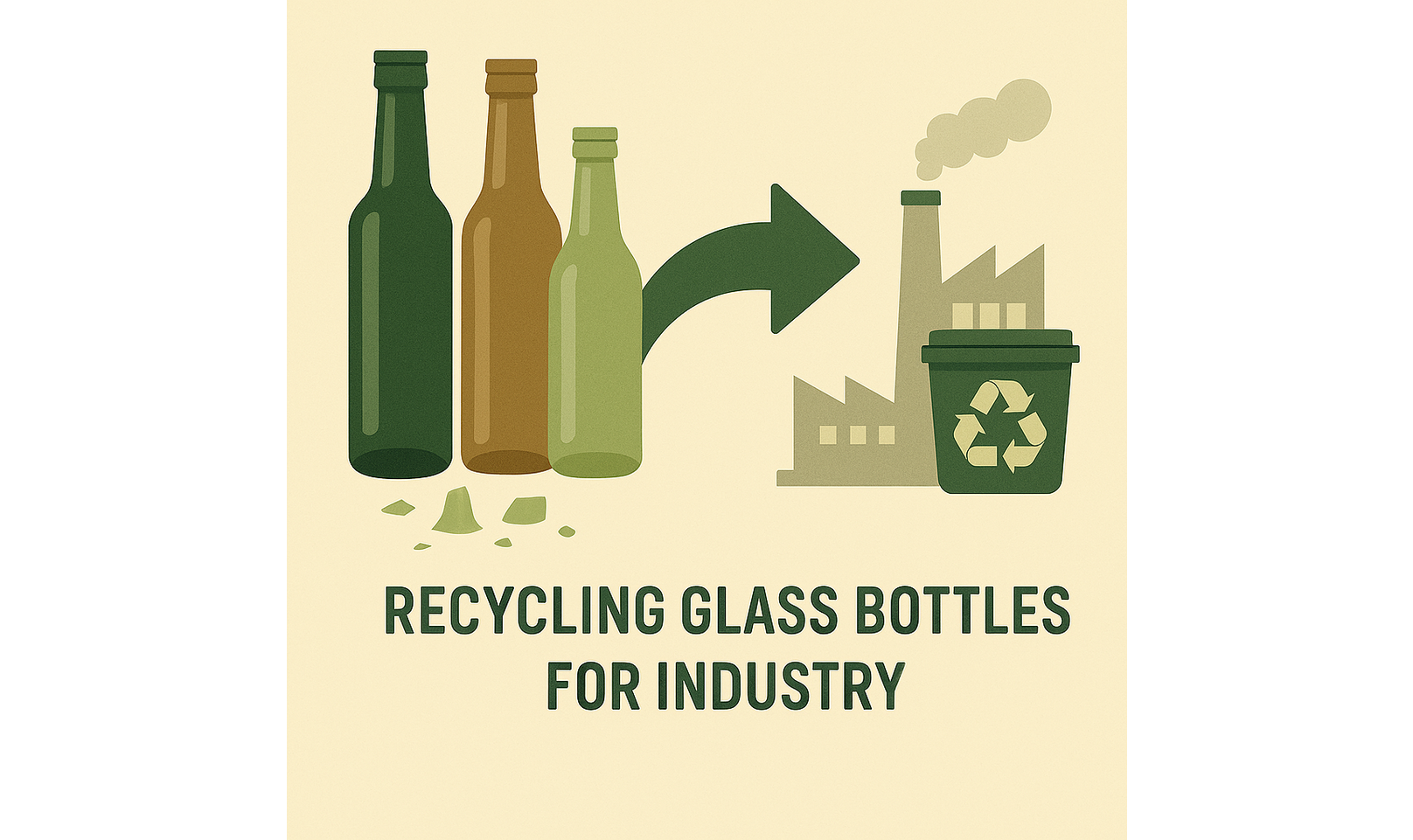
Used glass is not waste—it is a valuable, renewable resource. With modern recycling technology, discarded glass can be transformed into high-quality raw materials, helping to reduce production costs, cut CO₂ emissions, and support the circular economy in Thailand’s industrial sector.
_ _ _
1. What is Glass Recycling?
Glass recycling is the process of collecting used glass materials—such as bottles, packaging, and manufacturing scraps—and reusing them in the production of new glass products.
Recycled glass is known as cullet, a clean and contaminant-free form of crushed glass. Cullet can be re-melted and reused as raw material for new bottles or in construction materials.
Glass can be recycled infinitely without losing quality, making it one of the most sustainable materials available.
_ _ _
2. Industrial Glass Recycling Process
With cutting-edge Japanese technology, modern glass recycling systems are equipped with automated processes designed for efficiency and consistency:
- Automatic Sorting Systems
Accurately sort glass by color and type using cameras and optical sensors.
- Contaminant Removal
Removes labels, caps, metal, plastic, and other impurities.
- Crushing and Sizing
Crushes the glass into appropriately sized cullet ready for melting.
- Quality Inspection and Packaging
Ensures high-purity cullet meets industry standards and is ready for reuse.
_ _ _
3. Why is Cullet So Valuable?
Cullet is more than just recycled glass—it is a cost-saving, energy-efficient, and eco-friendly alternative to raw materials.
✅ Reduces Raw Material Costs
- Cullet melts at lower temperatures than natural raw materials.
- Up to 25% energy savings in glass production processes.
✅ Lowers CO₂ Emissions
- Cullet melts faster, reducing energy consumption and CO₂ emissions by approximately 28%.
- Contributes to carbon neutrality goals.
✅ Preserves Natural Resources
- Decreases dependence on natural materials such as silica sand, limestone, and soda ash.
- Supports sustainable resource management.
_ _ _
4. Industries That Benefit from Glass Recycling
Glass recycling systems are ideal for a wide range of businesses and industries, including:
- Glass bottle manufacturing plants
- Beverage and food producers that rely on glass packaging
- Construction material manufacturers using glass in products like lightweight bricks or tiles
- Waste management and recycling companies
- Hotels, restaurants, and retail chains that generate large volumes of used glass
_ _ _
5. Driving Sustainable Industry in Thailand with Japanese Technology
RYOHSHIN is introducing high-precision Japanese glass recycling technology to Thailand, offering benefits such as:
- Efficient processing of post-consumer and post-industrial glass waste
- Reduced energy costs and lower CO₂ emissions
- Enhanced corporate image and compliance with ESG and environmental standards
- A closed-loop, sustainable raw material supply chain within Thailand
With highly accurate sorting and cleaning systems, our solution ensures a stable supply of high-purity cullet for industrial reuse.
_ _ _
Conclusion: Glass is a Resource, Not Waste
Glass recycling is more than waste management—it is a forward-thinking solution that unlocks the full value of materials, reduces environmental impact, and strengthens industrial competitiveness.
For more information, please download the PDF or contact us directly.
CATALOG
Related Catalogs
CONTACT
Inquiry