
RYOHSHIN Co., Ltd.
SERVICE
Production Goods & Services
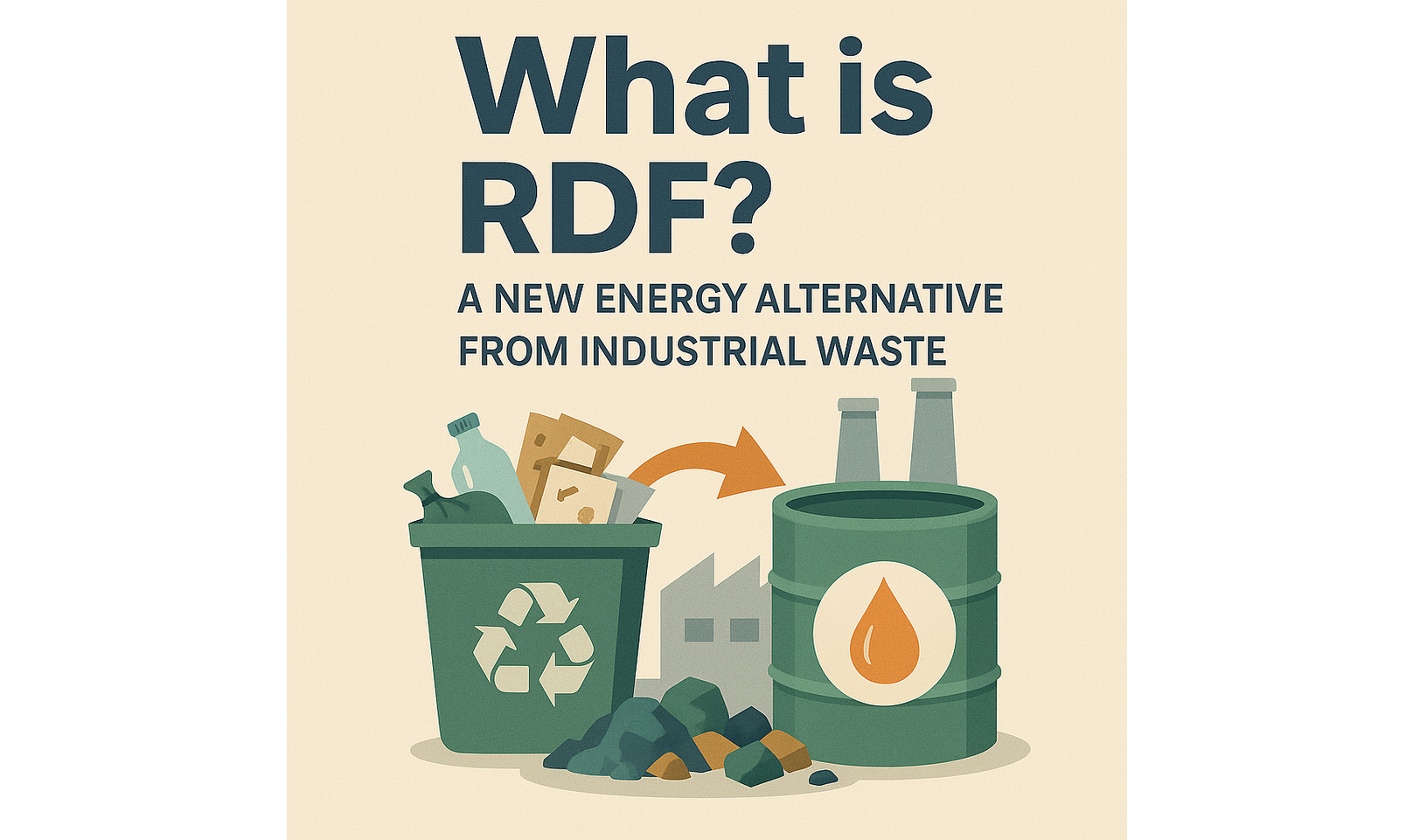
What is RDF? A New Energy Alternative from Industrial Waste
Product Info
RDF, or Refuse Derived Fuel, is an alternative fuel produced from industrial waste through appropriate sorting and processing. It helps reduce waste volume and serves as a substitute for fossil fuels in production processes.
_ _ _
■ What is RDF?
RDF (Refuse Derived Fuel) is a type of solid fuel derived from non-recyclable waste, especially industrial waste such as leftover plastic, packaging films, contaminated cardboard boxes, or composite materials that cannot be reused.
The RDF production process involves sorting and size reduction of these materials, followed by processing them into ready-to-use fuel. The final product may appear as shredded pieces or compacted fuel briquettes, depending on the application.
RDF can be used as a substitute for coal in industries that require high thermal energy, such as cement kilns, medium-sized power plants, or industrial boilers.
_ _ _
■ RDF Production Process and Raw Materials
RDF is typically made from non-biodegradable industrial waste, including:
- Used plastic films such as PE, PP, and PVC
- Paper contaminated with oil or chemicals
- Textiles or fabric scraps from production lines
- Multi-material packaging waste that cannot be recycled
The RDF production process includes:
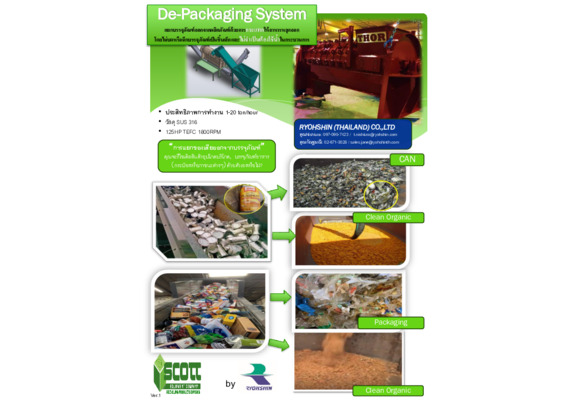
- Sorting: Removing unsuitable materials such as metals, glass, or hazardous substances
- Size Reduction: Shredding materials into smaller pieces for easier combustion
- Moisture Reduction: Drying to reduce moisture content for better calorific performance
- Packing or Briquetting: Enhancing convenience in storage, transport, and usage
The resulting RDF fuel typically has a calorific value between 4,000–6,000 kcal/kg, which is sufficient for most industrial combustion systems.
_ _ _
■ Benefits of RDF Compared to Other Fuel Types
Using RDF as a replacement for fossil fuels offers several advantages, particularly in terms of environmental impact and operational cost:
- Landfill Waste Reduction: Converts non-recyclable waste into usable energy
- Energy Cost Savings: RDF is generally more cost-effective than coal or liquid fuels over time
- Reduced Dependence on Fossil Fuels: Enhances energy security for industrial facilities
- Supports ESG and Carbon Neutral Goals: Lowers CO₂ emissions and improves corporate environmental image
However, it is important to note that RDF quality can vary depending on the raw materials and production control. Therefore, partnering with a high-standard and experienced RDF supplier is crucial.
_ _ _
■ The Growth of RDF Usage in Thailand
Thailand has increasingly emphasised alternative energy derived from waste, particularly in industrial sectors, aiming to reduce energy costs and comply with stricter environmental regulations.
RDF is now widely accepted in cement plants, waste-to-energy facilities, and heavy manufacturing industries that require continuous high-temperature energy. It has become a key enabler in transitioning toward a Circular Economy at the factory level.
For more information, please contact us directly.
CATALOG
Related Catalogs
CONTACT
Inquiry