
NISSEI INTERNATIONAL (THAILAND) CO., LTD.
SERVICE
Production Goods & Services
What Is a Desiccant Rotor and How Is It Different from a Compressor Dehumidifier?
Product Info
🌟 Key Takeaways
• Desiccant Rotors remove moisture by adsorbing water vapor, not by condensation
• They perform reliably in low-temperature and high-humidity conditions, such as the rainy season
• They do not use refrigerants, making them suitable for HVAC systems and long-term industrial applications
ーーーーーーーーーーーーーーーーーーーーーーーーーーーーーーー
🔹 What Is a Desiccant Rotor
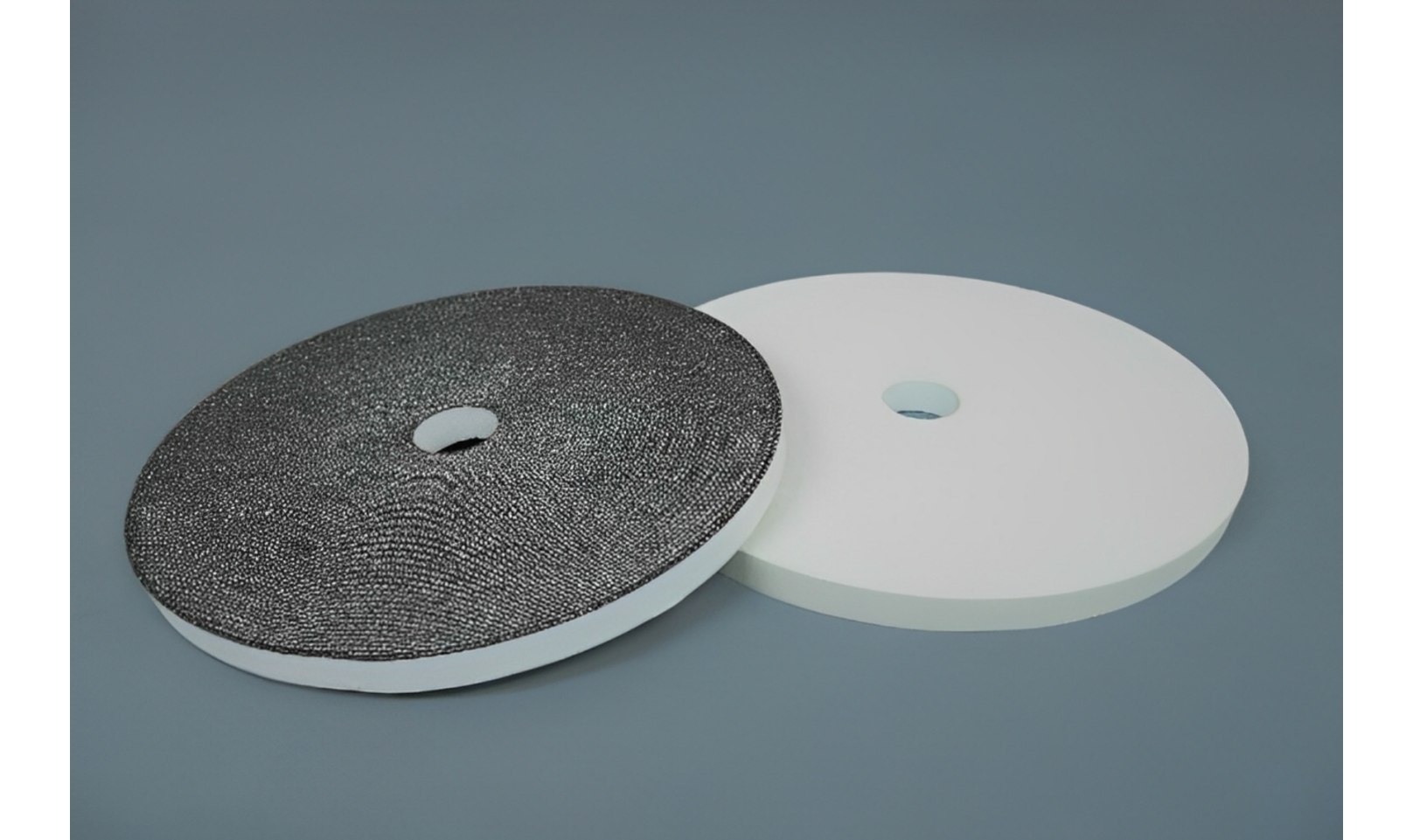
A Desiccant Rotor is a humidity control device that removes moisture through direct water vapor adsorption. Common desiccant materials include zeolite and silica gel, which are coated onto a corrugated honeycomb structure and assembled into a rotating wheel.
As humid air passes through the adsorption zone, moisture is absorbed into the porous structure of the desiccant material, drying the air instantly. The rotor then rotates into the regeneration zone, where heat is applied to release the absorbed moisture, allowing the rotor to be reused continuously.
🔹 How Does a Compressor-Type Dehumidifier Work
Conventional dehumidifiers operate based on the condensation principle, which involves:
• Lowering air temperature below the dew point
• Condensing water vapor into liquid droplets
• Using a compressor and refrigerant
This method works well at normal room temperatures. However, when ambient temperature drops or the dew point becomes low, efficiency decreases significantly. The system consumes more energy while failing to achieve the desired humidity level.
🔹 Key Differences Between Desiccant Rotor and Compressor Systems
The primary difference lies in the moisture removal mechanism.
■ Desiccant Rotor
• Removes moisture through direct adsorption
• Independent of temperature and condensation
• Provides stable and precise RH control
■ Compressor System
• Removes moisture by lowering air temperature
• Performance drops sharply at low temperatures
• Consumes more energy under unfavorable conditions
From a system perspective, Desiccant Rotors do not use refrigerants, reduce system complexity, and are suitable for applications requiring long-term stability.
🔹 When Should You Choose a Desiccant Rotor
Desiccant Rotors are suitable when:
• Continuous humidity control below 50% RH is required
• Operating in low-temperature environments, cold rooms, or during the rainy season
• HVAC systems or industrial facilities demand high reliability
• Long-term OPEX reduction is a priority
• Environmentally friendly solutions are preferred
📘 Summary
A Desiccant Rotor is not just another type of dehumidifier. It represents a shift from condensation-based moisture removal to adsorption-based control, directly addressing the limitations of compressor systems. Selecting the right technology for real operating conditions is essential for effective humidity control.
📥 CTA
To deepen your understanding, NISSEI INTERNATIONAL (THAILAND) CO., LTD.
recommends reviewing the related Advanced articles below to connect theory with real-world applications.
🔗 Cluster Internal Link
• Core Content: https://prime.nc-net.com/105714/en/product_others/detail_goods/25302
• Advance Knowledge: https://prime.nc-net.com/105714/en/product_others/detail_goods/27657
ーーーーーーーーーーーーーーーーーーーーーーーーーーーーーーー
❓ FAQ
• Q: Does a Desiccant Rotor consume more energy?
A: When properly designed, waste heat can be utilized and losses from overcool/reheat are reduced, resulting in lower total energy consumption in many cases.
• Q: Can it replace conventional dehumidifiers?
A: Yes, especially in industrial environments or areas where compressor systems cannot operate efficiently.
ーーーーーーーーーーーーーーーーーーーーーーーーーーーーーーー
📚 Glossary (Key Terms)
• Desiccant Rotor: A rotating wheel that removes moisture using desiccant materials such as zeolite or silica gel
• Regeneration: The process of using heat to release absorbed moisture from desiccant materials
• Dew Point: The temperature at which water vapor begins to condense into liquid
📖 Reference
Based on the original article provided by the user
🔒 Trust
This content has been reviewed by the Sales & Marketing Department of
NISSEI INTERNATIONAL (THAILAND) CO., LTD. to ensure technical accuracy.
#DesiccantRotor #Dehumidification #HumidityControl #HVACSystem #IndustrialHVAC #LowHumidity
#Dehumidifier #Zeolite #SilicaGel
📆 Updated: 2025-12-12
CATALOG
Related Catalogs
CONTACT
Inquiry