
BUNRI Inc.
PRODUCTS
Technology / Product Information
5 Common Problems When Choosing the Wrong Metal Scrap Conveyor and How to Fix Them
Technology / product information
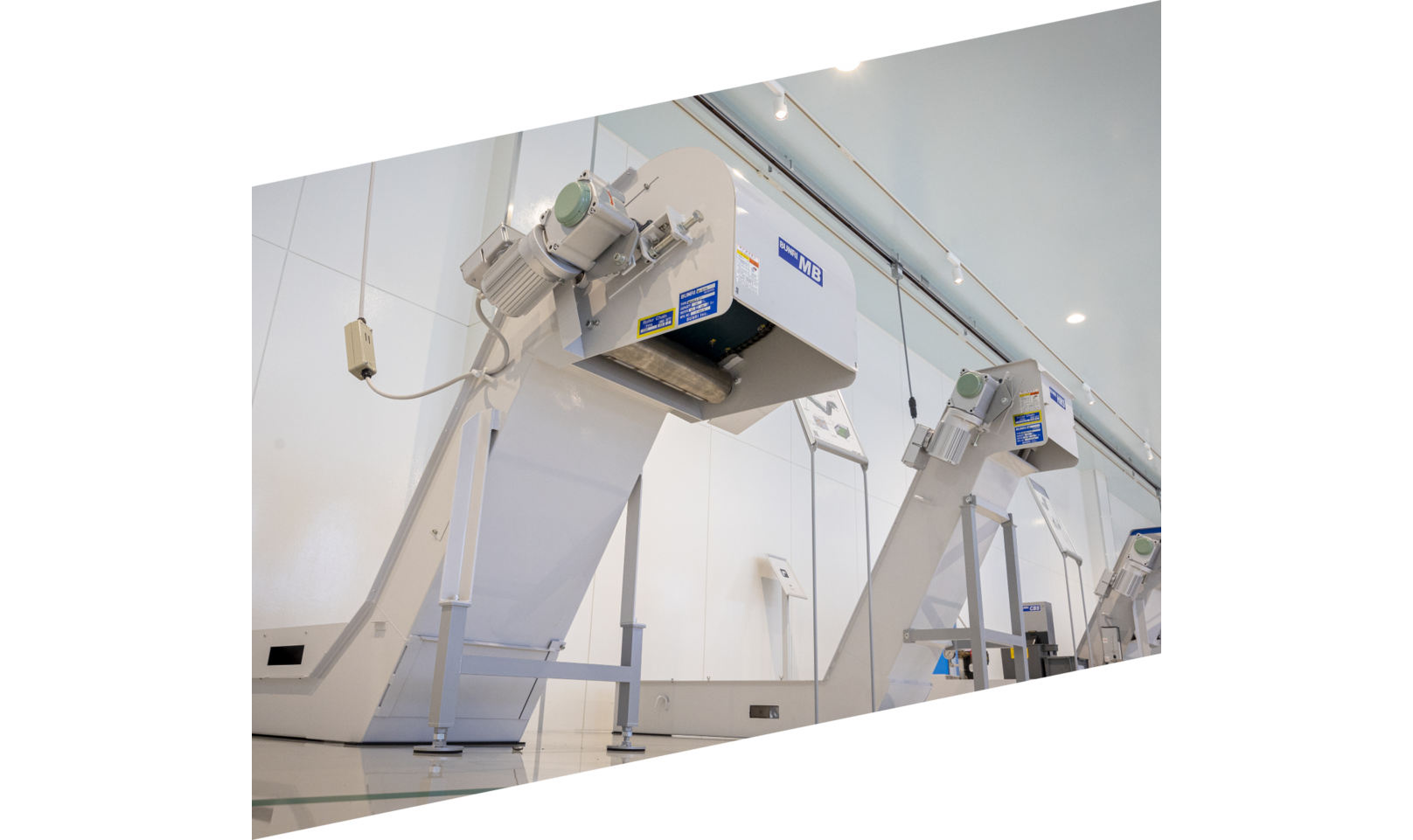
A metal scrap conveyor is an essential piece of equipment for removing metal debris from manufacturing processes such as turning, milling, drilling, and grinding. Selecting the wrong type of conveyor can lead to machine malfunctions, clogging issues, or premature wear and tear.
Here are five common problems and their solutions to ensure optimal conveyor performance:
1. Metal Scrap Clogging the Conveyor, Causing Blockages
🔎 Causes
- The conveyor type is unsuitable for the size and shape of the metal scrap.
- Hinged belt conveyors may struggle with fine metal particles or dust.
- The metal filtration system is ineffective.
✅ Solutions
✔ Use a Magnetic Conveyor for small or fine metal scraps.
✔ Use a Screw Conveyor or integrate an oil and dust filtration system into the machine.
2. Large Metal Scraps Cause Conveyor Damage
🔎 Causes
- Using Magnetic or Screw Conveyors, which are designed for small metal scraps but not for larger pieces.
- The conveyor material is not strong enough, leading to excessive wear or early failure.
✅ Solutions
✔ Choose a Hinged Belt Conveyor, specifically designed for large and tough metal scraps.
✔ Install a pre-filter system to separate large metal scraps before they enter the conveyor.
3. Metal Scraps Sticking to the Conveyor, Causing Frequent Stops
🔎 Causes
- The system lacks a scraper to remove debris from the conveyor.
- The wrong conveyor type is used, such as a hinged belt conveyor without a scraping mechanism.
✅ Solutions
✔ Use a conveyor with a built-in scraper or a Magnetic Conveyor to help remove metal scraps.
✔ Install an automatic cleaning system to prevent metal accumulation on the conveyor.
4. Cooling System Malfunctions Due to Oil and Metal Scrap Contamination
🔎 Causes
- The conveyor system lacks an oil separation function.
- Metal scraps mix with coolant oil, disrupting the cooling system’s performance.
✅ Solutions
✔ Use a Drag Conveyor or Combination Conveyor with a built-in oil filtration system.
✔ Install an Oil Separator to reduce contamination between oil and metal debris.
5. Conveyor Misalignment Reduces Scrap Removal Efficiency
🔎 Causes
- The conveyor system is not properly aligned with the machine, making it difficult for metal scraps to reach the disposal area.
- The conveyor is too short, requiring manual labor for additional transportation.
✅ Solutions
✔ Plan the conveyor installation to match machine positioning and scrap disposal points.
✔ Use a Combination Conveyor for multi-directional movement.
✔ Install a Modular Conveyor for easy positioning adjustments.
Conclusion: Choosing the Right Metal Scrap Conveyor Improves Efficiency and Reduces Issues
✅ Select the appropriate conveyor type based on metal scrap characteristics.
✅ Use Scrapers or Oil Separators to prevent clogging and contamination.
✅ Plan the installation layout properly to reduce manual labor and ensure seamless production.
📌 Need a metal scrap conveyor that fits your machinery? Contact us today!
PICKUP
Technology / Product Information

CONTACT
Inquiry