
HAKKAI PRECISION (THAILAND) CO., LTD.
SERVICE
Production Goods & Services
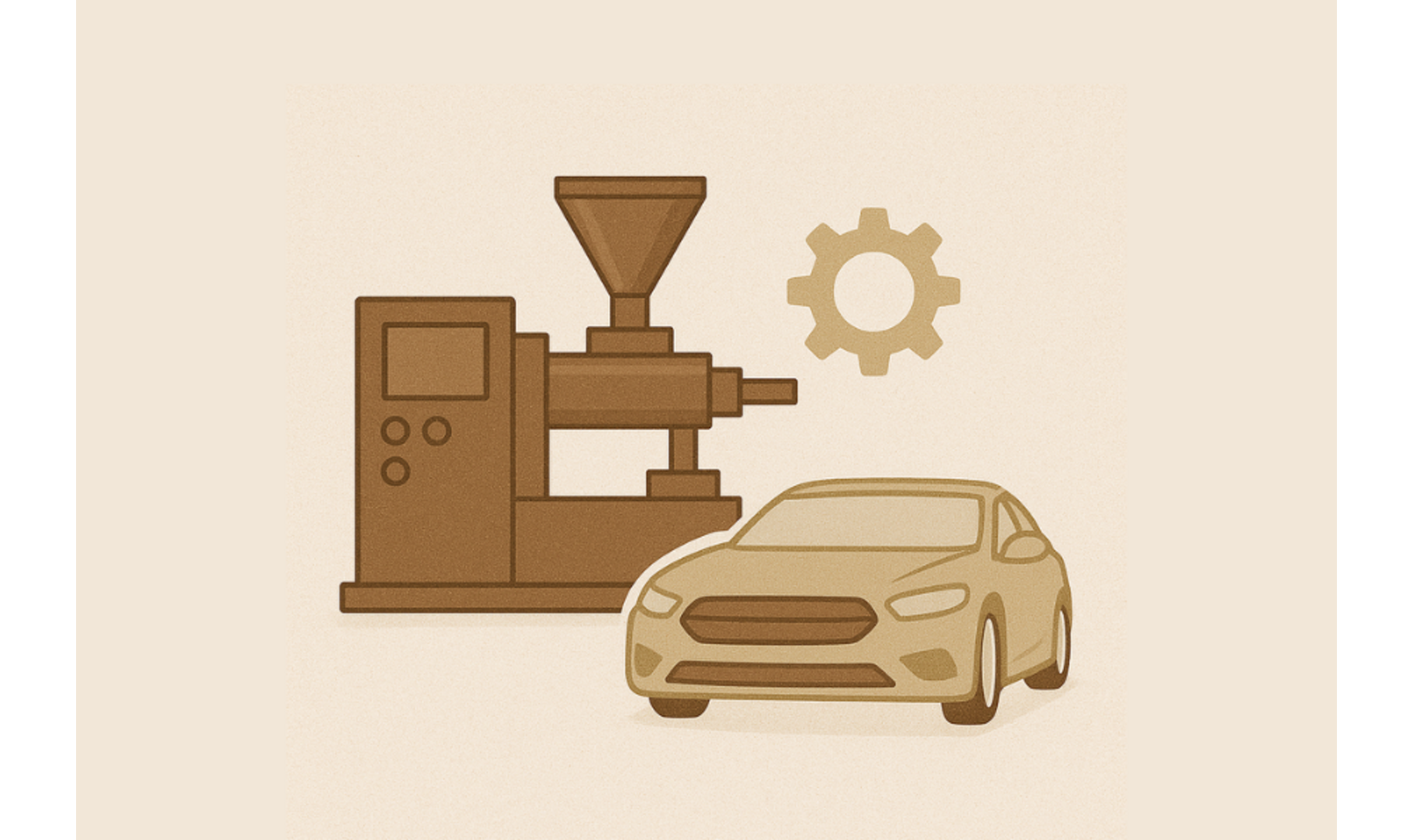
Injection Molding in Automotive Manufacturing|Why It’s Key for Lightweight, Precision Parts
Product Info
Injection molding plays a pivotal role in modern automotive manufacturing—cutting weight, reducing costs, and delivering complex, precise plastic components. This article explores its applications, technical benefits, and material selection strategies for engineers.
1. What Is Injection Molding?
Injection molding involves melting thermoplastic resin, injecting it into a mold under high pressure, then cooling and solidifying into the final shape. It enables complex part production in a single step, making it ideal for high-volume, precise, and cost-efficient manufacturing. As vehicles increasingly shift from metal to plastics, injection molding is indispensable for automated production lines.
2. Typical Injection Molded Automotive Parts
Common automotive applications include:
- Exterior parts: bumpers, radiator grilles
- Interior trims: dashboard panels, door trims
- Functional components: HVAC heater cases, air ducts, fuse boxes, connectors
- Engine bay parts: fan shrouds, coolant reservoirs, air intake manifolds
Resins like PC, PA, and PBT deliver metal-like performance where heat resistance, rigidity, and precise form retention matter.
3. Technical Advantages & Design Considerations
Key benefits of injection molding in automotive production:
- Integrated molding reduces part count and simplifies assembly
- High dimensional accuracy ensures tight fitting and surface finish quality
- Supports CAE simulation to optimize mold design, gate location, and cooling channels for better quality control
Successful design requires careful gating, efficient cooling systems, and mold flow analysis to prevent defects and ensure performance.
4. Resin Types & Selection Guidelines
Common engineering resins and their applications:
- PP (Polypropylene): Lightweight and cost-effective, ideal for bumpers and interior trims
- PA (Nylon), PBT: Robust, heat- and oil-resistant—used in engine-related parts
- PC (Polycarbonate): Transparent and impact-resistant for lighting and optical applications
- ABS: Aesthetic finish, easy to mold—popular in interior paneling
Resin modification is also common:
- Glass fiber: Increases stiffness and heat tolerance
- Flame retardants: Used especially in electrical components
- UV stabilizers: For parts exposed to sunlight or harsh environments
Why Choose Hakkai Precision Thailand?
Hakkai Precision Thailand offers comprehensive services for automotive-grade injection molding: from mold design and resin selection to mass production using automated, high-precision machines. We specialize in minimizing defects, optimizing cycle times, and ensuring product quality from design to delivery.
#InjectionMolding #AutomotiveParts #LightweightDesign #PP #PA #PBT #PrecisionMolding #AutomotiveEngineering #MoldSimulation #AutomotiveManufacturing
CONTACT
Inquiry