SONG CONG DIESEL ONE MEMBER COMPANY LIMITED
PRODUCTS
Technology / Product Information
Electric Vehicle Trends and Their Impact on the Cast Iron Industry: Challenges and Strategic Transformation
Technology / product information
The rapid development of electric vehicles (EVs) is driving structural changes across the global automotive industry, resulting in significant impacts on the automotive components supply chain, including the cast iron industry. As internal combustion engines are gradually phased out, the role of cast iron in the production of passenger cars and light commercial vehicles is entering a period of contraction and marked segmentation.
How do electric vehicles affect the cast iron industry?
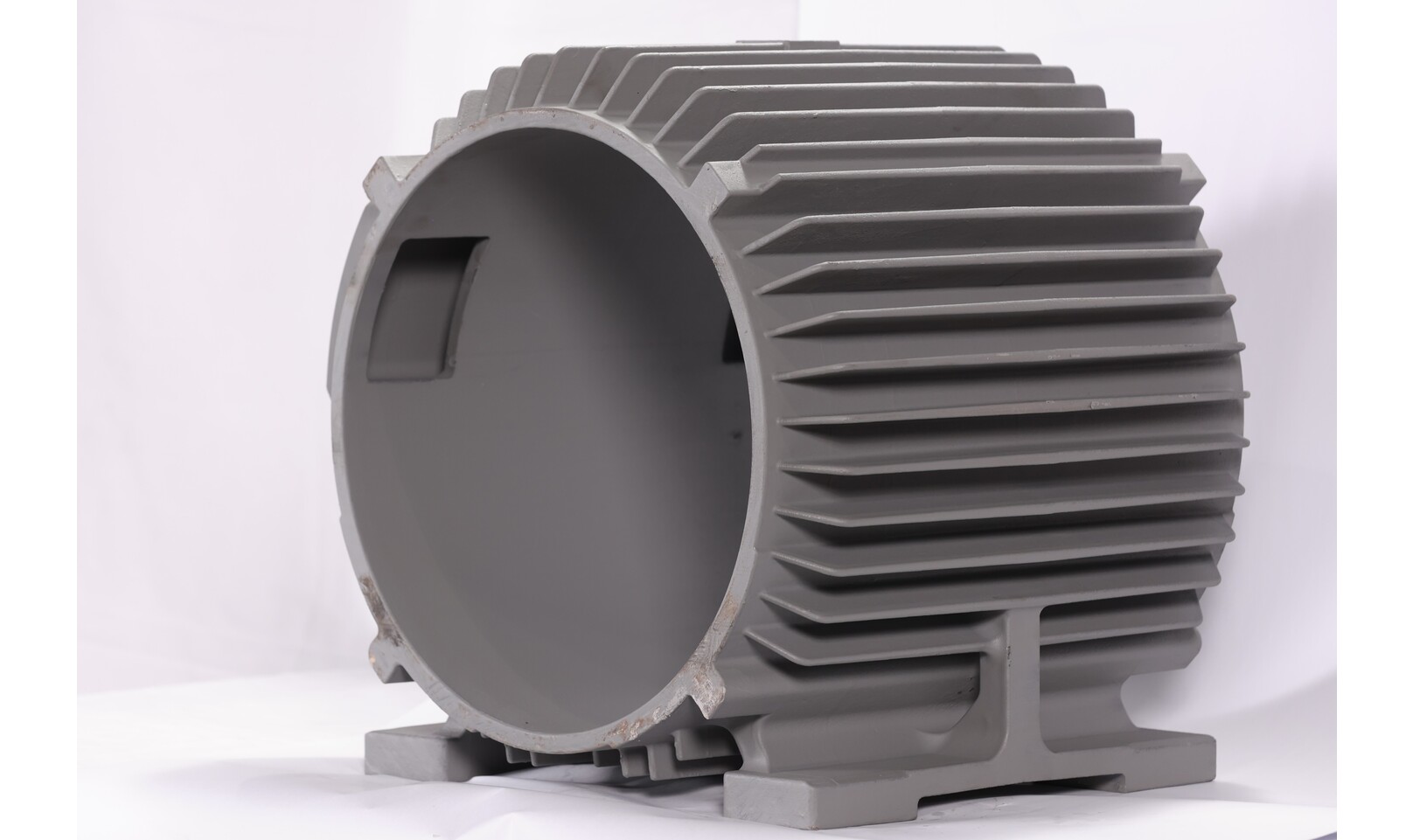
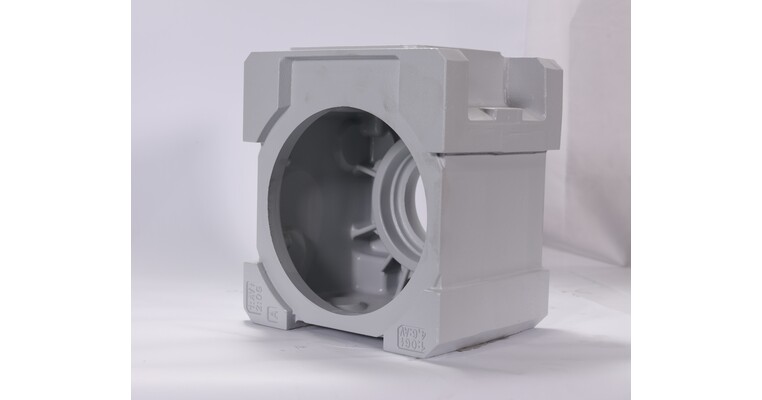
In traditional gasoline and diesel vehicles, cast iron—particularly green sand casting—has played a critical role in manufacturing key components such as engine blocks, cylinder heads, transmission housings, and pump bodies. These high-volume components have long provided stable revenue streams for cast iron foundries.
However, with the transition to electric vehicles, internal combustion engines are no longer required, leading to a sharp decline in demand for conventional cast iron components. EVs prioritize lightweight materials such as aluminum and adopt technologies like high-pressure die casting. In addition, the number of components in EVs is reduced and vehicle architectures are fundamentally different, resulting in a lower share of cast iron within the passenger vehicle automotive value chain.
This does not mean that the cast iron industry will disappear, but rather that its role in the passenger car and light commercial vehicle sectors is no longer as central as it once was.
Opportunities remain despite EV-driven disruption
Despite the impact of the EV trend, the cast iron industry—especially green sand casting—continues to present viable opportunities, provided companies target the appropriate market segments. In the medium to long term, demand for cast iron components is expected to remain stable in several key areas, including:
Trucks, special-purpose vehicles, and construction machinery, where EVs still face limitations in fully replacing conventional powertrain systems
Industrial machinery, agricultural equipment, and the energy sector, where cast iron remains widely used due to its durability, load-bearing capacity, and cost-effectiveness
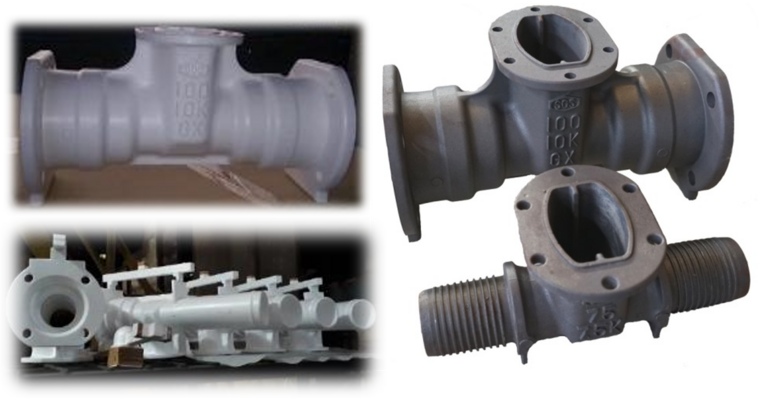
Industrial infrastructure and equipment, such as valve bodies, pump housings, and structural components requiring high vibration damping and mechanical strength
DISOCO’s strategic response
Amid the ongoing transition within the cast iron industry, DISOCO has proactively developed a long-term strategy focused on enhancing production capabilities and expanding into diversified market segments. With a solid technical foundation and flexible production management, DISOCO is well positioned to meet the increasingly diverse requirements of industrial customers, particularly in machinery, industrial equipment, and infrastructure-related fields.
Companies seeking a reliable and experienced green sand casting partner are invited to contact DISOCO for detailed discussions regarding their production needs.
PICKUP
Technology / Product Information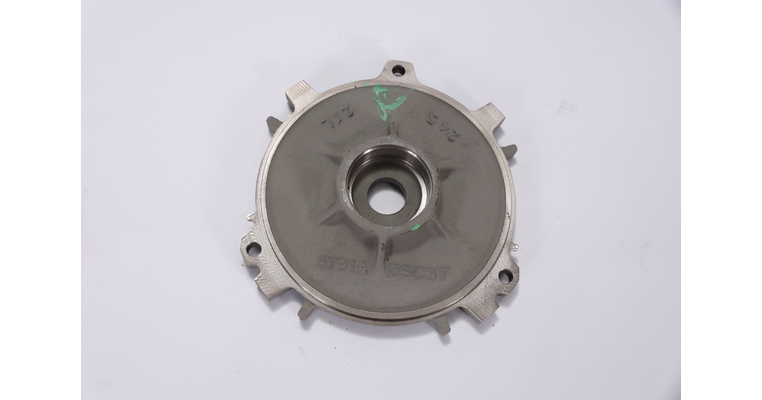
CONTACT
Inquiry