
SONG CONG DIESEL ONE MEMBER COMPANY LIMITED
PRODUCTS
Technology / Product Information
When should you choose hot forging instead of casting?
Technology / product information
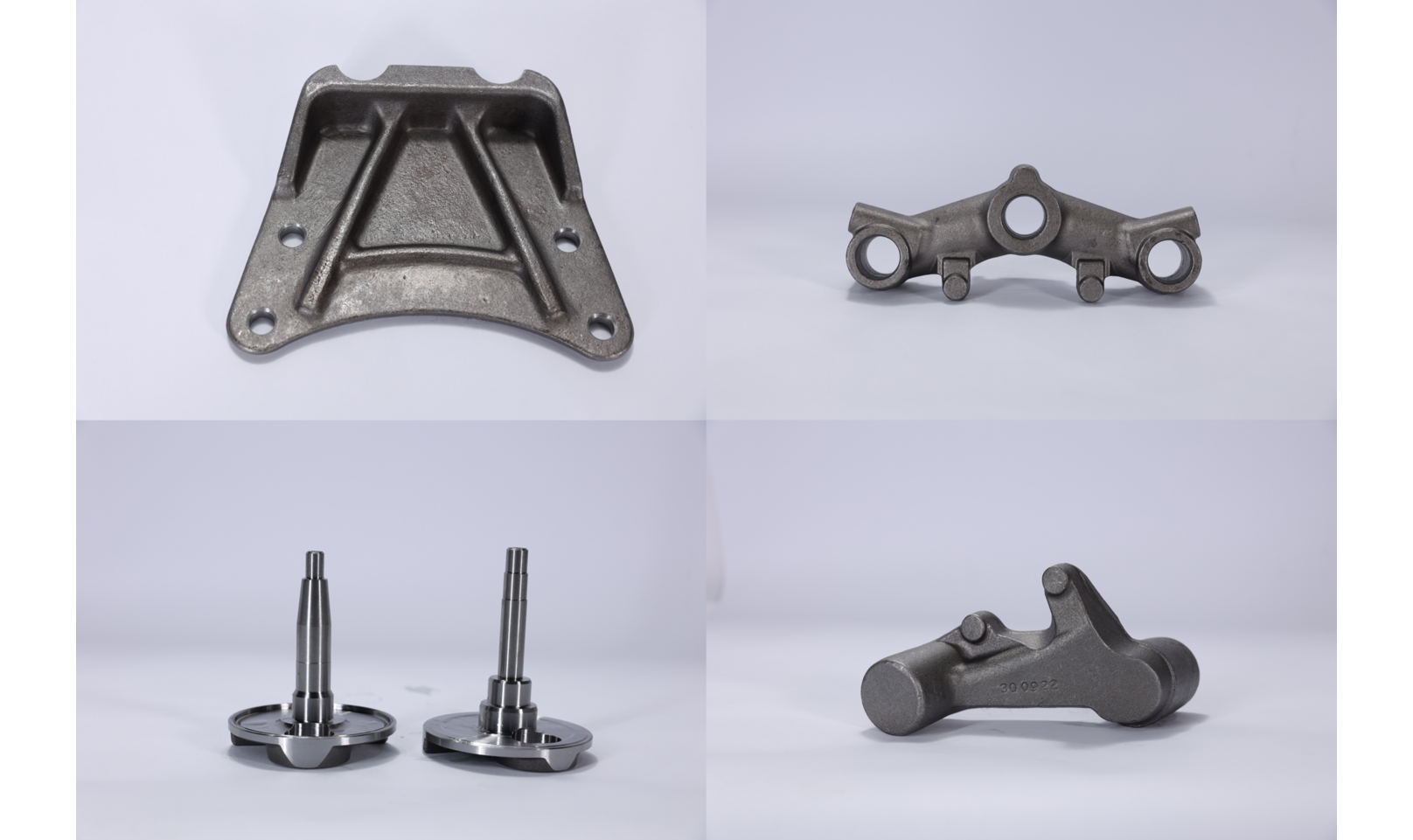
Hot forging is the optimal processing method for mechanical parts that require superior strength and precision. Here, we’ll clearly explain the differences between casting and hot forging.
■ Overview
Casting is suitable for complex shapes and mass production, while hot forging is ideal for parts that demand high mechanical strength, load-bearing capacity, and dimensional accuracy.
At DISOCO, we offer hot forging services with an annual capacity of up to 11,700 tons, using forging equipment ranging from 400T to 1600T, serving customers such as Honda, Piaggio, and many FDI partners.
■ When to choose forging instead of casting?
-For components requiring high strength, load-bearing, or fatigue resistance: such as crankshafts, connecting rods, and drive shafts. Forging increases metal density and reduces internal defects.
-For safety-critical or high-speed rotating components: such as parts in the drive system, brake, and steering mechanisms.
-When high precision and dimensional stability are required: Closed-die hot forging ensures precise shaping from the billet, minimizing dimensional variations between parts. This is particularly effective for rotating components such as shafts and gears, where concentricity and straightness tolerances are critical.
■ Practical applications of hot forging technology at DISOCO
-Motorcycle crankshafts: producing millions of parts annually, with technology transferred from Gohsyu Group (Japan).
-Drive gears (Z49), A-arms, tie rods: using materials such as SCM, S45C, S35C.
-Connecting rods and couplings: using 1000T–1600T presses for materials like S20CR, S48C.
Hot forging not only improves product quality but also reduces risks during use. DISOCO provides high-precision, high-volume hot forging solutions for both domestic and international clients.
At DISOCO, we use 1000-1600-ton presses combined with induction heating systems and automatic inspection equipment, enabling continuous production of millions of components with a consistent repeatability tolerance of ±0.05 mm. This process meets the stringent quality requirements of OEMs such as Honda, Piaggio, and Schaeffler.
■ For more details, please download the PDF or contact us directly.
PICKUP
Technology / Product Information
CONTACT
Inquiry