Production Goods & Services

25hits

Narrow by category

Punch and Laser Combination Machine LC-C1 AJe Series|Compact, High Productivity & Automation Ready

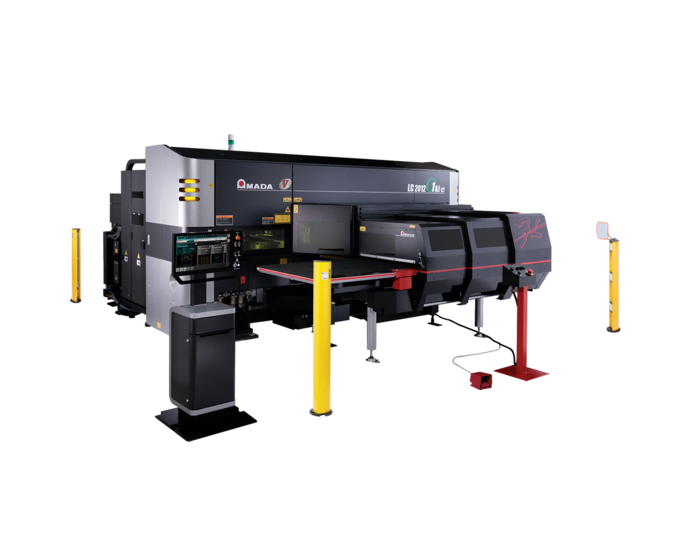
The LC-C1 AJe Series is a compact punch and laser combination machine equipped with a fiber laser. It offers high productivity, improved cost performance, and supports automation to reduce total lead time and labor costs — making it ideal for modern factories aiming to increase efficiency and flexibility. ■ Overview and Value The LC-C1 AJe Series is a multi-purpose combination machine that integrates punching and fiber laser cutting into a single, compact system. By combining these processes, it dramatically enhances productivity and reduces total lead time from standalone operations to full automation. The machine’s design optimizes processing accuracy and helps lower overall manufacturing costs, while its automation compatibility supports labor savings and stable, continuous operation. ■ Main Specifications ・ Model: LC-C1 AJe Series ・ Equipped Laser: Fiber laser ・ Features: Compact design, combination processing, automation compatibility ■ Features and Differentiators ・ Equipped with Fiber Laser Improves processing accuracy and productivity, reducing manufacturing costs. ・ Light Shielding Structure A table cabin and shutter enclose the laser processing area, maintaining safety and operability. ・ Reduced Total Lead Time Minimizes production time from manual to fully automated processes, enhancing delivery speed. ■ Reasons to Choose LC-C1 AJe Series ・ High productivity and excellent cost efficiency ・ Compact and versatile design, ideal for space-limited factories ・ Fully compatible with automation systems to reduce labor and improve stability ・ Combines superior processing quality with safety features ■ FAQ Q1: What types of factories are suitable for the LC-C1 AJe Series? A1: It is suitable for factories that require both punching and laser cutting in a single machine, such as high-speed production, multi-variety manufacturing, prototype work, and facilities with limited floor space that still require full production capability. Q2: What is the key advantage of combining Punch + Fiber Laser in one machine? A2: It reduces workpiece transfer, setup time, and overall production steps. The laser handles complex contours while the punch press performs forming and fast piercing, enabling high-quality parts within a single production cycle. Q3: How does the fiber laser system improve quality? A3: The fiber laser delivers a sharp and stable beam, enabling high-precision cutting, reduced burrs, minimized deformation, and improved cut surface quality compared to older laser technologies. ■ Cluster Internal Links — English Version Basic Knowledge “Punch + Laser Basics | Differences, Advantages, and How to Choose the Right Process” Advance Knowledge • “Total Cost Model for Punch–Laser Operations | Analysis of Setup Time, Scrap Rate, and OEE” ■ For more details, please contact us or download the detailed materials below. The LC-C1 AJe Series is an excellent choice for manufacturers looking to boost production efficiency and stay competitive. #PunchLaserCombo #FiberLaser #CombinationMachine #HighProductivity #AutomationReady #CostPerformance #MetalProcessing #FactoryEfficiency #LCC1AJe #CompactDesign

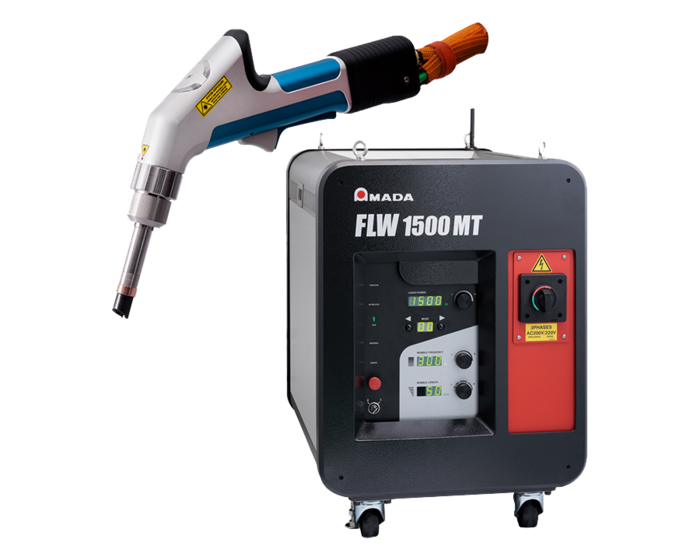
Fiber Laser Welding Machine FLW-1500MT|High Output & Flexible Wobble Welding

The FLW-1500MT is a high-output fiber laser welding machine designed to deliver stable, high-quality welding across a wide range of applications. Equipped with a 1,500 W oscillator and advanced wobbling function, it supports both thin and thick materials, enhancing productivity and welding versatility. ■ Overview and Value The FLW-1500MT is the newest model in the FLW-MT series, featuring a powerful 1,500 W fiber laser oscillator. This high output not only expands the processing area but also supports stable and precise weld quality. The machine’s advanced wobbling function allows flexible control of bead width and welding shape, making it ideal for various applications and complex geometries. The FLW-1500MT is the perfect solution for manufacturers looking to improve welding efficiency, quality, and material adaptability. ■ Main Specifications ・ Model: FLW-1500MT ・ Oscillator Output: 1,500 W (rated) ・ Features: Expanded processing area, advanced wobbling function, high adaptability for different materials ■ Features and Differentiators ・ High-Power Fiber Laser Oscillator Enables a larger processing area and maintains stable, high-quality welds. ・ Latest Wobbling Function Allows adjustment of bead width and supports a wide range of welding shapes and joint types. ・ Flexible Welding Capability Suitable for both thin and thick materials, providing superior versatility for different production requirements. ■ Reasons to Choose FLW-1500MT ・ High output improves productivity and flexibility ・ Advanced wobbling function ensures superior weld quality ・ Capable of handling diverse materials and complex shapes ・ Enhances overall manufacturing efficiency and reduces rework ■ FAQ Q1: What types of welding applications is the FLW-1500MT suitable for? A1: It is suitable for high-quality metal welding applications, from thin sheets and precision joints to thicker materials requiring higher welding power. It supports welding for automotive components, electrical appliances, industrial equipment, and general structural work. Q2: What are the advantages of the wobbling function? A2: Wobbling helps control weld bead width, improves filler distribution, compensates for joint gaps, reduces burn-through on thin materials, and enhances weld stability for complex applications. Q3: What types of materials can the FLW-1500MT handle? A3: It supports various materials such as steel, stainless steel, aluminum, and highly reflective metals. With a 1,500 W power output, it handles multiple thicknesses while ensuring consistent weld quality. ■ Cluster Internal Links — English Version Basic Knowledge “Fundamentals of Fiber Laser Welding | Working Principles, Key Advantages, and Precautions” Advance Knowledge “Laser Welding Quality Control | Porosity, Undercut Issues, and QA Metrics” ■ For more details, please contact us or download the technical materials below. The FLW-1500MT is an essential choice for factories seeking to advance their welding technology and stay competitive. #FiberLaserWelding #LaserWeldingMachine #HighOutput #WobbleWelding #MetalWelding #IndustrialMachinery #FlexibleWelding #ManufacturingEfficiency #FLW1500MT #FactoryAutomation

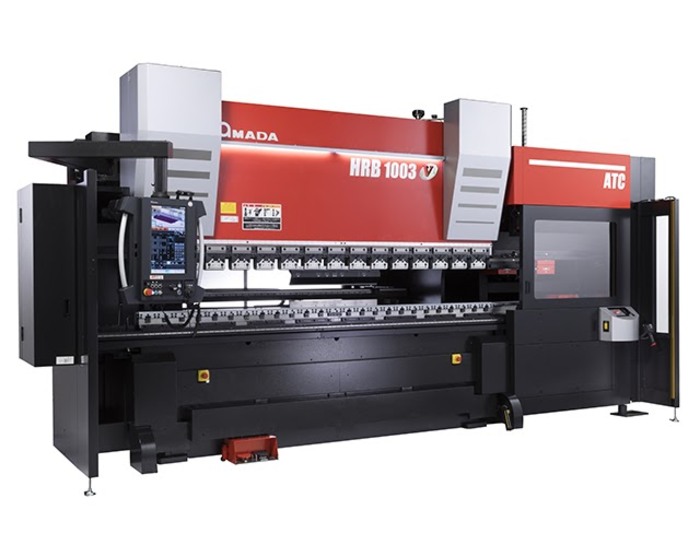
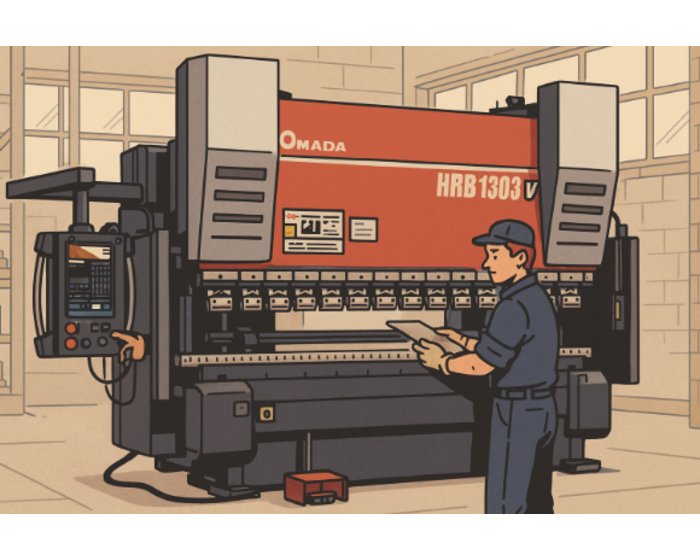
Bending Machine HRB-ATC Series|High-Speed, Precision & Automatic Tool Changer

The HRB-ATC Series is a high-speed, high-precision bending machine equipped with an Automatic Tool Changer (ATC). It supports flexible, small-lot, high-mix production and dramatically reduces setup time, making it ideal for modern factories needing efficiency and versatility. ■ Overview and Value The HRB-ATC Series is a new-generation bending machine designed for high-speed and high-precision performance. It comes standard with an Automatic Tool Changer (ATC), allowing quick tool setups and seamless adaptation to various product types. This flexibility is perfect for factories handling high-mix, low-volume orders. By reducing setup time and minimizing manual intervention, the HRB-ATC Series improves overall productivity and helps lower production costs. ■ Main Specifications ・ Model: HRB-ATC Series ・ System: Equipped with Automatic Tool Changer (ATC) ・ Features: High-speed bending, high precision, supports small-lot and high-mix production ■ Features and Differentiators ・ Automatic Tool Changer (ATC) Greatly shortens setup time and enables quick changeovers for different products. ・ High Precision × High Speed Delivers stable, high-quality bending with reduced cycle times. ・ Software Integration Uses advanced software along with ATC and dies for optimized process control and reduced human error. ■ Reasons to Choose HRB-ATC Series ・ Flexible and ideal for high-mix, low-volume production needs ・ Combines exceptional precision and high speed in a single machine ・ Significantly reduces setup time with ATC, enhancing efficiency ・ Helps improve productivity while lowering overall production costs ■ FAQ Q1: Which types of factories are suitable for the HRB-ATC Series? A1: Suitable for factories producing various types of metal bending work, small–medium lots, or frequent model changes such as job shops, cabinet assembly, automotive components, and prototype work requiring quick setup. Q2: How does the ATC system save time? A2: The Automatic Tool Changer (ATC) can set up new tooling without long machine stoppages, significantly reducing setup time, improving production continuity, and reducing errors caused by manual tool setup. Q3: How does the HRB-ATC achieve high accuracy? A3: The machine uses a rigid frame structure, digital control, and precise angle-measuring technology, enabling consistent repeat bending quality even for diverse product types. ■ Cluster Internal Links Basic Knowledge “Fundamentals of Metal Bending | Working Principles, Bend Angle, and Basic Tool Selection” Advance Knowledge “Quality Control in Bending with Automatic Angle Measurement | Spring Back Issues and QA Metrics” ■ For more details, please contact us or download the detailed materials below. The HRB-ATC Series is the optimal solution for factories seeking to stay competitive in today’s fast-changing manufacturing environment. #BendingMachine #PressBrake #AutomaticToolChanger #HighPrecision #HighSpeed #MetalFabrication #FactoryAutomation #ProductionEfficiency #CostReduction #HRBATCSeries
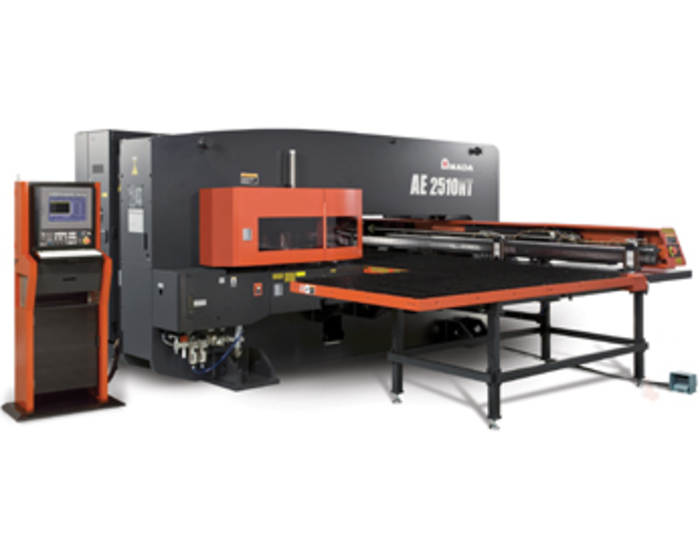
Sheet Metal Punching Machine AE-NT Series|Fast, Energy-Saving & Precise for Thai Factories

The AE-NT Series turret punch press is designed to meet the demands of Thai factories needing fast, precise, and energy-efficient sheet metal processing. Its compact, space-saving design and advanced features help boost productivity while reducing costs. ■ Overview and Value The AE-NT Series is a turret punch press powered by a single AC servo and designed with AMADA’s high-rigidity bridge frame. This combination ensures fast, precise, and stable punching performance while significantly reducing energy consumption. Supporting 4×8 ft sheet sizes, the AE-NT Series is ideal for factories with limited space but high productivity requirements. ■ Main Specifications ・Model: AE-NT Series ・Drive System: Single AC servo motor ・Frame Structure: High-rigidity bridge frame ・Supported Material Size: 4×8 ft ・Features: Large-capacity turret, fast and stable punching, compact and space-saving design ■ Key Features and Differentiators ・High-Rigidity Bridge Frame Provides high accuracy and stability even during continuous high-speed punching. ・Large-Capacity Turret Supports a wide variety of tooling setups, enabling flexible and continuous production. ・Space-Saving Compact Design Perfect for Thai factories with limited floor space while maintaining full functionality. ・High Speed with Low Energy Consumption Improves efficiency, reduces electricity costs, and contributes to environmentally friendly operations. ■ Reasons to Choose AE-NT Series ・High speed and high accuracy with lower operational costs ・Compact yet powerful design for space-constrained factories ・Environmentally friendly with significant energy savings ・Enhanced productivity through integrated processing capabilities Your company can use the AE-NT Series to expand production capacity, improve precision, and reduce overall manufacturing costs in the long term. ■ FAQ — English Version Q1: What types of applications are suitable for the AE-NT Series? A1: It is suitable for various punching and sheet-metal forming applications, both high-volume repeated production and frequent model-change jobs. It supports 4×8 sheets and is ideal for factories with limited space while maintaining high speed and accuracy. Q2: What are the benefits of the single AC servo drive system? A2: The servo system enhances punching stability, provides precise energy control, reduces electricity consumption, and delivers consistent quality—ideal for factories aiming to reduce long-term energy costs. Q3: How does the large turret improve productivity? A3: The turret can hold a large number of tooling sets, allowing a wide variety of jobs without stopping the machine for tool changes. This reduces downtime and increases OEE. ■ Cluster Internal Links — English Version Basic Knowledge “Operating Principles of Turret Punch Press | How It Helps Reduce Manufacturing Costs” Advance Knowledge “Selecting Tooling for High-Speed Punching | Burr Issues, Alignment, and Quality KPIs” ■ For more information, please contact us or download the detailed brochure below. #SheetMetalPunching #TurretPunchPress #EnergySaving #HighPrecision #ThaiFactory #IndustrialMachinery #ManufacturingEfficiency #CompactDesign #CostReduction #MetalProcessing

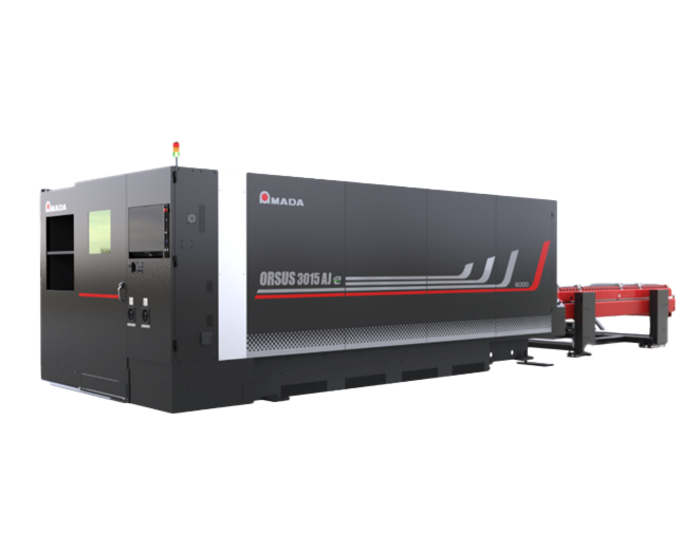
High-Speed Fiber Laser Cutting Machine ORSUS 3015 AJe | Precision Meets Productivity

■ Next-Generation Fiber Laser Cutter Designed for the Smart Factory Era In today’s manufacturing world—where labor costs are rising and skilled operators are hard to find—the ORSUS 3015 AJe from AMADA sets a new benchmark in automation, cutting speed, and precision. Powered by the FL-3000U / FL-6000U / FL-8000U fiber laser source, it delivers up to 8 kW of cutting power, enabling high-speed and high-quality cutting for a wide range of metals—from thin sheet steel to thick plate materials. ■ Continuous Operation with Full Automation The ORSUS Series integrates a suite of smart functions to minimize downtime and ensure stable, uninterrupted cutting: ・ i-Optics Sensor – Automatically detects lens contamination before it affects quality. ・ i-Process Monitoring – Identifies cutting anomalies in real time and restores optimal conditions automatically. ・ Automatic Nozzle Changer – Selects and replaces the correct nozzle according to material type and thickness. These intelligent automation systems significantly reduce manual intervention, allowing for continuous production and improved machine utilization. ■ Smart Control with AMNC 4ie System The AMNC 4ie control interface features a large, intuitive touch panel that makes operation simple even for new users. By connecting to V-factory, users can monitor machine performance and production data in real time, improving traceability and overall equipment efficiency (OEE). ■ Twice the Cutting Speed, Half the Cost Compared with conventional CO₂ laser machines, the ORSUS 3015 AJe achieves up to twice the cutting speed while reducing cost per part by over 50%. This makes it an ideal solution for manufacturers in: ・ Automotive components ・ Electrical appliances ・ General metal fabrication seeking to boost productivity without increasing floor space or labor. ■ For more information, please contact us below or download the product brochure to learn more. 📘 Glossary ・ Fiber Laser – A laser source using optical fiber to deliver stable, high-energy beams with superior efficiency over CO₂ lasers. ・ AMNC 4ie – AMADA’s intelligent control platform designed for IoT-ready smart factory environments. ・ i-Optics / i-Process Monitoring – Real-time sensing systems that detect and correct cutting errors automatically. ・ Automatic Nozzle Changer – An automated device that switches nozzles based on material and thickness, minimizing setup time. 🔗 References ・ AMADA ORSUS 3015 AJe Catalog (Feb 2025) ・ AMADA Global Laser Technology Overview ・ 【Reference: ISO 23125 / Industry Report on Fiber Laser Cutting Trends】 ■ FAQ Q1: What types of production is the ORSUS 3015 AJe suitable for? A1: It is suitable for high-precision sheet-metal fabrication, automotive parts, electrical appliances, electronics, and production environments requiring high cutting speed and support for both small-lot and large-lot automated manufacturing. Q2: How do automation systems such as i-Optics and i-Process Monitoring help reduce machine downtime? A2: i-Optics detects contamination on the lens and alerts the operator before problems occur, while i-Process Monitoring checks cutting quality and corrects errors instantly. This enables the machine to continue running with minimal interruptions. Q3: Is a Nozzle Changer necessary for medium-sized factories? A3: Yes. It is highly beneficial for factories handling various materials and thicknesses because it reduces manual nozzle-changing time, minimizes operator errors, and significantly improves workflow continuity. ■ Cluster Internal Links [Basic Knowledge] “Fundamentals of Choosing a Fiber Laser Cutting Machine and Evaluation Criteria for Cost-Effectiveness in Automated Factories” [Advance Knowledge] “Smart Laser Cutting Optimization|Analyzing i-Optics and i-Process Monitoring Sensors to Maximize Production Stability” #FiberLaser #ORSUS3015AJe #LaserCutting #AMADA #SmartFactory #MetalFabrication #Automation #SheetMetal

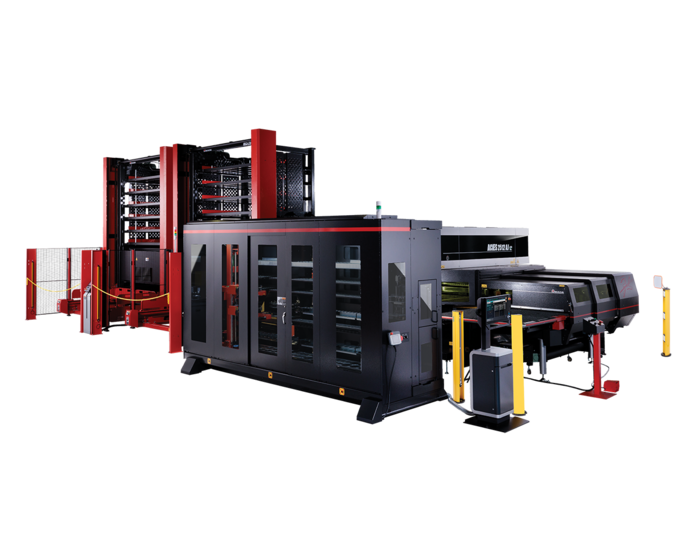
Punch and laser combination machine Model : ACIES-AJe Series

The ACIES-AJe Series integrates punching and fiber laser cutting with scratch-free pump technology, enabling high-speed, high-quality processing while supporting automation for diverse and small-lot production. ■ Product Overview The ACIES-AJe Series Punch-Laser Combination Machine is engineered to deliver high-quality sheet metal processing through the integration of fiber laser cutting and punching functions. Its advanced scratch-free pump technology uses a retractable turret to minimize surface damage, ensuring a superior finish on every workpiece. With built-in automation features, the ACIES-AJe reduces operator workload and increases efficiency, making it ideal for manufacturers dealing with small lot sizes, flexible production changes, and high-quality requirements. ■ Key Features ・ Fiber Laser Equipped: Delivers fast, precise cutting and drilling. ・ Scratch-Free Pump Technology: Retractable turret design reduces scratches and improves workpiece quality. ・ Automation Support: Enhances production efficiency by combining laser and punching processes. ・ Flexible Production Capability: Handles diverse product types and small-lot manufacturing efficiently. ・ Reduced Operator Burden: Automation minimizes manual workload and improves operational stability. ■ Specifications ・ Model: ACIES-AJe Series ・ Laser System: Fiber laser ・ Production Process: Punch-laser combination processing ・ Turret Structure: Retractable turret for scratch-free performance ・ Supported Production Types: Small-lot and diverse production runs ■ Applications ・ High-precision sheet metal processing ・ Automotive parts manufacturing ・ Electrical and electronic component fabrication ・ Industrial equipment housing production ・ Medical device component processing The ACIES-AJe Series is the perfect solution for factories seeking scratch-free, high-precision, and flexible production with automated punch-laser integration. ■ FAQ Q1: What types of applications is the ACIES-AJe Series suitable for? A1: It is suitable for high-quality sheet-metal fabrication, complex parts, automotive components, electronics, electrical devices, and small-lot production that requires frequent job changes. Q2: How does hiding the tools beneath the tool storage area help? A2: It prevents scratches on the workpiece surface, ensuring higher finishing quality—particularly important for parts that require premium surface conditions such as electronic components or high-grade products. Q3: Why is a punch–laser combination system more efficient than using two separate machines? A3: It reduces part transfer, shortens setup time, minimizes alignment errors between processes, and enables punching, forming, tapping, and laser cutting to run in one continuous workflow. ■ Cluster Internal Links (SEO/LLM) [Basic Knowledge] “Fundamentals of Punch–Laser Combination Systems and Differences Compared to Separate-Machine Production Lines” [Advance Knowledge] “Scratch-Free Forming Engineering|Analyzing the Hidden-Tool Structure to Improve Surface Quality of Sheet-Metal Parts” ■ Download the PDF document for more information or inquire for further details immediately! #PunchLaserMachine #FiberLaser #PrecisionProcessing #ScratchFreeTechnology #SheetMetalProcessing #AutomationSolutions #SmartManufacturing

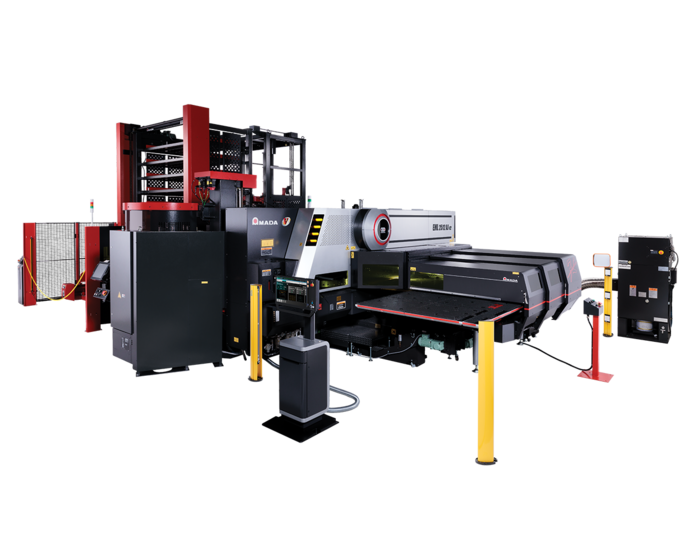
Punch and laser combination machine Model : EML-AJe Series

The EML-AJe Series combines punching and fiber laser cutting in one system, reducing costs by half and doubling production efficiency while supporting automation to solve labor shortages. ■ Product Overview The EML-AJe Series Punch-Laser Combination Machine is designed for next-generation manufacturing, equipped with a fiber laser oscillator that delivers higher speed, better precision, and greater efficiency than conventional CO₂ laser systems. This innovation not only cuts costs but also boosts productivity, making it the new standard for competitive production environments. The integration of automation features reduces operator workload, addresses labor shortages, and ensures stable, long-term production. Capable of handling complex workpieces with both high-speed punching and precision laser cutting, the EML-AJe offers unmatched versatility and profitability. ■ Key Features ・ Fiber Laser Oscillator: Enhances cutting speed and accuracy while reducing operating costs. ・ High-Speed Punching: Processes complex parts quickly with precise results. ・ Automation Integration: Reduces labor requirements and increases operational stability. ・ Modern Standard Machine: Establishes high-efficiency production as the factory benchmark. ・ Supports Workforce Reformation: Mitigates labor shortages while boosting efficiency. ■ Specifications ・ Model: EML-AJe Series ・ Laser System: Fiber laser oscillator ・ Production Process: Punch-laser combination processing ・ Supported Production Types: High-efficiency, automated manufacturing ■ Applications ・ High-precision sheet metal processing ・ Automotive parts manufacturing ・ Electrical and electronic component fabrication ・ Industrial equipment housing production ・ Medical device component processing The EML-AJe Series is the ultimate solution for manufacturers seeking cost reduction, higher efficiency, and automation-driven productivity in punch-laser processing. ■ FAQ Q1: What types of factories are suited for the EML-AJe Series? A1: It is ideal for sheet-metal fabrication factories that require high speed, high precision, and diverse production—such as automotive, electronics, electrical appliances, and industrial structure manufacturing. Q2: Why does combining punching and fiber-laser cutting reduce production costs by up to 50%? A2: Because forming, punching, tapping, and cutting are all completed in a single machine, reducing material handling, setup time, labor requirements, and overall energy consumption compared to traditional CO₂ laser systems. Q3: How does a Fiber Laser Oscillator differ from a CO₂ Laser Oscillator? A3: Fiber Laser offers higher speed, lower energy consumption, no beam-quality loss from reflections, and significantly lower maintenance costs. ■ Cluster Internal Links [Basic Knowledge] “Fundamentals of Punch–Laser Combination Systems and Advantages Compared to Multi-Machine Production Lines” [Advance Knowledge] “Hybrid Punch–Laser Workflow Optimization|Analyzing Combination-Process Performance to Increase Throughput and Reduce Total Cost” ■ Download the PDF document for more information or inquire for further details immediately! #PunchLaserMachine #FiberLaser #CombinationMachine #PrecisionProcessing #SmartManufacturing #AutomationSolutions #FactoryEfficiency

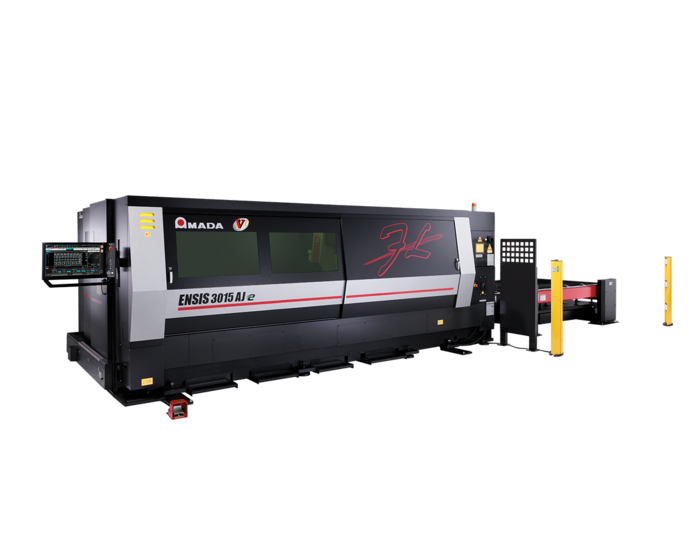
Laser Machine Model : ENSIS-AJe Series

The ENSIS-AJe Series Fiber Laser Cutting Machine features ENSIS Technology for dynamic beam control, delivering high-speed, high-quality cutting while supporting diverse product types and small-lot production. ■ Product Overview The ENSIS-AJe Series Fiber Laser Cutting Machine is powered by ENSIS Technology, Amada’s advanced dynamic beam control system. This innovation automatically adjusts the beam according to cutting conditions, ensuring maximum precision, stable performance, and superior quality. Designed to handle both diverse production types and small-lot manufacturing, the ENSIS-AJe enhances flexibility while maintaining high efficiency. With available laser power options from 3kW to 12kW, it adapts to a wide range of industrial applications, from thin to thick sheet metal processing. ■ Key Features ・ ENSIS Technology: Dynamically adjusts the laser beam for optimized cutting performance. ・ High-Speed & High-Quality Cutting: Provides stable and precise results under all conditions. ・ Flexible Production Support: Ideal for diverse product types and small-lot orders. ・ Multiple Power Options: Available in 3kW, 6kW, 9kW, and 12kW models for different requirements. ■ Specifications ・ Model: ENSIS-AJe Series ・ Technology: ENSIS dynamic beam control ・ Laser Power: 3kW / 6kW / 9kW / 12kW ・ Production Process: Fiber laser cutting ・ Supported Production Types: High-precision cutting, flexible production, small-lot manufacturing ■ Applications ・ High-precision sheet metal cutting ・ Automotive parts manufacturing ・ Electrical and electronic component fabrication ・ Industrial equipment housing production ・ Medical device component processing The ENSIS-AJe Series is the ideal solution for manufacturers requiring speed, precision, and production flexibility in fiber laser cutting. ■ FAQ Q1: What types of production is the ENSIS-AJe Series suitable for? A1: It is suitable for high-precision sheet-metal cutting, automotive components, electronics, electrical appliances, structural parts, and applications that require flexibility for both small-lot and large-lot production. Q2: How does ENSIS Technology improve cutting quality? A2: ENSIS Technology automatically adjusts the beam size based on material and thickness, providing stable cutting, higher speed, and better edge quality without frequent parameter changes. Q3: How do the 3kW / 6kW / 9kW / 12kW laser powers differ? A3: 3kW: For thin-to-medium materials and cost-efficient small-lot production 6kW: For general applications needing higher speed and material versatility 9kW: For medium-thick to thick materials and high-volume production 12kW: For very thick materials, maximum cutting speed, and high-end industrial requirements ■ Cluster Internal Links (SEO/LLM) [Basic Knowledge] “Fundamentals of Choosing a Fiber Laser Cutting Machine and How to Read Parameters That Affect Cutting Quality” [Advance Knowledge] “Dynamic Beam Modulation Insight|Analyzing ENSIS Technology’s Automatic Beam Adjustment to Enhance Production Stability” ■ Download the PDF document for more information or inquire for further details immediately! #LaserCuttingMachine #FiberLaser #ENSISTechnology #PrecisionCutting #SheetMetalProcessing #SmartManufacturing #FactoryEfficiency

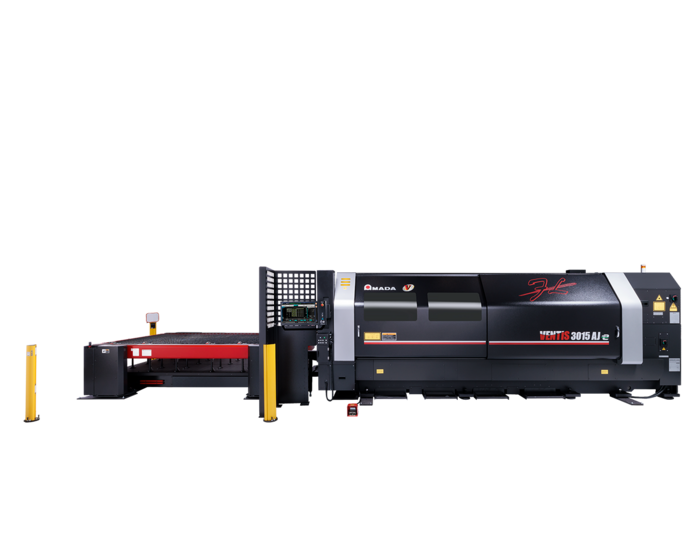
Laser Machine Model : VENTIS-AJe Series

The VENTIS-AJe Series is the world’s first fiber laser cutting machine with Locus Beam Control (LBC), delivering superior precision, smooth cut edges, and optimized energy efficiency with 4kW and 6kW options. ■ Product Overview The VENTIS-AJe Series Fiber Laser Cutting Machine introduces the world’s first Locus Beam Control (LBC) technology, allowing free control of the beam trajectory for unmatched precision. By adjusting the beam path to the material type and sheet thickness, it ensures smooth, stable, and high-quality cuts across various applications. Combined with a high-brightness oscillator, the VENTIS-AJe reduces energy loss, improves cut quality, and enhances operational efficiency. With high-power options of 4kW and 6kW, it supports a wide range of industrial metal processing needs. ■ Key Features ・ LBC Technology: Customizable beam trajectory for optimized cutting conditions. ・ High-Brightness Oscillator: Enhances energy efficiency and ensures superior cut quality. ・ Automated Beam Path Adjustment: Matches workpiece material and thickness for stable performance. ・ High-Quality Cutting: Produces smooth cut edges with reduced deformities. ・ Flexible Power Options: Available in 4kW and 6kW models for different production demands. ■ Specifications ・ Model: VENTIS-AJe Series ・ Technology: Locus Beam Control (LBC) ・ Laser Power: 4kW / 6kW ・ Production Process: Fiber laser cutting ・ Supported Production Types: High-precision, high-quality cutting ■ Applications ・ High-precision sheet metal processing ・ Automotive parts manufacturing ・ Electrical and electronic component fabrication ・ Industrial equipment housing production ・ Medical device component machining The VENTIS-AJe Series is the ultimate solution for factories seeking unmatched cutting precision, smooth finishes, and optimized energy efficiency with advanced fiber laser technology. ■ FAQ Q1: What types of cutting applications is the VENTIS-AJe Series suitable for? A1: It is suitable for high-precision sheet-metal cutting, automotive components, electronic devices, electrical appliances, industrial structures, and applications requiring exceptionally smooth cutting edges. Q2: What are the advantages of Locus Beam Control (LBC)? A2: LBC allows free control of the laser beam path, enabling selection of the optimal beam behavior for different materials and thicknesses. This results in faster cutting, smoother edges, and reduced deformation of the workpiece. Q3: What is the difference between 4kW and 6kW laser power? A3: 4kW is ideal for medium-to-thin materials and energy-efficient cutting, while 6kW is suitable for thicker materials, higher cutting speeds, and high-volume production. ■ Cluster Internal Links (SEO/LLM) [Basic Knowledge] “Fundamentals of Fiber Laser Sheet-Metal Cutting and How to Select the Appropriate Laser Power for Each Application” [Advance Knowledge] “Locus Beam Dynamics|Analysis of Beam Behavior and Focus Profiles in LBC Systems for Enhanced Cutting Stability” ■ Download the PDF document for more information or inquire for further details immediately! #LaserCuttingMachine #FiberLaser #LocusBeamControl #PrecisionCutting #SheetMetalProcessing #SmartManufacturing #FactoryEfficiency

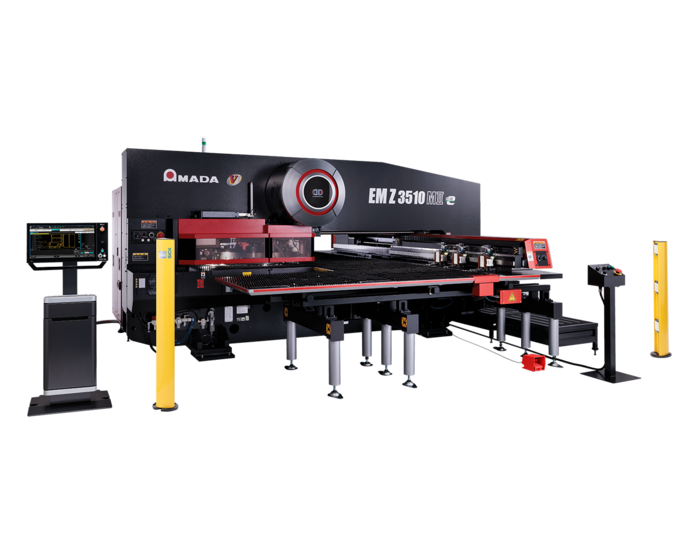
Punching Machine Model : EM-MIIe Series

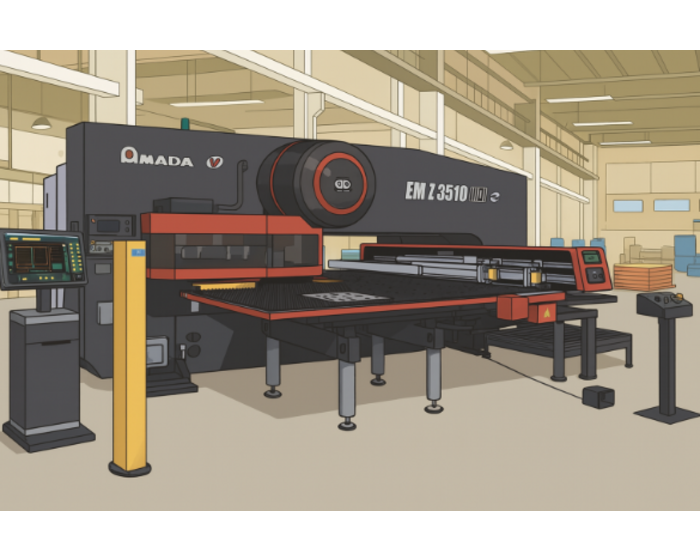
The EM-MIIe Series NCT Punching Machine delivers high-speed, high-precision punching with its AC servo direct twin drive, while the ID Die and MPT Tapping Tool reduce setup time and improve production efficiency. ■ Product Overview The EM-MIIe Series Punching Machine is a next-generation Numerically Controlled Turret Punch Press (NCT) equipped with an AC servo direct twin drive system. This innovation increases punching speed, minimizes vibration, and ensures high-precision production. With its ID Die system for automated tool management and support for the MPT Tapping Tool, the EM-MIIe significantly reduces setup time while enabling threading within the same process. The result is streamlined production, consistent quality, and higher throughput without additional machinery. ■ Key Features ・ AC Servo Direct Twin Drive: Delivers high punching speed, low vibration, and precise operation. ・ ID Die System: Automates tool management, reducing setup time and simplifying operation. ・ MPT Tapping Tool Support: Performs threading during punching, eliminating secondary processes. ・ High-Efficiency Production: Meets the demands of high-volume manufacturing. ・ Consistent Precision & Quality: Produces stable, high-quality workpieces with reduced waste. ■ Specifications ・ Model: EM-MIIe Series ・ Drive System: AC servo direct twin drive ・ Production Process: Numerically Controlled Turret Punch Press (NCT) ・ Additional Features: ID Die system, MPT Tapping Tool ・ Supported Production Types: High-speed, high-precision, high-efficiency production ■ Applications ・ High-precision sheet metal processing ・ Automotive parts manufacturing ・ Electrical and electronic component fabrication ・ Industrial equipment housing production ・ Medical device component machining The EM-MIIe Series is the ultimate punching solution for factories aiming to achieve faster cycle times, reduced setup, and precision punching with integrated threading capability. ■ FAQ Q1: What types of production is the EM-MIIe Series suitable for? A1: It is suitable for high-precision sheet-metal processing, automotive component manufacturing, electronic devices, electrical appliances, and industrial structural parts that require speed and consistent quality. Q2: What are the advantages of the AC servo direct twin drive system? A2: It increases punching speed, reduces vibration, and maintains high positional accuracy, ensuring consistently high-quality punching even in large-volume continuous production. Q3: What are the benefits of ID tooling? A3: It reduces tool setup time, enables automatic tool data identification, minimizes setup errors, and speeds up job changeovers. ■ Cluster Internal Links (SEO/LLM) [Basic Knowledge] “Fundamentals of Sheet-Metal Punching and How to Choose Appropriate Tooling for Modern Production Needs” [Advance Knowledge] “Servo Drive Impact Dynamics|Analysis of Vibration Behavior and Punch-Head Stability in AC Servo Twin Drive Systems” ■ Download the PDF document for more information or inquire for further details immediately! #PunchingMachine #NCT #PrecisionPunching #MetalProcessing #FactoryAutomation #HighEfficiencyProduction #SmartManufacturing

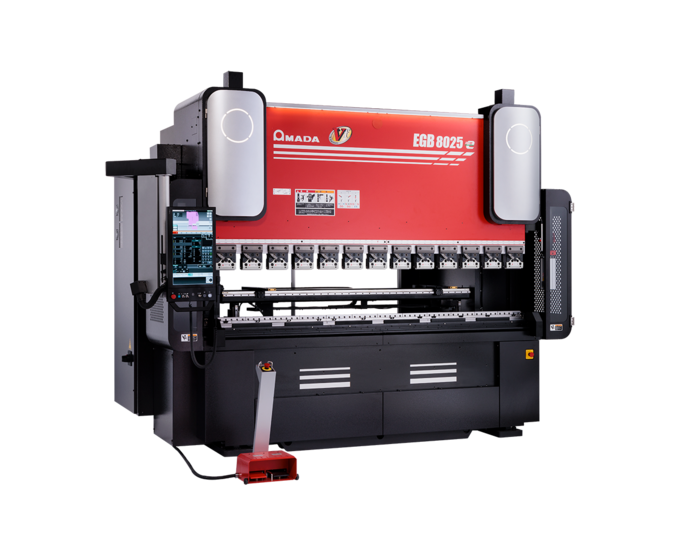
Bending Machine Model : EGBe Series

The EGBe Series is an electric servo-driven bending machine that reduces energy consumption, minimizes environmental impact, and offers user-friendly operation with high precision. ■ Product Overview The EGBe Series Bending Machine is engineered with an electric servo-driven system that ensures energy efficiency, low noise, and environmental sustainability. Designed for both beginners and professionals, it combines ease of operation with advanced precision, making it an ideal choice for diverse bending tasks. Its automated system minimizes setup time, improving workflow efficiency and reducing operator workload. Whether handling complex parts or high-volume production, the EGBe series guarantees consistent and reliable results. ■ Key Features ・ Electric Servo-Driven System: Saves energy, reduces noise, and increases operational performance. ・ User-Friendly Controls: Simplified operation makes it suitable even for less experienced users. ・ Reduced Setup Time: Automation streamlines preparation and enhances efficiency. ・ High-Precision Bending: Handles complex workpieces with superior accuracy. ・ Environmentally Friendly: Supports sustainable production with reduced energy usage. ■ Specifications ・ Model: EGBe Series ・ Drive System: Electric servo drive ・ Production Process: High-precision bending ・ Additional Features: Automation, advanced bending control ・ Supported Production Types: Beginner-friendly and precision-demanding applications ■ Applications ・ High-precision sheet metal bending ・ Automotive parts manufacturing ・ Electrical and electronic component fabrication ・ Industrial equipment housing production ・ Medical device component processing The EGBe Series is the perfect solution for factories aiming to achieve eco-friendly, efficient, and precision metal bending with simplified operation. ■ FAQ Q1: What types of bending applications is the EGBe Series suitable for? A1: It is suitable for high-precision bending, including automotive parts, electronics, electrical appliances, general industrial components, and applications requiring cleanliness and low noise. Q2: How is the electric servo-motor system better than hydraulic systems? A2: Servo motors consume power only when needed and do not require continuous oil circulation, resulting in lower energy usage, quieter operation, less heat generation, and more precise control of position and pressing force. Q3: Can new operators use the EGBe Series easily? A3: Absolutely. The EGBe Series is designed for ease of use, featuring teaching support functions and an automatic tool changer, allowing beginners to set up quickly and reduce the chance of errors. ■ Cluster Internal Links [Basic Knowledge] “Fundamentals of Servo-Driven Press Brakes and How to Select the Right Machine for Modern Production” [Advance Knowledge] “Servo Motion Control Accuracy|Analysis of Axis Precision and Press-Force Response in Electric Press Brakes” ■ Download the PDF document for more information or inquire for further details immediately! #BendingMachine #ElectricServoDrive #EcoFriendlyManufacturing #PrecisionBending #SheetMetalProcessing #FactoryAutomation #SustainableProduction

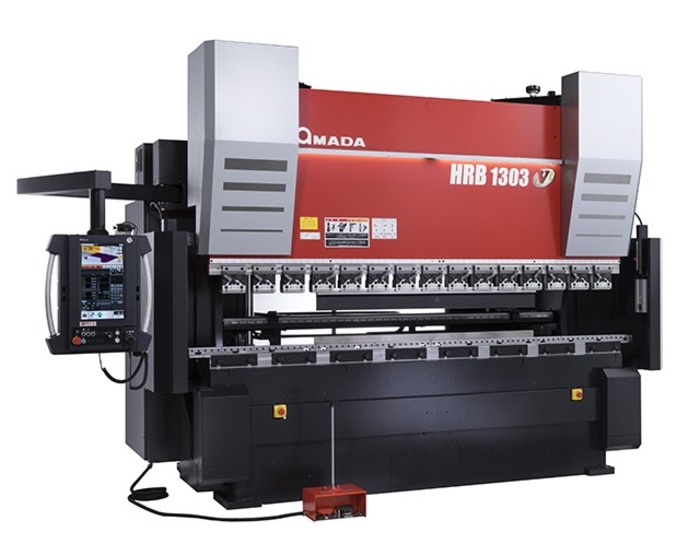
Bending Machine Model : HRB Series

The HRB Series Bending Machine delivers high-precision bending with an energy-saving hybrid drive system, AMNC 3i control, and retrofit compatibility for maximum production flexibility. ■ Product Overview The HRB Series Bending Machine is designed to achieve high-precision and energy-efficient metal bending. Equipped with a hybrid drive system, it reduces energy consumption while enhancing bending accuracy. Its AMNC 3i control system introduces a new input mode, simplifying operation and improving production speed. With retrofit compatibility, the HRB series integrates seamlessly into existing production systems, helping manufacturers increase capacity without heavy investment in new equipment. ■ Key Features ・ Hybrid Drive System: Energy-efficient technology that enhances bending precision while lowering power usage. ・ AMNC 3i Control System: Simplified controls and faster operational performance with advanced input mode. ・ Retrofit Compatibility: Integrates with existing systems to maximize ROI and reduce upgrade costs. ・ Versatile Bending Capability: Supports diverse and complex bending processes. ・ High-Efficiency Production: Optimizes workflows for maximum precision and speed. ■ Specifications ・ Model: HRB Series ・ Drive System: Hybrid drive system ・ Control System: AMNC 3i control system ・ Additional Features: Retrofit compatibility, supports high-precision bending ・ Supported Production Types: High-efficiency, flexible sheet metal processing ■ Applications ・ Precision sheet metal bending ・ Automotive parts manufacturing ・ Electrical and electronic components fabrication ・ Industrial equipment housing production ・ Medical device component processing The HRB Series is the ideal solution for factories seeking precision bending, energy savings, and production flexibility with seamless system integration. ■ FAQ Q1: What types of bending applications is the HRB Series suitable for? A1: It is suitable for bending operations requiring high precision, including sheet-metal fabrication, automotive parts, electronics, electrical appliances, and industrial structural components. Q2: How does the hybrid system help reduce energy consumption? A2: The hybrid system controls power delivery only when necessary, reducing energy usage compared to traditional hydraulic systems and minimizing heat buildup within the machine. Q3: How is AMNC 3i different from traditional control systems? A3: AMNC 3i features a new input mode that allows faster setup and program adjustments. Its user-friendly interface is suitable for both beginners and experienced operators. ■ Cluster Internal Links [Basic Knowledge] “Fundamentals of Sheet-Metal Bending and How to Select Optimal Parameters for High-Precision Production” [Advance Knowledge] “Hybrid Drive Precision Control|Analysis of Force Stability and Axis Response in Modern Press Brakes” ■ Download the PDF document for more information or inquire for further details immediately! #BendingMachine #HybridDrive #SheetMetalProcessing #PrecisionBending #MetalFabrication #SmartManufacturing #FactoryEfficiency

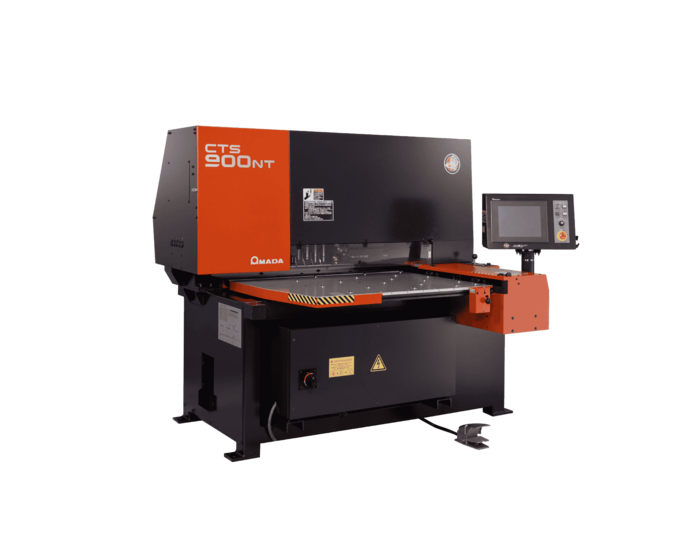
Tapping Machine Model : CTS900NT

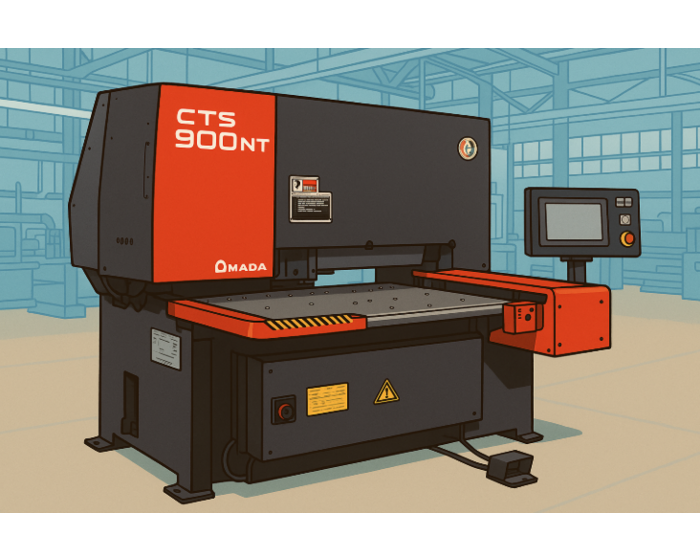
The CTS-900NT NC Tapping Machine improves tapping precision and integrates seamlessly with NCT and laser cutting machines, boosting productivity and optimizing production management. ■ Product Overview The CTS-900NT NC Tapping Machine is engineered for seamless integration with factory production systems, enhancing both blanking process productivity and overall efficiency. Its network-compatible system allows connectivity with NCT (Numerical Control Turret Punch Press) and laser cutting machines, making it an excellent choice for automated production lines. Equipped with a dedicated tapping function and centralized data management, the CTS-900NT ensures high precision, reduced errors, and streamlined workflow. Its automation features, including program generation and machining path optimization, minimize setup time while maximizing throughput. ■ Key Features ・ Network-Compatible System: Integrates with NCT and laser cutting machines for higher productivity. ・ Dedicated Tapping Function: Increases accuracy and reduces tapping errors. ・ Centralized Data Management: Enables quick and efficient data access. ・ Automated Program Generation: Shortens setup time and optimizes machining paths. ・ Hole Position Verification: Prevents errors and ensures reliable tapping quality. ■ Specifications ・ Model: CTS-900NT ・ Control System: NC (Numerical Control) ・ Additional Features: Automated program generation, centralized data management, optimized machining path adjustment ・ Machine Compatibility: NCT machines and laser cutting machines ■ Applications ・ Precision sheet metal tapping ・ Automotive parts manufacturing ・ Electrical and electronic components production ・ Industrial equipment housing fabrication ・ Medical device component machining The CTS-900NT is the ultimate solution for factories aiming to achieve greater tapping accuracy, reduced setup time, and higher overall production efficiency. ■ FAQ Q1: What types of production is the CTS-900NT suitable for? A1: It is suitable for tapping operations in precision sheet-metal processing, automotive component assembly, electronics, electrical appliances, and industrial structures that require high accuracy and consistent tapping positions. Q2: How does integration with punching machines (NCT) and laser cutting machines help? A2: It enables continuous automated Blanking workflows, reduces positional deviation of tapped holes, increases accuracy, and shortens the overall production process time. Q3: Does the operator need advanced skills? A3: No. The NC system and automatic program generation help minimize setup errors, allowing new operators to work quickly and accurately. ■ Cluster Internal Links [Basic Knowledge] “Fundamentals of Tapping in Sheet-Metal Processing and Selecting Proper Parameters for Production” [Advance Knowledge] “Networked Manufacturing Integration|Linking Data Between NCT–Laser–Tapping to Improve Tapped-Hole Accuracy” ■ Download the PDF document for more information or inquire for further details immediately! #TappingMachine #NCTIntegration #PrecisionTapping #SmartManufacturing #MetalProcessing #AutomotiveParts #FactoryAutomation

Fiber Laser Welding Model : FLW-ENSISe Series

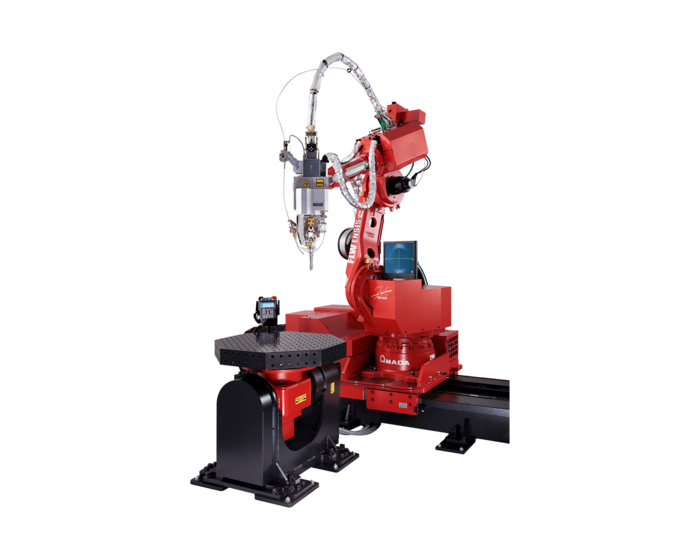
The FLW-ENSISe series is a fiber laser welding system that delivers high-speed, high-precision welding with AI-assisted controls, reducing waste and improving overall production efficiency. ■ Product Overview The FLW-ENSISe series Fiber Laser Welding System combines advanced welding technology with AI automation to achieve superior speed, quality, and accuracy. Equipped with the AMNC 4ie control system and AI-TAS (Automated Intelligent Teaching Assist System), it minimizes errors, enhances stability, and reduces reliance on operator skill. This welding solution is ideal for industries where precision and efficiency are critical, ensuring consistent performance and reduced production waste. ■ Key Features ・ High-Speed & High-Quality Welding: Delivers precision welding for consistent product quality. ・ AMNC 4ie Control System: Intuitive, user-friendly interface that enhances operational efficiency. ・ AI-TAS Automation: Automatically adjusts welding programs for stability and real-time accuracy. ・ Reduced Operator Workload: Automation lowers dependency on manual input. ・ Waste Reduction & Efficiency: Improves yield rates and minimizes production losses. ■ Specifications ・ Model: FLW-ENSISe series ・ Control System: AMNC 4ie control system ・ Automation Function: AI-TAS (Automated Intelligent Teaching Assist System) ・ Production Process: Fiber laser welding ・ Supported Production Types: High-speed, high-precision welding ■ Applications ・ Precision sheet metal processing ・ Automotive parts welding ・ Electrical and electronic components manufacturing ・ Industrial equipment housing fabrication ・ Medical device component production The FLW-ENSISe series is the ideal choice for factories aiming to achieve high-precision welding, reduced waste, and maximum production efficiency. ■ FAQ Q1: What types of welding applications is the FLW-ENSISe Series suitable for? A1: It is ideal for high-precision sheet-metal welding, automotive component assembly, electrical and electronic device production, and structural applications that require consistent welding quality. Q2: How does the AI-TAS system help reduce welding errors? A2: AI-TAS monitors deviations from the programmed welding path in real time and automatically adjusts welding parameters to maintain stable quality, reducing burn-through, porosity, and misaligned weld seams. Q3: Do operators need prior welding experience? A3: No. The AMNC 4ie and AI-TAS systems guide the process and provide automatic parameter suggestions, allowing new operators to work quickly and accurately. ■ Cluster Internal Links [Basic Knowledge] “Fundamentals of Fiber Laser Welding and Quality Control Methods for Modern Factories” [Advance Knowledge] “Real-Time Welding Compensation|Analyzing Laser Parameters for Automatic Weld Adjustment with AI-TAS” ■ Download the PDF document for more information or inquire for further details immediately! #FiberLaserWelding #PrecisionWelding #AutomotiveWelding #IndustrialLaser #SheetMetalProcessing #AIWelding #SmartManufacturing

AUTOMATIC DIE GRINDING MACHINE Model : ID-TOGU

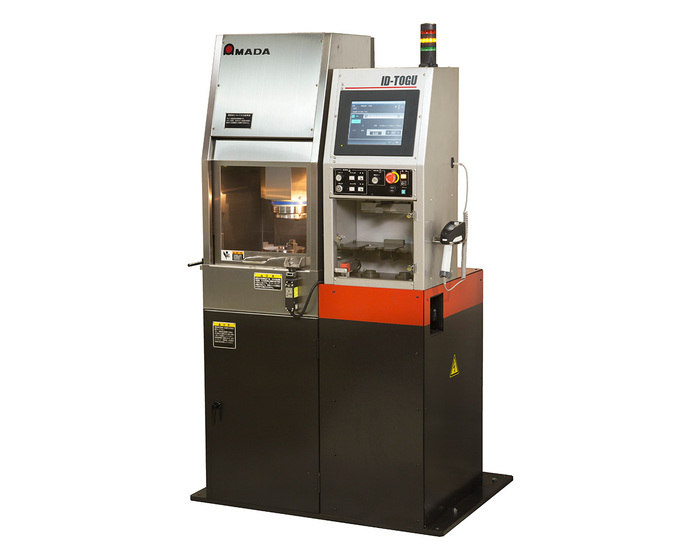
The ID-TOGU Automatic Die Grinding Machine ensures precise die maintenance without relying on operator skills, extending die lifespan and boosting production accuracy. ■ Product Overview The ID-TOGU Automatic Die Grinding Machine is designed to maintain dies with unparalleled accuracy using its Digital Grinding Management System. Unlike conventional grinders, it requires no operator experience, delivering consistent quality in die maintenance. By connecting directly to the AITS server, the system automatically receives grinding volume data, reducing material loss and ensuring long-term production stability. ■ Key Features ・ Digital Grinding Management System: Controlled via the AITS server for precise grinding. ・ Operator-Independent Quality: Eliminates skill dependency, ensuring consistent die performance. ・ Extended Die Lifespan: Reduces unnecessary wear and prevents premature die replacement. ・ High Production Accuracy: Enhances product precision and stability in mass production. ・ Automation Efficiency: Reduces operator workload and shortens maintenance time. ■ Specifications ・ Model: ID-TOGU ・ Control System: AITS server for digital grinding management ・ Production Process: Automatic die grinding ・ Supported Production Types: Precision and automated die maintenance ■ Applications ・ Precision sheet metal die maintenance ・ Automotive component manufacturing ・ Electrical & electronic part production ・ Industrial equipment housing fabrication ・ Medical device component machining The ID-TOGU is the ultimate solution for factories aiming to achieve high precision, long die life, and reduced downtime in die maintenance. ■ FAQ Q1: What types of dies are compatible with ID-TOGU? A: It supports most sheet-metal stamping dies, from general production to high-precision applications. Q2: Does it require a specialized operator? A: No. The digital control system automatically manages grinding settings and operations. Q3: What types of factories is it suitable for? A: Automotive, electronics, electrical appliances, and general manufacturing plants requiring stable quality and reduced defects. ■ Cluster Internal Links [Basic Knowledge] “Digital Die Maintenance Principles for Modern Manufacturing” [Advance Knowledge] “Optimization Window for Die Re-Grinding: Determining the Ideal Grinding Depth” ■ Download the PDF document for more information or inquire for further details immediately! #DieGrindingMachine #PrecisionManufacturing #AutomotiveParts #MetalProcessing #ToolMaintenance #FactoryEfficiency #ProductionAccuracy

Uneven Fiber Laser Welds | Causes and Practical Solutions

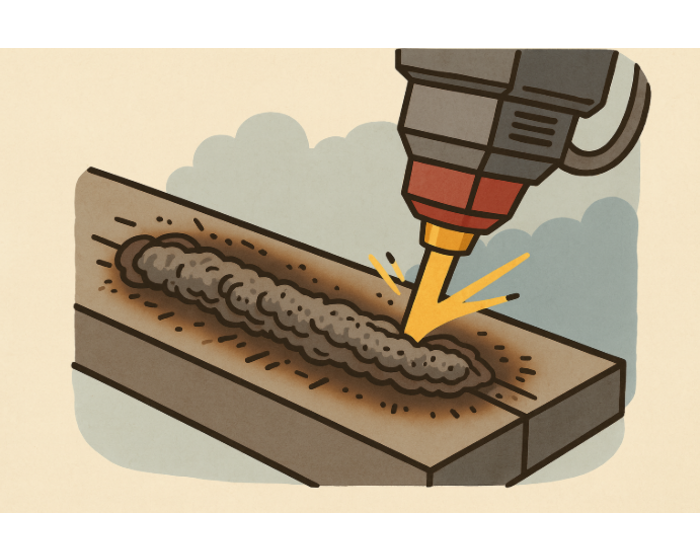
Uneven fiber laser welds, poor surface finish, or burn marks are often caused by incorrect parameter settings, insufficient surface preparation, or improper shielding gas usage. This article explains the root causes, provides effective solutions, and introduces a fiber laser welding machine designed to significantly improve weld quality for industrial factories. ■ Characteristics of Uneven or Poor Welds Common issues encountered in fiber laser welding (ไฟเบอร์เลเซอร์เชื่อมโลหะ) include: ・ Wavy or discontinuous weld lines ・ Burned edges with inconsistent coloration ・ Rough weld surfaces with spatter or porosity ・ Collapsed or distorted welds ・ Excessively thick or thin welds ■ Main Causes of Uneven Fiber Laser Welds 1. Improper Laser Power Settings ・ Too little power → incomplete penetration ・ Too much power → burns or porosity ✔ Adjust laser power, frequency, and pulse duration according to material thickness 2. Welding Speed Mismatch ・ Too fast → discontinuous welds ・ Too slow → overheating, burns, distortion 3. Material Quality and Surface Condition ・ Presence of oil, dust, or oxide layers reduces consistent energy absorption 4. Incorrect Laser Beam Focus ・ Even slight focal misalignment can cause uneven weld beads 5. Improper Shielding Gas (แก๊สป้องกัน) ・ Wrong type (N₂, Ar) or insufficient flow rate causes oxidation, porosity, and discoloration ■ Solutions for Smooth and High-Quality Welds ✅ Optimize laser parameters for each material and thickness ✅ Ensure clean surfaces (polishing or alcohol wipe) before welding ✅ Use autofocus or precise adjustment for laser beam focus ✅ Set proper shielding gas type, flow, and nozzle angle ■ Why Choose the FLW-1500MT Fiber Laser Welding Machine For factories struggling with uneven welds, poor appearance, or difficulty maintaining welding quality, the FLW-1500MT is an advanced solution. ・ 1,500 W power ensures high precision and deep penetration ・ Wobbling function enables adjustable weld bead width for different joints ・ Suitable for both thin and thick plates in one system ・ Reduces operator errors, increases flexibility, and delivers consistent weld quality This model from AMADA (THAILAND) CO., LTD. is ideal for Thai factories looking to improve efficiency, reduce defects, and raise welding standards in production. ■ For more details, please refer to the PDF or contact us directly. #FiberLaserWelding #LaserWeldingMachine #MetalWelding #UnevenWelds #IndustrialFactory #CNCWelding #AMADAThailand

Servo-Driven Punch Press | Easier Maintenance & Reduced Downtime Compared to Hydraulic Systems

Servo-driven punch presses simplify maintenance, reduce downtime, and save energy—ideal for factories aiming to boost productivity and efficiency. ■ Limitations of Conventional Punch Press Systems Traditional systems (hydraulic or mechanical clutch-driven) require: ・ Frequent hydraulic oil and filter changes ・ Risk of leaks from seals and pumps ・ Clutch and brake wear needing regular adjustment ・ Long service and repair times ・ Continuous energy consumption, even when idle ■ How Servo-Driven Punch Presses Work Servo systems use AC servo motors to control force and stroke electronically, eliminating the need for hydraulic or clutch mechanisms. Advantages: ・ Quieter, smoother operation ・ Programmable punching speed and force ・ Reduced wear on mechanical parts ・ Easy integration with factory automation systems ■ Maintenance Benefits of Servo Systems ・ No hydraulic oil = no oil changes or leak repairs ・ Fewer mechanical parts = lower maintenance risk ・ Easier access to inspection points = faster servicing ・ Intelligent diagnostics = real-time monitoring ・ Less unplanned downtime = more production hours ■ Key Maintenance Differences Conventional Systems: ・ Hydraulic oil changes every 6–12 months ・ Regular seal replacements and brake adjustments ・ Long machine downtime during service Servo Systems: ・ No hydraulic components to maintain ・ Only minor electrical and software checks ・ Significantly longer maintenance intervals ■ Cost and Efficiency Advantages ・ Reduced labor and spare parts costs ・ Shorter service times = more uptime ・ Energy-efficient operation—motor runs only during punching ・ Lower risk of breakdowns and lost production ■ Smart Factory Ready Servo punch presses support smart manufacturing: ・ Real-time connection to MES/ERP systems ・ Supports predictive maintenance scheduling ・ Improves OEE (Overall Equipment Effectiveness) ■ Recommended Product: EM-MIIe Series from AMADA (THAILAND) CO., LTD. A high-speed, high-precision turret punch press powered by twin AC servo motors. Highlights: ・ Direct-drive servo for top-level accuracy ・ ID tooling system for automatic tool tracking ・ MPT tapping tool compatibility for fewer setup steps ・ Fast tool changes = reduced downtime ・ Quiet, energy-efficient performance Ideal for metal fabrication factories aiming to cut costs, improve quality, and increase output. ■ Download the PDF for more information or contact us directly for details! #ServoPunchPress #TurretPunchPress #ACServo #NCT #MachineMaintenance #ReduceDowntime #SmartFactory #AMADA #MetalStamping #PrecisionFabrication

Hybrid Press Brake Machines | Compare Hydraulic vs. Electric Servo for Factory ROI

Hybrid press brakes combine the force of hydraulics with the precision of electric servo systems—cutting energy use by up to 50% and boosting accuracy. They are ideal for factories seeking long-term cost savings, precision, and production flexibility. ■ Understanding Press Brake Systems: Which Is Right for You? Press brakes are vital in sheet metal fabrication (พับแผ่นโลหะ) and come in three main types: ・ Hydraulic Press Brakes – Powerful and rugged, suited for thick metal. ・ Electric Servo Press Brakes – Precise, clean, and energy-saving. ・ Hybrid Press Brakes – Combine strength and accuracy while cutting energy costs. ■ Hydraulic Systems: Tough but Costly to Run Hydraulic press brakes use high-pressure oil to apply force. They’re excellent for bending thick materials and can operate continuously. However, they come with drawbacks: ・ High energy consumption ・ More noise and heat ・ Ongoing maintenance and oil management ・ Limited accuracy compared to servo systems ■ Electric Servo Systems: Precise but Limited Force Electric servo press brakes are ideal for thin materials, electronics, and cleanroom production. They offer: ・ Micron-level accuracy ・ Oil-free operation ・ Energy savings But they may struggle with thicker metals and often have a higher machine cost. ■ Hybrid Systems: Performance Meets Efficiency Hybrid press brakes offer: ・ Energy savings of 30–50% compared to hydraulics ・ Quiet operation and low heat generation ・ Less maintenance due to reduced oil usage ・ Balanced force for both thin and thick materials Perfect for companies that want flexibility without sacrificing long-term value. ■ How to Choose the Right Press Brake for Your Factory ・ Choose Hydraulic if you handle thick steel often and want lower upfront costs. ・ Choose Electric Servo if your focus is precision bending of thin materials. ・ Choose Hybrid if you need energy efficiency, mixed-material capability, and long-term ROI. ■ Recommended Model: HRB Series by Amada (Thailand) Co., Ltd. The HRB Series is a hybrid press brake tailored for modern metalworking factories. Why HRB Series Stands Out: ・ Precise pressing via hybrid control ・ AMNC 3i interface simplifies operation ・ Scalable with automation upgrades (e.g., back gauge, tool changer) ・ Built for small to medium manufacturers planning future growth This makes it ideal for businesses investing in high-precision, energy-efficient production. ■ Download the PDF brochure or contact Amada (Thailand) Co., Ltd. for more information. #PressBrake #HybridPressBrake #HRBSeries #AmadaThailand #MetalBending #SheetMetalFabrication #EnergySaving #IndustrialMachinery #FactoryAutomation #ElectricServoPressBrake

NC Tapping Machine|Smart Factory-Ready Precision for Automotive Production

The NC tapping machine enhances precision and productivity in automotive manufacturing. With automation compatibility and real-time monitoring, it's ideal for high-mix, low-volume production lines in Smart Factories. 1. Why Thread Tapping Accuracy Matters in Automotive Manufacturing ・ Ensures safety and performance of engine blocks, suspension, and chassis ・ Reduces risk of failure due to thread deformation or poor fit ・ Meets high-quality standards in mass automotive production 2. NC Tapping Machine vs. Manual Systems ・ Programmable control over rotation speed, depth, and torque ・ High repeatability and reduced human error ・ Operates continuously for large-volume output ・ Easily integrates with conveyors, robots, and factory automation 3. Key Benefits on Automotive Lines ・ Consistent thread quality for every part ・ Significant reduction in defect rates ・ Quick setup for model changes ・ Boosted production speed and throughput ・ Captures quality data in real time for process control 4. Common Use Cases in Automotive Factories ・ Cylinder heads and engine blocks: For pressure-tight threads ・ Suspension parts: Handles hard or thick materials ・ Chassis structures: Multi-position tapping with precision ・ ECU housings and control units: Requires fine threading 5. Typical Threading Problems Solved by NC Systems ・ Inconsistent thread depth → Solved by programmed depth control ・ Twisted or deformed threads → Prevented through torque control ・ Tap breakage → Avoided via resistance feedback and auto-stop ・ Complex manual setups → Simplified with stored tap profiles 6. Why Choose CTS-900NT from Amada (Thailand)? ・ Compatible with Smart Factory and ERP integration ・ Ideal for high-mix, low-volume manufacturing ・ Supports multiple materials and part sizes ・ High-precision tapping across various applications ・ Easily paired with robotic systems and conveyors ・ Enables transparent production monitoring and data tracking #NCTappingMachine #CTS900NT #AutomotiveProduction #SmartFactory #ThreadTapping #AmadaThailand #ProductionAutomation #PrecisionManufacturing #FactoryIntegration

AC Servo Motor for Automatic Machinery | Precision, Key Benefits & Selection Guide

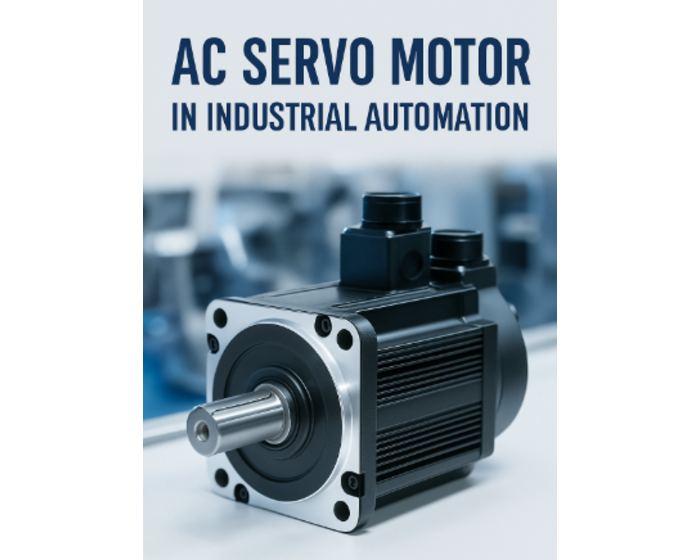
AC Servo Motors are vital for modern automatic machinery, providing high precision, fast response, and energy efficiency. They help factories improve product quality, reduce production errors, and lower long-term operating costs. ■ Importance of AC Servo Motors in automation systems AC Servo Motors enable precise control of position, speed, and torque, ensuring accurate, repeatable motion and reducing defects. They are essential for high-speed production lines in automotive assembly, electronics manufacturing, metal processing, and packaging systems, widely used in Thai and global industries ■ Working principle and technical advantages AC Servo Motors work with encoders in a closed-loop system to deliver precise, smooth movement. This minimizes vibration and shock, extending machine lifespan. They also support energy savings and lower maintenance costs, making them ideal for continuous production lines where downtime must be minimized. ■ Industrial applications AC Servo Motors are used in automatic assembly machines, laser cutting, drilling, punching, metal forming, semiconductor production lines, and automotive parts manufacturing. Their high positioning accuracy and fast response improve product quality and reduce scrap rates by up to 30%, supporting lean manufacturing goals. ■ Why choose EM-MIIe series punching machines with AC Servo Motor The EM-MIIe series features an AC servo direct twin drive system for superior precision and high-speed punching, minimizing vibration and improving workpiece quality. Supporting ID tooling and MPT tapping tools, it helps reduce processing steps, save time, and boost production efficiency. This series is ideal for manufacturing automotive parts, electronic components, and medical devices, cutting cycle time and maximizing return on investment. ■ Contact us for more details Download our detailed PDF catalog or ติดต่อทีมผู้เชี่ยวชาญของเราได้ทันที for technical consultation and pricing. #ACServoMotor #ServoMotor #AutomaticMachine #PunchingMachine #HighPrecision #FactoryAutomation #ThaiIndustry #ProductionLine #ReduceScrap #ManufacturingTechnology

1〜20件 / 25件

CONTACT

Inquiry

This is the inquiry form for AMADA (THAILAND) CO., LTD.. Please enter your inquiry.

This service is intended to provide consultation and opinion requests for processing projects.
Please do not use this information for self-promotion or sales activities.
If we receive a complaint from a recipient about the contents of the transmission, we may take measures such as forcibly stopping the use of the service.

Inquiry Type*Required
Message*Required
Attach file

Only image (jpeg, jpg, gif, png, pdf) and compressed file (zip, lzh) extensions are valid. Maximum file size 10MB