
BELIEF ENGINEERING TECHNOLOGY (WUXI) CO., LTD.
SERVICE
Production Goods & Services
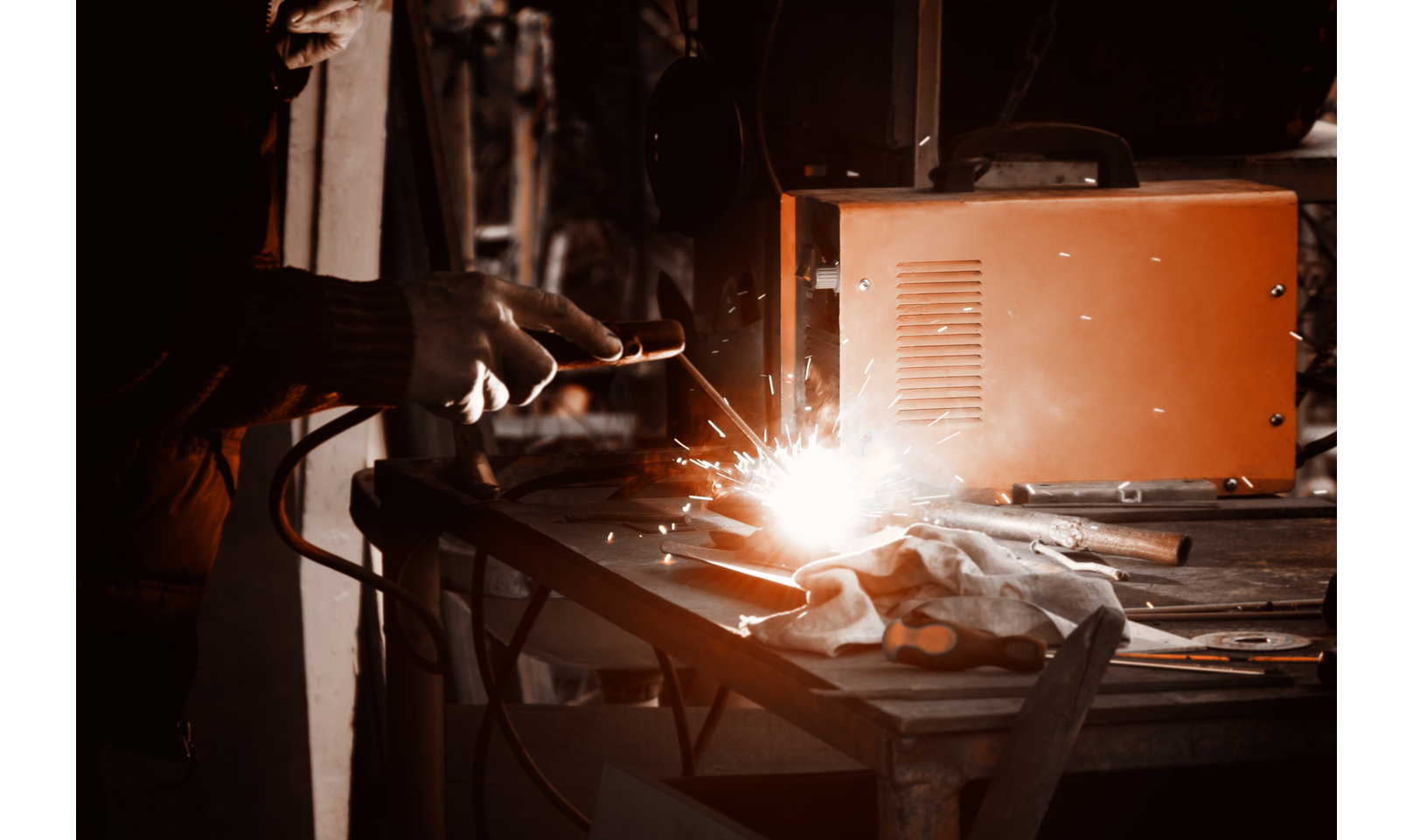
Basic Knowledge of Stainless Steel Welding Technology
Product Info
― Principles and Practical Points to Maintain Corrosion Resistance and Prevent Deformation ―
1. What is Stainless Steel? Characteristics and Classification
Stainless steel is an alloy steel that gains corrosion resistance by adding 10.5% or more chromium to iron. It is widely used in outdoor structures, food machinery, chemical plants, medical equipment, and more. Its notable features include high resistance to rust even in the atmosphere or underwater, easy cleanability, and excellent strength.
Stainless steel can be broadly categorized into four types:
- Austenitic (e.g., SUS304, SUS316): Highly corrosion-resistant and the most common type. Non-magnetic.
- Ferritic (e.g., SUS430): Magnetic, cost-effective, and has good formability.
- Martensitic (e.g., SUS410): High hardenability, used for knives and blades.
- Duplex (e.g., SUS329J1): A mix of ferritic and austenitic phases with high strength and corrosion resistance.
Understanding the characteristics of each type is crucial in welding, as their behavior and defect tendencies differ.
2. Main Welding Methods and Characteristics
Various welding methods are used for stainless steel depending on the application, thickness, and quality requirements. Key methods include:
1. TIG Welding (Tungsten Inert Gas Arc Welding):
Ideal for precision welding of thin plates, producing beautiful beads with low spatter. Easy heat control makes it widely used for austenitic types and thin materials.
2. MIG Welding (Semi-automatic Welding):
Suitable for medium-thick plates requiring efficiency. It has a fast welding speed and good operability, though bead appearance and spatter control are inferior to TIG.
3. Laser/Plasma Welding:
Used in fields requiring precision and high quality. Features minimal heat-affected zones and reduced deformation.
4. Resistance Welding (Spot Welding):
Common in sheet metal joining for automotive and home appliances.
Each method has pros and cons, and the best method should be selected based on required quality and productivity.
3. Welding Defects and Countermeasures
Welding stainless steel is prone to the following defects, many related to material characteristics:
- Cracking (Hot/solidification cracks): Caused by excessive heat input or unsuitable filler materials. Especially a concern with austenitic types.
- Distortion/Warping: Due to high thermal expansion, large shrinkage stresses can occur. Countermeasures include tack welding, jigs, and reverse warping designs.
- Oxidation/Scale Formation: High-temperature oxidation degrades corrosion resistance. Argon shielding and back protection are crucial.
- Pitting/Intergranular Corrosion: Caused by passive film damage or carbide precipitation after welding. Prevented with appropriate post-treatment like pickling and electropolishing.
Preventing defects requires material checks, proper welding conditions, and post-weld processing.
4. Managing and Evaluating Welding Quality
Stable quality requires more than operator skills. Equipment management, welding parameter records, and inspection systems are essential:
- WPS (Welding Procedure Specification) and PQR (Procedure Qualification Record):
Standardize welding conditions to ensure repeatability.
- Non-destructive Testing (PT, VT, RT, etc.):
Uses methods like visual, dye penetrant, and X-ray testing to check for defects.
- Traceability Management:
Record who, when, and under what conditions the welding was done for each joint to strengthen quality assurance.
CATALOG
Related Catalogs
CONTACT
Inquiry